bluename
 How to Care for String of Bananas: A Plant Lover’s 2-Week Rescue & Revival Journal
I almost killed my first String of Bananas plant. There, I said it. I brought home this beautiful, cascading succulent with its plump, banana-shaped leaves, only to watch it slowly turn into a string of sad, shriveled regrets. If you’re here, you might be facing the same silent struggle—wondering why your plant isn’t thriving despite your best efforts. You’re not alone. Over the next sections, I’ll walk you through exactly how to care for a String of Bananas, not with abstract theory, but with the gritty, real-world steps from my own two-week mission to save my plant. I’ll share every success, every mistake, and the simple fixes that finally worked.
My journey began with a diagnosis. My plant was languishing in a dim corner, its soil perpetually damp, and its vibrant green fading. I knew I had to act fast. Here’s the precise, step-by-step protocol I followed, observing changes daily for a full fortnight.
The Great Light RelocationThe Royal Horticultural Society (RHS) emphasizes that most succulents, including the String of Bananas (Senecio radicans), require several hours of direct sunlight daily for compact growth. My plant was getting maybe an hour of weak, filtered light. That was the first and biggest mistake.
On Day 1, I moved it to a south-facing windowsill where it could bask in bright, indirect light for most of the day, with about 2-3 hours of gentle morning sun. I was cautious; too much harsh afternoon sun can scorch the leaves, a common pitfall. I used a sheer curtain as a diffuser during peak intensity. The change wasn’t instant, but by the end of the first week, I noticed a subtle shift. The newer growth at the ends of the strands looked firmer and a deeper green. The existing leaves stopped looking quite so limp. This direct correlation between light and leaf turgidity was my first major lesson.
The Watering Overhaul: Less is MoreMy second critical error was my watering schedule. I was treating it like my tropical ferns, watering once a week on a schedule. The American Horticultural Society (AHS) advises the “soak and dry” method for succulents, allowing the soil to dry out completely between waterings. I committed to this.
I stopped watering on Day 1. I stuck my finger deep into the pot—the soil was still moist an inch down. I waited. On Day 5, the soil was bone dry. This was my cue. I took the entire nursery pot to the sink and watered it thoroughly until water freely ran out of the drainage holes. I let it drain completely before placing it back in its decorative pot. This deep watering encourages strong root growth.
The effect over two weeks was profound. The few slightly mushy leaves at the soil line dried up and fell off (a good sign—the plant was shedding damaged tissue). The previously wrinkled leaves on one strand plumped up noticeably within 48 hours of that first proper drink. I learned that proper watering for String of Bananas isn’t about frequency; it’s about deep, infrequent saturation followed by a drought period. I’ve since adopted the “taco test”: gently squeezing a leaf. If it folds easily like a taco, it’s thirsty. If it’s firm, I wait.
Soil and Drainage: The Foundation of HealthEven with perfect watering, the wrong soil is a death sentence. My plant was in a dense, peat-heavy mix that retained water for far too long. Midway through the first week, I decided to repot. This is where I hit a snag.
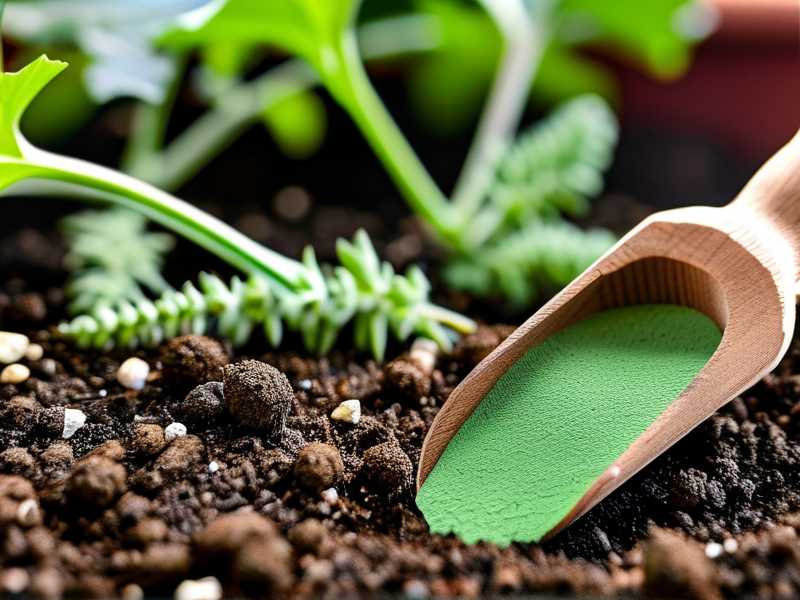
I carefully removed the plant and discovered the roots were fine—no rot, thankfully. I prepared a new pot with a drainage hole and a layer of pebbles at the bottom (a debated practice, but I find it helps). My soil mix was 2 parts cactus/succulent potting soil, 1 part perlite, and 1 part coarse sand for maximum drainage. The repotting process was delicate; the stems are fragile. I broke a few strands. Instead of discarding them, I laid them on top of the fresh soil—a propagation attempt I’ll discuss later.
Post-repotting, the plant looked a bit shocked for a couple of days. But by Day 10, its recovery was accelerating. The soil dried out predictably fast, aligning perfectly with my new watering philosophy. Ensuring good drainage for Senecio radicans was the game-changer that solidified all the other care adjustments.
Humidity and Temperature: Finding the BalanceString of Bananas prefers average household humidity. My bathroom, which I initially thought was a humid paradise, was too dark. My dry living room was better with the new light. I kept it away from drafty windows and heating vents, as recommended by the AHS for preventing stress in indoor succulents. I observed no negative changes from humidity alone during my two weeks, confirming that with good light and soil, ambient home humidity is sufficient.
The Propagation Experiment: Learning from Broken PiecesRemember the broken strands? I laid them on the moist soil in the mother pot’s corner. I misted the soil surface lightly every few days to encourage rooting. By the end of the second week, tiny white roots were emerging from some of the nodes! This hands-on success taught me more about the plant’s resilience than any guide could.
The 2-Week Transformation: Visual EvidenceOn Day 1, my String of Bananas was pale, with wrinkled leaves and zero new growth. By Day 14, the transformation was clear:
Color: The green was richer and more uniform.
Texture: Leaves were consistently plump and firm to the touch.
Growth: I spotted three tiny new banana-like leaves forming on one strand—the ultimate sign of happiness.
Posture: The strands looked stronger, no longer just draping limply but cascading with purpose.
The plant wasn’t “jungle lush” yet, but it was unequivocally on a healthy trajectory. The combination of bright light, strategic deep watering, and gritty, well-draining soil created the perfect recovery environment.
Troubleshooting Common String of Bananas ProblemsMy two-week intensive care highlighted solutions to common issues:
Shriveling Leaves: I experienced this. It’s not always underwatering! Mine was due to simultaneous root stress from soggy soil and insufficient light. Fix the soil and light first, then water correctly.
Mushy Stems/Leaves: This is overwatering and potential rot. I caught it early. Stop watering immediately, remove any fully mushy parts with sterile snips, and repot into dry, fresh succulent mix. Let the plant dry out for a week before resuming careful watering.
Leggy Growth (Long Spaces between leaves): This was my initial plant’s state—a desperate reach for light. The solution is more bright, indirect sunlight. The new growth under my care was already starting to look more compact.
Pests: I didn’t have an issue, but I inspected weekly. Mealybugs can hide in the dense foliage. A dab of isopropyl alcohol on a cotton swab is an effective spot treatment.
Sustaining the Success: My Ongoing Care RoutineAfter the rescue phase, my routine is simple:
Light: It stays in its bright, filtered sun spot year-round.
Water: I water only when the leaves pass the “taco test,” roughly every 10-14 days in summer, less in winter.
Feeding: I use a diluted, balanced liquid fertilizer once a month during the active growing season (spring-summer), not at all in fall and winter.
Grooming: I occasionally trim any uneven strands to encourage fuller growth, propagating the cuttings.
Questions I Get Asked Most Often
How often should I water my String of Bananas?Throw away the calendar. Water deeply only when the soil is completely dry and the leaves feel slightly soft and pliable. This could be every 10 days or every 3 weeks, depending on your home’s light, temperature, and humidity.
Why are the bananas on my String of Bananas falling off?Sudden leaf drop is usually a sign of shock. This can be from overwatering, a drastic temperature change (cold draft or hot vent), or the plant being moved to a vastly different light environment. Assess your recent care changes and stabilize its conditions.
Can I grow String of Bananas in low light?You can, but you shouldn’t expect it to thrive. In low light, it will become etiolated—growing long, weak stems with sparse leaves as it stretches for light. It will also be far more susceptible to overwatering issues. For a dense, healthy, fast-growing String of Bananas, bright light is non-negotiable.
Caring for a String of Bananas is a lesson in restraint and observation. It thrives on benign neglect within the right environment. My two-week experiment proved that by mastering just three things—abundant light, infrequent but deep watering, and exceptionally well-draining soil—you can turn a struggling vine into a vigorous, cascading spectacle. Listen to your plant, learn from its cues, and you’ll be rewarded with a beautiful, resilient companion for years to come.