bluename
 How to Care for Agave succulents: My Two-Week Journey from Overwatering to Perfect Health
I’ve killed my fair share of succulents. There, I said it. For years, I struggled with the classic dilemma: how to care for agave succulents without turning their robust, architectural leaves into a mushy, brown mess. It seemed simple—sun, little water, done. Yet, my agaves always seemed to languish. Determined to crack the code, I embarked on a focused, two-week experiment with a newly acquired Agave parryi, documenting every step and misstep. What I learned transformed not just this one plant, but my entire approach to these stunning, low-maintenance wonders.
My goal was clear: master the essentials of agave succulent care through hands-on observation. I chose Agave parryi for its compact size and reputation for being somewhat forgiving (a relative term in the succulent world). Here’s exactly what I did, what happened, and how you can avoid my early blunders.
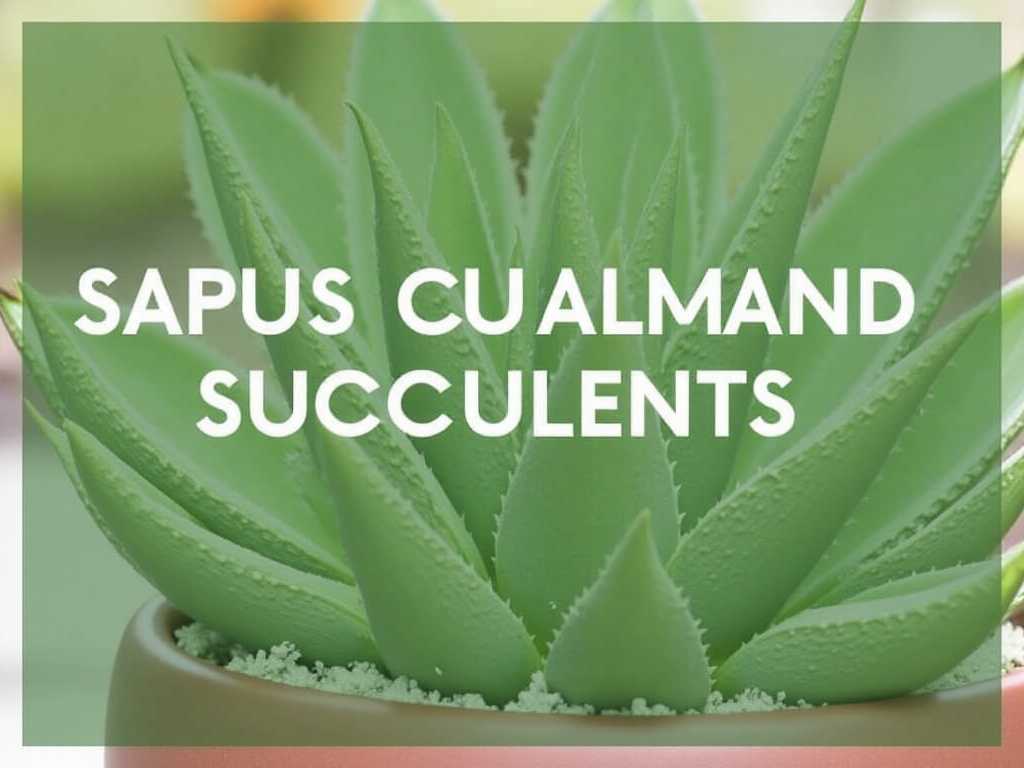
Understanding Your Agave’s Core Needs
Before I even watered my new plant, I spent a day researching. The Royal Horticultural Society (RHS) categorizes most agaves as needing full sun and exceptionally well-drained soil. They emphasize that the single greatest threat is excess moisture, especially around the crown. The American Horticultural Society’s (AHS) heat zone map also reminded me that while agaves tolerate heat, their cold hardiness varies dramatically by species. My Agave parryi could handle a light frost, but many cannot. This foundational knowledge was my first crucial step.
Week 1: The Setup and Initial Adjustment
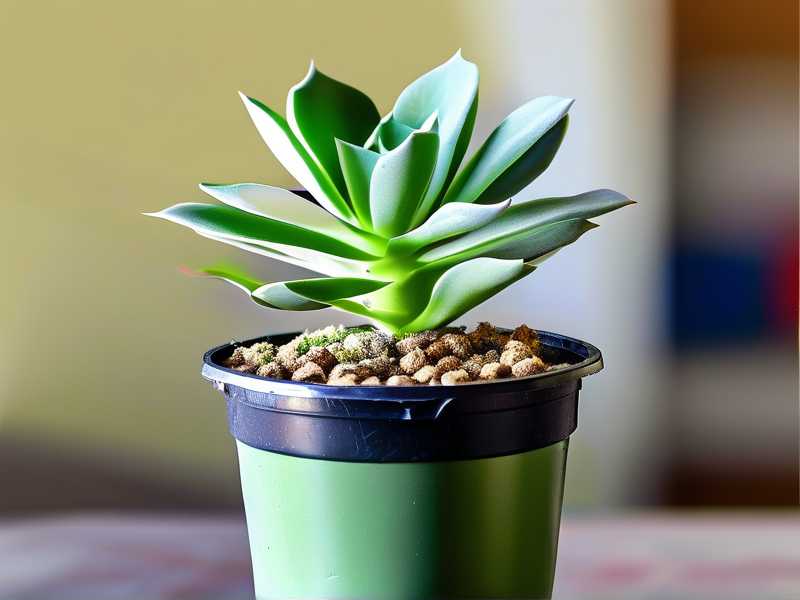
I started with what I thought was a perfect setup. I placed my agave on a south-facing windowsill, repotted it into a standard cactus mix, and gave it a generous drink to settle in. This was my first, and biggest, mistake.
- The Potting Pitfall: Within three days, I noticed the soil was still damp to the touch. The cactus mix, while “well-draining,” was peat-heavy and held too much moisture for my indoor environment. The agave’s lower leaves felt slightly less firm, a warning sign of impending rot.
- The Fix – Creating the Perfect Gritty Mix: I acted fast. I gently removed the plant, shook off the wet soil, and let the roots air-dry for a day. I then created my own soil mix: two parts potting soil, one part coarse perlite, and one part poultry grit (crushed granite). This mix is championed by expert collectors for its fast drainage and prevention of waterlogging. Repotting into a terracotta pot with a large drainage hole was the final touch—terracotta wicks away moisture, unlike plastic.
The Right Way to Water an Agave Plant
This was the heart of my experiment. After the repotting scare, I adopted the “soak and dry” method religiously.
- My Process: I did not water on a schedule. Instead, I used a wooden skewer, inserting it deep into the soil. If it came out clean and dry, it was time. I then took the pot to the sink and watered thoroughly until water streamed freely from the drainage hole, ensuring the entire root ball was saturated. I then let it drain completely before returning it to its sunny spot.
- The Two-Week Observation: In the first week post-repotting, the soil dried out in just 4 days due to my new gritty mix. I resisted watering. By day 7, the skewer was bone-dry. I performed the first proper “soak.” Over the next week, I observed the plant plumping up slightly. The leaves regained a rigid, turgid feel. No more mushiness. The key was complete drought between waterings, mimicking its natural desert habitat.
Providing Optimal Sunlight for Agave Growth
My south-facing window provided bright light, but I wondered if it was enough for truly vibrant growth. Agaves thrive on direct sun.
- The Observation: The plant maintained its shape but didn’t show the slight stress tinges of blue-gray that Agave parryi is known for. It was healthy but not thriving.
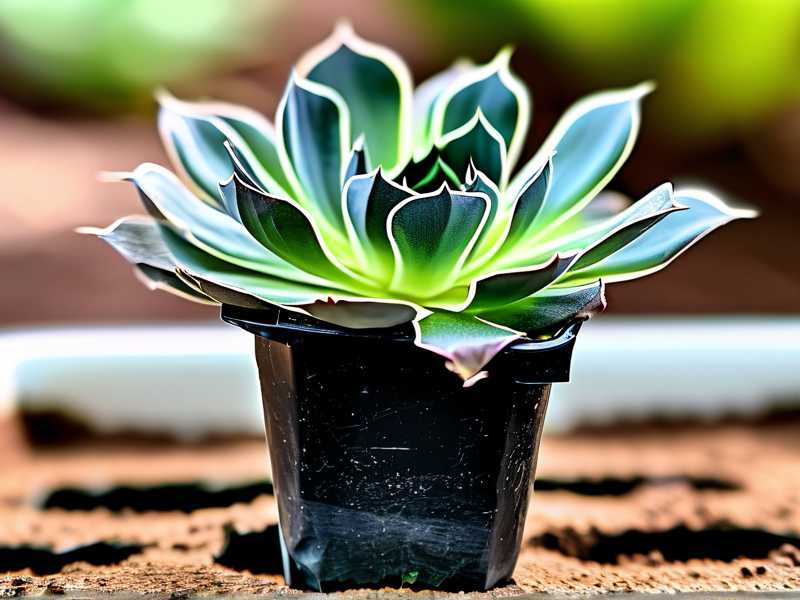
- The Adjustment: For the final four days of my experiment, I began acclimating it to outdoor sun. I started with one hour of morning sun, increasing by an hour daily. By the end of the two weeks, it was handling three hours of direct sun without scorching. The outer leaves began to show a more intense, powdery hue—a sign of perfect sun exposure.
Common Agave Problems and My Solutions
Even in two weeks, issues cropped up. Beyond overwatering, I faced a pest.
- The Uninvited Guest: Around day 10, I spotted tiny cotton-like masses in the leaf axils—mealybugs. A common agave pest.
- My Effective Treatment: I didn’t panic. I dipped a cotton swab in 70% isopropyl alcohol and dabbed it directly on every bug and white spot. I repeated this every other day for three treatments. The alcohol dissolves the bugs’ waxy coating, dehydrating them. By the end of the week, they were gone. Regular, close inspection is now part of my weekly care routine.
The Results After Two Weeks of Focused Care
The difference was tangible. My Agave parryi transitioned from a stressed, potentially overwatered specimen to a firm, compact, and happy plant. The roots had begun to anchor into the new gritty mix. The slight color enhancement from increased sun signaled robust health. Most importantly, I had moved from guesswork to a confident, evidence-based routine.
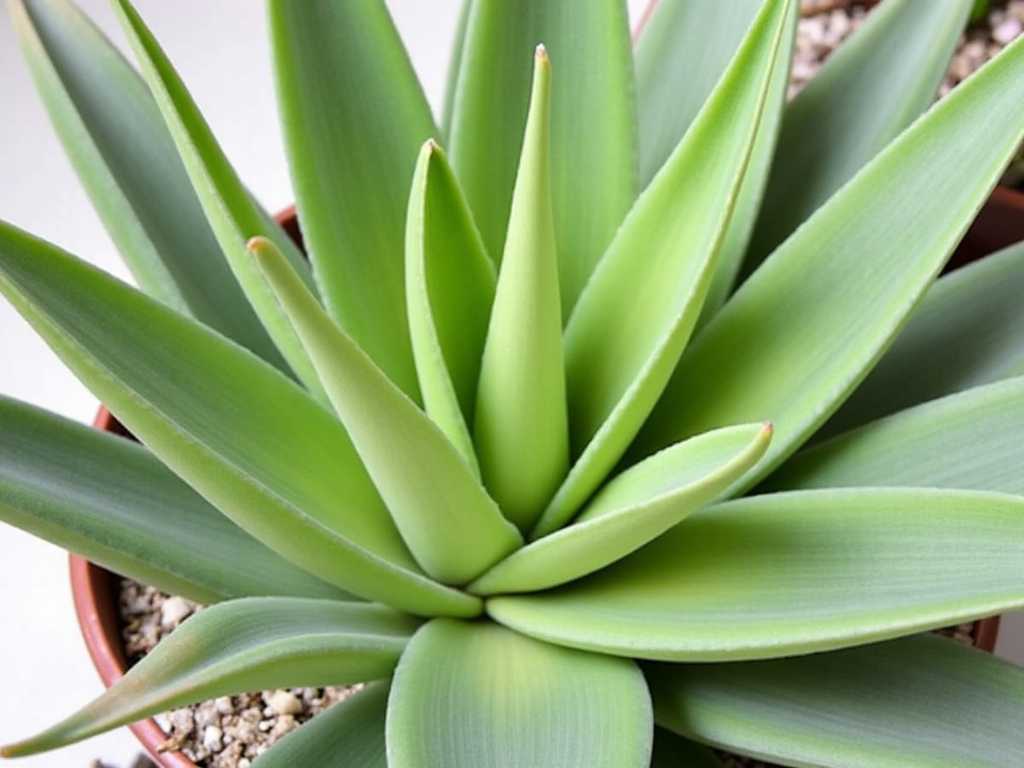
Frequently Asked Questions
How often should I really water my agave indoors? Throw away the calendar. Watering frequency depends on your soil, pot, light, and humidity. The only reliable method is the “dryness test.” Let the soil become completely dry throughout the pot, then water deeply. Indoors, this could mean every 2-4 weeks, sometimes longer in winter.
Why are the tips of my agave turning brown? Brown, dry leaf tips are usually one of two things. First, it could be natural aging; older outer leaves slowly die back. Second, and more commonly, it’s due to inconsistent watering or mineral buildup from tap water. I now use filtered or rainwater for my soakings, and the tip-browning on new growth has ceased.
Can my agave survive outside year-round? This depends entirely on your agave species and your climate. My Agave parryi can handle brief dips below freezing, but a tropical species like Agave attenuata would be damaged. Always verify your plant’s specific cold hardiness. When in doubt, provide protection from winter wetness, which is often more damaging than the cold itself.
Caring for agave succulents is a lesson in restraint and observation. They ask for little but demand precision in what you provide: brutal drainage, abundant light, and benign neglect when it comes to the watering can. My two-week journey taught me that success lies in understanding the why behind each step. By mimicking the harsh, bright, and dry conditions of their native homes, we are rewarded with sculptural, resilient plants that thrive on our careful inattention. Start with the gritty mix, master the soak-and-dry method, and give them all the sun you can. Your agave will repay you with decades of striking, architectural beauty.