bluename
 How to Care for Crassula 'Jade Plant': A 2-Week Journey from Wilted to Wonderful
I stared at my Crassula ovata, the classic jade plant, with a sinking feeling. Its usually plump, jade-green leaves were soft, wrinkled, and a few had even dropped. I thought I was doing everything right, but clearly, I wasn't. As a long-time plant enthusiast, I knew this resilient succulent shouldn't look so sad. Determined to turn things around, I committed to a focused, two-week rescue and care mission. I documented every step, every observation, and every mistake. If you've ever wondered how to properly care for a jade plant, especially one that's struggling, join me on this practical journey. By the end, you'll have a clear, actionable plan rooted in real experience, not just theory.
Understanding the Core Needs of Your Jade Plant
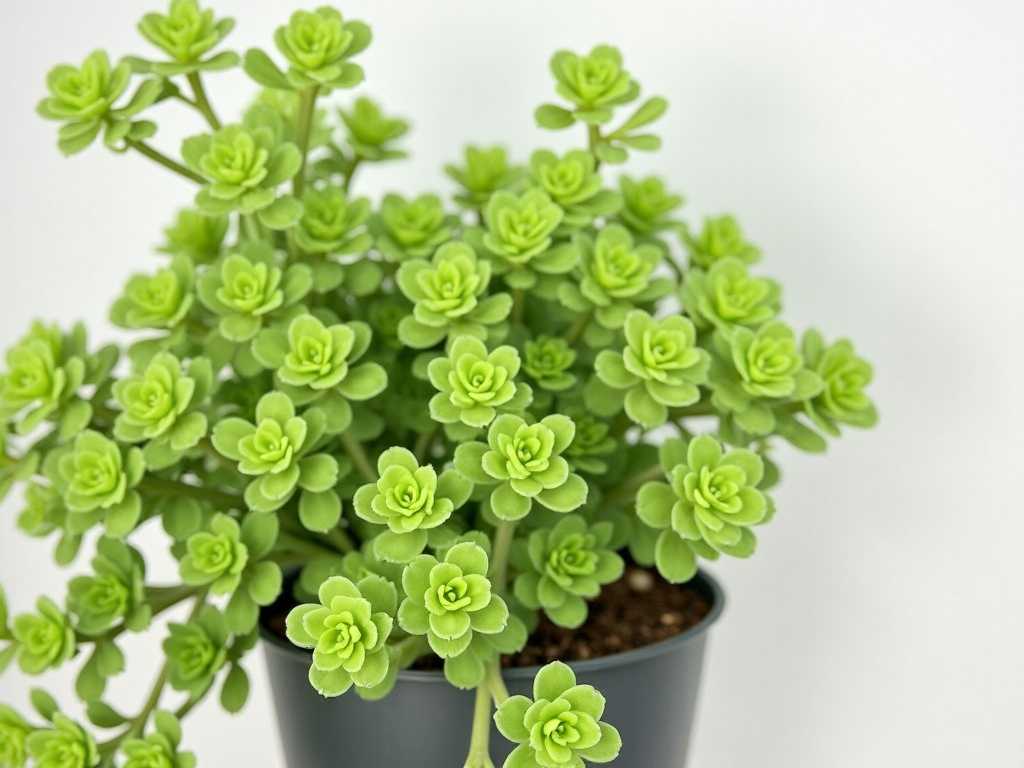
Before diving into action, I revisited the basics. The jade plant is a succulent, storing water in its thick leaves and stems. Its main enemies are overwatering and insufficient light. My plant was in a room with indirect light, and I'd been watering it weekly on a schedule—a classic rookie mistake I should have known better than to make. According to the Royal Horticultural Society (RHS), Crassula ovata thrives in bright light with some direct sun and requires the "soak and dry" method, allowing the soil to dry out completely between waterings. My plan was to correct these two fundamental issues.
Week 1: The Rescue Protocol Begins
My first step was a thorough diagnosis. I gently removed the plant from its pot. The soil was damp several inches down, confirming overwatering. I noticed no obvious root rot—a good sign—but the roots were sitting in moisture for too long.
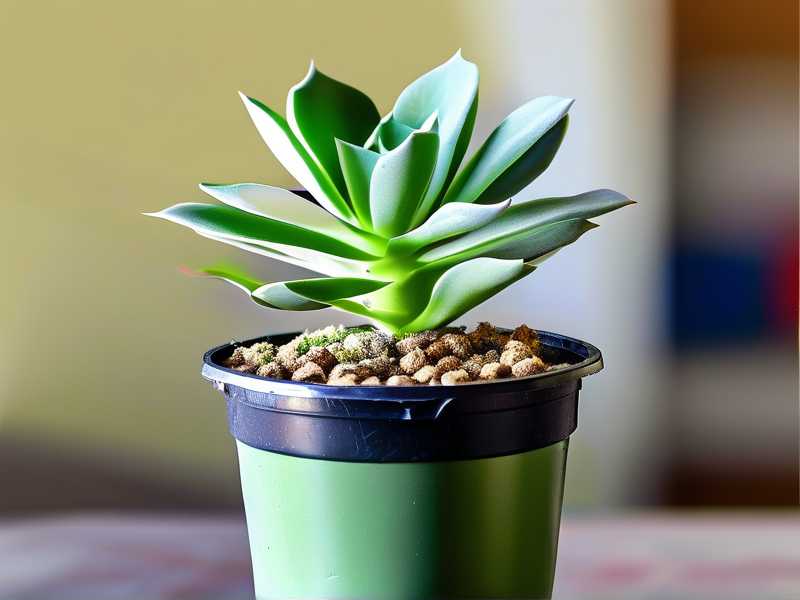
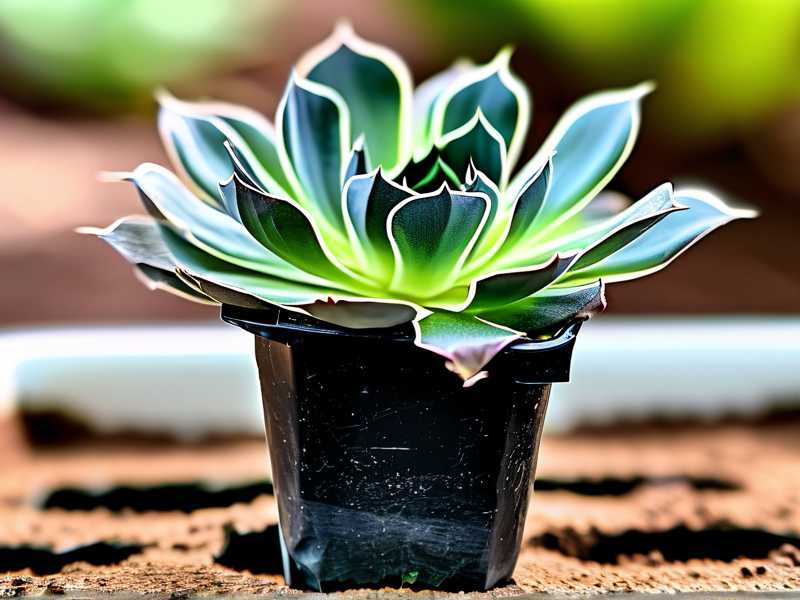
Step 1: Repotting for Success I prepared a new, well-draining succulent mix. I used a blend of two parts standard potting soil, one part perlite, and one part coarse sand. The new pot was only slightly larger than the root ball and had a generous drainage hole. I carefully removed the old, damp soil from the roots, let them air dry for an hour, and then repotted. This fresh, airy medium was critical for recovery.
Step 2: The Perfect Lighting Spot I moved the plant to a south-facing windowsill where it would receive at least 4-6 hours of bright, direct sunlight. This was a significant increase from its previous location. I knew sudden, intense sun could scorch it, so I planned to monitor the leaves closely for any signs of bleaching or browning.
Step 3: The Watering Reset After repotting, I did not water. I inserted a simple wooden skewer deep into the soil. The rule: only water when the skewer comes out completely dry. This tactile test is more reliable than any schedule.
Initial Observation (Day 3): The plant looked unchanged, which I took as a neutral sign. No further leaf drop was a small victory. The soil skewer was still slightly damp at the tip.
The First Major "Aha!" Moment and a Mistake By Day 5, I noticed the lower, older leaves were still wrinkled, but a few of the top, newer leaves felt slightly firmer. However, I also saw faint, brownish patches on two leaves facing the window. I had made my first mistake: sun scorch. I moved the plant back just a foot from the window, using a sheer curtain as a filter. The solution wasn't less light, but a gentler introduction to it. The American Horticultural Society (AHS) notes that even sun-loving plants can stress when light conditions change abruptly, recommending a gradual acclimation period.
Observation (End of Week 1): The leaf drop had stopped entirely. The sun-scorched leaves would scar but weren't spreading. The soil was finally dry according to the skewer test. I gave it its first thorough watering, allowing water to flow freely from the drainage hole, and then emptied the saucer immediately.
Week 2: Signs of Recovery and Establishing Rhythm
Step 4: Monitoring and Adjusting Care With the plant in its new, brighter (but filtered) spot and in dry soil, the real test began. I resisted the urge to water or fuss. My job was to observe.
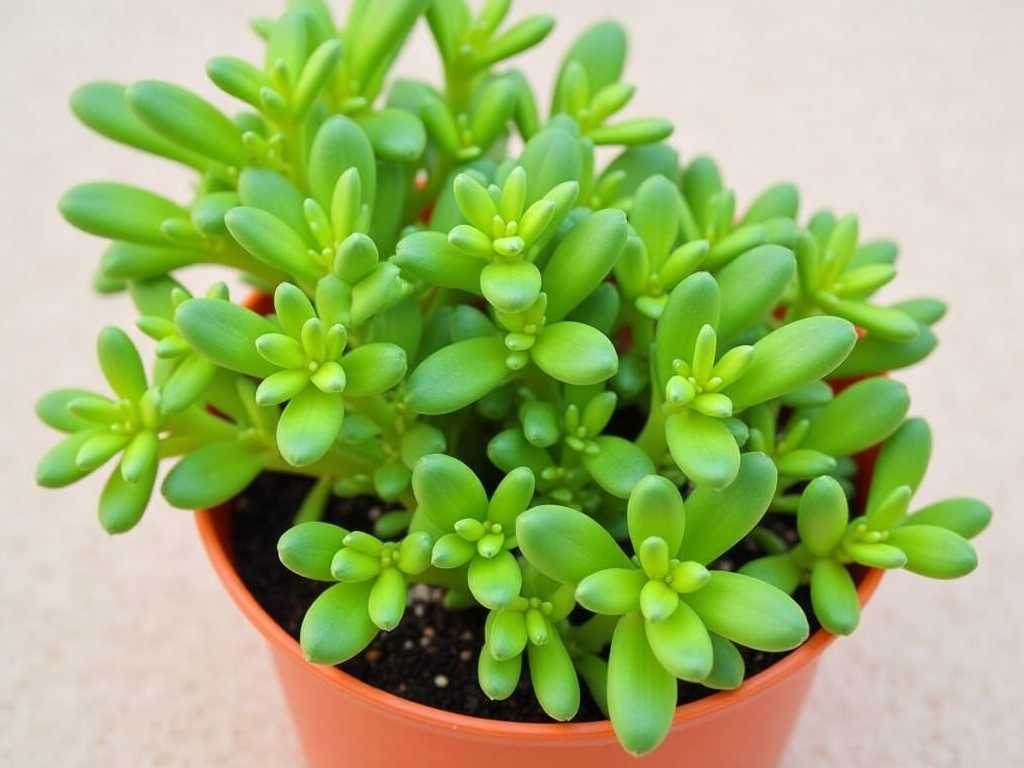
Observation (Day 10): A noticeable change! Several of the previously wrinkled leaves began to plump up. They weren't fully rigid yet, but they had lost that deflated, papery feel. This was the clearest sign the plant was rehydrating itself from its roots, a process only possible in dry, aerated soil. The stem also looked greener and more taut.
Step 5: Introducing a Gentle Feed Knowing recovery takes energy, I prepared a very diluted, balanced liquid fertilizer (at 1/4 strength). I applied it during the next watering cycle on Day 12. It's crucial not to fertilize a stressed plant at full strength, as it can burn tender roots.
Observation (Day 14): The transformation was undeniable. My jade plant stood upright with confidence. Over 80% of the leaves were firm and glossy, showing that rich jade-green color. The new growth at the tips looked vibrant and healthy. The two sun-scorched leaves remained, a reminder of my haste, but they were not harming the plant. The care routine was now simple: bright light, water only when the soil was bone-dry, and a monthly diluted feed during the growing season.
Key Takeaways and Solutions for Common Jade Plant Pitfalls
My two-week journey reinforced that jade plant care hinges on mastering a few non-negotiable principles. Here are the pitfalls I encountered and how to fix them:
- Pitfall: The Scheduled Watering Trap. My weekly watering was the root cause. Solution: Abandon the calendar. Use the finger test, a skewer, or a moisture meter. Water deeply only when the soil is completely dry throughout the pot.
- Pitfall: "Bright Indirect Light" Misinterpretation. For a jade, this often isn't enough. Solution: Provide direct sunlight for several hours daily. If moving from low light, acclimate it gradually over a week to prevent scorching.
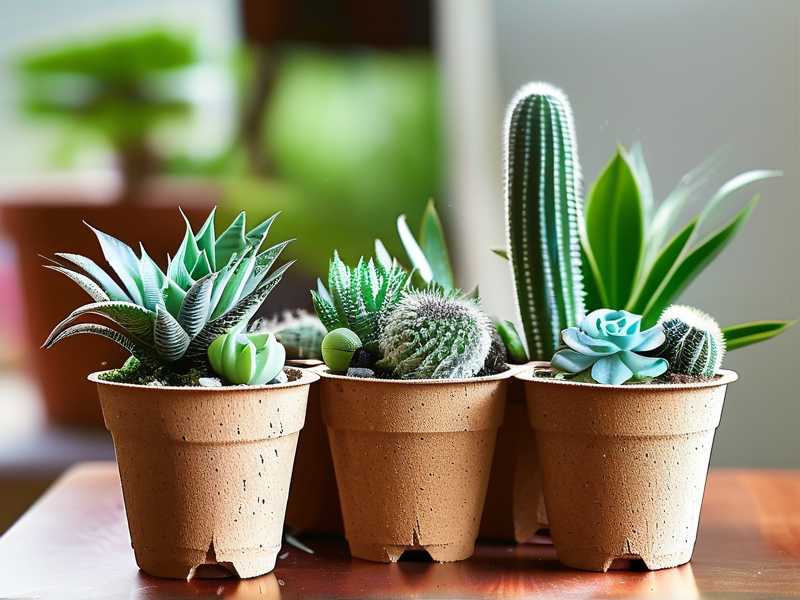
- Pitfall: Poor Soil and Pot Drainage. Regular potting soil retains too much moisture. Solution: Always use a gritty, fast-draining succulent mix and a pot with a drainage hole. Terracotta pots are excellent as they wick away excess moisture.
Your Jade Plant Questions, Answered
Why are the leaves on my jade plant falling off? This is almost always a watering issue. Soft, mushy leaves that fall off easily signal overwatering. Wrinkled, dry leaves that drop can indicate severe underwatering, though this is less common. Check your soil moisture and lighting first.
How do I make my jade plant trunk thick and tree-like? Patience and light are key. A thick trunk develops with age and strong growth. Ensure your plant gets several hours of direct sun. As it grows, you can carefully remove some lower leaves to expose the stem, encouraging a more tree-like appearance. The RHS suggests this selective pruning can help shape the plant over time.
Can I propagate a jade plant from a single leaf? Absolutely, and it's remarkably easy. Let a healthy, plump leaf callous over for a day or two. Then, place it on top of dry succulent soil. Mist the soil lightly every few days. In a few weeks, tiny roots and a new rosette will form. This process demonstrates the incredible resilience of the Crassula genus.
Caring for a jade plant is a lesson in restraint and observation. It thrives on benign neglect within the right environment. My two-week experiment turned a struggling succulent into a thriving centerpiece simply by correcting light and water—the two pillars of jade plant maintenance. Forget complex routines; focus on brilliant sunlight and disciplined watering. Watch your plant closely, and it will tell you exactly what it needs. The reward is a sturdy, beautiful companion that can grow with you for decades, a true testament to the simple joys of plant care.