bluename
 How to Care for Sansevieria Trifasciata: My 2-Week Rescue Mission and Care Routine
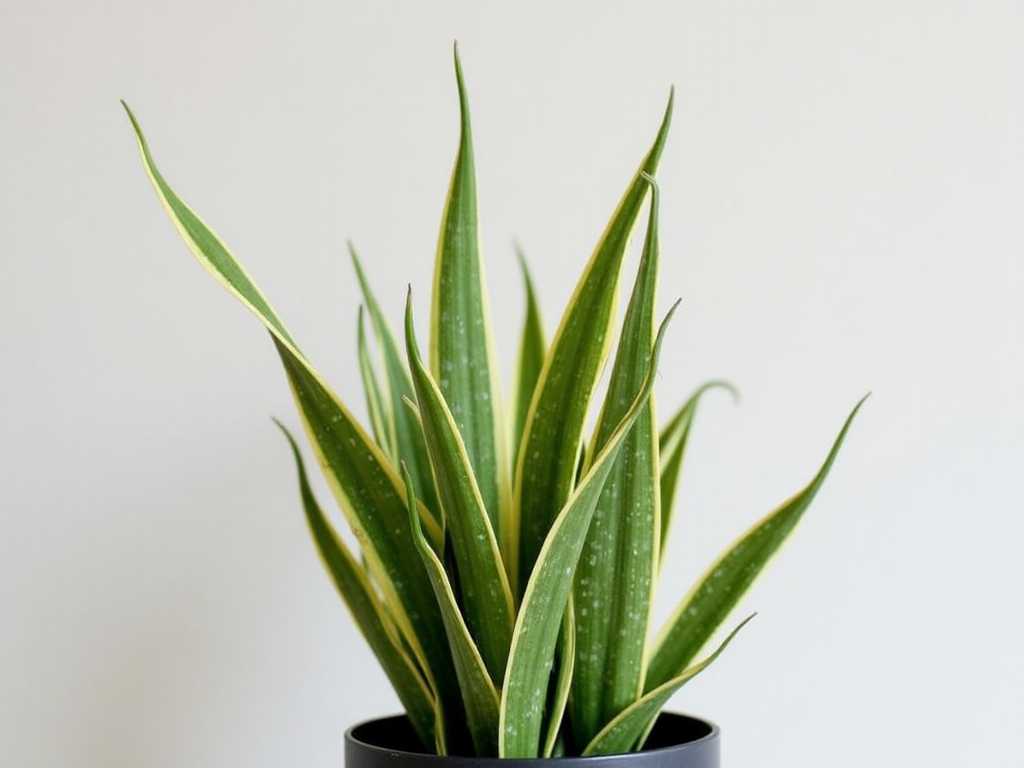
I’ve always believed the Sansevieria Trifasciata, or snake plant, was the ultimate unkillable houseplant. That was until I brought home a beautiful, yet clearly struggling, ‘Laurentii’ variety. Its leaves were soft in spots, and it just looked… sad. This experience became my two-week deep dive into proper Sansevieria Trifasciata care, moving beyond simple myths to a practical, hands-on understanding.
My goal was clear: revive this plant and document exactly what works. Here is my complete journey, including the mistakes I made and the simple fixes that turned everything around.
Understanding the Problem: It’s Almost Always About Water
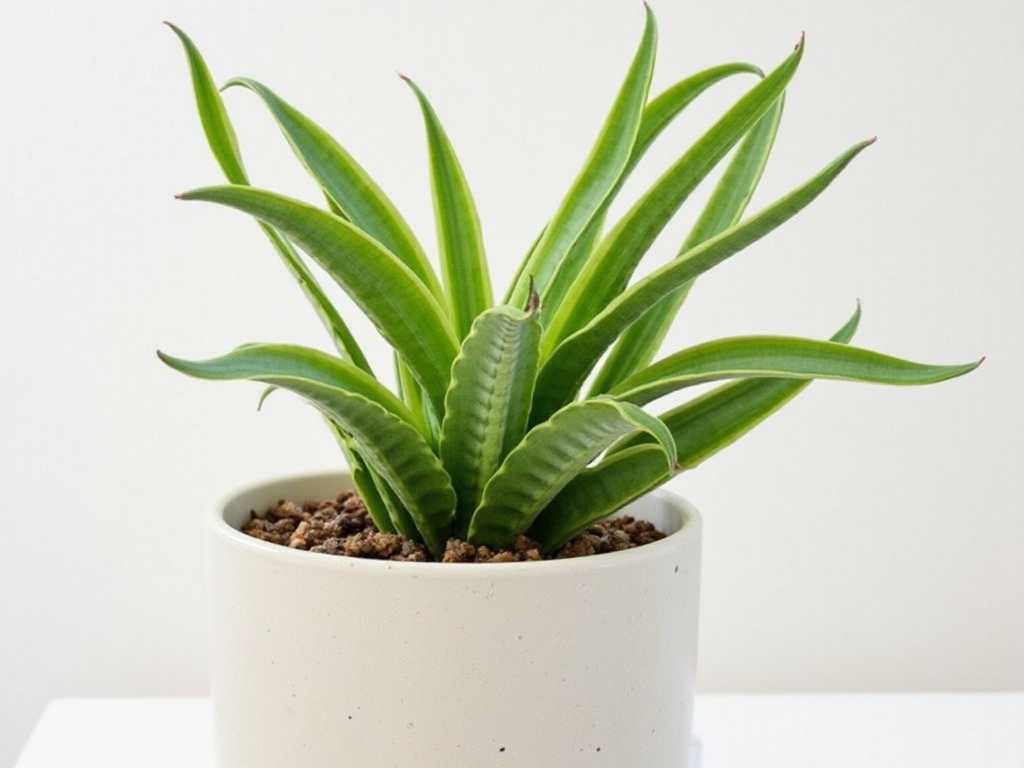
The biggest mistake people make with snake plant care is overwatering. I was guilty of this too. I treated it like my other leafy plants, giving it a drink on a weekly schedule. The Royal Horticultural Society (RHS) clearly states that Sansevieria plants are highly susceptible to rot in waterlogged compost. My plant’s symptoms—mushy patches and a general lack of firmness—were classic signs.
For two weeks, I did not water it at all. This was my first and most critical step. I moved it to a bright spot with indirect light to help the soil dry out completely. The key was patience. By day 10, the soil was bone-dry several inches down, and the plant had stopped declining. No new soft spots appeared. This simple act of neglect was the first victory.
The Right Way to Water Your Snake Plant
After the initial dry-out period, I established a new watering routine. This is the single most important aspect of Sansevieria Trifasciata maintenance.
I use the “soak and dry” method. I take the plant to my sink and water it thoroughly until water runs freely from the drainage holes. I let it drain completely before placing it back in its decorative pot. Then, I wait. I mean, I really wait. I stick my finger or a wooden chopstick deep into the soil. I only water again when the soil is completely dry all the way to the bottom of the pot. For my plant in a moderate indoor environment, this took nearly three weeks.
This method ensures the roots get moisture without sitting in dampness. Over the 14-day observation period post-rescue, the plant’s leaves began to firm up noticeably. The color looked more vibrant. It wasn’t growing new leaves yet (that comes later), but it had stabilized. It was no longer dying.
Lighting Needs: More Than a Dark Corner
Another common myth is that snake plants thrive in total darkness. While they tolerate low light, they don’t thrive in it. The American Horticultural Society (AHS) notes that for best growth and coloration, bright, filtered light is ideal.
My plant was originally in a dim corner. For my experiment, I placed it about six feet from a south-facing window, where it received plenty of bright, indirect light all day. The difference was subtle but clear. The golden edges of the ‘Laurentii’ became more pronounced and vibrant within the two weeks. The plant also seemed to stand more upright, as if reaching for the light. Avoid direct, hot afternoon sun, which can scorch the leaves, but don’t relegate your Sansevieria to a dungeon.
The Potting Mix and Container: Setting the Foundation
Halfway through my observation, I realized the original soil was too dense and moisture-retentive. Even with careful watering, it was a risk. Repotting was my next step.
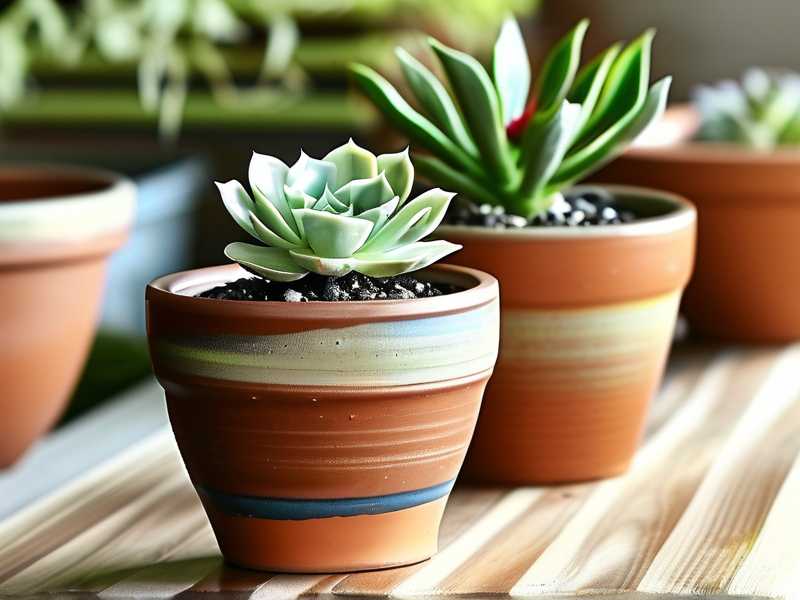
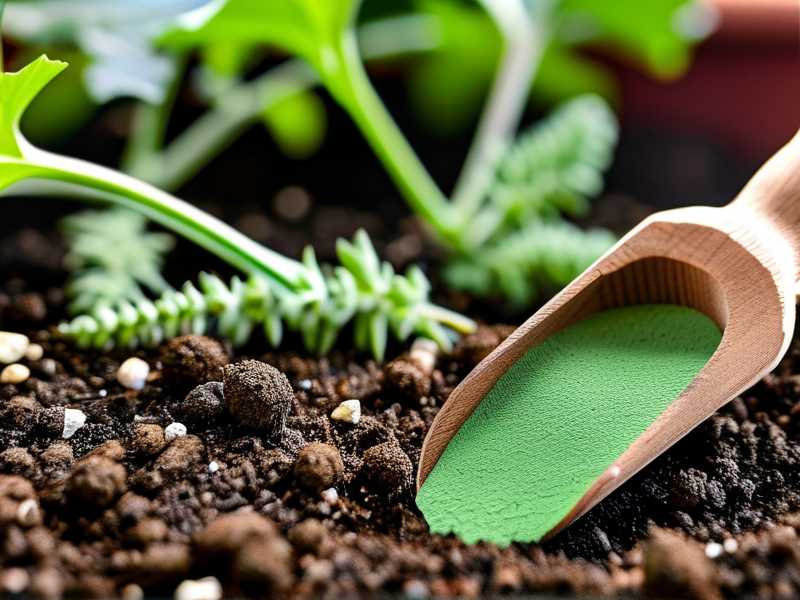
I chose a terracotta pot, which is porous and helps wick away excess moisture. The pot was only one size larger than the root ball—snake plants like to be slightly root-bound. The game-changer was the soil mix. I created a fast-draining blend using:
- 60% standard potting soil
- 30% perlite
- 10% coarse sand
This mix replicates the well-draining conditions the plant craves. When I removed the plant from its old pot, I found the beginnings of root rot—a few brown, soft roots. I carefully trimmed these away with sterile scissors. After repotting into the new mix, the plant’s recovery seemed to accelerate. The leaves felt consistently firmer by the end of the second week.
Common Problems and How I Fixed Them
My journey wasn’t without hiccups. Here’s what I encountered:
- The Pitfall of “Sips” of Water: Early on, I thought giving it small sips of water weekly was safer. This was wrong. Shallow watering encourages roots to grow upward, making the plant unstable and not addressing deep soil moisture. The fix was committing to the thorough “soak and dry” method.
- Ignoring Seasonal Changes: I started this in late fall. I had to remember that Sansevieria Trifasciata care in winter is different. Growth slows, and water needs drop dramatically. My watering interval extended even further, which I monitored by checking soil dryness, not the calendar.
- Dusty Leaves: The broad leaves collected dust, which can block light. I gently wiped them down with a damp cloth. This not only improved photosynthesis but also made the beautiful patterns pop.
Seeing the Results: A Resilient Plant Recovers
After two weeks of deliberate care—corrected watering, better light, and fresh, well-draining soil—my Sansevieria Trifasciata was transformed. It was no longer a rescue case. It stood tall, firm, and proud. The yellow leaf margins glowed. While new growth would take more time, the plant was clearly healthy and thriving. It had gone from surviving to actively living.
Frequently Asked Questions
How often should I fertilize my snake plant? During its active growing season (spring and summer), I feed mine with a diluted, balanced liquid fertilizer only once every 2-3 months. In fall and winter, I stop fertilizing completely. Over-fertilizing can harm the roots and cause leaf damage.
Why are the tips of my Sansevieria turning brown? Brown tips are often a sign of inconsistent watering, either long periods of drought followed by a flood, or low humidity. It can also be from fluoride in tap water. I now use filtered or distilled water for watering, and I try to keep my watering routine consistent based on soil checks, not the clock.
Can I propagate my Sansevieria Trifasciata? Absolutely. The easiest method I’ve used is leaf cuttings. I cut a healthy leaf into 3-4 inch sections, let the cut ends callous over for a day or two, and then plant them in a moist, sandy potting mix. Be patient—it can take several weeks to see new pups emerge. For variegated types like ‘Laurentii’, leaf cuttings may revert to the plain green form; division is the best way to preserve the exact variegation.
Caring for a Sansevieria Trifasciata is about understanding its language. It doesn’t need constant attention. It needs the right foundation—excellent drainage, bright indirect light, and deep but infrequent watering. By stepping back, observing, and responding to its needs rather than a rigid schedule, you’ll be rewarded with a stunning, architectural plant that purifies your air and brings a touch of resilient greenery to your space for years to come.