bluename
 Best Drought-Tolerant Plants Like succulents for a Thriving, Low-Water Garden
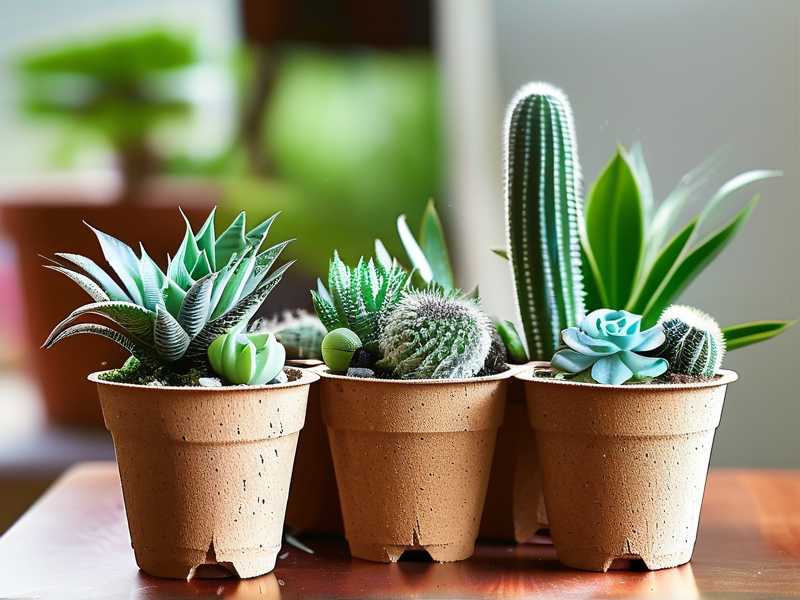
I used to think a resilient, low-maintenance garden meant a sea of succulents. Don’t get me wrong, I love my jade plants and echeverias, but I craved more texture, height, and variety. My goal was to find the best drought-tolerant plants like succulents that could survive my forgetful watering habits and a sunny, dry patio. I needed plants that offered the same easy-care promise but with different forms and blooms.
So, I embarked on a two-week experiment with three fantastic alternatives: Lavender (Lavandula), Sedum ‘Autumn Joy’, and Russian Sage (Perovskia atriplicifolia). I tracked their progress from planting to establishment, noting every detail. Here’s my hands-on journey, complete with the mistakes I made and how I fixed them.
Why Look Beyond Classic Succulents?
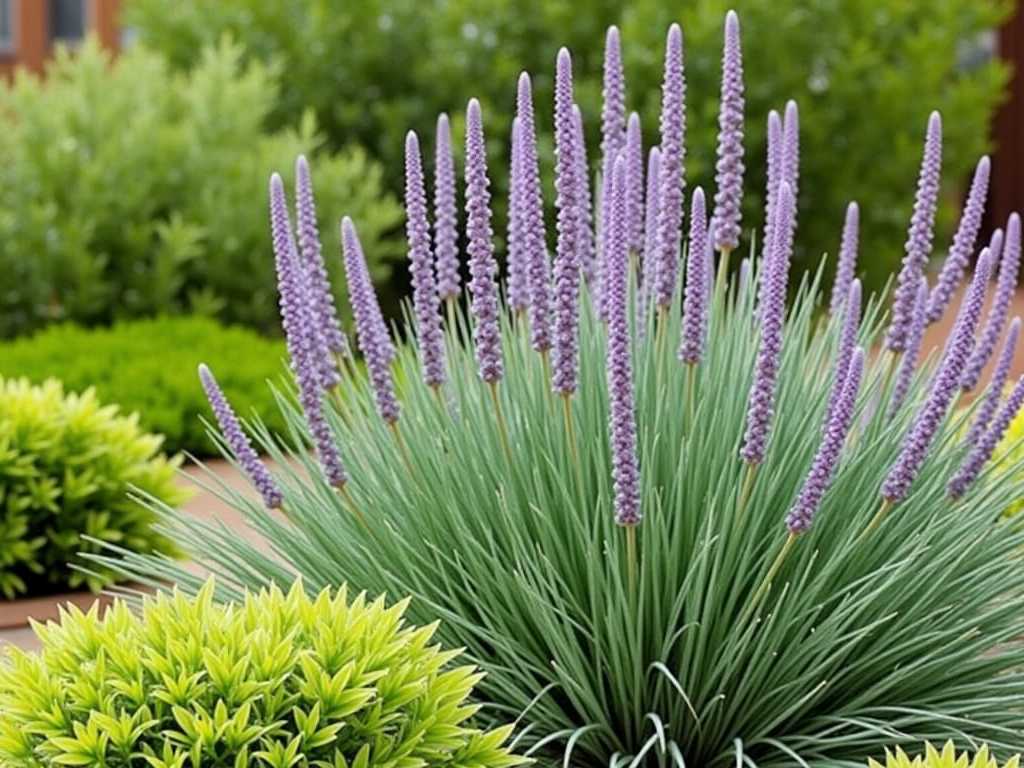
Succulents are champions of dry conditions, storing water in their fleshy leaves. But other drought-tolerant plants have evolved equally clever survival tactics. Some have deep taproots, silver or hairy foliage to reflect sun, or aromatic oils that reduce water loss. Incorporating these plants creates a richer, more dynamic xeriscape that supports pollinators and provides multi-season interest.
According to the Royal Horticultural Society (RHS), diversifying with such plants builds a more resilient garden ecosystem. The American Horticultural Society’s (AHS) heat-zone map also emphasizes choosing plants proven to thrive under prolonged heat, which often pairs with drought.
My Two-Week Planting Trial: Setup and Steps
I started with healthy, young plants from a local nursery. The weather forecast promised two weeks of sun and no rain—perfect for a drought-simulation test.
Week 1: Planting and Initial Care
My first step was soil preparation. I knew drainage was non-negotiable. I chose a raised bed area with existing decent soil.
- Step 1: Soil Amendment. I mixed the native soil with a generous amount of coarse sand and gravel (about a 30% mix). For the lavender, which is particularly fussy about wet feet, I added extra grit. I also incorporated a slow-release, low-nitrogen fertilizer as recommended for drought-tolerant plants to avoid excessive, weak growth.
- Step 2: Strategic Planting. I spaced the plants further apart than the tags suggested. Good air circulation prevents fungal issues and reduces competition for soil moisture. I planted the Russian Sage at the back (it grows tall), Sedum in the mid-ground, and Lavender at the front.
- Step 3: The First Watering. Here was my first big mistake. I watered them all deeply immediately after planting, which was correct. But I used a sprinkler attachment, wetting the foliage of the lavender and Russian sage. The sun was still strong, and by evening, I noticed some slight scorching on a few leaves.
- The Fix: I immediately switched to a watering can with a long spout, applying water directly to the base of each plant, keeping the leaves dry. I watered deeply again two days later, ensuring the root zone was thoroughly saturated to encourage deep rooting.
- Day 3-7 Observation: The plants looked slightly shocked from transplanting—a bit droopy. The sedum was the perkiest. The lavender’s scorched leaves crisped up and fell off, but new growth looked okay. I resisted the urge to overwater. I only gave a light sip at the base on Day 5 when the soil 2 inches down felt completely dry.
Week 2: Neglect and Observation
This was the true test. I withheld all manual watering, relying only on the initial deep soakings. I monitored daily.
- Day 8-10: The soil surface was bone dry and cracked. The Russian sage began to shine. Its silvery stems and leaves showed no signs of stress. The sedum’s succulent-like leaves remained plump. The lavender, however, made me nervous. Some lower leaves turned yellow.
- My Panic and Second Mistake: Thinking I was killing the lavender, I gave it a heavy evening drink. This was wrong.
- The Fix & Learning: Upon consulting an RHS guide, I realized yellowing lower leaves can be normal transplant adjustment or slight overwatering stress. The key is the new growth at the tips. My lavender’s new growth was still green and firm. My panic watering likely made the soil too soggy for its roots. I carefully aerated the soil around it with a hand fork to help it dry out faster.
- Day 11-14: The garden baked under full sun. The results were revealing:
- Russian Sage: The absolute star. It stood tall, showed zero wilting, and even began to develop tiny flower buds. Its deep root system was clearly at work.
- Sedum ‘Autumn Joy’: Unfazed. The rosettes of leaves were as full as day one. It lived up to its succulent-relative reputation.
- Lavender: Recovered after my overwatering blip. The yellow leaves dropped, but the plant maintained its structure and the aromatic foliage felt dry and leathery—a sign of its drought adaptation. It wasn’t growing much, but it was surviving steadfastly.
Key Takeaways and Plant Profiles
This trial taught me that “drought-tolerant” doesn’t mean “no-water-at-first.” Establishment is critical.
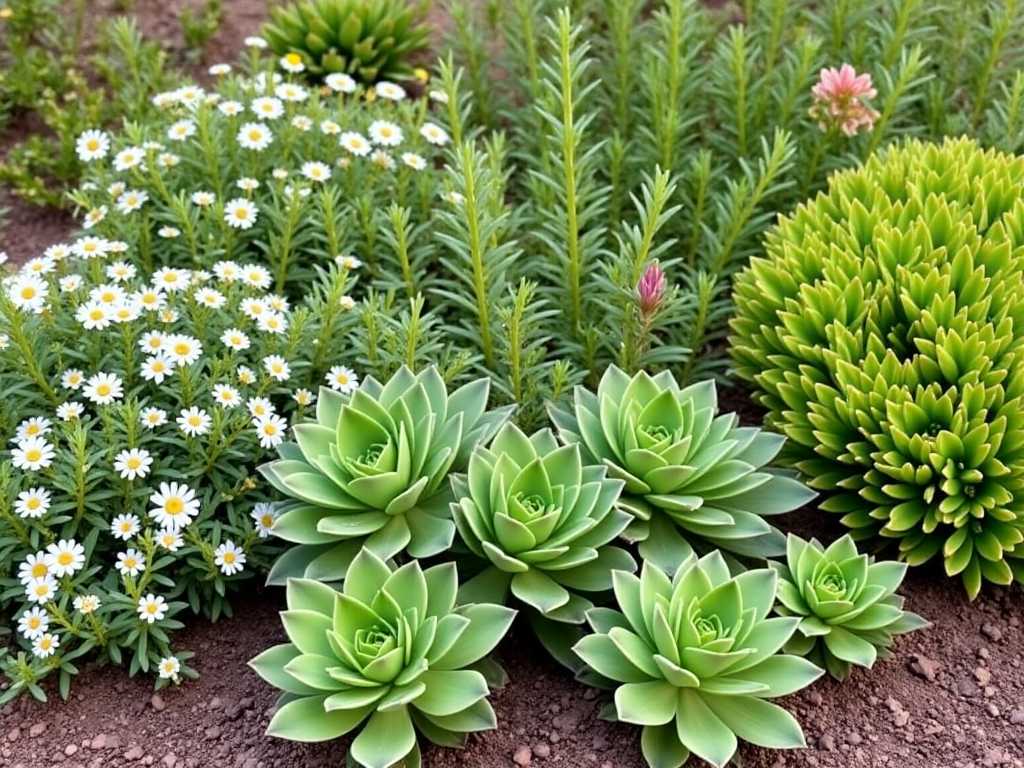
1. Russian Sage: The Effortless Tower This plant asked for nothing and gave back structure and a beautiful haze of color. Its silvery, aromatic foliage is its drought-defending armor. It’s arguably one of the best perennial drought-tolerant plants for hot borders. Plant it, water it deeply to establish, and then largely forget it. It thrives on neglect.
2. Sedum ‘Autumn Joy’: The Succulent’s Hardy Cousin A fantastic drought-resistant ground cover that also provides stunning fall interest. Its water-storing leaves make it as reliable as any succulent. It was the most forgiving of my watering mishaps. It’s perfect for hot, shallow soil where other plants struggle.
3. English Lavender: The Aromatic Survivor Lavender taught me the most about proper technique. It needs sharp drainage more than anything. My soil amendment was good, but my watering method wasn’t initially. It’s not a plant for damp climates or frequent overhead watering. Once established, it becomes incredibly resilient and rewards you with fragrance and pollinators.
Essential Tips to Avoid My Pitfalls
- Water Deeply, Not Frequently: Always check soil moisture a few inches down. A deep soak encourages roots to grow downward, seeking water.
- Keep Foliage Dry: Water at the base, especially in sunny climates, to prevent sunscald and disease.
- The First Season is Key: Even drought-tolerant plants need consistent moisture in their first growing season to build those extensive root systems. True drought tolerance comes in year two.
- Mulch Wisely: After my trial, I applied a thin layer of gravel mulch around the plants. This helps retain soil moisture, keeps roots cool, and prevents soil from splashing onto leaves (especially important for lavender).
Frequently Asked Questions
How often should I water new drought-tolerant plants? For the first 4-6 weeks, water deeply 1-2 times per week, depending on heat, to help roots establish. Then, gradually extend the time between waterings. The goal is to train the roots to be self-sufficient.
Can I grow these plants in pots? Absolutely, but container gardening increases their water needs. Use a terracotta or clay pot with excellent drainage holes and a gritty, cactus-style potting mix. You’ll need to water potted drought-tolerant plants more often than in-ground, but still far less than tropicals.
My lavender is getting woody and leggy. What did I do wrong? This is common and often due to lack of pruning. Prune lavender lightly after its first flush of flowers and give it a harder cut in early spring, but never cut into old, bare wood. This promotes bushier, healthier growth and prolongs the plant’s life.
Creating a water-wise garden is deeply rewarding. By looking beyond classic succulents to include structural perennials like Russian Sage, reliable sedums, and aromatic lavender, you build a garden that is not only resilient but also teeming with life, texture, and fragrance. It’s about working with nature’s adaptations. Start with well-draining soil, be patient during establishment, and you’ll be amazed at how these tough plants thrive with just a little thoughtful care.