bluename
 How to Care for Echeveria 'Perle von Nürnberg': A Two-Week Journey from Struggle to Success
I almost killed my first Echeveria 'Perle von Nürnberg'. It arrived as a stunning, powdery-purple rosette, and within weeks, it was stretched, discolored, and dropping leaves. I was heartbroken. This experience is why I'm writing this guide. If you've ever wondered how to care for Echeveria 'Perle von Nürnberg' properly, you're not alone. Its ethereal beauty is matched by a specific set of needs. Through trial, error, and careful observation, I've learned what makes this succulent thrive. Let me walk you through my exact two-week rescue and care plan that transformed my struggling plant.
Understanding the 'Perle von Nürnberg'
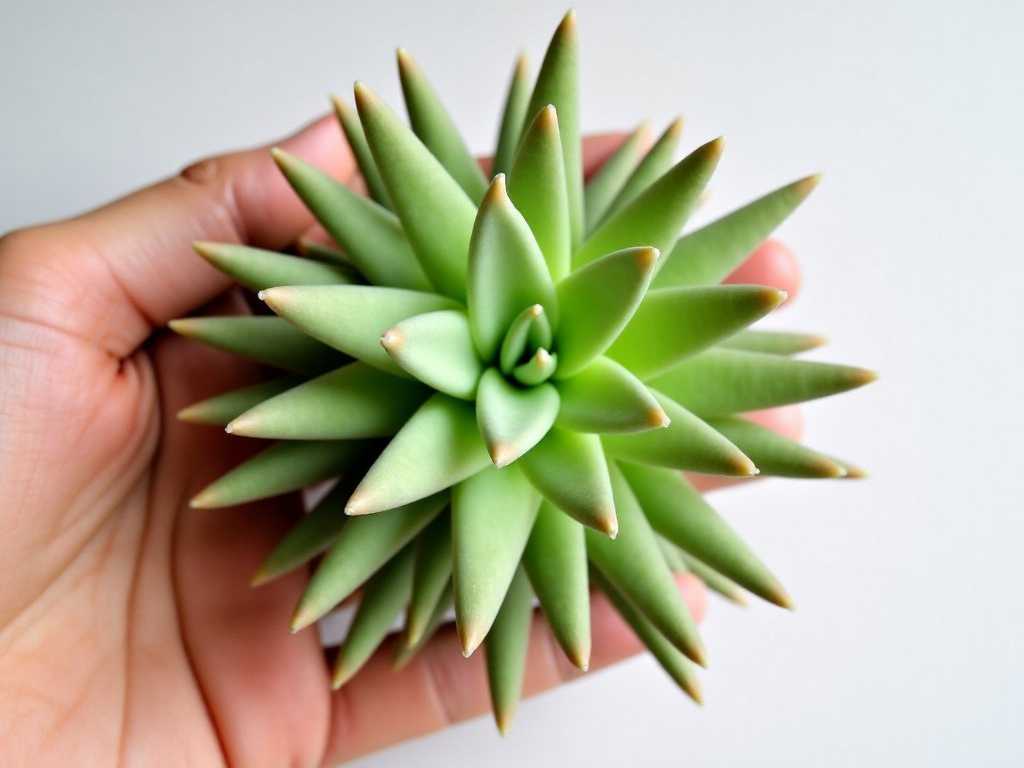
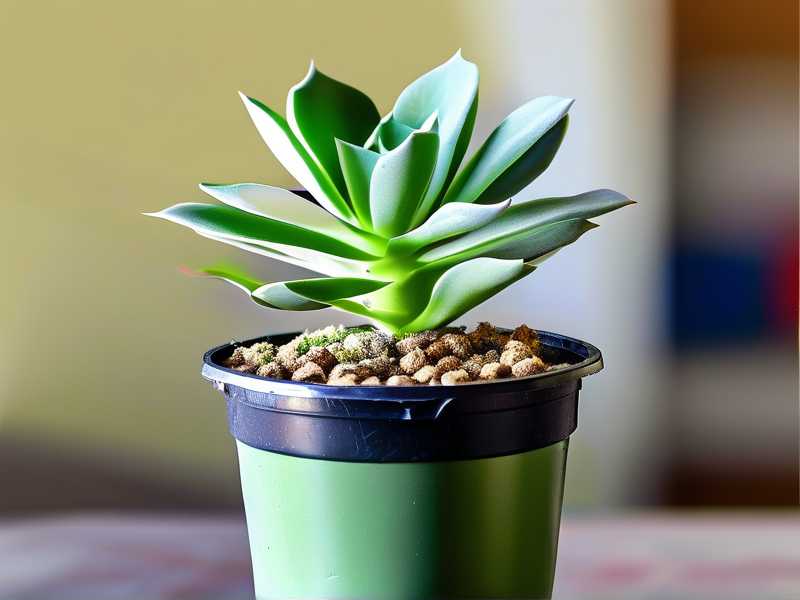
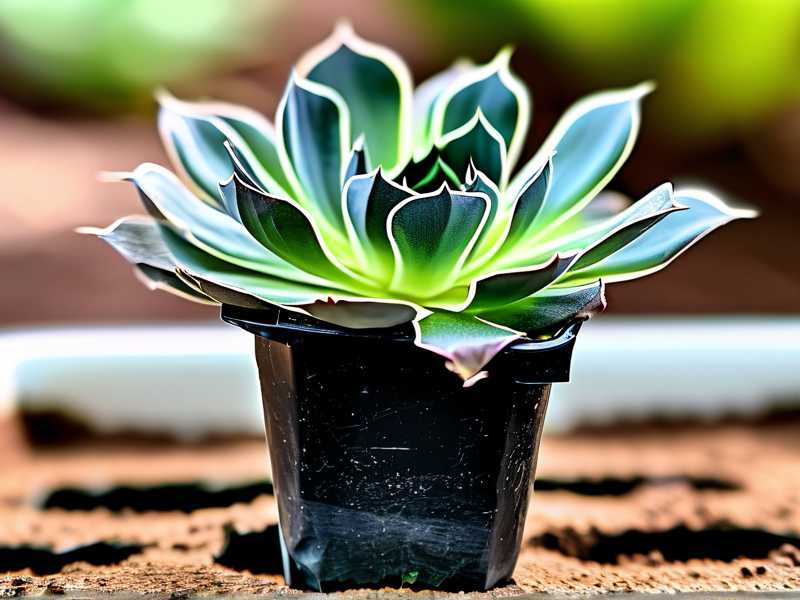
Before diving into care, it's crucial to know what you're working with. The Echeveria 'Perle von Nürnberg' is a beloved hybrid, renowned for its pastel lavender and pink hues, especially under optimal light. That dusty coating on its leaves, called farina, is a natural sunscreen. Touching it can cause permanent marks. According to the Royal Horticultural Society (RHS), Echeverias are primarily valued for their architectural form and require conditions that mimic their native, arid habitats. Ignoring these needs is where most problems begin.
My Two-Week Intensive Care Protocol
I committed to a strict, observant routine for two weeks to assess and correct my plant's health. Here is my day-by-day and week-by-week process.
Week 1: Assessment and Correction
Initial Diagnosis and Repotting
On Day 1, I gently removed the plant from its nursery pot. The issue was immediately clear: soggy, dense soil that retained far too much moisture. The roots were slightly mushy—early stage root rot. This is a common pitfall with Echeveria 'Perle von Nürnberg' care.
My fix was a complete repot. I used a terracotta pot, which is porous and helps soil dry evenly, about an inch wider than the root ball. The soil mix was critical. I combined 50% succulent & cactus mix with 50% perlite and coarse sand for extreme drainage. The American Horticultural Society's Plant Propagation guide emphasizes the necessity of sharp drainage for succulent health to prevent fungal issues. I carefully removed the wet soil, trimmed any blackened roots with sterile scissors, and let the plant air-dry for 24 hours before potting.
The Right Light and Water Reset
After repotting, I placed it in a spot with bright, indirect light for 48 hours to reduce transplant shock. Then, I moved it to its permanent home: a south-facing windowsill where it gets at least 6 hours of direct sunlight daily. I did not water it at all after repotting. The dry period allows any root injuries to callous over, preventing infection.
By Day 7, the lower, previously soggy leaves had firmed up slightly. The center of the rosette looked a bit tighter. No new growth yet, but the plant had stopped visibly declining—a positive first sign.
Week 2: Observation and Adjustment
Implementing the Soak-and-Dry Method
On Day 10, I performed the first watering. The "when" is more important than the "how often." I stuck a wooden skewer deep into the soil; it came out completely dry. I then thoroughly soaked the pot until water ran freely from the drainage holes, ensuring the entire root ball was hydrated. I immediately emptied the saucer underneath. This deep watering technique encourages strong root growth, a key tip for growing healthy Echeveria 'Perle von Nürnberg' plants.
Monitoring Color and Form
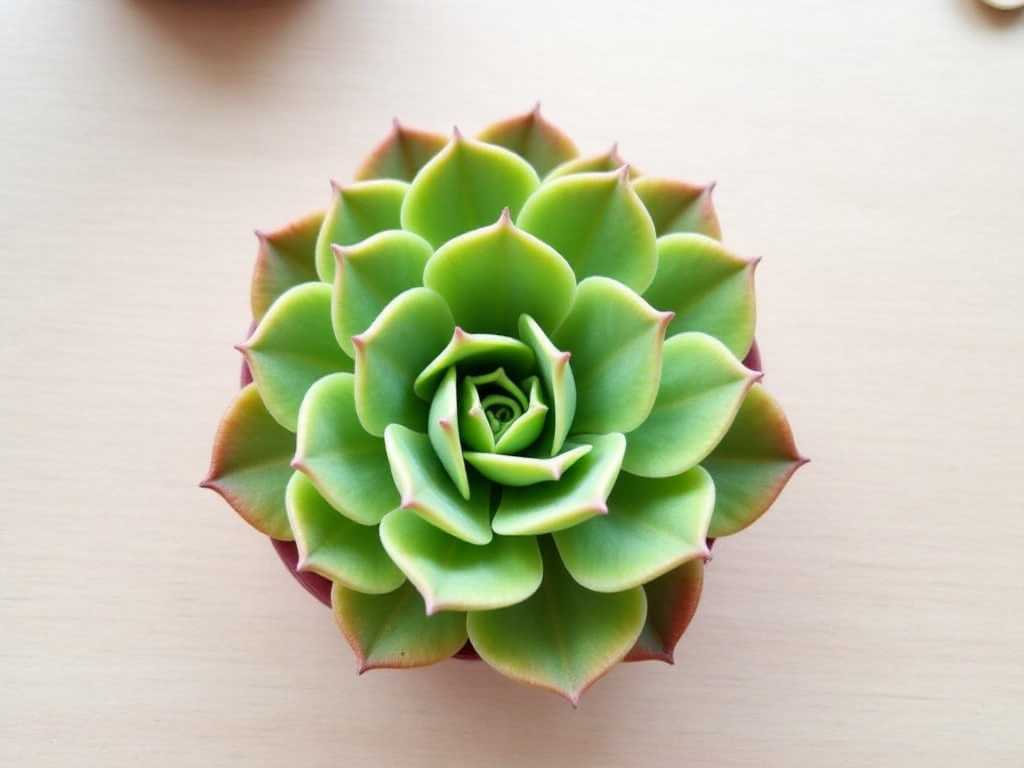
Over the next four days, I watched closely. The leaves plumped up noticeably, becoming firm to the touch. The most exciting change? The very tips of the leaves began to show a more intense pink blush, a direct response to the strong, direct light. The rosette was no longer stretching (etiolating) but holding a compact shape. This is how you maintain Echeveria 'Perle von Nürnberg' color and form effectively.
Common Pitfalls and My Solutions
My journey wasn't smooth. Here are the mistakes I made and how I solved them.
The Overwatering Trap
My biggest mistake was a fixed watering schedule. I watered every Sunday, regardless of the soil's moisture or the season. Succulents need water based on thirst, not the calendar. The solution was the skewer test and learning to feel the weight of the pot—a light pot means dry soil.
Insufficient Light Leads to Legginess
My plant initially sat on a north-facing shelf. It quickly became tall and green, losing its compact shape and purple color. This is etiolation. The fix was gradual acclimation to stronger light. I moved it to a brighter spot over a week to avoid sunburn, which can scar the delicate farina. Now, it gets its full sun bath daily.
Ignoring the Farina
I used to touch the leaves frequently, admiring their texture. This wore off the precious farina, leaving shiny, vulnerable patches. These patches are more prone to sunburn. I learned to handle the plant only by the pot or the lower, older leaves when necessary.
Sustaining Health Beyond the Two Weeks
After the intensive two-week period, the plant was on a stable path. Care shifts to a maintenance routine. I continue to water only when the soil is bone dry, which in my environment, translates to about every 10-14 days in summer and monthly in winter. I rotate the pot a quarter turn weekly for even growth. During the growing season (spring and fall), I use a diluted, balanced succulent fertilizer at half strength once a month.
Frequently Asked Questions
Why are the leaves of my 'Perle von Nürnberg' falling off? Leaf drop is almost always a sign of overwatering or poor drainage. The lower leaves may naturally dry and shed as the plant grows, but plump leaves falling is a red flag. Check your soil and roots immediately. Ensure your pot has a drainage hole and your soil is gritty enough.
How can I get my plant to turn purple again? The stunning lavender and pink colors are a stress response to bright light. If your plant is green and stretched, it needs more direct sunlight. Acclimate it slowly to a south or west-facing window. Avoid sudden moves to harsh sun, as it can scorch the leaves. With proper light, the color will return over several weeks.
Can I propagate the leaves that fell off? Absolutely! 'Perle von Nürnberg' propagates readily from leaves. Let the fallen leaf dry and callous over for 2-3 days. Then, place it on top of dry succulent soil. Mist the soil lightly every few days once tiny roots appear. Avoid burying the leaf. Patience is key; a new rosette can take several weeks to form.
Caring for Echeveria 'Perle von Nürnberg' is a rewarding practice in mindful plant parenting. It demands attention to detail—light, water, and soil—but the payoff is a spectacular, colorful rosette that feels like a living jewel. My two-week experiment taught me that success lies in emulating its natural, bright, and arid environment. Start by getting the fundamentals right, observe your plant closely, and adjust as needed. Your 'Perle von Nürnberg' will reward you with breathtaking beauty for years to come.