bluename
 My Journey to a Thriving Succulent & Drought-Tolerant Outdoor Garden: A 2-Week Transformation
I used to look at my sun-baked backyard with a sense of defeat. The soil was dry, the summer sun relentless, and my water bill was a constant source of anxiety. I dreamed of a lush, green retreat but couldn't justify the water usage. That's when I decided to fully commit to creating a succulent and drought-tolerant outdoor garden. This wasn't just about planting a few cacti; it was about designing a resilient, beautiful ecosystem that thrives on neglect. Over two intensive weeks, I transformed my space, learned invaluable lessons, and want to share every step, stumble, and success with you.
Why a Drought-Tolerant Garden Was My Only Sensible Choice
Living in an area with frequent water restrictions, my traditional gardening attempts felt irresponsible and futile. According to the Royal Horticultural Society (RHS), gardens designed with drought-resistant principles can reduce outdoor water use by up to 50%. That statistic resonated deeply. My goal was clear: build a garden that is not only stunning but also sustainable. I focused on two core long-tail keywords to guide my project: low water outdoor succulent landscape and designing a drought-proof garden bed.
Week 1: The Foundation – Planning and Planting
My first step was critical: site analysis. I spent a full day observing the sunlight patterns in my yard. Most succulents and Mediterranean herbs crave at least six hours of direct sun. I mapped out the full-sun zones versus the areas with afternoon shade.
Next came soil preparation, and here was my first major pitfall. I assumed my native, clay-heavy soil would be fine. I planted a beautiful Agave parryi and a cluster of Sedum 'Autumn Joy' directly into it. After a deep initial watering, the soil stayed soggy for days. I panicked, knowing "wet feet" is the fastest way to kill a succulent through root rot.
The Solution: I immediately unplanted them (gently!). I went back to the drawing board and created a raised garden bed. I followed the advice from the Australian Horticultural Society (AHSA), mixing a fast-draining medium: 60% coarse potting soil, 30% perlite or pumice, and 10% coarse sand. This mix ensures rapid drainage, mimicking the arid environments these plants love.
For my planting palette, I chose a variety of textures and forms:
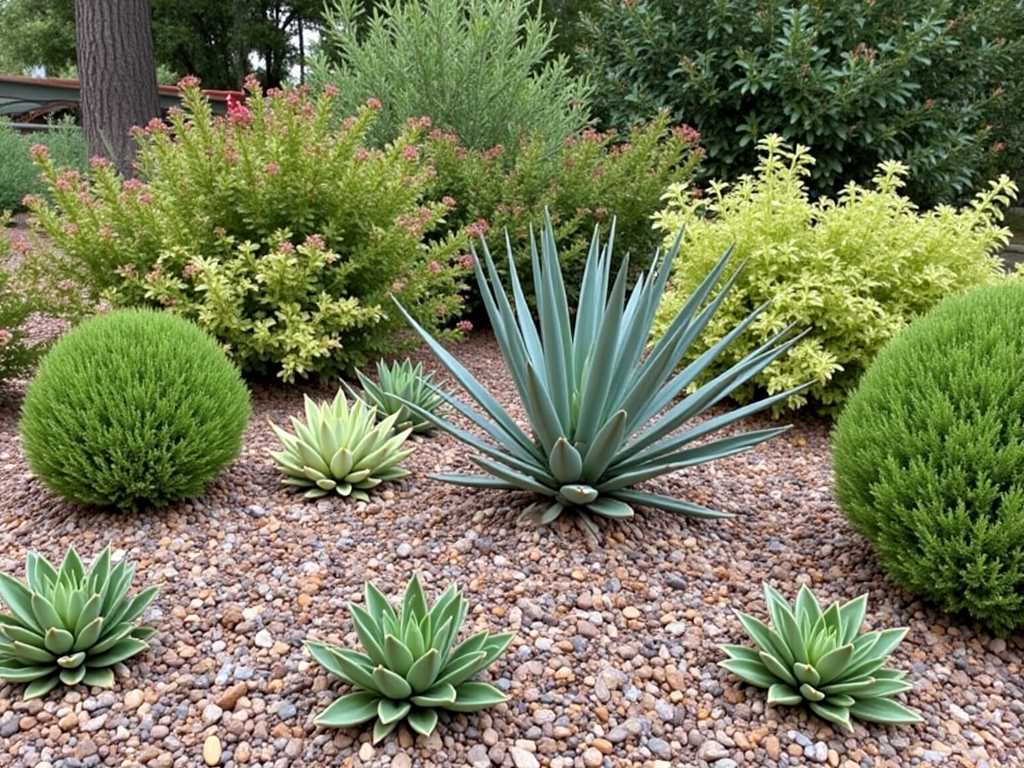
- Structural Elements: A blue Agave americana and a sculptural Yucca filamentosa.
- Ground Cover: Sedum spurium and sprawling Sempervivum (Hens and Chicks).
- Seasonal Interest: Echeveria 'Lola' for rosette beauty and Lavandula angustifolia (English Lavender) for fragrance and pollinator appeal.
- Accents: A trailing Senecio rowleyanus (String of Pearls) for a hanging pot.
I planted them, ensuring each had enough space for air circulation and future growth. The final step of Week 1 was a thorough, deep watering to help settle the roots into their new home.
Week 2: Observation, Adjustment, and the Art of Neglect
This was the monitoring phase. I resisted the overwhelming urge to water them every day. Instead, I adopted the "soak and dry" method. I would physically check the soil by sticking my finger two inches down. If it was completely dry, I would water deeply until it ran out of the drainage holes. Then, I would wait again.
The Second Pitfall: Pest intrusion. About five days in, I noticed tiny cottony masses on the stems of my Echeveria. Mealybugs! They had found my stressed (from transplant) plants. A common issue in dry climate garden design is assuming pests aren't a problem.
The Solution: I didn't reach for harsh chemicals. I used a cotton swab dipped in 70% isopropyl alcohol and dabbed each insect directly. For broader treatment, I mixed a mild insecticidal soap spray and applied it in the cooler evening hours to prevent sunburn on the leaves. I repeated this every three days for a week, and the infestation was controlled.
By the end of Week 2, the true magic began. The plants weren't just surviving; they were acclimating. The Sedum ground cover looked plumper. The Lavender perked up, and the Agave stood firm and proud. There was no dramatic, leggy growth—just steady, compact, and healthy development. The garden had started to establish itself.
Key Design Principles for a Cohesive Look
A water-wise succulent garden can look haphazard if not designed thoughtfully. I employed a few key principles:
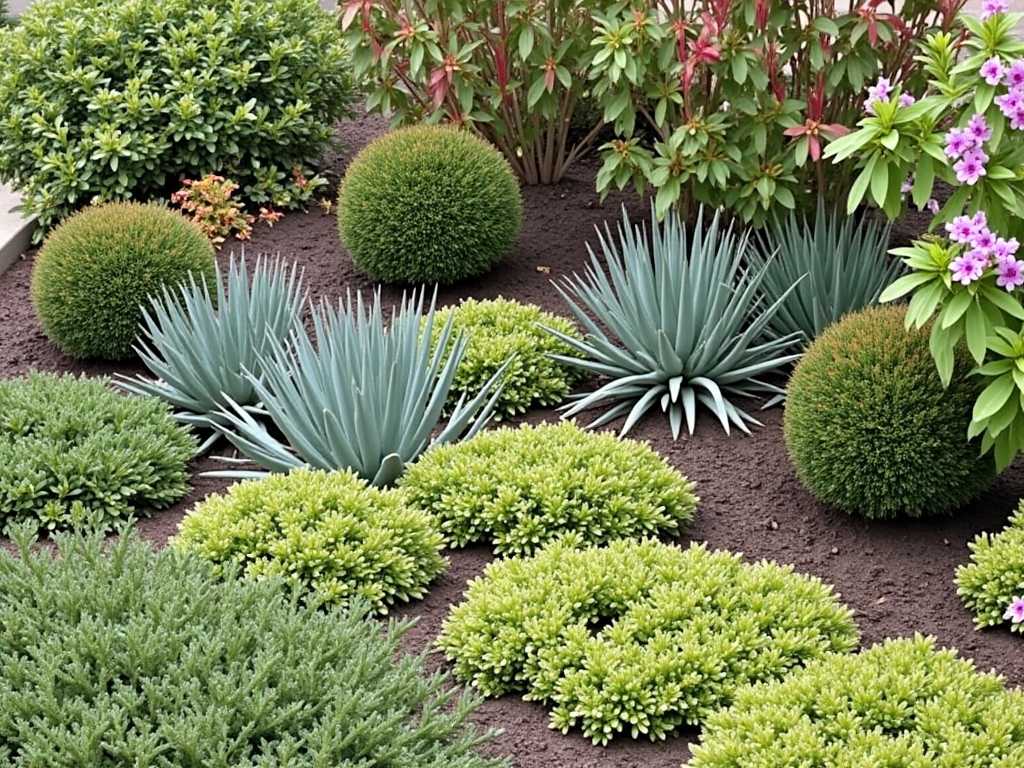
- Repetition: I repeated clusters of Sempervivum in different parts of the bed to create rhythm.
- Contrast: I placed the spiky Yucca next to the soft, rounded forms of Echeveria.
- Color Palette: I stuck to silvers, blues, purples, and greens, with the occasional rust-colored Sedum for a warm accent.
Adding a layer of decorative, light-colored gravel or crushed granite as top dressing was a game-changer. It conserved soil moisture, prevented weeds, kept the leaves dry (preventing rot), and gave the outdoor succulent landscape a polished, professional finish.
Frequently Asked Questions
How often do I really need to water my new drought-tolerant garden? For the first month, water once a week if there's no rain, allowing the soil to dry completely between waterings. Once established (after 3-6 months), most plants will only need supplemental water during extended periods of extreme heat or drought. Your plants will tell you—wrinkled leaves often signal thirst.
Can I include non-succulent plants in this type of garden? Absolutely. The concept is drought-tolerance, not just succulents. Many Mediterranean herbs like rosemary, thyme, and sage are perfect companions. Ornamental grasses like Festuca glauca add wonderful movement. This creates a more dynamic and biodiverse drought-resistant yard design.
What's the biggest mistake beginners make? Overwatering and poor drainage. It's counterintuitive, but these plants die more often from kindness (too much water) than neglect. Invest time in creating the right soil mix and always use pots with drainage holes. It's the single most important factor for success.
Creating this succulent and drought-tolerant outdoor garden has been profoundly rewarding. It’s a living lesson in resilience and low-impact beauty. It requires an initial investment of effort—especially in planning and soil preparation—but the payoff is a self-sufficient landscape that saves water, time, and money. My garden now stands as a tranquil, textured oasis that welcomes me every day, asking for little but giving so much in return. Start small, learn from the process, and watch your own patch of drought-proof paradise come to life.