bluename
 The Ultimate Guide to Creating Thriving Succulent Terrariums with Air Plants
I love bringing a piece of the outdoors inside, but as a busy plant enthusiast, I often struggled with setups that demanded constant attention. That’s when I discovered the magic of combining succulent terrariums with air plants. This fusion promised low-maintenance beauty, merging the sculptural forms of succulents with the ethereal, soil-free elegance of tillandsias. But my initial excitement was quickly tempered by failed attempts—mushy succulents and rotting air plants. I was determined to crack the code. After extensive research and a hands-on, two-week experiment, I’ve perfected a system that works. Let me walk you through my real-world process, the results I observed, and the crucial lessons I learned the hard way.
Why This Combination is a Game-Changer (And Why It Often Fails)
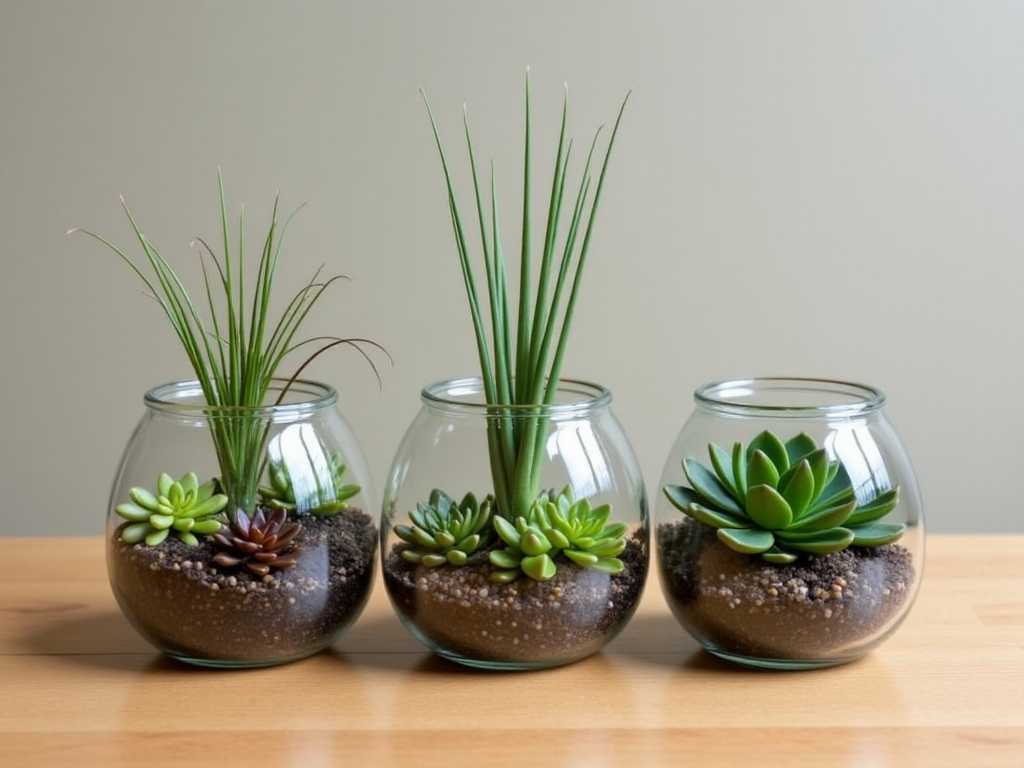
The idea is compelling: a self-contained landscape. Succulents offer structure and color, while air plants add whimsical height and texture without needing soil. According to the Royal Horticultural Society (RHS), the key appeal of terrariums is creating a controlled microclimate. However, they caution that combining plants with divergent needs is the most common pitfall. This is the central challenge. Succulents (like echeverias and haworthias) crave arid conditions, excellent drainage, and infrequent watering. Air plants (tillandsias) need high humidity, brilliant air circulation, and regular soaking or misting. Marrying them in a sealed or poorly ventilated jar is a recipe for disaster. My goal was to create an open-terrarium environment that balanced these needs through strategic design.
My Step-by-Step Process for a Harmonious Terrarium
I decided to document building a new open glass bowl terrarium from scratch, monitoring it closely for two weeks. Here’s exactly what I did.
Selecting the Right Container and Plants I chose a wide, shallow bowl with a large opening—no lids. Drainage holes would be ideal, but since my glass bowl lacked them, I knew drainage layers would be critical. For succulents, I picked a small, slow-growing Haworthia attenuata (Zebra Plant) and a Sedum clavatum. Their compact size and lower water needs made them ideal candidates. For my air plant companion, I selected a Tillandsia ionantha. Its small size and silvery leaves indicate good drought tolerance, making it a better match for succulents than greener, thirstier varieties. The American Horticultural Society (AHS) emphasizes matching plants by their native habitat; I was aiming for a "dry air" synergy.
Building the Foundation: Drainage is Everything This is where I’ve failed before. Skipping this step drowns roots.
- Layer 1: I added a 1.5-inch layer of small, clean aquarium pebbles to the bottom for a water reservoir.
- Layer 2: A thin mesh screen cut to size went over the pebbles to prevent soil from sifting down.
- Layer 3: A generous layer of horticultural charcoal followed. This is non-negotiable. It filters water, prevents bacterial growth, and absorbs odors—a vital tip for a healthy succulent and air plant display.
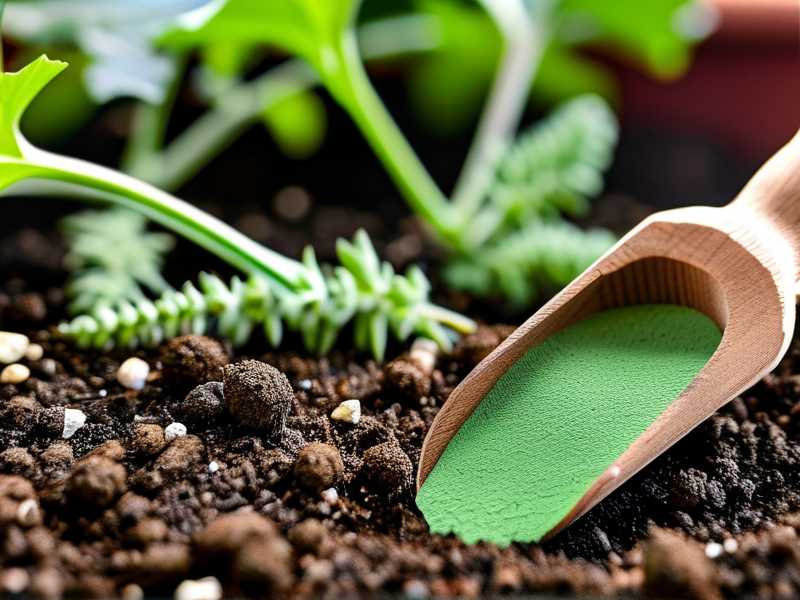
- Layer 4: Finally, I used a very well-draining cactus and succulent mix, amended with extra perlite (about a 2:1 ratio). I mounded the soil to create visual interest.
Planting and Arranging with Care I gently planted the succulents, ensuring their root balls were slightly above the soil line to prevent stem rot. I did not plant the air plant. Instead, I found a beautiful, twisted piece of driftwood, secured it into the soil, and used a dot of waterproof, non-toxic glue (specifically for plants) to attach the Tillandsia ionantha to the wood. This keeps its base completely exposed to air, mimicking its natural epiphytic growth. The arrangement created a beautiful miniature desert landscape with tillandsia.
The Initial Watering and Placement I gave the succulent soil a light, targeted watering at their base using a syringe, just enough to dampen the roots. I then took the entire air plant off its mount (a crucial step!) and gave it its separate 30-minute soak in room-temperature water. After soaking, I shook it vigorously upside-down—this is vital—and let it dry completely in bright, indirect light for over 4 hours before re-gluing it to the wood. I placed the finished terrarium in a spot with very bright, indirect light (an east-facing windowsill). No direct, hot afternoon sun, which could cook the plants inside the glass.
The Two-Week Observation: Triumphs and Adjustments
Days 1-3: Everything looked pristine. The terrarium was the centerpiece of my room. The air plant, plump from its soak, had a vibrant green and purple hue.
Days 4-7: The first test. I noticed the succulent soil was still slightly damp at the deeper layers. I held off on any water. The air plant began to look a bit less plump. Following my care schedule, on Day 7, I removed the air plant for its weekly soak. I did not water the succulents.
Days 8-10: Here was my "aha" moment. The tips of the Sedum started to look ever-so-slightly wrinkled. The soil was now completely dry. The air plant, back in place after its soak, looked happy. I realized the terrarium’s glass walls were trapping just enough humidity to slow the soil drying, but not enough for the air plant alone. This microclimate was actually working, but I needed to adjust my watering intuition.
Days 11-14: On Day 11, I gave the succulents a very modest drink with the syringe, avoiding the leaves. Within 48 hours, the Sedum plumped right back up. The Haworthia remained firm and healthy. The air plant continued its weekly soak routine separately. By Day 14, the system felt stable. No mold, no rot, just healthy, adapting plants.
The Pitfalls I Encountered and How I Solved Them
Pitfall 1: The "One-Size-Fits-All" Watering Approach. My first-ever combined terrarium died because I misted the whole arrangement. This kept the succulent leaves wet and the air plant base constantly moist, leading to rot.
- Solution: Decoupled watering. Succulents get water at the soil level only when completely dry. Air plants get removed for their dedicated soak-and-dry cycle. Never mist them together inside the vessel.
Pitfall 2: Ignoring Air Circulation. I once used a vessel with a narrower opening. Stagnant air promoted fungal growth on the soil.
- Solution: Always use an open container. The bowl’s wide mouth allows for essential air exchange, preventing the buildup of excess humidity that harms succulents and encourages air plant rot.
Pitfall 3: Poor Light Judgment. Glass can magnify light and heat.
- Solution: Bright, indirect light is king. Direct sun through glass creates an oven effect. My east-facing sill provided ample light without the scorching intensity. I rotated the bowl slightly every few days for even growth.
Sustaining Your Living Artwork: Long-Term Care Rhythm
After the two-week adjustment period, a rhythm emerges. Your low-maintenance succulent terrarium needs a caretaker’s rhythm. Water succulents only every 3-4 weeks, or when leaves show slight wrinkles. Soak your air plant weekly for 30 minutes, with a thorough dry. Gently remove any dead leaves from the soil surface. Every few months, during the air plant’s soak, use a soft brush to dust the succulents and the terrarium interior. This simple routine keeps the ecosystem healthy for the long haul.
Frequently Asked Questions
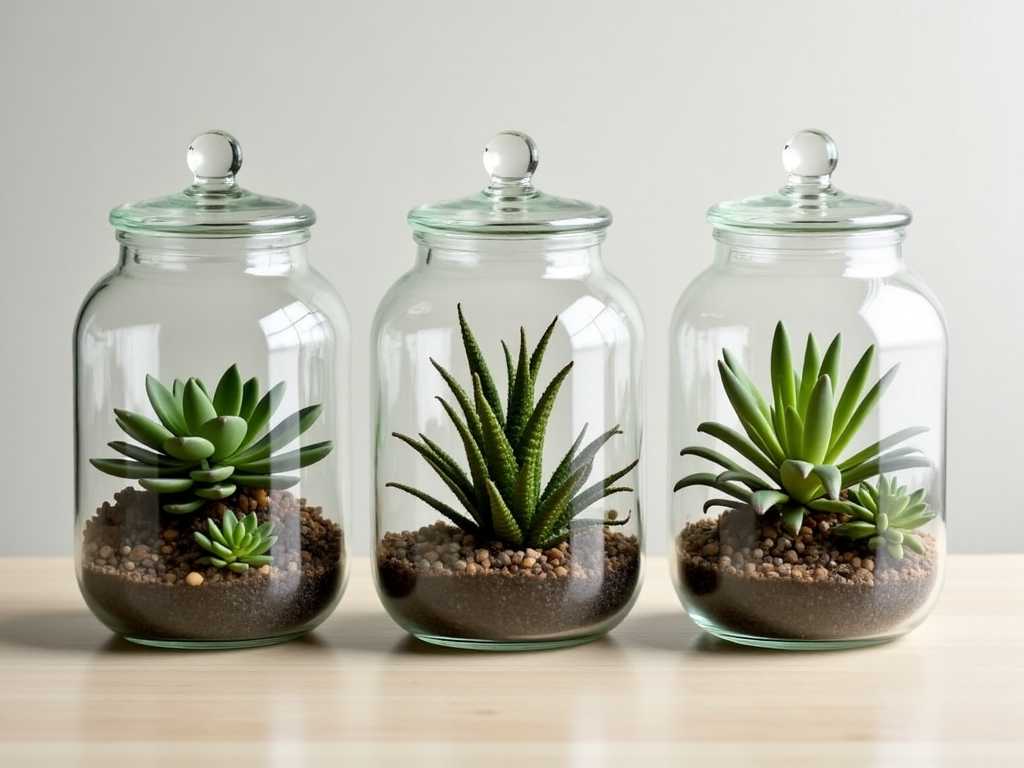
Can I use a closed terrarium for succulents and air plants? Absolutely not. This is the most critical point. Both plants will almost certainly rot in the stagnant, hyper-humid environment of a closed jar. An open vessel is mandatory for this combination.
How do I know if my air plant is getting enough water? A healthy, hydrated air plant has leaves that feel firm and may show brighter colors. If the leaves are consistently curled tightly inward or feel brittle, it needs more frequent soaks. If the base feels mushy or the leaves fall out easily, it has been overwatered or not dried properly.
What are the best air plants for terrariums with succulents? Stick with xeric types that hail from drier climates. Tillandsia ionantha, T. caput-medusae, and T. tectorum (with its fuzzy white trichomes) are excellent choices. They are more tolerant of the lower-humidity environment that succulents prefer compared to greener, rainforest-dwelling varieties.
Creating a thriving succulent terrarium with air plants is less about having a green thumb and more about understanding and respecting the individual needs of each plant. It requires a shift from seeing the terrarium as a single entity to nurturing it as a curated community. By providing sharp drainage, brilliant indirect light, and—most importantly—separate watering regimens, you can enjoy the stunning, sculptural beauty of both worlds in one cohesive display. The joy comes from watching these resilient plants adapt and thrive under your informed care.