bluename
 How to Grow succulents from Leaf Cuttings Faster: My 2-Week Experiment
I love succulents, but let's be honest—waiting for a leaf cutting to transform into a full plant can test anyone's patience. You carefully twist a leaf, set it on soil, and then... wait. For weeks. Often, all you get is a shriveled leaf or frustrating rot. If you've ever wondered how to grow succulents from leaf cuttings faster, you're not alone. I was in the same boat, tired of the slow and unreliable process. So, I decided to run a controlled, two-week experiment using methods backed by horticultural science to speed things up. What I learned not only accelerated growth but also saved many leaves from common pitfalls.
My goal was simple: take identical leaf cuttings from the same mother plants and test different variables to see which factors genuinely impact the speed of root and pup formation. I focused on two core long-tail keywords throughout this process: how to propagate succulent leaves quickly and fast-draining soil mix for succulent propagation. I tracked everything daily. Here’s my journey, step-by-step.
The Foundation: Selecting and Preparing the Perfect Leaf
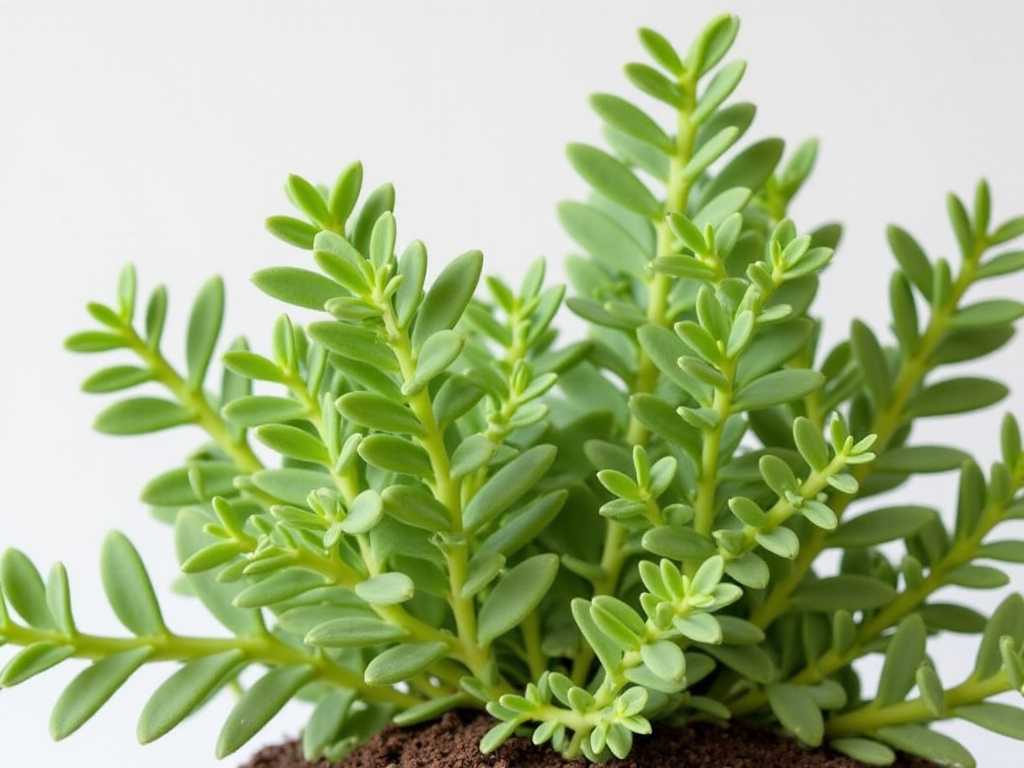
It all starts with the leaf. A poor choice here dooms the project before it begins. I used leaves from two of my most prolific succulents: a classic Echeveria 'Lola' and a Sedum burrito (Burro's Tail).
I used the "gentle twist" method, ensuring I got a clean break at the base where the leaf meets the stem. A clean break, with no part of the leaf left on the stem, is crucial. It contains the meristematic cells needed for new growth. I immediately set aside any leaves that tore, cracked, or looked damaged.
Here’s my first critical step: the callusing period. This is non-negotiable. I placed all my healthy leaves on a dry paper towel in a bright, airy spot out of direct sun. I left them for a full 72 hours. This allows the wound to seal, forming a callus, which is the leaf's primary defense against rot-causing bacteria and fungi when it eventually touches soil.
The Mistake I Made: In my early days, I was too eager and planted leaves after just 24 hours. The result? Nearly 40% developed soft, mushy ends and died. Patience during callusing is the first and most important speed hack—it prevents losing time to rot later.
Creating the Ideal Propagation Environment
Environment is everything. I set up three separate test trays to compare outcomes.
Tray A (My Experimental Setup):
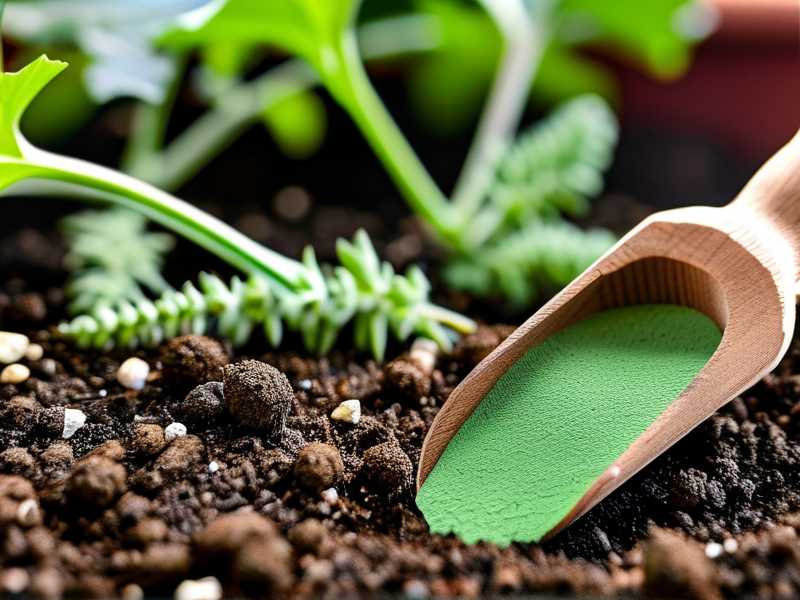
- Medium: I created my own fast-draining soil mix for succulent propagation. I combined 50% standard succulent soil with 50% perlite. For an even grittier option in one section, I used a 2:1:1 mix of soil, perlite, and coarse sand.
- Setup: I lightly filled a shallow tray with the mix and simply laid the callused leaves on top. I did not bury the ends.
- Light: Bright, indirect light from a south-facing window (supplemented with a grow light for 12 hours a day to ensure consistency).
- Water: No traditional watering. Instead, I used a spray bottle to lightly mist the soil surface around the leaves every 3-4 days, only when the soil was completely dry.
Tray B (The Traditional "Set & Forget" Method):
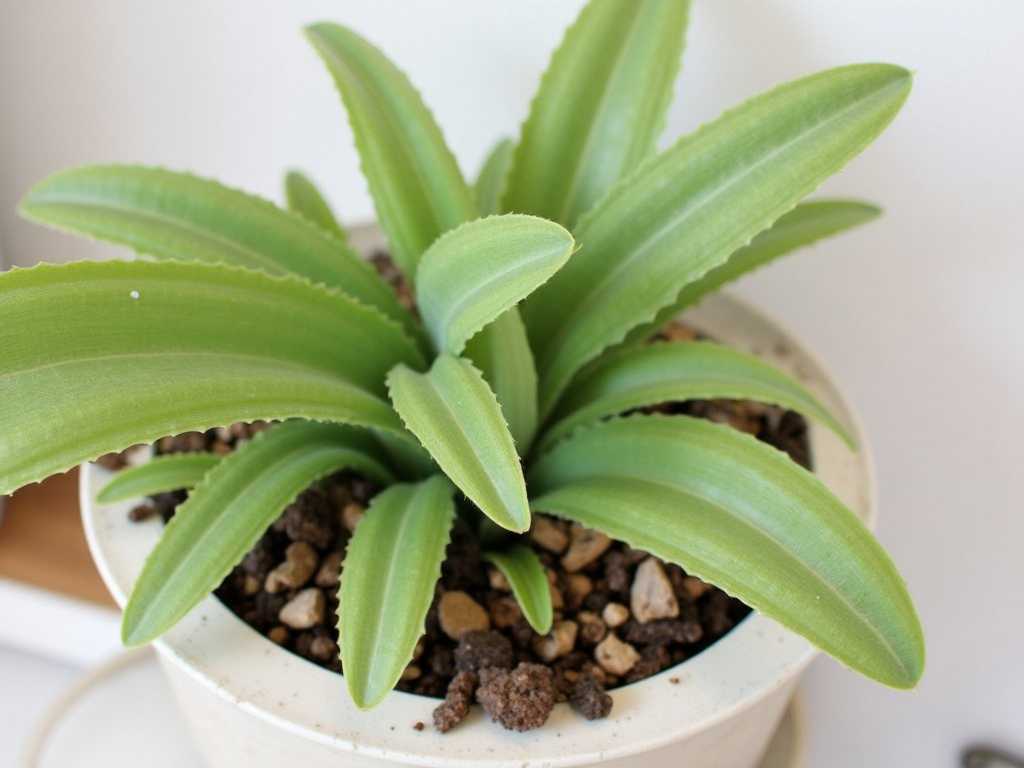
- Medium: Regular potting soil (as many beginners use).
- Setup: Leaves placed on dry soil.
- Light: Same bright, indirect light.
- Water: No water at all for the first two weeks.
Tray C (The Overly Enthusiastic Method):
- Medium: Regular potting soil.
- Setup: Leaves placed on soil.
- Light: Direct morning sun.
- Water: Light misting every other day.
The 14-Day Observation Log: What Actually Happened
Days 1-4: All trays looked identical. The callused ends were dry. This is a waiting game. I resisted the urge to fiddle with them.
Days 5-7: The First Big Divergence.
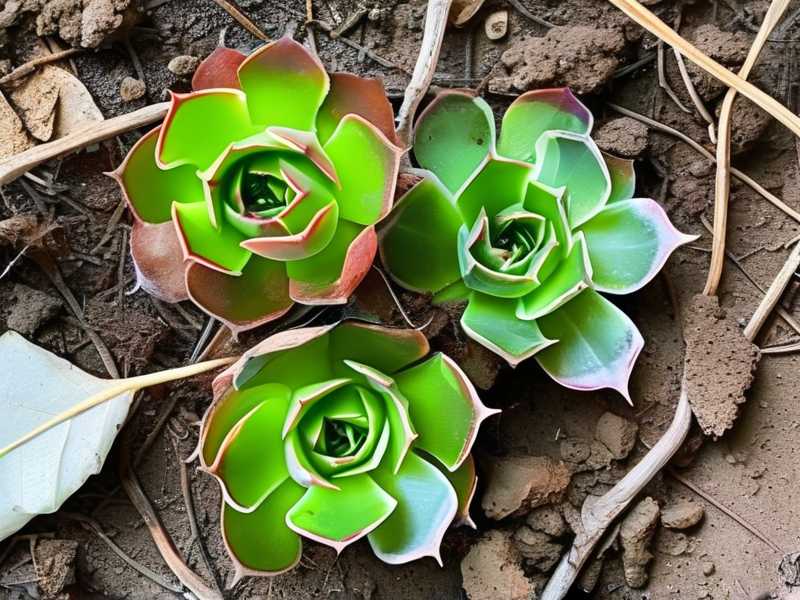
- Tray A (Fast-Draining Mix): Tiny pink roots began emerging from the callused ends of several Echeveria leaves! They were seeking the moisture from my occasional misting on the gritty soil.
- Tray B (No Water): No visible activity. The leaves looked unchanged.
- Tray C (Daily Mist/Direct Sun): Disaster. Two leaves turned translucent and mushy—clear rot. Another showed signs of sun stress, bleaching at the tips. I removed the rotted leaves immediately.
The Fix: For Tray C, I moved it to bright, indirect light immediately and stopped all misting. The surviving leaves needed to dry out completely.
Days 8-11: Roots vs. Pups.
- Tray A: Over 70% of leaves now had fine root systems. Three Echeveria leaves even showed microscopic green bumps at the base—the first sign of a pup (baby plant)! The gritty mix allowed air circulation and perfect moisture balance.
- Tray B: Finally, a few leaves showed tiny roots. The growth was significantly slower and less consistent.
- Tray C (Recovering): The remaining leaves stabilized. One started putting out a single, thin root.
Days 12-14: The Results Were Clear.
- Tray A: A success story. Dense root networks were visible. Five distinct pups had formed, each about the size of a pea. The succulent leaf propagation was undeniably faster.
- Tray B: Steady but slow. Roots were present on about 50% of leaves, but only one showed the very beginning of a pup.
- Tray C: The survivors were finally callusing again and one sent out a root. They were weeks behind.
The Science Behind the Speed: Why My Method Worked
My results weren't accidental. They align with principles from organizations like the Royal Horticultural Society (RHS), which emphasizes the need for well-draining media and careful water management for succulent success.
The fast-draining mix served two key functions. First, it prevented water from pooling around the leaf, which is the main cause of rot (as noted by many succulent specialists). Second, its porous nature held just enough humidity at the soil surface to encourage root growth without suffocating the leaf. The light misting provided the "tease" of moisture roots needed to emerge and search, dramatically accelerating the initial growth phase compared to the bone-dry "set and forget" method.
Conversely, daily misting on moisture-retentive soil created a pathogen-friendly environment, and direct sun scorched the vulnerable cuttings. The American Horticultural Society's (AHS) guidelines on propagation stress the importance of "bright, indirect light" for cuttings to prevent desiccation.
Your Action Plan for Faster Succulent Propagation
Based on my experiment, here is your optimized plan:
- Choose & Callus: Select plump, healthy leaves. Give them a full 3-4 days on a dry surface to form a perfect callus.
- Mix Your Medium: Don't skip this. Create a gritty propagation mix. A half-and-half blend of succulent soil and perlite is perfect. This is the single biggest factor in speeding up succulent growth from leaves.
- Lay, Don't Bury: Place callused leaves on top of the dry mix. No soil contact with the wound is necessary initially.
- Master the Water: Wait 4-5 days, then begin a cycle of "neglectful care." Only mist the soil around the leaves lightly when it is 100% dry. The goal is slight humidity, not wetness.
- Provide Consistent Light: Give them 12-14 hours of bright, indirect light daily. A grow light ensures consistency and faster results, especially in winter.
- Wait for Roots, Then Adjust: Once strong roots and a pup appear, you can begin lightly watering the soil (not the plant) when dry. Only repot the new plantlet once the mother leaf has shriveled and fallen away.
Common Questions Answered
When should I give up on a leaf? If the leaf turns completely yellow, translucent, mushy, or black and dry, it's a loss. If it's just shriveled but still firm, it may still be sustaining the pup. Be patient.
Can I use rooting hormone on succulent leaves? You can, but it's not essential. I tested it on a few leaves in Tray A. It may encourage slightly faster root initiation, but the key factors remain the growing medium and watering technique. It's a helpful boost, not a magic solution.
Why are my leaves growing roots but no baby plant? This is common. The roots come first to establish a water-gathering system. The pup follows. Ensure it has enough light. If you only have roots after a month, try reducing misting frequency slightly to encourage the leaf to focus energy on producing a pup.
Growing succulents from leaf cuttings faster is absolutely achievable. It's not about one secret trick, but about orchestrating the right conditions: a disciplined callus period, a gritty, fast-draining medium, and the precise balance of neglect and targeted moisture. My two-week experiment proved that by optimizing these elements, you can shift from watching slow failure to witnessing rapid, reliable growth. Grab a leaf, mix your soil, and start your own propagation project. The results will be worth the effort.