bluename
 How to Care for Pothos (Low-Maintenance Like succulents)
You want that lush, trailing greenery but worry you don't have a green thumb. You’ve heard pothos care is easy, maybe even as forgiving as your succulents, but yours just isn’t thriving. I get it. I’ve been there—staring at yellowing leaves, wondering what I did wrong. After years of trial and error with dozens of plants, I’ve perfected a simple, foolproof system for low-maintenance pothos care that truly rivals the hands-off nature of succulents. Let me walk you through my exact process, including the mistakes I made so you don't have to.
My Two-Week Pothos Revival Plan
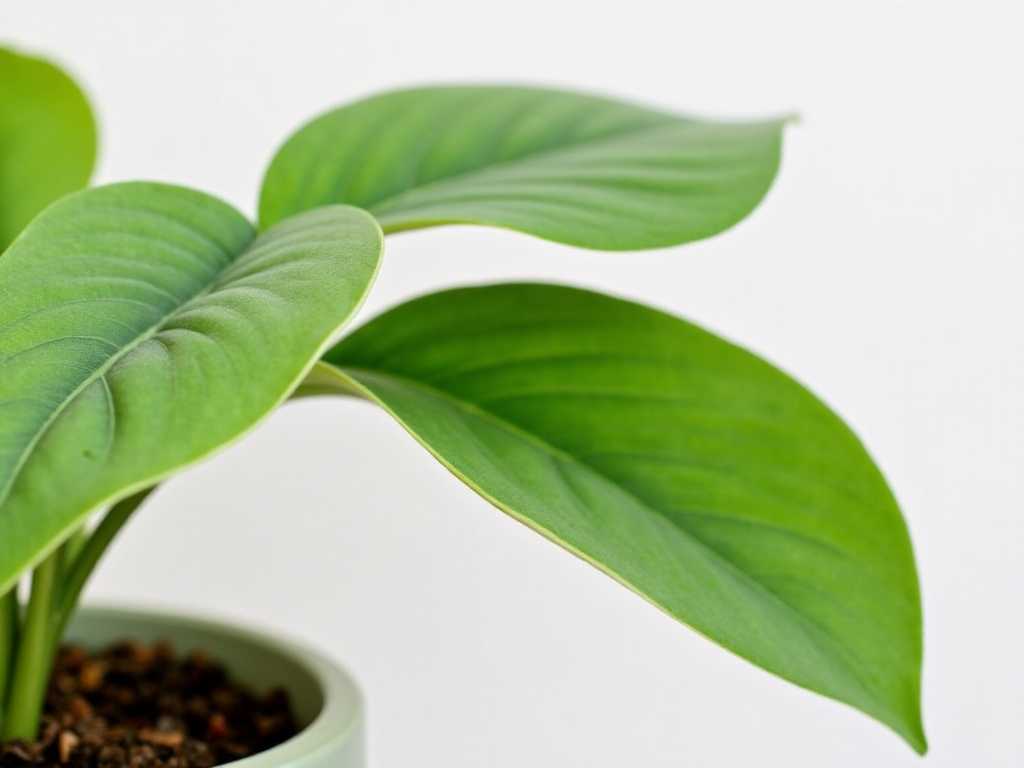
I decided to put my methods to the test with a struggling Golden Pothos I named “Vince.” He was leggy, had a few yellow leaves, and just looked sad. Here’s my step-by-step rescue mission.
Week 1: Assessment & The Reset
First, I gave Vince a thorough check-up. I examined the leaves for pests and checked the roots. The soil was bone dry on top but still damp at the very bottom—a classic sign of inconsistent watering. The pot had no drainage hole, which is a huge no-no.
My immediate action plan was simple:
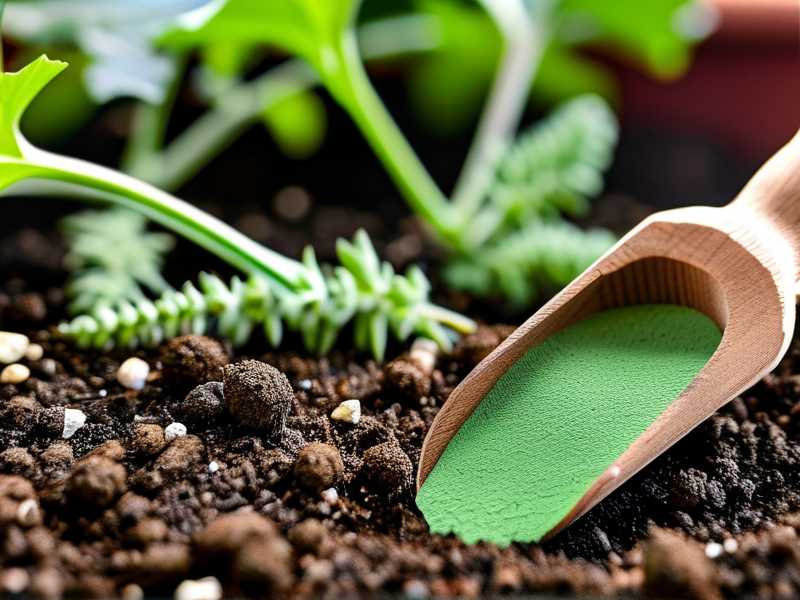
- The Right Pot & Soil: I repotted Vince into a container with a generous drainage hole. For the soil, I mixed two parts standard potting mix with one part perlite. This creates the fast-draining, airy environment pothos roots crave, similar to the gritty mixes used for succulents. Good drainage is the absolute cornerstone of easy pothos plant care.
- The Strategic Trim: I used clean scissors to snip off all yellowing or damaged leaves. I also took a few of the longest, baldest vines and cut them back to just above a leaf node (the little bump on the stem). This might seem scary, but it forces the plant to push out new, bushier growth from the base.
- The Initial Watering: After repotting, I gave Vince a thorough, deep watering until water flowed freely from the drainage hole. I then placed him in a spot with bright, indirect light—about 6 feet back from a large east-facing window.
The First Week’s Observation: By day 3, the plant just looked… stable. The remaining leaves perked up. No new yellowing appeared. This was a win. The old, soggy soil was the likely culprit.
Week 2: Establishing the Rhythm
The key to low-light pothos maintenance (and really all pothos care) is neglectful attention. You check in, but you don’t fuss.
- The Watering Test: Instead of watering on a schedule, I adopted the “finger test.” Every 3 days, I stuck my finger about 2 inches into the soil. If it felt dry, I watered. If it still felt cool or slightly damp, I walked away. In Vince’s new well-draining pot, the soil dried out appropriately.
- Light & Rotation: I made sure his leaves weren’t touching the window (to avoid cold damage) and rotated the pot a quarter turn every few days to ensure even growth.
- The First Feeding: At the start of week two, I gave him a very diluted dose of balanced liquid fertilizer (half the strength recommended on the bottle). Pothos are not heavy feeders, especially in lower light.
The Two-Week Result: By day 14, the transformation was clear. Vince wasn’t just surviving; he was putting out new growth. Tiny pointed buds emerged from the leaf nodes I had pruned near the soil, and a fresh, bright green leaf began unfurling from the end of one vine. The plant looked fuller, greener, and decidedly happier.
The Pitfalls I’ve Fallen Into (And How to Fix Them)
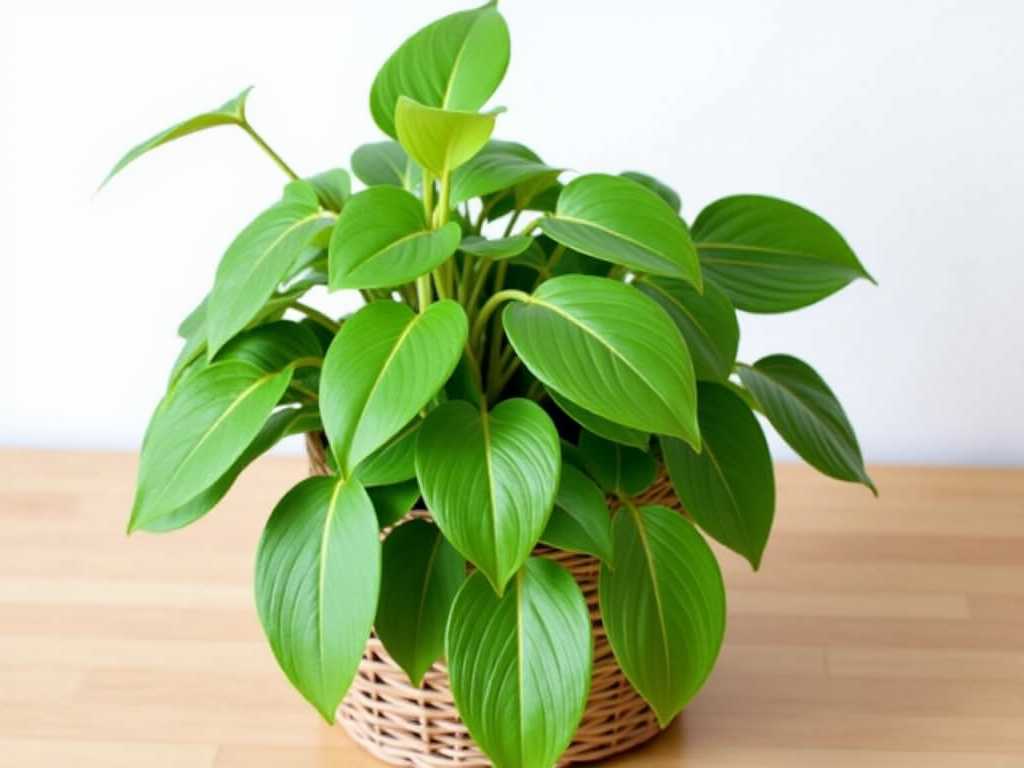
My journey wasn’t always smooth. Here are the big mistakes I made so you can avoid them.
Pitfall 1: The Death by Love (Overwatering) This is the #1 killer. I used to water my first pothos every Sunday, like clockwork. This led to root rot. The leaves turned yellow and fell off in masses.
- The Solution: The finger test is your best friend. Let the top few inches of soil dry out completely between waterings. A pot with drainage is non-negotiable. When in doubt, wait it out. A pothos will forgive underwatering far better than overwatering.
Pitfall 2: The Sunburn Surprise I thought “bright light” meant direct sun. I placed a beautiful Marble Queen Pothos on a south-facing windowsill. Within days, the gorgeous white variegation started turning brown and crispy.
- The Solution: Pothos thrive in bright, indirect light. Direct afternoon sun will scorch the leaves. They are incredibly adaptable to low-light conditions, but growth will be slower and variegation may fade. An east or north-facing window is often ideal.
Pitfall 3: The Starvation Diet (Ignoring Fertilizer) I once had a pothos that just stopped growing for almost a year. It wasn’t dying, but it wasn’t thriving. I realized I had never fed it.
- The Solution: While low-maintenance, pothos do benefit from occasional feeding during their active growing season (spring and summer). A monthly, half-strength dose of a balanced houseplant fertilizer is plenty. As the Royal Horticultural Society (RHS) notes, over-fertilization can cause more harm than under-fertilization for foliage plants like pothos, so less is truly more.
Creating Your Own Low-Maintenance Routine
Based on my experience, here’s your simple care blueprint:
- Light: Bright, indirect light is the sweet spot. They tolerate low light but grow slower.
- Water: Only when the top 2 inches of soil are dry. Drench thoroughly, then let it drain completely.
- Soil: A well-draining potting mix. Add perlite or orchid bark to improve aeration.
- Feeding: A light feeding once a month in spring and summer. Skip it in fall and winter.
- Pruning: Don’t be afraid to trim! It encourages bushiness. You can propagate the cuttings in water to make new plants.
Common Questions from Fellow Plant Lovers
Can I really grow pothos in a dark bathroom? Yes, but with managed expectations. Pothos are celebrated for their tolerance of low-light conditions. In a windowless bathroom, they will survive, but growth will be minimal. If there’s low light from a frosted window or a skylight, they’ll do much better. The humidity from showers is a bonus.
Why are the leaves on my pothos turning yellow? The most common cause is overwatering. Check your soil moisture first. Other causes can be under-watering (crispy yellow leaves), natural aging (older leaves near the base yellow and drop occasionally), or a need for fertilizer if it’s been years.
How do I make my pothos bushy instead of long and stringy? Regular pruning is the answer. Snip back the long vines to just above a leaf node. The plant will respond by sending out new growth points, creating a fuller plant. Also, ensure it gets enough light; in very low light, it will stretch out (etiolate) searching for sun.
Pothos truly earns its reputation as one of the easiest houseplants. By understanding its simple needs—primarily well-draining soil and a “less is more” watering approach—you can enjoy vigorous, cascading growth with minimal effort. It’s the perfect gateway plant for beginners and a reliable, beautiful staple for any plant collection. Start with the basics, observe your plant’s response, and you’ll have a thriving green companion for years to come.