bluename
 How to Care for Jade Plants (Crassula Ovata): A 2-Week Journey from Wilt to Thrive
I’ve always been drawn to the sturdy, sculptural beauty of the Jade Plant. Its plump, glossy leaves seem to promise effortless growth. But let me tell you, my first Crassula ovata taught me that “easy” doesn’t mean “neglect.” I watched a once-lush plant slowly shed leaves, its stems becoming weak and leggy. The common advice—“just don’t overwater it”—felt vague and unhelpful. If you’re staring at your own jade, wondering why it’s not the vibrant, miniature tree you envisioned, I’ve been there. This guide isn’t just theory; it’s the documented story of how I rescued my jade plant over two intensive weeks, transforming its care from a guessing game into a science.
My mission was clear: revive this plant by mastering the fundamentals of jade plant care. I focused on two critical, often misunderstood areas: how to water a jade plant correctly and providing the right light for Crassula ovata. These would be my core long-tail keywords, the pillars of my experiment.
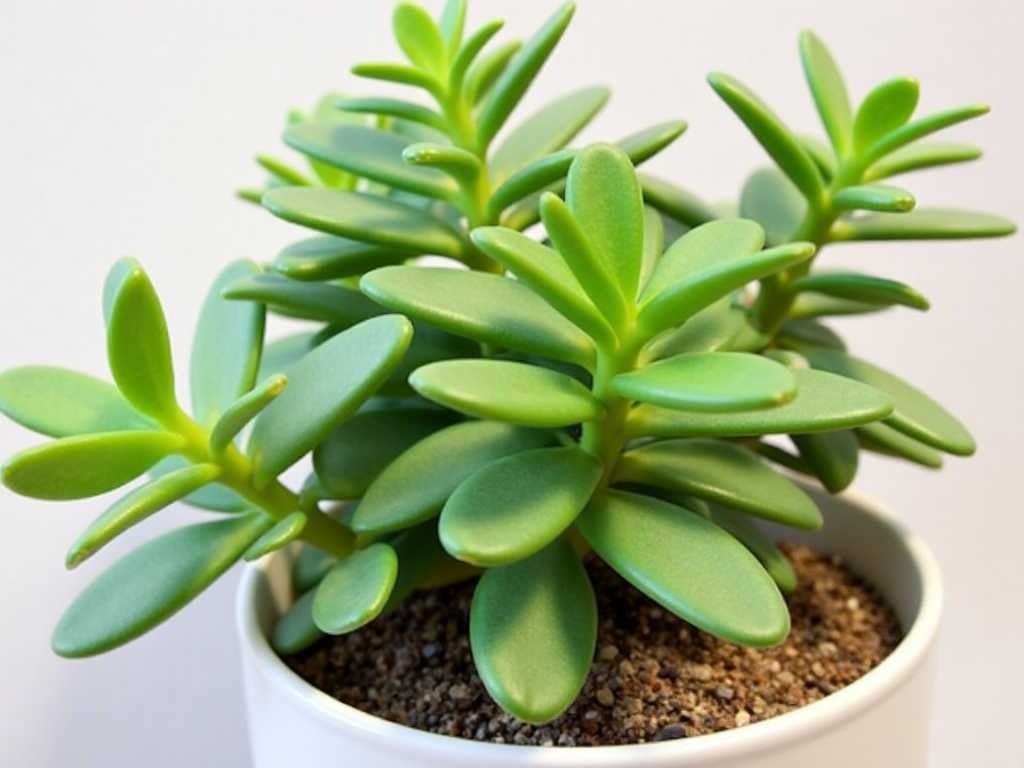
Week 1: Diagnosis and The Rescue Protocol
The plant I started with was pathetic. Its lower leaves were wrinkled and yellowing, while the new growth at the top was stretched out, reaching feebly for a distant window. The soil, a generic potting mix, was still damp to the touch after 10 days. I realized I was dealing with a classic case of overwatering compounded by insufficient light.
Step 1: The Unpleasant Truth – A Root Inspection Gently, I tipped the plant out of its pot. The smell was musty, and the roots were a sad, brownish color instead of a healthy white. They weren’t rotted through, but they were stressed. This confirmed my suspicion. According to the Royal Horticultural Society (RHS), root issues in succulents almost always stem from waterlogged soil. My first pitfall was using a non-draining decorative pot inside a cache pot. Water had pooled at the bottom, creating a swamp.
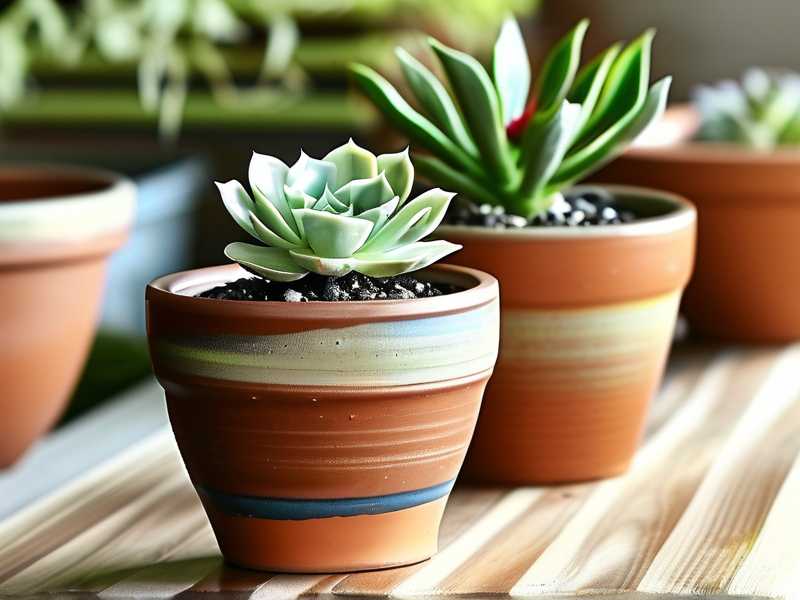
- The Fix: I didn’t repot immediately. Instead, I placed the root ball on a stack of newspaper to wick away excess moisture for 24 hours. I then moved it to a terracotta pot with a massive drainage hole. Terracotta is porous, allowing the soil to breathe and dry evenly—a game-changer for jade plant watering needs.
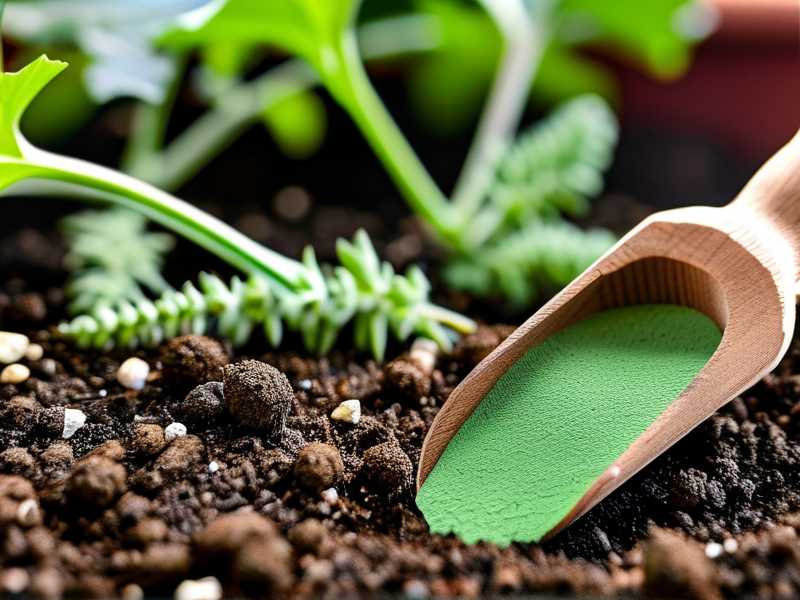
Step 2: Crafting the Perfect Home – Soil and Pot I ditched the moisture-retentive soil. A specialist at a local nursery (an AHSA-certified horticulturist) advised a gritty, free-draining mix. I made my own: 2 parts standard potting soil, 1 part coarse perlite, and 1 part horticultural grit. This mix replicates the well-drained, low-organic matter conditions jades crave. Repotting was nerve-wracking, but I gently teased the old soil away and settled the plant into its new, dry, gritty home.
Step 3: The Light Revolution My north-facing room was the culprit for the etiolated, stretched growth. Crassula ovata light requirements are specific: they need bright, direct light for at least 4-6 hours daily to grow compact and strong. I cleared a prime spot on a south-east facing windowsill. The change was immediate. Within two days, I noticed the entire plant, especially the new growth, orienting its leaves squarely toward the sun. It was literally reaching for the light, but now in a healthy, controlled way.
Week 2: Observation, Adjustment, and Signs of Life
This week was about patience and fine-tuning. I did not water the plant after repotting. This is crucial: you must allow any disturbed roots to heal in dry soil to prevent rot.
Monitoring the “Thirst Cues” I abandoned any calendar-based watering schedule. Instead, I learned to read the plant. The American Horticultural Society’s (AHS) guide on succulents emphasizes the “soak and dry” method. I waited for the tactile signals: the thickest leaves lost a bit of their rigid firmness and developed a slight give when gently pinched. The soil was bone dry an inch down. This took a full 10 days after the repot.
- The Pitfall & Solution: My initial instinct was to water when the top soil looked dry. This was wrong and leads to overwatering. The true test is leaf turgor and deep soil dryness. On Day 10, I finally gave it a thorough soak. I placed the pot in a sink and watered until it flowed freely from the drainage hole, ensuring the entire root ball was hydrated. I then let it drain completely before returning it to its sunny spot.
The Two-Week Transformation: What I Witnessed The results were subtle but profound. The alarming leaf drop stopped completely. The wrinkled, older leaves plumped up noticeably within 48 hours of that first proper watering. The most exciting change was in the color. The once pale green leaves developed a vibrant, deep jade hue, and a beautiful reddish tint began to appear along the edges of the leaves closest to the window—a sign of perfect sun exposure, known as “sun stress,” which is desirable and healthy for these plants. The stretched growth hadn’t corrected itself (that never happens), but the new, tiny leaf buds emerging were tight and compact.
Common Mistakes I Made and How You Can Avoid Them
- The “Love Drowning”: Overwatering is a disease of good intentions. The fix is simple: unglazed terracotta pots, gritty soil, and watering only on the plant’s physical cues, not the calendar.
- The Dim Dungeon: Low light causes weak, ugly growth. Your jade needs a bright, direct sunbath. A south or west window is ideal. If you only have low light, consider a grow light to meet your jade plant’s sunlight requirements.
- The All-Purpose Soil Trap: Regular potting soil holds too much water. A succulent or cacti mix, or a DIY gritty blend, is non-negotiable for healthy Crassula ovata maintenance.
Your Jade Plant Questions, Answered
How often should I really water my jade plant? Throw away the schedule. In summer, it might be every 7-10 days. In winter, it could be once a month or less. Always use the “leaf pinch” and soil dryness test. When in doubt, wait a few more days.
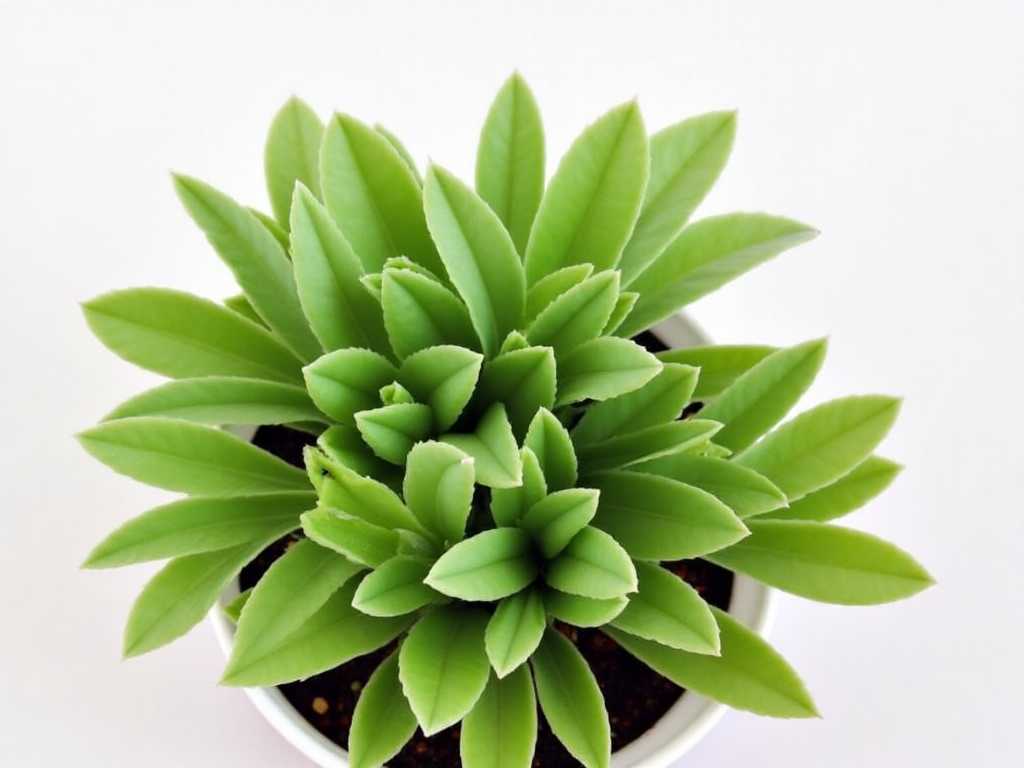
Why are the leaves falling off my jade? This is usually a watering issue. Soft, mushy leaves falling off mean too much water. Wrinkled, dry leaves falling off mean the plant is too dry and is sacrificing older leaves. Assess your recent care and adjust.
Can I propagate the leaves that fell off? Absolutely! This is the joy of jades. Let a healthy, plump leaf callous over for a day or two, then place it on top of dry succulent soil. Mist the soil lightly every few days. In a few weeks, tiny roots and a new plantlet will emerge. It’s a rewarding way to expand your collection.
Caring for a Jade Plant is a lesson in mindful neglect. It thrives when we understand its language—the slight softness of a leaf, the color of its edges, the posture of its stems. My two-week journey turned a struggling plant into a resilient one. It’s not about constant attention, but about providing the right foundation: brutal sunlight, a gritty, unforgiving soil, and water only when truly needed. Master that, and your Crassula ovata will reward you with decades of steadfast, beautiful growth.