bluename
 Best Low-Light Plants Similar to succulents: My 2-Week Survival Guide for Dim Corners
I love the sculptural beauty of succulents, but my apartment has a serious lack of sunny windowsills. For years, I struggled with etiolated, stretched-out succulents yearning for more light. I needed best low-light plants similar to succulents that could thrive without that bright, direct sun. My quest wasn't just about finding look-alikes; it was about discovering resilient, low-maintenance plants with that same succulent-like satisfaction for darker spaces.
This guide is the result of my hands-on experiment. I selected three top candidates, cared for them in my north-facing bathroom and a dim living room corner, and documented everything over two weeks. Here’s my real-world experience, including the mistakes I made and how I fixed them.
Why Typical Succulents Fail in Low Light
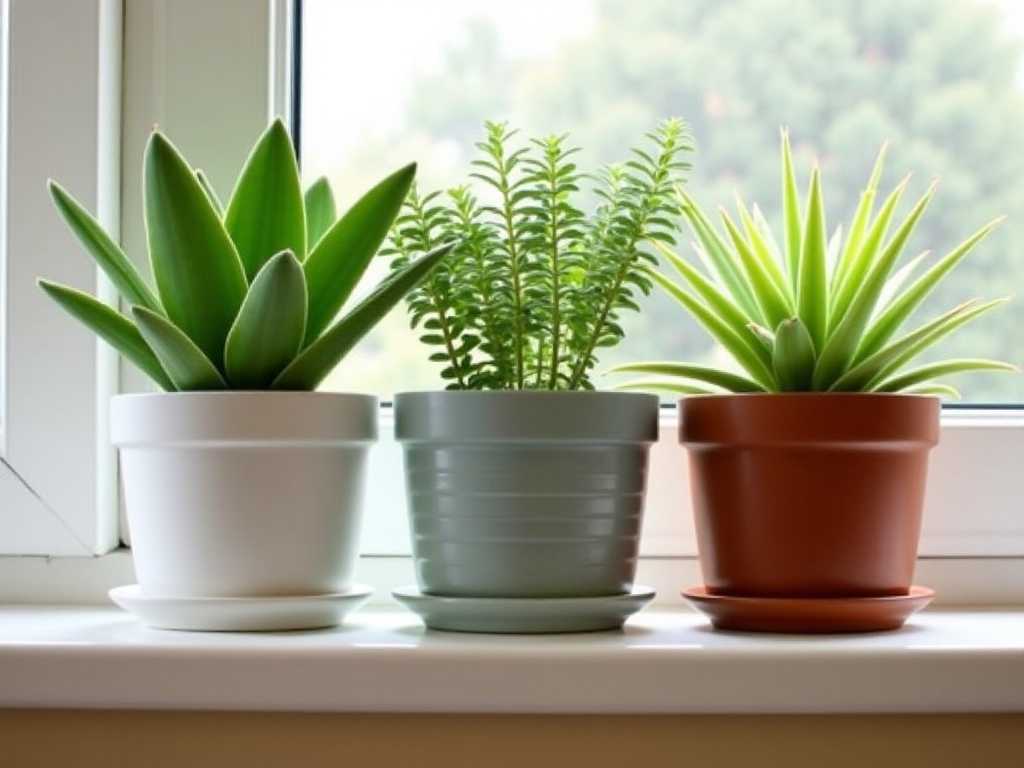
Succulents store water in their leaves, stems, or roots, which is why we adore them. However, this adaptation evolved for bright, arid environments. In low light, their metabolism slows, they stop growing compactly, and they start stretching desperately toward any light source (etiolation). This leads to weak, unattractive plants and increases the risk of overwatering and root rot. The Royal Horticultural Society (RHS) clearly states that most succulents require several hours of direct sunlight daily. So, the solution is to find plants with similar qualities—water-storing capabilities, interesting textures, and easy care—but with a natural tolerance for shade.
My Top Picks: The Experiment Begins
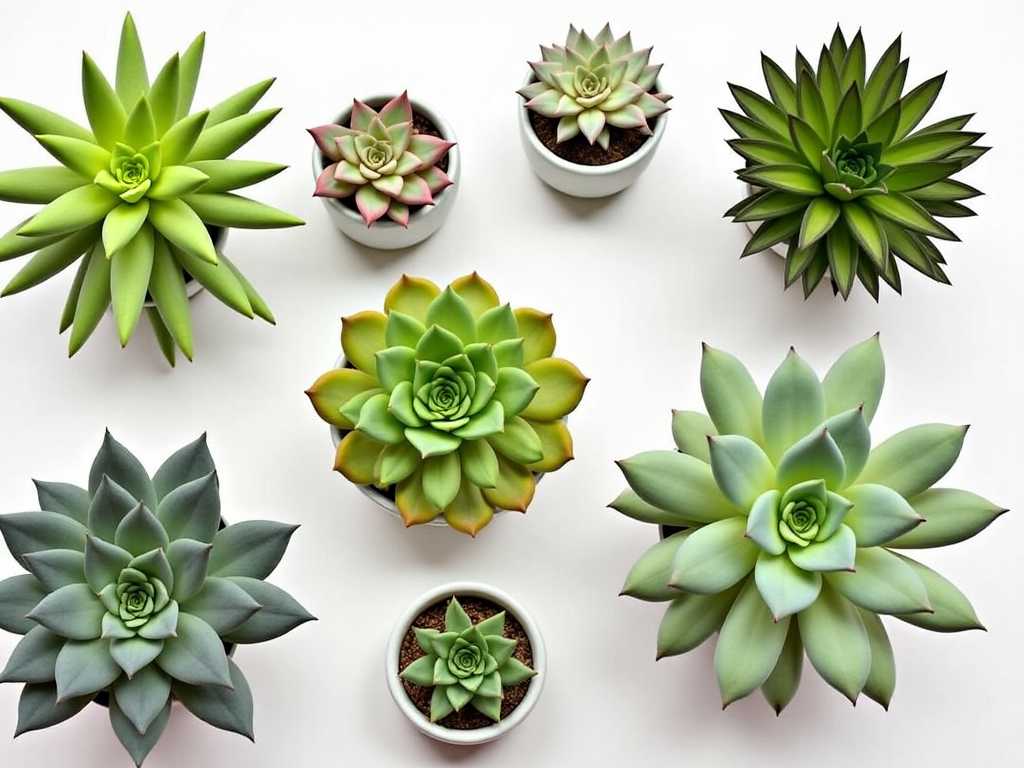
I chose three plants often hailed as low-light succulent alternatives. My goal was to test their actual tolerance and care needs in sub-optimal conditions.
1. The ZZ Plant (Zamioculcas zamiifolia): The Ultimate Survivor
Often called the "eternity plant," the ZZ Plant was my first test subject. Its glossy, waxy leaves emerge from thick, potato-like rhizomes that store water. It’s famously tolerant of neglect and low light.
- My Setup & Steps: I placed a mature ZZ Plant in my living room corner, about 10 feet from a north-facing window. The light here is consistently dim, with no direct sun ever. I used my moisture meter to check the soil—it was still moist from the nursery. I decided not to water it at all at the start.
- Week 1 Observation: Zero change. The plant looked exactly the same—glossy, green, and perfectly upright. No signs of distress or new growth, which was expected. The soil remained damp.
- Week 2 Observation: Still no visible change. The soil finally read "dry" on the meter at the end of the second week. This confirmed its incredible drought tolerance.
- The "Aha" Moment & Solution: My mistake was almost loving it to death. Out of habit, I nearly watered it at the end of week one when the surface soil felt dry. By using the moisture meter and heeding advice from the American Horticultural Society (AHS), which notes its susceptibility to overwatering, I waited. The rhizomes provide all the water it needs. For truly low light succulent-like plants, the ZZ Plant is a champion. Watering only every 3-4 weeks in low light is the key.
2. Snake Plant (Sansevieria trifasciata): The Architectural Classic
With its stiff, upright leaves that store water, the Snake Plant is a quintessential succulent for low light conditions (though it’s technically not a true succulent). I tested the common ‘Laurentii’ variety.
- My Setup & Steps: I placed it in my even darker bathroom, which only receives faint ambient light. The pot had a drainage hole. I watered it thoroughly until water ran out the bottom, then placed it on its saucer.
- Week 1 Observation: The plant held its structure well. However, I noticed the soil was taking an exceptionally long time to dry out in the cool, low-light environment.
- Week 2 Observation: A slight cause for concern. The soil was still very moist at the two-week mark. While the leaves looked healthy, I knew this was a risk zone for root rot.
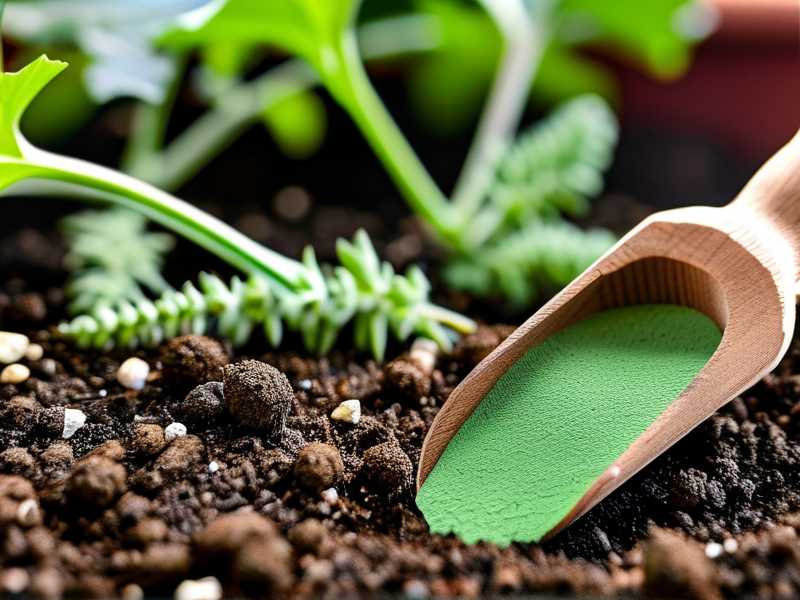
- The "Oops" Moment & Solution: I had used a standard potting mix that retained too much moisture. For low-light settings, Snake Plants need exceptionally well-draining soil. I carefully tipped the plant out and confirmed the roots were still healthy (no mush or smell). I repotted it into a cactus/succulent mix amended with extra perlite for drainage. This immediate fix is crucial. The RHS emphasizes that for Sansevieria in low light, "overwatering is the main cause of failure." My takeaway: The plant tolerates low light brilliantly, but your watering habits and soil must be even more succulent-like.
3. Haworthia (Haworthiopsis spp.): The True Succulent That Bucks the Trend
This was my wildcard. Most Haworthias prefer bright light. However, varieties like Haworthia attenuata (Zebra Plant) are often noted as being more shade-tolerant than their cousins. I had to see if it could work as a low maintenance plant like succulents in medium-to-low light.
- My Setup & Steps: I placed a small Zebra Haworthia on a shelf in my living room, receiving only bright indirect light for a few morning hours—less than what’s typically recommended.
- Week 1 Observation: The plant maintained its tight rosette shape. The distinctive white tubercles ("stripes") remained pronounced. It showed no signs of stretching.
- Week 2 Observation: Still stable. I noticed the thick leaves felt firm, indicating good water storage. It didn't grow, but it didn't decline either.
- The Key Learning: Haworthia confirmed an important nuance. It won't thrive or grow quickly in low light, but certain species can survive and maintain appearance in bright indirect to medium light far better than Echeverias or Sedums. It’s the best candidate for "I have some light, but not enough for most succulents." The solution is managing expectations: it becomes a static, living sculpture rather than a fast-growing specimen.
My Verdict After 14 Days
So, what are the best plants like succulents for shade? Based on my two-week hands-on trial:
- For Very Low Light: The ZZ Plant is the undisputed, foolproof winner. Its care is ultra-simple—just forget to water it.
- For Low Light with Careful Watering: The Snake Plant is excellent, but you must use a gritty, fast-draining mix and water infrequently. It's less forgiving of soggy soil in the dark.
- For Medium/Bright Indirect Light: Certain Haworthias can work beautifully, offering the classic succulent look without the high sun demand.
The core principle I learned is that "low-light tolerant" doesn't mean "no-light tolerant." It also doesn't mean "water-loving." These plants still require the succulent mantra: when in doubt, don't water.
Frequently Asked Questions
Can I use a grow light for these plants? Absolutely. A simple, low-wattage LED grow light for a few hours a day can make a significant difference, especially for the Haworthia. It can turn "survival" into "growth" without needing a sunny window.
How do I know if I'm overwatering in low light? The signs are yellowing, soft, mushy leaves (especially at the base) and soil that stays wet for weeks. Always check the soil 2 inches down. If it's damp, wait. Using a terracotta pot can also help wick away excess moisture.
Will these plants actually grow in low light, or just survive? Most will grow extremely slowly, if at all, in true low light. The ZZ and Snake Plant may produce new shoots occasionally, but growth is minimal. Think of them as maintaining their beauty rather than rapidly expanding. For growth, they need more light.
Finding the right plants for dim spaces transformed my home. By choosing these resilient, succulent-like varieties for dark rooms, I now enjoy lush, healthy greenery without the guilt of watching a sun-loving plant struggle. It’s all about working with your environment, not against it. Start with the ZZ Plant for the easiest success, and you’ll never miss those sunny windowsills again.