bluename
 The Ultimate Guide to Thriving Succulent & Snake Plant Combo Arrangements
I love the idea of a lush, sculptural indoor garden, but like many plant lovers, I’ve struggled with pairings that just don’t work. One plant thrives while the other withers, leaving a sad, lopsided arrangement. That frustration ended when I discovered the perfect partnership: Succulent & Snake Plant Combo Arrangements. This pairing isn't just aesthetically striking with its contrasting textures and forms; it’s a practical dream for busy or forgetful gardeners. Both plant families are celebrated for their resilience, but successfully combining them requires a bit more nuance than just plopping them together. After numerous trials, I perfected a method that ensures both the delicate echeverias and the sturdy sansevierias not only coexist but flourish. Here’s my hands-on journey, complete with steps, a two-week observation log, and the pitfalls I navigated along the way.
Why This Pairing is a Match Made in Plant Heaven
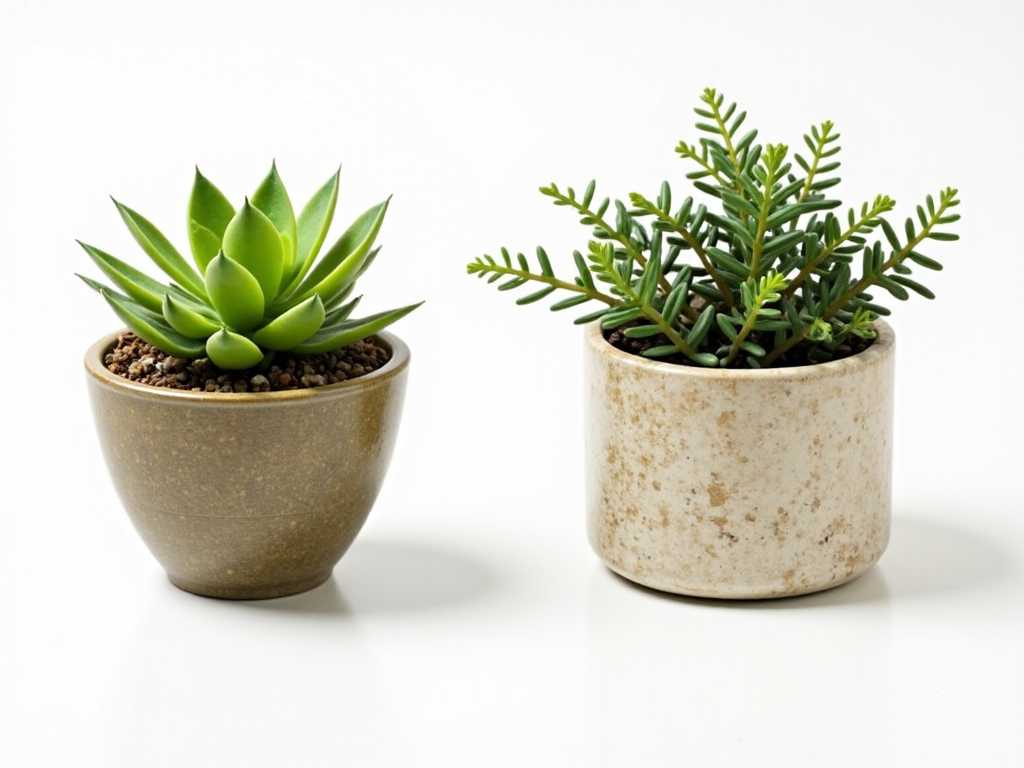
At first glance, succulents like echeverias and sedums seem to have different needs from the upright, architectural snake plant (Sansevieria). However, their core requirements align beautifully. According to the Royal Horticultural Society (RHS), both types prioritize excellent drainage and are highly drought-tolerant. They are both adapted to store water—succulents in their leaves, snake plants in their rhizomes—making them forgiving of occasional missed waterings. The American Horticultural Society of America (AHSA) notes that these plants are among the top recommendations for improving indoor air quality with minimal care. The key is leveraging their similarities while respecting their subtle differences in light preference and watering depth.
My Step-by-Step Process for Creating the Combo
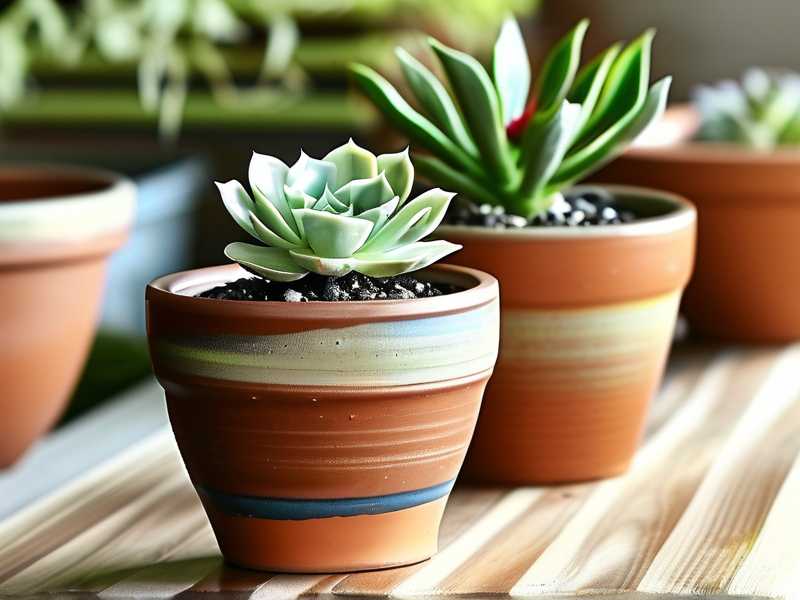
I decided to create a medium-sized, shallow terracotta bowl arrangement. Terracotta is ideal because it’s porous, allowing soil to dry evenly—a critical factor.
Step 1: Selecting and Preparing the Plants I chose a Sansevieria trifasciata ‘Hahnii’ (Bird’s Nest Snake Plant) for its rosette shape that wouldn’t tower over the succulents. For companions, I picked a blue Echeveria ‘Imbricata’, a few stems of Sedum burrito (Burro’s Tail), and a Crassula ovata ‘Gollum’ (Gollum Jade). I gently removed each plant from its nursery pot, carefully teasing apart the root balls. I inspected for any signs of rot or pests, a crucial step often skipped in the excitement of repotting.
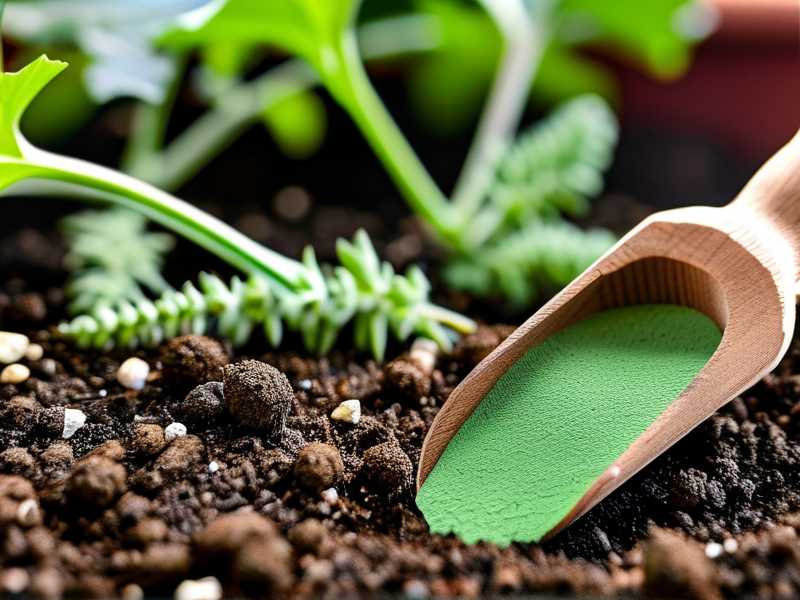
Step 2: The Foundation – Soil and Drainage This is where I’ve failed before. Using standard potting soil is a death sentence for these combos. I created a custom, gritty mix:
- 50% cactus & succulent potting mix
- 30% perlite
- 20% coarse horticultural sand I placed a generous layer of pottery shards over the drainage hole, then filled the bowl one-third with my pre-mixed, dry soil.
Step 3: Strategic Arrangement and Potting I positioned the snake plant slightly off-center towards the back, as its growth is more vertical. The echeveria became the centerpiece, with the trailing sedum near the rim and the jade plant filling a front corner. Holding each plant at its desired height, I backfilled with the soil mix, gently firming it to eliminate large air pockets. I left about a half-inch of space between the soil surface and the pot rim for watering. Crucially, I did not water them in immediately. This allows any minor root abrasions to callus over, preventing rot—a tip I learned the hard way.
Step 4: The Initial Care Protocol After 48 hours, I gave the arrangement its first thorough watering. I used a watering can with a long, narrow spout to direct water onto the soil, not the leaves, until it freely ran out of the bottom. I immediately emptied the saucer. The bowl was placed in a spot with bright, indirect light for the first week, avoiding the harsh afternoon sun that could scorch the echeveria.
The Two-Week Observation Diary
- Days 1-3: The plants looked settled but slightly dull, a normal post-transplant response. The soil surface was already dry to the touch.
- Days 4-7: The snake plant showed the first sign of acceptance—one new, tight leaf bud in the center seemed a shade brighter green. The echeveria’s leaves firmed up. The sedum showed no sign of stress, which was a relief as trailing plants can be shock-prone.
- Days 8-10: I performed the “finger test,” inserting my finger two inches into the soil. It was completely dry. Following my schedule, I watered thoroughly again. This time, I noticed the water drained even faster, a sign the roots were establishing and the soil was functioning perfectly.
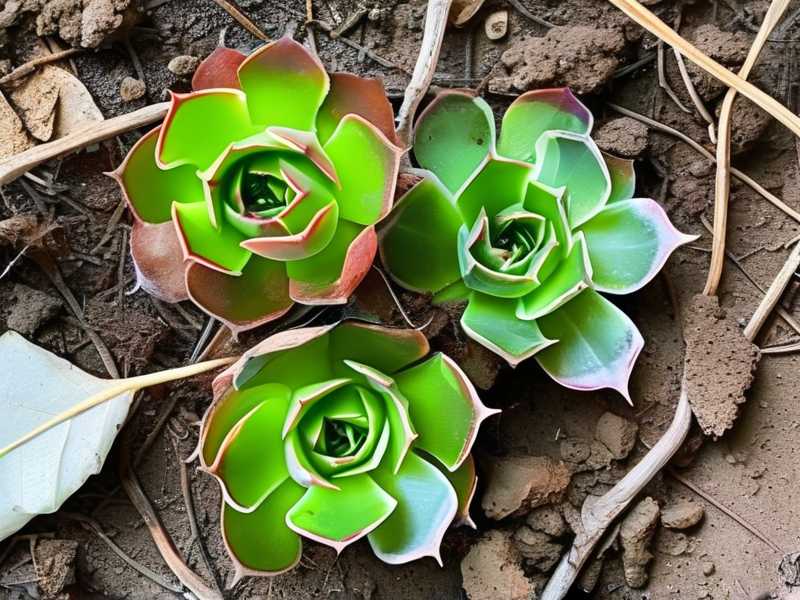
- Days 11-14: The arrangement truly came to life. The echeveria displayed a slight blush of pink on its leaf edges, indicating it was receiving adequate light. The snake plant’s new growth was visibly taller. Most importantly, there was no yellowing, drooping, or mushy leaves on any plant.
Pitfalls I Encountered and How I Solved Them
Pitfall 1: The Overwatering Cascade In an earlier attempt, I watered a similar combo on a weekly schedule without checking the soil. The snake plant was fine, but several succulents developed soft, translucent lower leaves—classic overwatering. The fix was drastic: I un-potted the entire arrangement, removed the affected succulents, cut away any rotten roots, let them dry for a day, and re-potted them in fresh, dry mix. I then enforced a strict “water only when completely dry” rule, verified by a moisture meter.
Pitfall 2: The Light Balancing Act My first combo was in a low-light corner. The snake plant survived but stopped growing, and the echeveria began to “stretch” or etiolate, reaching weakly for light. I moved the arrangement to an east-facing windowsill where it received several hours of gentle morning sun. The etiolation stopped, and new growth on the echeveria became compact again. I learned that while snake plants tolerate low light, most succulents in the combo need bright indirect light to maintain their shape and color.
Pitfall 3: Ignoring the “Neck” of the Snake Plant When potting, I once buried the snake plant’s thick, stem-like rhizome (often called its “neck”) too deeply. This kept it constantly moist and led to rhizome rot. Now, I always plant it so that the rhizome and the base of the leaves are sitting just on top of the soil line, not buried within it. This has completely eliminated any risk of basal rot.
Long-Term Success Tips for Your Arrangement
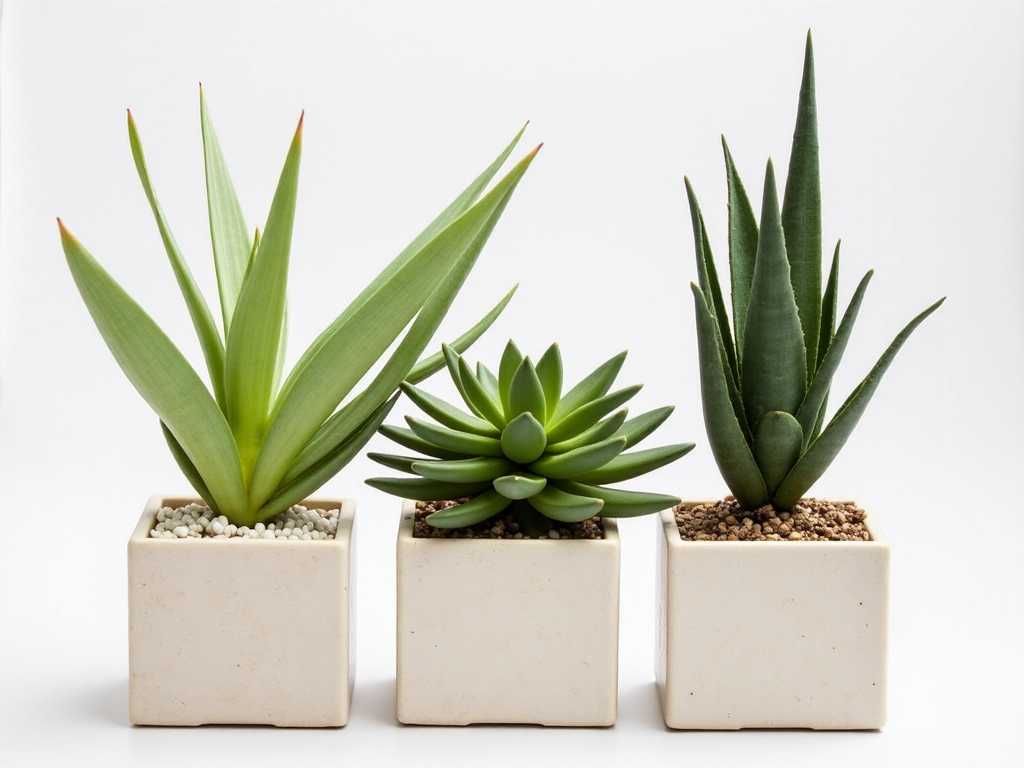
Your drought-tolerant succulent and snake plant pairing will thrive for years with minimal fuss. Rotate the bowl a quarter turn every few weeks to ensure even growth. Feed sparingly with a half-strength, balanced fertilizer only during the active growing season (spring and summer), and never in winter. The beauty of these low-maintenance succulent and snake plant combos is that they become more sculptural and intertwined over time, creating a living piece of art.
Frequently Asked Questions
How often should I really water my succulent and snake plant bowl? Throw away the calendar. The only reliable method is to check the soil. For my mix, I insert a wooden skewer or my finger deep into the pot. If it comes out completely dry and clean, it’s time for a deep, thorough watering. In my home, this translates to every 2-3 weeks in summer and every 4-6 weeks in winter.
Can I use a pot without a drainage hole? I strongly advise against it. While a single snake plant might survive in a pot with a deep layer of drainage rock, a combined arrangement significantly increases the risk of root rot. The water has nowhere to go, creating a soggy environment at the bottom. If you must use a cachepot, plant in a plastic nursery pot with drainage and remove it to water, letting it drain completely before placing it back inside.
My echeveria in the combo is getting leggy. What should I do? This is etiolation, a sign it needs more light. Gradually move the entire arrangement to a brighter location. If the stem is too elongated, you can “behead” it. Cut the rosette off, let the cut end callus for a few days, then plant it on fresh soil. The original stem may even produce new offshoots. This way, you can maintain the compact beauty of your succulent and snake plant combo arrangements.
Creating a thriving succulent and snake plant arrangement is deeply satisfying. It teaches patience, observation, and respect for the unique needs of each plant. By focusing on a well-draining soil mix, strategic watering, and proper light, you cultivate more than just plants—you cultivate a resilient, beautiful oasis that asks for little but gives so much in return. Start with the steps outlined here, learn from your own observations, and enjoy the slow, steady growth of this perfect partnership.