bluename
 The Ultimate Care Guide for Opuntia Succulents (Prickly Pear): My Hands-On Journey to a Thriving Cactus
I’ve killed my fair share of cacti. I used to think, “It’s a desert plant; how hard can it be?” Then I brought home my first Opuntia, or Prickly Pear. Two months later, it was a mushy, discolored shadow of its former self. That failure sparked my mission to truly understand Opuntia succulent care. Through trial, error, and two intensive weeks of observation, I’ve cracked the code. This guide isn’t just theory; it’s my documented, step-by-step process to revive and maintain a healthy Prickly Pear.
Understanding Your Opuntia: More Than Just a Prickly Plant
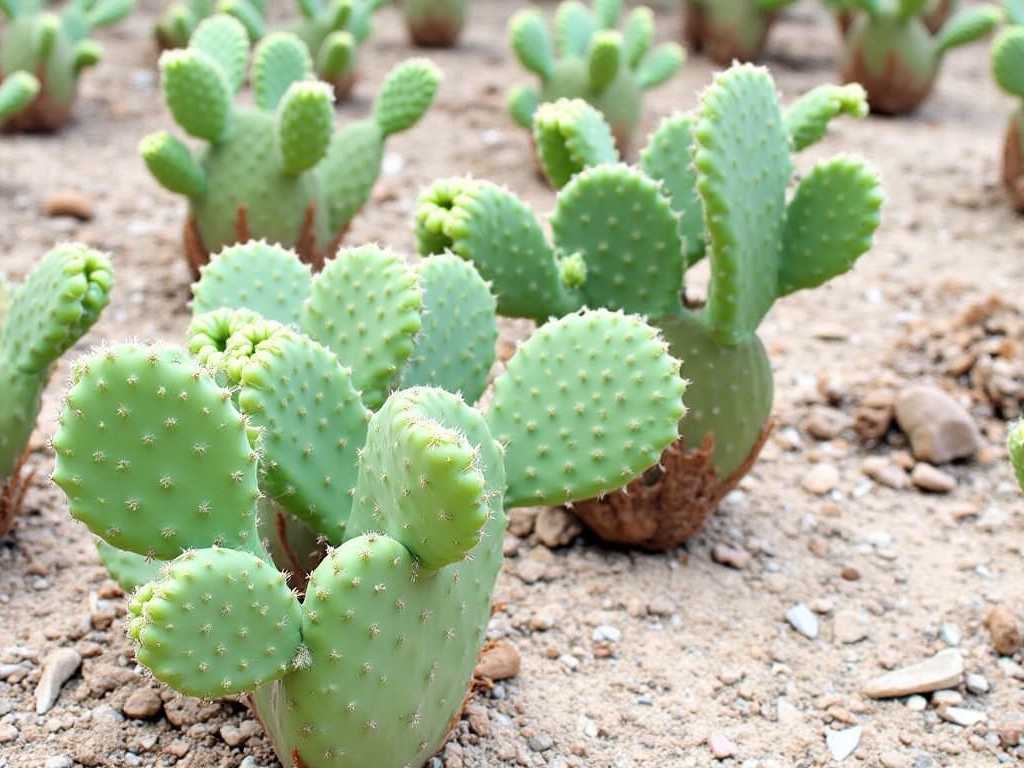
Before you care for it, you need to know what it is. Opuntias are a vast genus of cacti known for their flat, padded segments called cladodes. They’re survivors, but our homes aren’t the Sonoran Desert. The Royal Horticultural Society (RHS) notes that while drought-tolerant, Opuntias fail primarily due to poor light and “kindness” – overwatering. My goal was to replicate the key conditions: brutal light, infrequent but deep watering, and excellent drainage.
My Two-Week Rescue Protocol: A Step-by-Step Log
I purchased a slightly etiolated (stretched) Opuntia microdasys (Bunny Ears) from a big-box store. It was pale green and leaning toward the light. Here was my action plan.
Week 1: Assessment and Repotting
Day 1: The Diagnosis. I inspected the plant. The soil was dense, peaty, and still damp. The pot had no drainage hole. This was the first and most common killer. The roots, once I gently removed the plant, looked okay – no rot yet – but they were constricted.
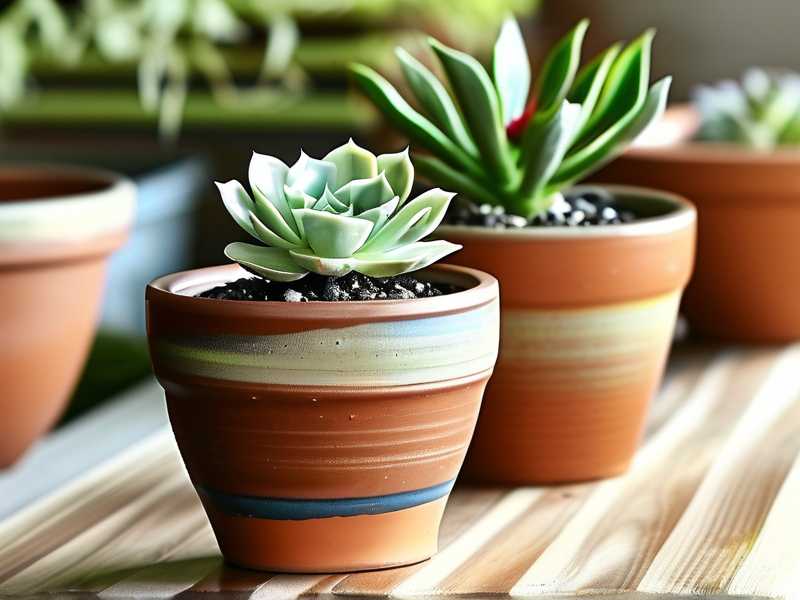
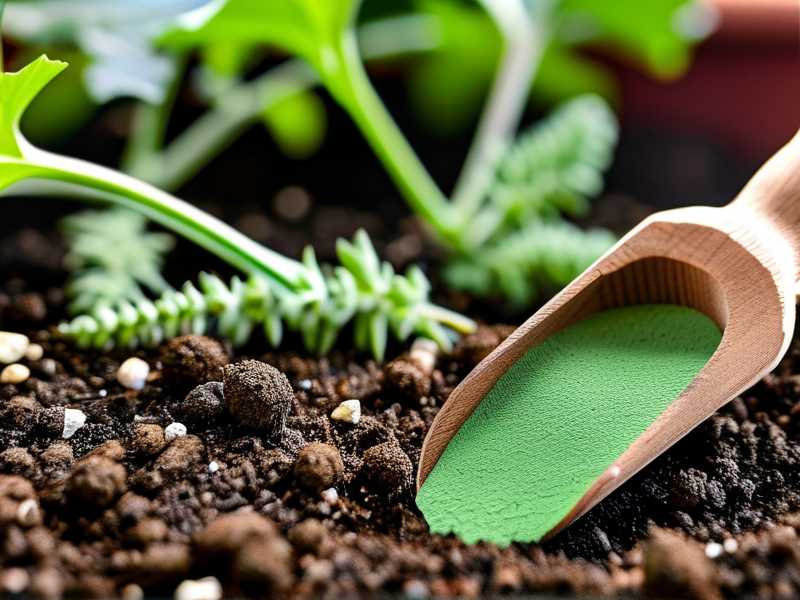
Day 2: The Right Setup. I gathered my supplies: a terracotta pot (porous, promotes evaporation) 2 inches wider than the root ball, a commercial cactus & succulent mix, and extra perlite. Following advice from the Arizona-Sonora Desert Museum (ASDM) archives, I mixed 2 parts cactus soil with 1 part perlite for extreme drainage. I filled the new pot one-third with this mix.
Day 3: The Repot. Handling Opuntia requires thick gloves or kitchen tongs. Those tiny glochids (hair-like spines) are vicious. I placed the root ball in the center, filled around it with my mix, and gently tamped it down. I did not water. A dry period after repotting allows any damaged roots to callus, preventing rot. I placed it on my sunniest south-facing windowsill.
Day 4-7: Observation. No water. I simply observed. The pale green pads showed no change. The leaning posture was permanent, but new growth would come in correctly if the light was sufficient. I resisted the urge to intervene.
Week 2: The First Water and Early Signs
Day 8: The Deep Soak. After a full week of dryness, I performed the “soak and dry” method. I took the pot to the sink and watered thoroughly until streams ran freely from the drainage hole. This ensures the entire root mass gets moisture. I let it drain completely before returning it to its sunny spot.
Day 9-11: Waiting and Watching. This is the critical phase. The soil dried out completely within three days. I checked by sticking a wooden chopstick deep into the soil; it came out clean and dry. I noticed a subtle change: the pads looked slightly firmer and had a hint of deeper green.
Day 12-14: Evidence of Success. By the end of the second week, I saw the first clear positive sign: a plump, firm texture to all pads. The etiolated section wouldn’t fix itself, but the top of the highest pad showed a tiny, bright green new growth nub. It was seeking the sun, but now healthily. My care for Prickly Pear cactus was working.
The Pitfalls I Encountered (And How to Fix Them)
My journey wasn’t flawless. Here’s where I stumbled.
The Glochid Disaster: Early on, I brushed against my Opuntia microdasys with my bare wrist. Hundreds of nearly invisible glochids embedded themselves. The fix? Don’t use tweezers. I used adhesive tape, repeatedly dabbing and pulling it over the area. For stubborn ones, a thin layer of white glue, let dry, and peeled off, works wonders.
The “Thirsty” Misinterpretation: A slightly wrinkled pad can signal thirst, but it can also signal root rot from prior overwatering. I learned to always check the soil first. If it’s bone dry for several days and the plant is wrinkled, water. If the soil is damp and the plant is mushy or wrinkled, it’s likely rot. I had to unlearn watering on a schedule.
The Light Hunger: Even a south window wasn’t enough for robust, compact growth in my northern climate. The plant stopped etiolating but grew slowly. The solution? I invested in a full-spectrum grow light for 4-6 hours of supplemental light during darker months. The difference in growth color and speed was remarkable.
Building the Perfect Opuntia Environment
Light: The Non-Negotiable Factor Opuntias need a minimum of 6 hours of direct sunlight daily. Mine gets 8+ on the sill. Without it, they etiolate, become weak, and lose their vibrant color. If your light is insufficient, a grow light is not optional—it’s essential. Rotate the pot quarterly for even growth.
Watering: The Art of Neglect This is the hardest skill. I water only when the soil is 100% dry, plus I wait a few more days. In summer, that might be every 10-14 days. In winter, it’s once a month or less. The “soak and dry” method is gospel. Shallow watering promotes weak roots. Deep watering builds a resilient root system that can withstand drought.
Soil and Potting: Your Foundation for Health As my experiment proved, fast-draining soil is critical. A standard potting mix holds too much moisture. My 2:1 cactus mix to perlite blend has never failed me. Terracotta pots are superior to plastic or glazed ceramic because they breathe, wicking away excess moisture from the soil.
Fertilizing: Less is More Opuntias are not heavy feeders. I use a diluted, balanced liquid fertilizer (like a 10-10-10) only during the active growing season (late spring to summer), and only once, maybe twice. Over-fertilizing leads to weak, leggy growth. The American Horticultural Society (AHS) emphasizes that desert plants are adapted to low-nutrient soils, so minimal feeding aligns with their natural biology.
Troubleshooting Common Opuntia Problems
- Soft, Mushy Pads (Usually Brown/Black): Classic overwatering and root rot. Act fast. Unpot, cut away all soft, rotten tissue with a sterile knife, let the plant callus over for a week, and repot in fresh, dry mix. Do not water for at least two weeks.
- Pale, Stretched Growth: Insufficient light. Move to a brighter location or add a grow light. The new growth will be compact, but the old, stretched sections will remain.
- Brown Scabs or Dry Patches (Corking): Often normal, especially on older, lower pads. It’s the plant strengthening its structure. However, if it’s sudden and widespread, it could be sunburn from moving too quickly into intense light. Acclimate gradually.
- Pests: Watch for scale (little brown bumps) or mealybugs (white, cottony masses). I use a cotton swab dipped in isopropyl alcohol to spot-treat. For larger infestations, insecticidal soap is effective.
Your Opuntia Questions, Answered
How often should I really water my Prickly Pear? Throw away the calendar. Watering frequency depends on your light, temperature, humidity, and pot type. The only reliable method is the “dry test.” Stick your finger or a chopstick deep into the soil. If you feel any moisture or soil sticks to it, wait. When it’s completely dry throughout, wait a few more days, then water deeply.
Can I grow Opuntia outdoors? Absolutely, and they often thrive better outdoors if your climate allows. They are hardy in USDA zones 4-11, depending on the species. The key is to avoid winter wetness. If you have cold, wet winters, plant them in a raised bed with gravelly soil or keep them in pots you can bring to a sheltered, dry spot (like a garage) during freezing, wet periods.
My Opuntia pad broke off! What can I do? Don’t despair—this is a propagation opportunity. Let the broken pad (the cutting) sit in a dry, shaded spot for about a week until the cut end forms a hard callus. Then, place it callus-side-down on top of dry cactus mix. Do not bury it. Wait for roots to emerge (which can take weeks), then you can begin very light watering. You’ve just created a new plant.
Caring for an Opuntia is a lesson in restraint and observation. It rewards you for mimicking the harsh, bright, and intermittent conditions of its native home. By focusing on intense light, strategic neglect with watering, and an unshakably well-draining foundation, you’ll not only keep your Prickly Pear alive but will watch it flourish, producing stunning pads and, with enough light and maturity, those magnificent, satiny flowers. My two-week experiment turned into a lasting practice, and now my Opuntia collection is the most resilient and rewarding part of my plant family.