bluename
 How to Grow succulents for Profit: A Beginner’s Real-World Guide
I remember the exact moment I decided to turn my succulent obsession into a business. My windowsills were overflowing, and friends kept asking to buy cuttings. I thought, “This is it. How to grow succulents for profit must be easier than my corporate job.” Let me tell you, I was naive. The journey from hobbyist to profitable grower was filled with unexpected lessons. In this guide, I’ll walk you through my real, tested process—the exact steps I used, what happened over the critical first two weeks, and the costly mistakes I made so you don’t have to.
Why Succulents Are a Lucrative Niche
The market for succulents is booming. Their low-maintenance appeal makes them perfect for modern lifestyles. But profitability isn’t just about growing plants; it’s about growing them efficiently and at scale. I started with a simple goal: establish a reliable propagation system that could turn a handful of mother plants into hundreds of saleable units.
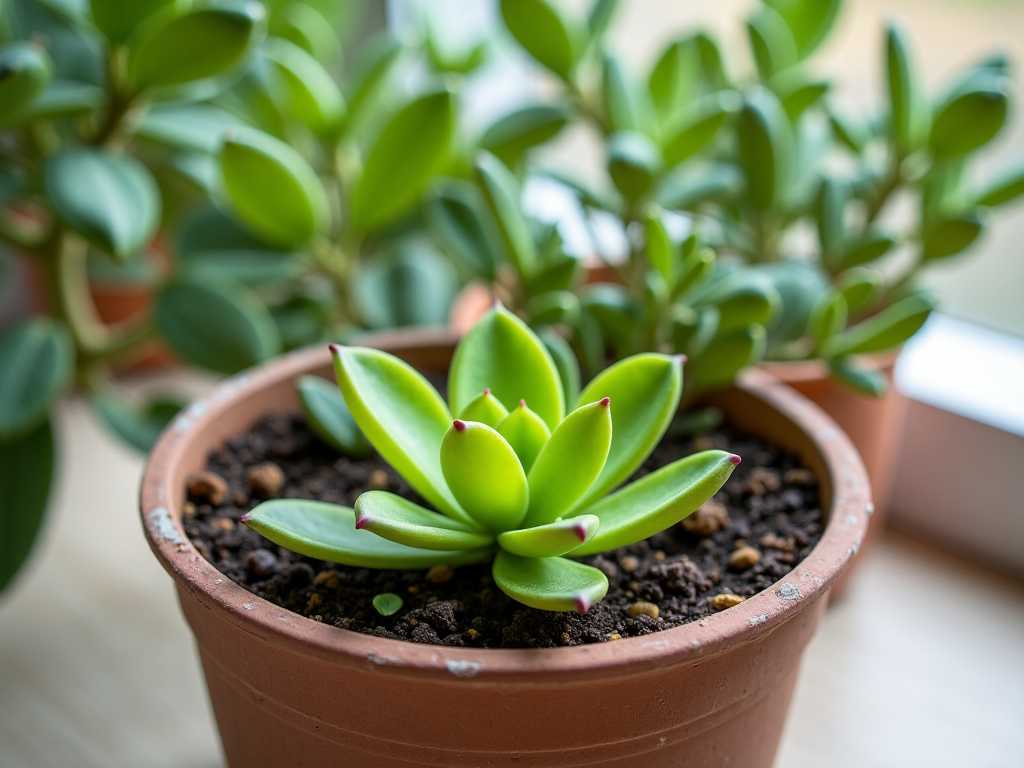
My initial focus was on two key profitable succulent varieties: Echeveria ‘Perle von Nürnberg’ and Sedum burrito (Burro’s Tail). These are highly popular, propagate reliably, and offer good profit margins.
My Step-by-Step Setup for Mass Propagation
I dedicated a section of my garage, installing affordable wire shelving units and full-spectrum LED grow lights. Lighting is non-negotiable for consistent, year-round growth.
Phase 1: The Initial Propagation
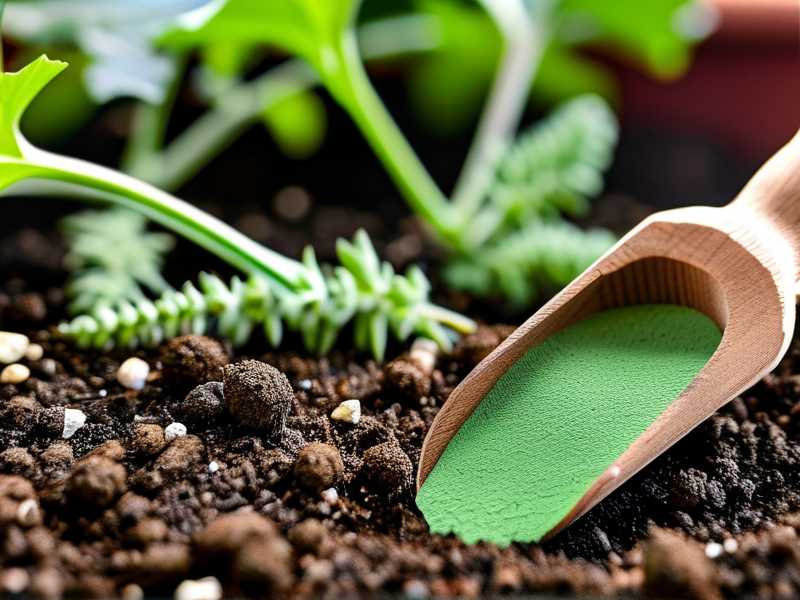
I took leaf cuttings from healthy mother plants by gently twisting leaves off the stem. A clean break at the base is crucial. I then laid them on dry, pre-moistened succulent soil mix (a 50/50 blend of potting soil and perlite) in shallow trays. I did not water them. I simply placed the trays under the lights for 12 hours a day.
This is where my first succulent business plan took shape. I logged everything: date propagated, variety, number of leaves, and initial conditions.
Phase 2: The Crucial First Two Weeks – Observation and Adjustment
This period is make-or-break. Here’s my day-by-day log of effects and interventions.
- Days 1-3: Nothing visible. The cut ends calloused over, which is vital to prevent rot. I maintained a temperature of around 70°F.
- Days 4-7: I spotted the first tiny pink roots emerging from the calloused ends of about 30% of the Echeveria leaves. The Sedum leaves were slower. I began lightly misting the soil around the rooted leaves every other day, avoiding the leaves themselves. A common pitfall here is overwatering before roots establish. I learned this the hard way in my early attempts—patience is key.
- Days 8-14: By day 10, nearly 70% had roots. Tiny rosettes began forming at the base of the Echeveria leaves. The Sedum burrito cuttings finally showed signs of life with minute roots. However, I noticed a problem: some rosettes were stretching slightly toward the light, a sign of etiolation.
The “Stretch” Problem and My Solution
This was a critical flaw in my setup. The lights were too far from the trays. According to the Royal Horticultural Society (RHS), succulents require intense light to maintain compact growth. My DIY setup failed this test initially. I immediately lowered the LED panels to within 6 inches of the propagation trays. Within 3-4 days, new growth on the baby plants became noticeably tighter and more compact. This adjustment was essential for producing quality, saleable plants, not leggy ones.
Scaling Up: From Propagation to Market
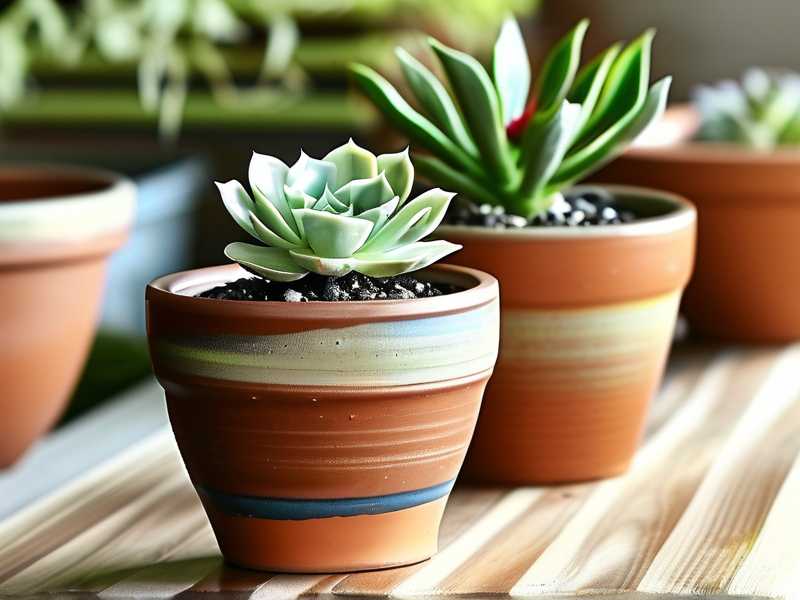
Once the baby plants were established and the mother leaves withered away, I transplanted them into small, 2-inch plastic pots. Using a consistent, branded pot makes a huge difference in perceived value.
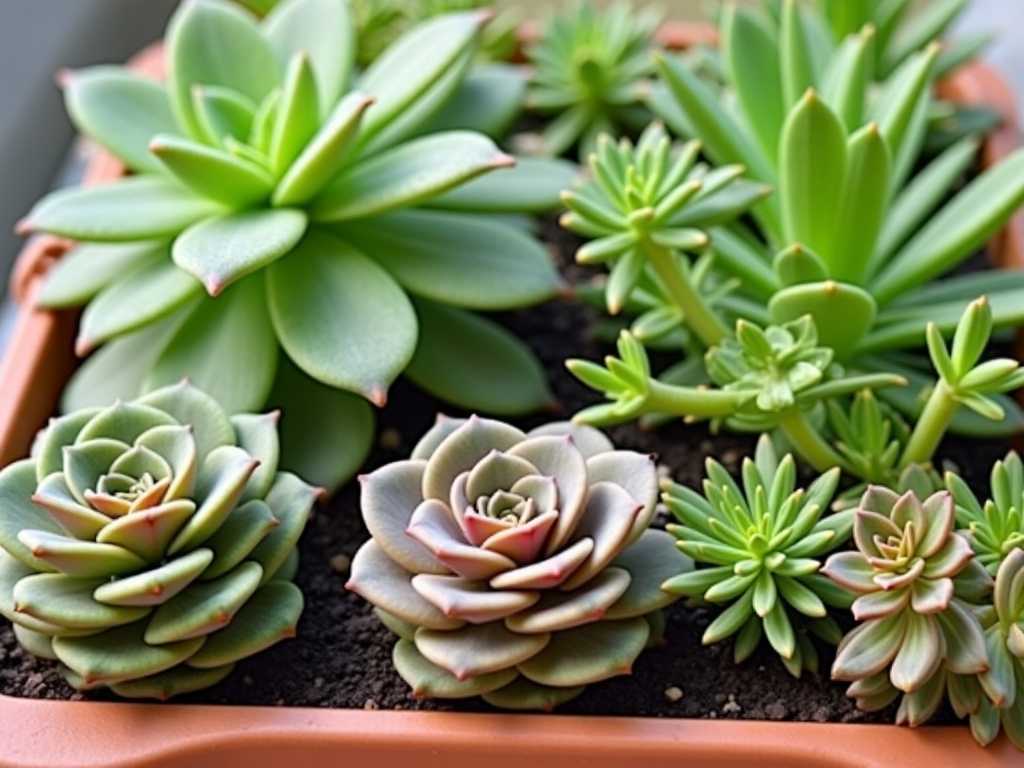
My selling succulents online strategy started on Etsy and local Facebook groups. High-quality photos are your best sales tool. I highlighted the health and compact form of my plants, a direct result of correcting my lighting mistake.
Pricing involved calculating soil, pots, labels, electricity, and my time. For common varieties like these, I found a price point 25% below big-box stores but high enough to reflect care and quality.
Common Pitfalls in Commercial Succulent Growing and How to Fix Them
- Overwatering in the Early Stages: This is the #1 killer. My fix was the “misting only near roots” method and using a moisture meter. The American Horticultural Society (AHS) stresses that “succulents need a cycle of thorough drying between waterings.”
- Poor Air Circulation: My first batch in a closed space developed fungal gnats. I added a small, oscillating fan to promote airflow, which eliminated the issue and strengthened the plants’ stems.
- Ignoring Pest Prevention: One infected plant can wipe out a crop. I now quarantine all new mother plants for two weeks and do a preventative treatment with insecticidal soap. Regular inspection is part of the weekly routine.
Turning Your Succulent Hobby into Income
Consistency is your greatest asset. Develop a cycle: propagate one batch, nurture the growing batch, and list the mature batch for sale. This creates a rolling inventory. Attend local craft fairs or approach boutique shops for consignment. Diversifying your succulent income streams protects your business.
How much initial investment is needed to start a profitable succulent business? You can start for under $200. My initial costs were for shelving ($60), two LED panels ($80), soil and pots ($40), and mother plants ($20). Scaling up increases costs, but it’s a very accessible business to bootstrap.
What are the most profitable succulents to grow and sell? Rare or variegated varieties command the highest prices (e.g., Variegated String of Hearts, rare Haworthias). However, popular, fast-growing types like the ones I used provide reliable, quicker turnover. A mix of both is an excellent strategy.
How long does it take to see a profit from growing succulents? From propagation to sale, it takes about 4-6 months for a leaf cutting to become a sellable plant. My timeline to recoup my initial investment was about 8 months. After that, it was pure profit, reinvested to expand my variety offerings.
Growing succulents for profit is deeply rewarding, but it’s a test of patience and attention to detail. It’s not a get-rich-quick scheme. It’s a craft. By learning from my errors—especially the critical lighting fix during those first two weeks—you can build a foundation for healthy plants and a sustainable business. Start small, document everything, and let the plants (and your profits) grow from there.