bluename
 How to Care for Echeveria 'Lola': A Two-Week Journey from Wilted to Wonderful
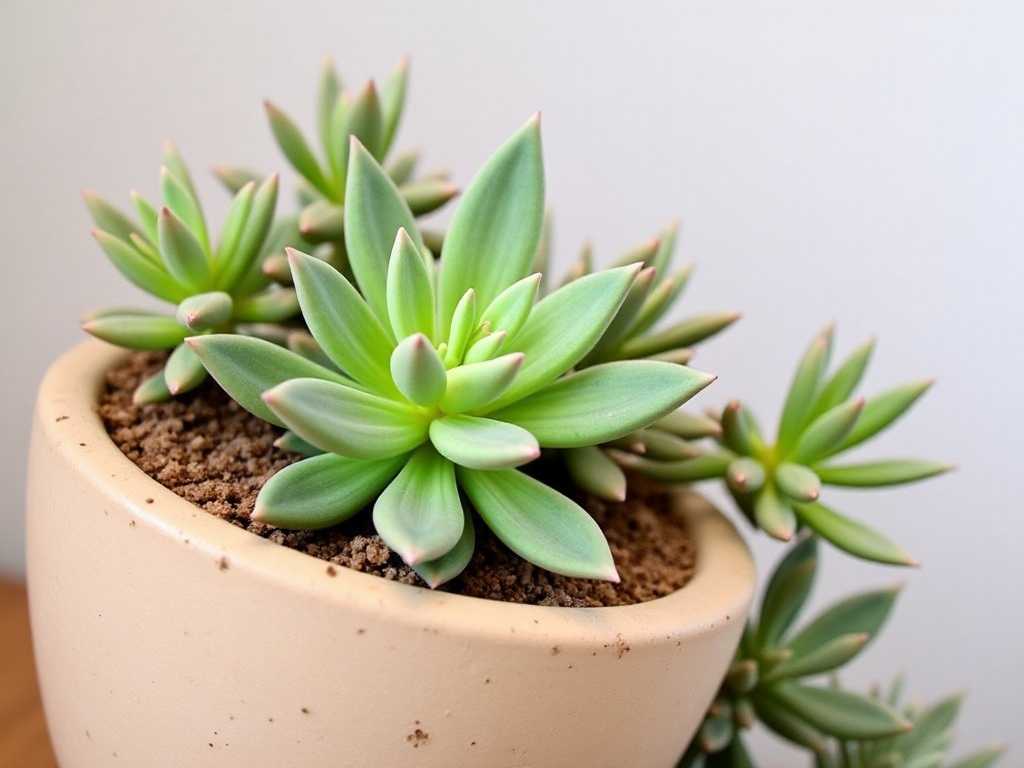
I almost lost my first Echeveria 'Lola' to overwatering. Its beautiful, lilac-tinged rosette turned mushy and sad within days of arriving at my home. That experience taught me that caring for this stunning succulent isn't just about admiration; it's about understanding its specific, non-negotiable needs. If you've ever wondered why your 'Lola' is stretching, losing color, or developing soft leaves, you're in the right place. I'm going to walk you through exactly how to care for Echeveria 'Lola', based on my own hands-on trials, errors, and successes. This guide is the result of meticulous observation, a two-week rescue mission, and lessons learned the hard way.
The Foundation: Light, Soil, and the Perfect Pot
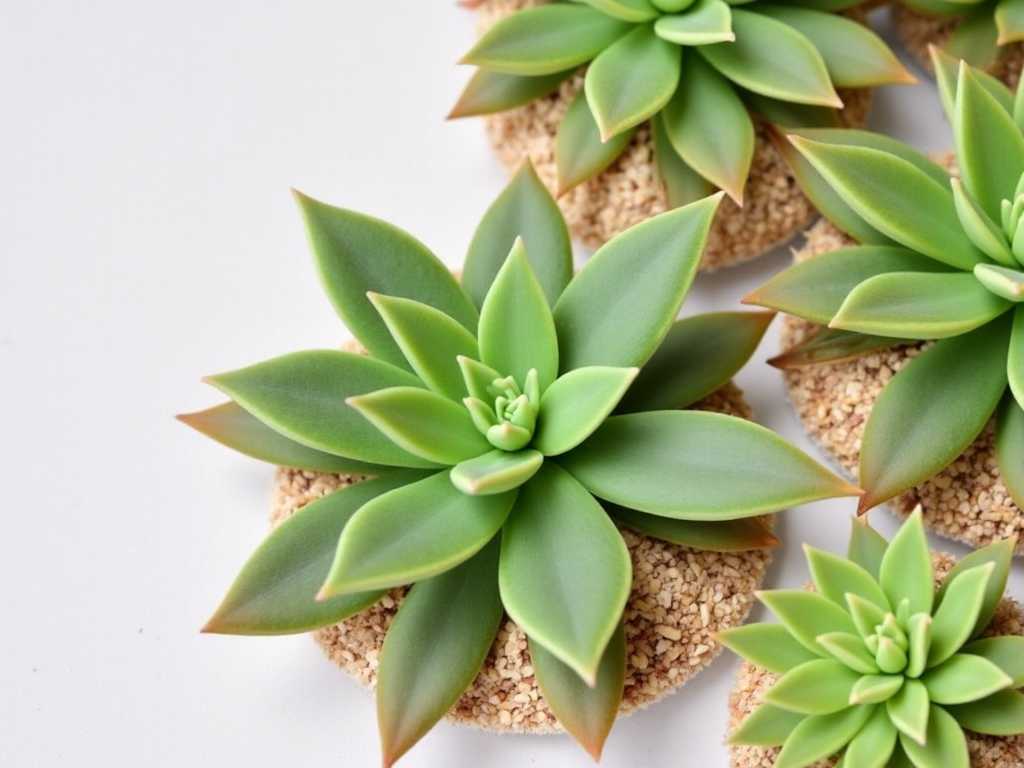
My journey with a new, slightly etiolated 'Lola' began with setting up the right environment. Getting these basics wrong is the root of most problems.
Sunlight is Non-Negotiable Echeveria 'Lola' needs bright, direct light to maintain its compact, rose-like form and gorgeous pastel hues. My plant arrived looking a bit "leggy," a clear sign it was reaching for more sun. I placed it on a south-facing windowsill where it receives at least 6 hours of direct sunlight daily. Morning sun is ideal, as intense afternoon rays in some climates can scorch the leaves. If you don't have a sunny window, a strong grow light is essential. I used a full-spectrum LED panel for 12 hours a day as supplemental light during a cloudy week.
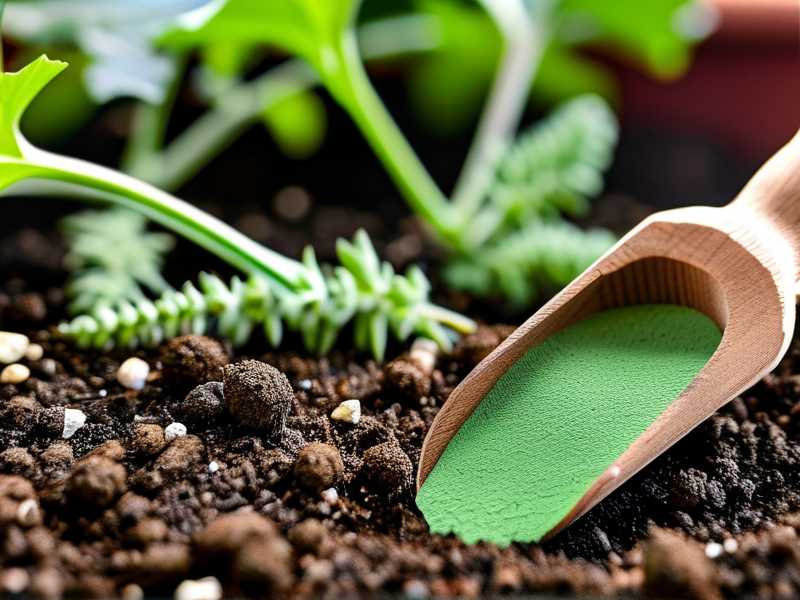
The "Fast & Loose" Soil Mix The number one killer of succulents is soggy soil. I learned this the hard way. For this 'Lola', I created my own mix: 50% standard succulent & cactus soil, 30% perlite, and 20% coarse sand. This combination ensures rapid drainage and prevents the roots from sitting in moisture. The Royal Horticultural Society (RHS) emphasizes the critical importance of "very well-drained, gritty compost" for echeverias, and this mix delivers exactly that.
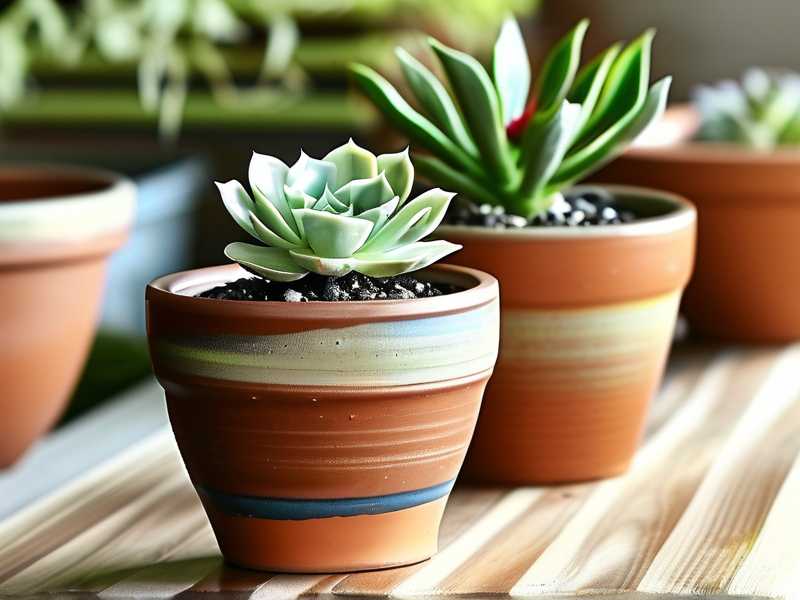
Potting with Drainage in Mind I chose an unglazed terracotta pot with a large drainage hole. Terracotta is porous, allowing the soil to dry out evenly and quickly. The pot was only slightly larger than the root ball—a common mistake is potting too large, which holds excess moisture. I filled the bottom with a layer of horticultural charcoal to help keep the soil fresh.
The Two-Week Rescue & Observation Log
Here’s my day-by-day account of caring for my Echeveria 'Lola' and observing its response.
Days 1-3: Acclimation and Initial Watering After repotting into the dry gritty mix, I waited a full 48 hours before its first watering. This allows any minor root damage from repotting to callus over, preventing rot. I then used the "soak and dry" method: placing the pot in a sink and watering thoroughly until water ran freely from the drainage hole. I let it drain completely before returning it to its sunny spot. The leaves, which were slightly wrinkled, began to plump up within 24 hours.
Days 4-10: Observing Growth and Color The plant showed no dramatic changes, which is good! In succulent care, no news is often good news. I resisted the urge to water again. The top inch of soil was bone dry, but the lower leaves were still firm. By day 7, I noticed the very center of the rosette had a tighter, more compact growth pattern—a direct response to the stronger light. The lilac and blue tones on the leaf edges became slightly more pronounced.
Days 11-14: The Second Watering and Clear Progress On day 11, the lower leaves showed the first signs of giving up their moisture—a slight give when gently squeezed. It was time for the second watering. I repeated the soak-and-dry process. Over the next three days, the entire rosette firmed up beautifully. A side-by-side photo comparison from day 1 to day 14 revealed a remarkable transformation: the plant was visibly more compact, the colors were richer, and it had produced several new, tightly packed leaves in the center. The etiolation from before was halted.
The Pitfalls I Encountered (And How I Fixed Them)
My path wasn't perfectly smooth. Here are the common issues in caring for Echeveria 'Lola' that I faced.
The Overwatering Temptation My first pitfall was thinking the dry topsoil meant the plant was thirsty. I watered a different 'Lola' too soon, and the stem began to blacken. The fix was drastic but necessary: immediate surgery. I beheaded the plant above the rot, let the cut end callus for a week, and then replanted it in dry soil. It re-rooted successfully. This taught me to always judge by leaf firmness, not just soil dryness.
The Sunburn Scare During a heatwave, I left 'Lola' in blazing afternoon sun. Several leaves developed permanent brown, scorched spots. The American Horticultural Society (AHS) notes that while succulents need sun, "acclimation is key to prevent sunburn." I moved the plant to a spot with bright morning light and filtered afternoon light. The damaged leaves won't recover, but new growth was protected.
Pest Patrol: Mealybugs I once spotted tiny white cottony masses in the leaf crevices—mealybugs. I isolated the plant immediately. My remedy was a 70% isopropyl alcohol solution applied directly to the pests with a cotton swab, repeated every few days for two weeks. For severe infestations, the RHS recommends systemic insecticides, but the alcohol treatment worked for my early detection.
Seasonal Adjustments for Long-Term Health
Caring for Echeveria 'Lola' changes with the seasons. In summer, it's actively growing and may need water every 10-14 days. In winter, it enters a near-dormant state. I reduce watering to once a month or less, just enough to prevent excessive leaf wrinkling. I also ensure it still gets several hours of direct light to avoid etiolation during short, gloomy days.
Propagation: Creating New 'Lola' Plants
One of the joys of echeveria care is propagation. I carefully removed a healthy lower leaf with a gentle twist. I let it callus for several days before laying it on dry soil. I misted the soil lightly only when it was completely dry. After a few weeks, tiny pink roots and a miniature rosette appeared. This process requires patience but is incredibly rewarding.
Frequently Asked Questions
How often should I water my Echeveria 'Lola'? There is no set schedule. The only reliable method is the "soak and dry" approach, watering only when the soil is completely dry and the leaves begin to feel slightly less firm. This could be every 10 days in hot weather or every 4-6 weeks in winter.
Why are the leaves falling off when I touch them? This is often a sign of overwatering. Soggy soil causes the stem and roots to rot, losing their grip on the leaves. Stop watering immediately, check the stem for rot, and consider beheading and re-rooting if necessary. It can also happen from physical shock or extreme temperature changes.
How do I get my 'Lola' to flower? Mature, happy plants will send up a bloom stalk in spring or summer. The key is providing enough light and a proper winter rest period with cooler temperatures (around 50-55°F) and minimal water. This seasonal stress often triggers flowering. Don't worry if it doesn't bloom; the rosette itself is the main attraction.
Caring for Echeveria 'Lola' is a practice in mindful neglect. It thrives when we provide intense light, infrequent but deep watering, and a well-draining home, then step back and let it do its thing. My two-week observation proved that with the right adjustments, even a struggling plant can show remarkable improvement. Pay attention to its language—the firmness of its leaves, the compactness of its growth, the color of its tips. Your 'Lola' will tell you exactly what it needs.