 admin
adminThe High-AltitudeSucculentGardener: My 2-Week Survival Guide for Thriving Plants
If you loveSucculents and live above 5,000 feet like I do, you know the unique struggle. That gorgeous Echeveria you brought home from the lowlands seems to sulk. The "full sun" recommendation leaves it scorched, and the "drought-tolerant" label feels like a cruel joke when your plants wither.Succulentcare for high-altitude areasisn't just a minor adjustment; it's a complete rethinking of the rules. I learned this the hard way after losing several precious plants to our intense sun, rapid temperature swings, and dry, thin air.
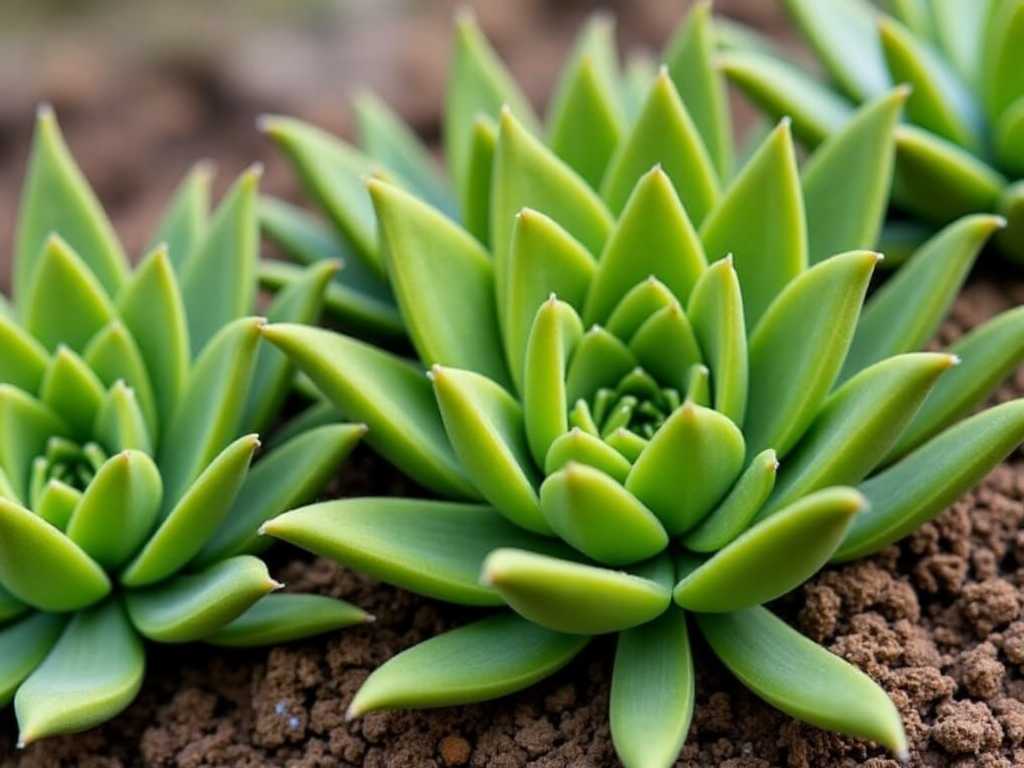
Frustrated but determined, I decided to run a controlled 2-week experiment. I took three of the same type of Sempervivum (Hens and Chicks), a reportedly hardy succulent, and placed them in three different conditions to crack the code of high-altitudesucculent care. Here’s exactly what I did, what I observed, and the critical lessons I learned.
Understanding the High-Altitude Assault on YourSucculents
Before my experiment, I needed to understand the enemy. It’s not one thing, but a combination of factors that low-altitude care guides never mention.
The sunlight here is brutally intense. According to data cited by the Royal Horticultural Society (RHS), UV radiation increases by about 10-12% for every 1,000-meter gain in altitude. My plants at 6,200 feet are bombarded with nearly 25% more UV radiation than at sea level. This doesn't just mean more light; it means faster transpiration and literal sunburn on leaves.
Then there’s the dryness. The air holds less moisture, pulling water from soil and plant tissues at an alarming rate. A "weekly watering" schedule for a succulent in humid Florida is a death sentence here. Finally, the temperature can plummet at night, even in summer, creating a shock that tenderSucculentsgrown in cozy nurseries aren't prepared for.
My 2-WeekSucculent CareExperiment: Setup and Protocol
I labeled three pots: Plant A (Full Alpine Sun), Plant B (Filtered Light), and Plant C (The "Greenhouse" Control).
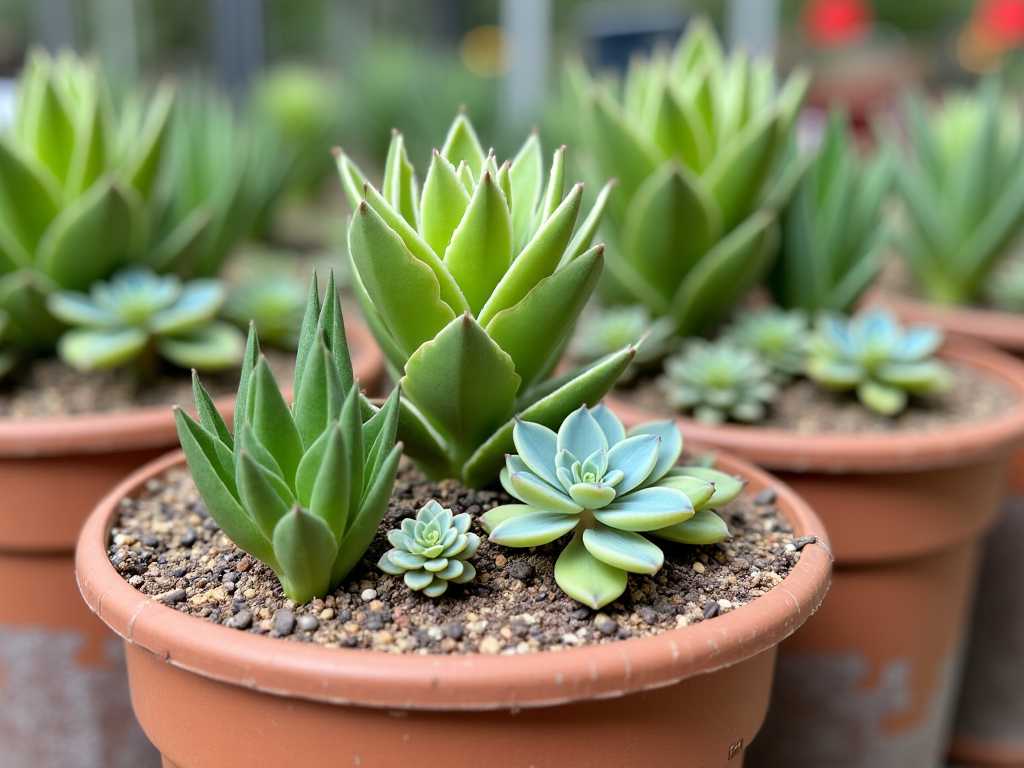
My setup was simple but deliberate. All three were planted in my custom high-altitude mix: 50% coarse perlite, 25% pine bark fines, and 25% cactus potting soil. This was my first non-negotiable change—drainage is everything.
- Plant A:Placed on a south-facing stone wall, receiving unfiltered, blazing sun from 10 AM to 6 PM.
- Plant B:Placed under a 30% shade cloth stretched on a simple frame, still on the south side but with protection.
- Plant C:Placed in a small, unheated cold frame with a clear lid. It received full sun but was shielded from wind and had slightly higher humidity.
My care ritual was consistent. Every morning at 7 AM, I checked soil moisture with a meteranda finger test. I watered only when the soil was completely dry two inches down. I recorded leaf color, firmness, and any signs of stress with photos.
Week 1 Observations: Stress Signals and Immediate Adjustments
The differences emerged startlingly fast.
By Day 3,Plant A (Full Sun)showed the first signs of distress. The outer leaves, which had a slight blush when I started, developed pale, papery patches—classic sunburn. The leaves also felt slightly less plump. I resisted watering, as the soil was still moist. This was my first big "aha" moment: thirst isn't the only cause of wilting; photodamage can mimic it.
Plant B (Filtered Light)was the star of Week 1. Its colors deepened to a healthy, stress-induced red hue without bleaching. The rosette remained tight, and the leaves were firm. It seemed perfectly content.
Plant C (Cold Frame)was a surprise. While protected, the interior temperature on a sunny day soared to 95°F (35°C), despite the cool outside air. I noticed a very faint, whitish film on one leaf—a warning sign of potential fungal issues from poor airflow and high humidity. I immediately propped the lid open during the day, a crucial fix to prevent rot.
Week 2 and The Tipping Point: Solving the Watering Conundrum
Entering Week 2, the trajectory became clear.
Plant A'ssunburn worsened. A few scorched leaves dried up completely. However, the central growth point remained green. On Day 10, the soil was finally bone dry. I gave it a thorough, deep watering until it drained freely. Theeffect within 48 hours was remarkable. The unburned leaves plumped up visibly, and the plant stopped looking desperate. It was adapting, sacrificing outer leaves to protect the core.
Plant Bcontinued to thrive. It required its first watering on Day 9, responding with vigorous growth. This confirmed that filtered light reduced water loss while providing ample energy.
Plant C, with its adjusted ventilation, stabilized. It avoided fungus and maintained good color, though it grew slightly more stretched than Plant B, reaching for the light filtered through the plastic.
The core lesson?WateringSucculentsat high altitudeis less about a schedule and more about reading environmental stress. The American Horticultural Society (AHS) emphasizes "watering based on plant need and environmental conditions," not the calendar. My experiment proved this absolutely. The same plant needed water 24 hours sooner in the shade than in the blistering sun, simply because the sun-stressed plant had closed its pores to survive.
The Pitfalls I Navigated and How You Can Avoid Them
My journey wasn't without stumbles. Here are the key pitfalls and how I solved them.
Pitfall 1: Assuming "Full Sun" is Universal.My early losses were due to this. The fix wasproviding afternoon shade. A simple shade cloth, a strategically placed taller plant, or moving pots to an east-facing location for morning-only sun made all the difference. It’s about protecting them from the most intense midday and afternoon rays.
Pitfall 2: Using Standard Potting Mix.It retains too much moisture in cool nights and not enough air for roots. Mywell-draining succulent soil mix, heavy on inorganic material, was the solution. It prevents root rot during cold, damp nights.
Pitfall 3: Ignoring the Microclimate.Wind is a silent thief of moisture. A succulent on a windy balcony will dry out far faster than one on a sheltered patio. I now use windbreaks like lattice or group plants together to create a more humid microclimate. The cold frame experiment showed the double-edged sword of protection—ventilation is key.
Pitfall 4: Overwatering in Panic.Seeing a shriveled plant under intense sun, my first instinct was to flood it. This is a classic mistake that leads to rot. I learned todiagnose before watering. Is it dry sunburn or true thirst? The finger test never lies. Water only when the soil is completely dry, and do so deeply in the morning so excess moisture evaporates during the day.
Your High-Altitude Succulent Success Plan
Based on my 2-week test and ongoing experience, here is your actionable plan:
- Prioritize Acclimatization:Any new succulent gets 2 weeks in dappled or morning-only sun before considering a sunnier spot. Gradual exposure is non-negotiable.
- Engineer the Soil:Ditch pre-made mixes unless labeled "extra gritty." Make your own with at least 50-70% inorganic matter (perlite, pumice, coarse sand).
- Master the Watering Signal:Forget the week. Use a moisture meter or chopstick. Water only when dry, and do it thoroughly. In peak summer, this might be every 7-10 days; in winter, it could be once a month or less.
- Embrace Strategic Shade:Afternoon shade is not a failure; it's intelligentgardening with succulents in mountainous regions. Use cloth, structures, or natural topography.
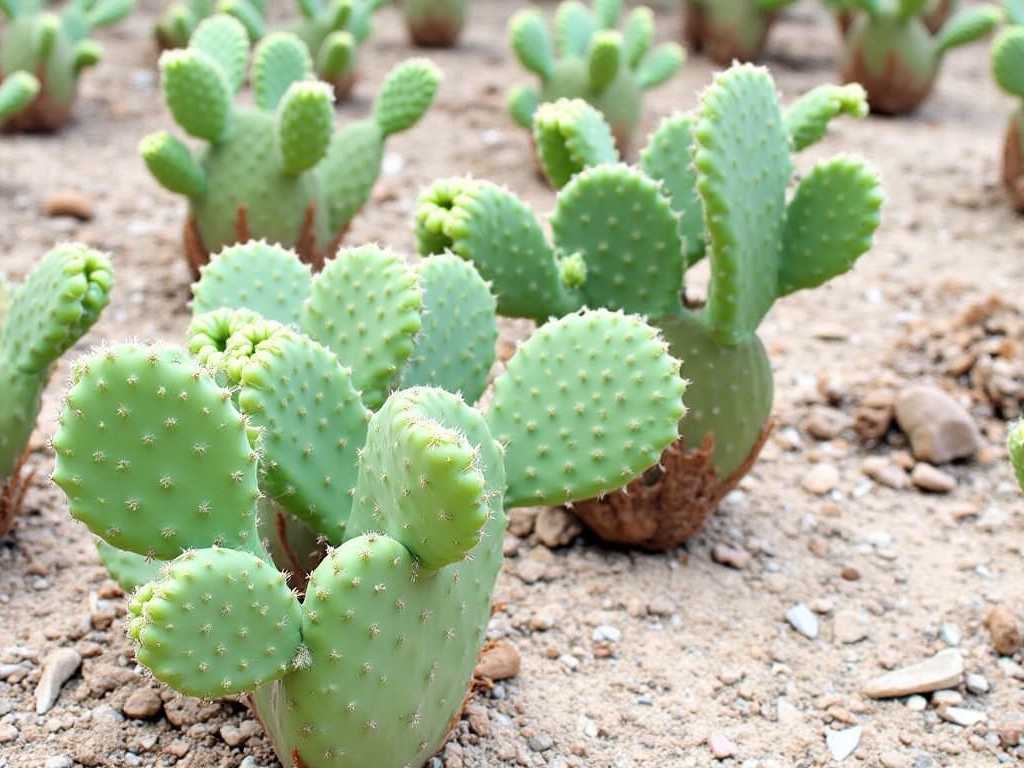
- Choose the Right Warriors:Opt for naturally hardy, cold-tolerant genera. Sempervivum, Sedum (especially stonecrops), and certain Opuntia cacti are born for this. Leave the delicate soft succulents for indoor spaces.
Frequently Asked Questions
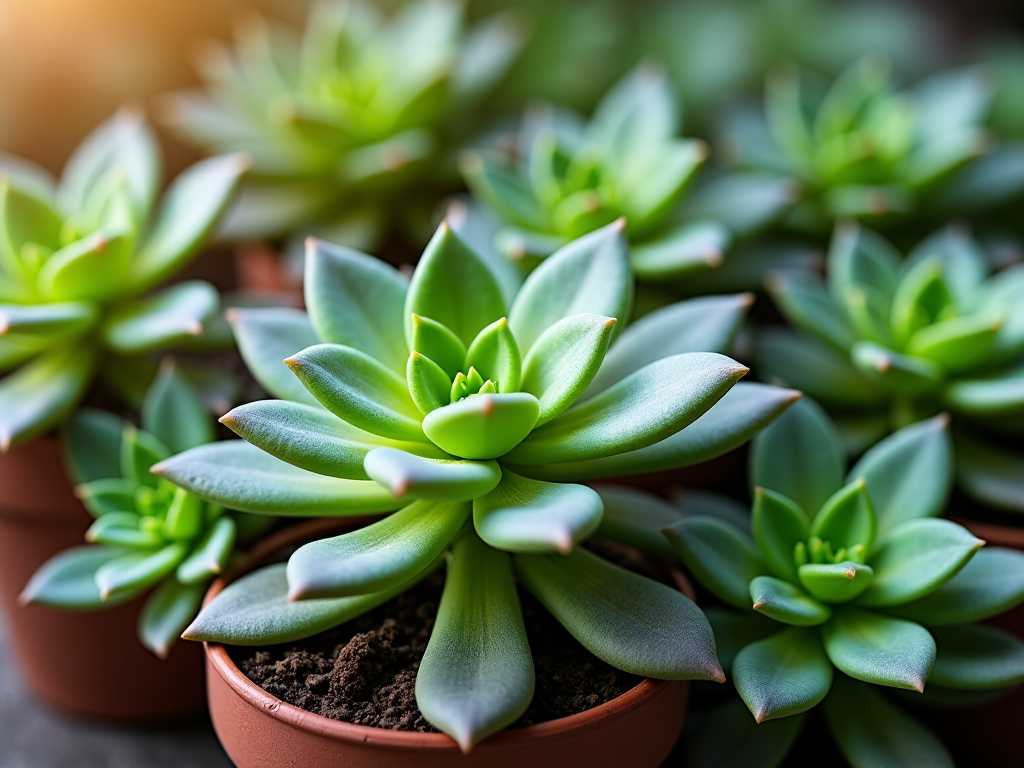
Can I grow succulents like Echeveria at high altitude?Yes, but treat them as part-sun plants. They need bright light but require protection from the intense midday and afternoon sun. An east-facing location is often perfect. Their color will be magnificent with the right light stress, not the bleaching of sunburn.
How do I protect my potted succulents from sudden frost?The enemy is often wet soil combined with freeze. In fall, reduce watering drastically. For potted plants, move them against a south-facing wall, under an eave, or into an unheated garage during cold snaps. For in-ground plantings, a layer of dry mulch can help insulate the roots.
My succulent's leaves are shriveling from the bottom up, even though I water. What's wrong?This is almost always a root issue. At high altitude, if the soil mix is wrong, the roots may have rotted from poor drainage and can no longer take up water,orthey may have dried and died from intense heat/underwatering. Gently unpot the plant, check the roots—healthy ones are firm and white or tan. Trim any rotten or desiccated roots, repot in fresh gritty mix, and water lightly after a few days to encourage new root growth.
Living at altitude requires a shift in mindset. We aren't just succulent owners; we are microclimate managers. By understanding the intense conditions—the powerful sun, the thirsty air, the temperature swings—and adapting our care to meet those challenges head-on, we can create stunning, resilient succulent displays that don't just survive, but truly thrive. It’s a rewarding journey of observation and adjustment, where every success feels like a hard-won victory against the elements.
发表评论