bluename
 How to Prevent succulents from Flowering (If Needed)
I love my succulents. Their sculptural forms and resilient nature make them perfect companions. But sometimes, a goal arises that seems counterintuitive: learning how to prevent succulents from flowering. It’s not about denying their beauty. It’s about prioritizing the plant’s long-term health and the specific aesthetic I’ve nurtured. If you’ve ever watched a beloved Echeveria stretch into a leggy, spent state after a dramatic bloom, you know the dilemma. This guide is born from my own hands-on trials, mistakes, and successes in managing—and sometimes halting—the flowering process.
Why Would Anyone Want to Stop a Flower?
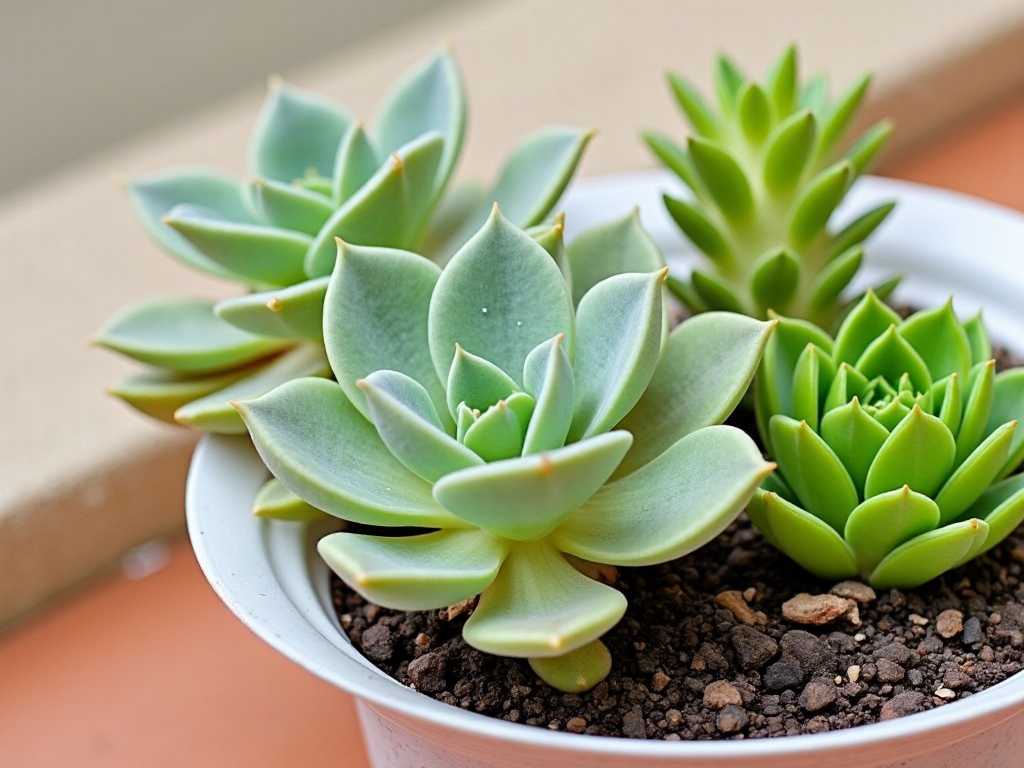
It seems unnatural, right? We grow plants to see them thrive and bloom. However, in the world of succulents, flowering is a massive energy expenditure. For monocarpic species like certain Sempervivum or Agave, it’s a death sentence—the main rosette dies after blooming. For others, like many Echeveria and Haworthia, it’s a drain that can leave the plant weakened, susceptible to pests, and often morphologically changed. The flowering stalk, or inflorescence, diverts resources from leaf and root development. Sometimes, the plant’s compact shape is lost forever. My decision to stop succulent flowering is a preventative care strategy, akin to pruning for vitality.
My Two-Week Experiment in Flower Control
I decided to run a focused experiment on a mature Echeveria ‘Perle von Nürnberg’ that showed early signs of a central bloom stalk. My mission was to test non-invasive methods to prevent succulents from blooming and document the effects over a critical two-week period.
Week 1: The Foundation – Adjusting Care Routines
The first step was environmental adjustment. I theorized that mimicking conditions slightly less than ideal for reproduction could signal the plant to conserve energy.
Light: The Primary Deterrent I moved the plant from its prime spot under my full-spectrum grow lights (which provided about 14 hours of light) to a shelf receiving bright, but only indirect, natural light for about 10 hours daily. The goal was to reduce the "perfect condition" cue that often triggers flowering. Dr. Linda Chalker-Scott, a horticulture expert whose work is often cited by the Royal Horticultural Society (RHS), notes that light duration and intensity are primary environmental triggers for flowering in many plants. I was careful not to plunge it into deep shade, which would cause etiolation.
Water: A Careful Balance I slightly moderated my watering schedule. Where I would normally give a deep soak once the soil was completely dry, I extended the dry period by an extra 2-3 days. The soil was bone dry for a longer interval. The aim was to induce mild, non-damaging stress. The American Horticultural Society (AHS) advises that while drought can stress plants, consistent severe underwatering is harmful. My approach was a subtle shift, not neglect.
Nutrients: Holding Back I completely withheld fertilizer. A high-phosphorus "bloom booster" formula is a common culprit in forcing flowers. My succulent was on a pure, balanced succulent fertilizer diet before, but for this experiment, I stopped all feeding. The plant would need to rely on existing soil nutrients.
The First Week’s Observations: By day 7, the emerging flower stalk had not elongated as rapidly as it did on a sibling plant I left as a control under grow lights. It seemed stalled, but not dead. The main rosette remained firm and its color was still good. However, I noticed the very lowest one or two leaves began to show signs of increased reabsorption—they turned slightly softer and yellower as the plant possibly scavenged nutrients. This was my first "踩过的坑" (or, the pitfall I encountered): I realized my slight underwatering, combined with no fertilizer, might have been too aggressive a one-two punch right away.
Week 2: Tactical Intervention & Correction
Seeing the slight stress in the lower leaves, I adjusted my strategy. The goal was to halt the bloom without compromising the core plant.
The Pinch: A Direct Approach On day 8, I sterilized a pair of precision tweezers (you can use a sharp, sterile knife or scissors). I carefully grasped the very base of the young, stalled flower stalk, as close to the core as possible without damaging the surrounding leaves, and gave a firm yet gentle twist and pull. It came out cleanly. I then dusted the tiny wound with cinnamon (a natural antifungal) to prevent infection. This is the most direct method to stop succulent flower stalks.
Post-Removal Care Recalibration Immediately after the removal, I corrected my earlier overzealousness. I gave the plant a thorough, deep watering, allowing excess to drain fully. I also returned it to a location with more consistent, bright light (though not the marathon grow-light session), about 12 hours daily. This provided energy for healing without the specific reproductive trigger. I continued to withhold fertilizer to allow it to focus on root and leaf recovery, not new growth spurts.
The Second Week’s Results: The plant’s response was clear. Within 3-4 days of stalk removal, the tiny wound at the center had calloused over perfectly. The stress on the lower leaves halted; no more leaves showed signs of reabsorption. By the end of the two weeks, the Echeveria’s center began to produce normal, vegetative growth again—new, tight leaf formations instead of a flower stalk. The control plant, meanwhile, had a towering, beautiful bloom that was already starting to look spent. My experimental plant retained its compact, rosette shape. The process was a success.
Key Methods to Discourage Flowering
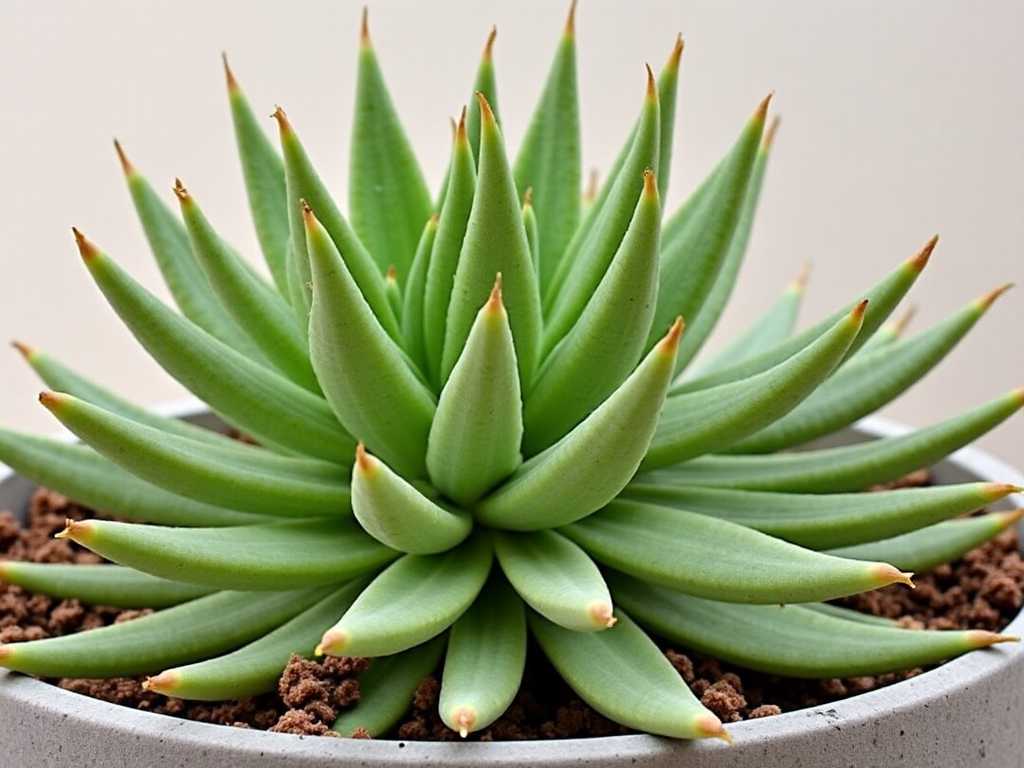
Based on this and other experiences, here are the actionable strategies.
1. Manage Light Exposure Avoid providing excessively long light periods (over 14 hours) which simulate the long days of summer, a common bloom trigger. Bright, adequate light for growth (10-12 hours) is different from intensive, prolonged light for reproduction. Observe your species; some flower in winter with shorter days. Research from institutions like the RHS can provide species-specific photoperiod clues.
2. Moderate Fertilization Especially avoid fertilizers high in phosphorus (the middle number in N-P-K ratios). Use a balanced, diluted fertilizer during active growing seasons only, or a formulation slightly higher in nitrogen to promote leafy growth. When you suspect a plant is gearing up to bloom, cease fertilization altogether.
3. Strategic Pruning of Flower Stalks This is your most effective direct tool. The earlier you catch the stalk, the better. Remove it cleanly at the base. For plants like Kalanchoe or some Sedum that produce many small stalks, you may need to be diligent. Always use sterile tools.
4. Pot-Bound as a Strategy (Use with Caution) A root-bound succulent will often focus its limited energy on survival and reproduction (flowering to set seed). This is unpredictable. While it can sometimes delay vegetative growth in favor of flowers, it’s a stressful state I don’t generally recommend as a control method. It’s more of an observation than a technique.
Common Pitfalls and How I Solved Them
Pitfall 1: Over-Stressing the Plant. My initial combined approach of less light, less water, and no food was too much at once. The plant started cannibalizing its own leaves. Solution: Implement changes gradually. If you choose to adjust environment, do one thing at a time and monitor. The safest single action is early stalk removal, followed by stable, healthy care.
Pitfall 2: Damaging the Meristem. When removing a central stalk from a tight rosette, it’s easy to nick or damage the growth point. Solution: Use fine, pointed tools like tweezers or a hobby knife. Patience is key. If the stalk is very central, sometimes it’s better to let it grow just 5-10mm to get a better grip, rather than digging into the core.
Pitfall 3: Infection After Removal. The fresh wound can be a gateway for rot, especially if watering immediately after. Solution: Always use sterile tools. Apply a dab of cinnamon or let the wound air-dry in good airflow for a day before any water touches the area. I now wait 2-3 days after removal before my next watering.
Pitfall 4: Assuming All Succulents Are the Same. A Jade Plant (Crassula ovata) handles flowering very differently than a Sempervivum. One is a minor energy dip, the other is a terminal event. Solution: Know your plant. Research its life cycle. For monocarpic plants, preventing flowers is about propagating the pups or offsets before the main plant decides to bloom and die.
When Letting Them Bloom is the Right Choice
All this said, sometimes you should let nature take its course. For mature, healthy plants that offset readily, a bloom can be a magnificent reward. Flowering can also be a sign your care is excellent. For common, prolific growers like many Sedums or certain Aloes, the energy cost is minimal. I never stop flowering on these. The decision is a personal calculation of plant health, rarity, and your aesthetic goals.
Will removing the flower stalk kill my succulent? No, not if done correctly. For non-monocarpic succulents, removing the stalk is like deadheading any other flower. It redirects energy. The key is to avoid damaging the main stem or introducing infection. Your plant will likely respond with new vegetative growth.
Is it cruel to prevent a plant from flowering? We anthropomorphize our plants, but they don’t have desires. They respond to signals. Cultivation is already a manipulation of natural conditions. Preventing flowering is a cultivation choice aimed at longevity and form, similar to pruning a tree for strength or pinching herbs for bushiness. The priority is the overall health of the organism.
What’s the absolute best time to stop the flowering process? The moment you detect it. Early intervention is everything. A tiny, nascent stalk is easier to remove with minimal trauma than a mature, woody one. Regular inspection of your plants’ centers during their typical blooming season is the best preventative habit you can develop.
Managing succulent flowering is an advanced aspect of care that underscores a deep engagement with these remarkable plants. It’s not about control for its own sake, but about making informed choices for the well-being of your collection. By understanding the triggers, employing careful environmental tweaks, and using precise physical intervention when needed, you can guide your succulents to prioritize the stunning foliage and robust form that drew you to them in the first place. My two-week experiment proved that with observation and timely action, you can successfully navigate this process, keeping your succulents thriving on your own terms.