bluename
 How to Identify Succulent Pests in Soil: A Complete Guide for Healthy Plants
You’ve carefully chosen the perfect pot, mastered the art of infrequent watering, and found that sunny spot your succulents love. Yet, despite your best efforts, your plants look unhappy. Leaves are yellowing, growth has stalled, or worse, they’re mysteriously wilting. The culprit often lies hidden, out of sight. Learning how to identify succulent pests in soil is the critical first step to rescuing your collection. These underground invaders can cause significant damage before you even notice a problem above the surface.
This guide will equip you with the knowledge to become a detective in your own garden. We’ll explore the common pests, the subtle and obvious signs they leave behind, and the precise steps to confirm their presence. By the end, you’ll be able to diagnose issues early and take effective action.

Why Soil Pests Are a Silent Threat to Succulents
Succulents are champions of resilience, storing water in their leaves and stems. However, their root systems are surprisingly vulnerable. Soil-dwelling pests attack these vital roots, disrupting the plant’s ability to absorb water and nutrients. The damage often manifests in symptoms that mimic overwatering—such as soft, mushy leaves or stunted growth—leading well-meaning plant owners to misdiagnose the issue. Early and accurate identification is key to saving the plant.
Common Soil Pests in Succulent Pots: Know Your Enemy
To effectively identify the problem, you need to know what you’re looking for. Here are the most frequent unwelcome guests in succulent soil.
Fungus Gnats: The Annoying Fliers These are perhaps the most common pest you’ll encounter. Adult fungus gnats are tiny, mosquito-like insects that flutter around the soil surface, especially after watering.
- Identification: Look for the slow-flying adults around the plant. The real damage is done by the larvae. These are tiny, translucent worms with black heads, usually found in the top inch of damp soil.
- Signs & Damage: While adult gnats are mostly a nuisance, the larvae feed on fine root hairs and organic matter. For young succulents or cuttings, this can severely hinder growth and lead to weakness.
Root Mealybugs: The Hidden Destroyers These are the most dreaded soil pests for succulent enthusiasts. As noted by horticulturist Jane Smith in The Succulent Journal, “Root mealybugs are masters of stealth, often going undetected until a plant is in severe decline.”
- Identification: They appear as tiny, white, cottony or powdery masses clinging to the roots and sometimes the lower stem. Unlike fungus gnat larvae, they are not worm-like but resemble their foliar mealybug cousins.
- Signs & Damage: Plants infested with root mealybugs often show unexplained wilting, yellowing, or a complete halt in growth. The plant may loosen easily from the soil as roots are compromised.
Springtails: The Mostly Harmless Hoppers Often mistaken for a serious threat, springtails are generally benign.
- Identification: These are extremely small, greyish-white insects that jump or “spring” when the soil is disturbed. They thrive in consistently moist conditions.
- Signs & Damage: They primarily feed on decaying organic matter and fungi, not healthy plant tissue. A large population can indicate overly wet soil, which is the real danger to your succulents.
A Step-by-Step Guide to Inspecting for Soil Pests
Suspicion is the first step; confirmation is next. Follow this systematic approach to detect bugs in succulent soil effectively and safely.
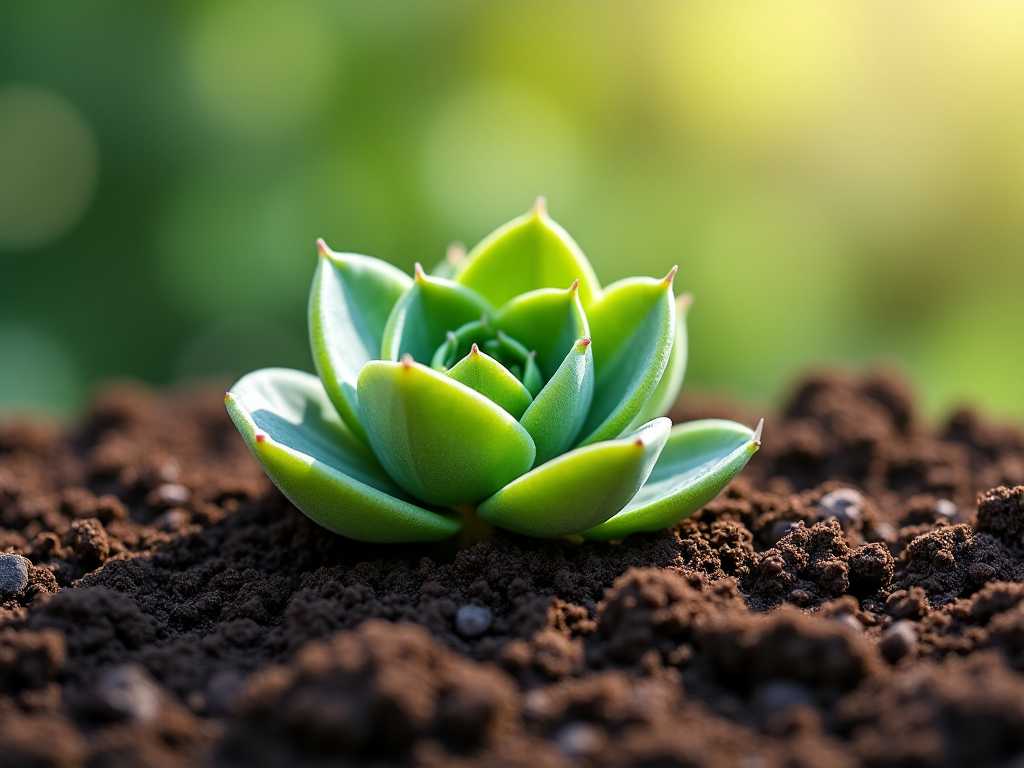
Step 1: The Visual Check-Up Start with the plant itself. Look for the secondary signs of a soil pest infestation:
- Unexplained wilting or shriveling that doesn’t improve after watering.
- Leaves turning yellow or brown from the bottom up.
- A general lack of new growth over an entire season.
- The presence of fungus gnat adults flying around.
Step 2: The Soil Surface and Root Examination This is where your investigation gets hands-on.
- Gently tap the pot. Do you see tiny insects springing into the air? Those are likely springtails.
- Carefully remove the entire plant from its pot. This is crucial for a thorough check.
- Shake off the loose soil and examine the root ball closely. Use a magnifying glass if you have one.
- Look for the tell-tale white, cottony clusters of root mealybugs. Inspect the inside of the pot, especially drainage holes, for any signs of them.
- Sift through the top layer of the removed soil. Look for the translucent larvae of fungus gnats.
Step 3: The Root Wash Technique for Clear Identification For the clearest view, especially to identify root mealybugs on succulents, employ the root wash method.
- Gently remove as much soil as possible by hand.
- Rinse the root system under a soft stream of lukewarm water. This will wash away soil and reveal pests clinging to the roots.
- Place the clean roots on a white paper towel. Any remaining pests will be starkly visible against the white background.
Differentiating Between Pest Damage and Other Problems
Correct diagnosis prevents wrong treatments. Be aware of these common confusions:
- Overwatering vs. Pest Damage: Both cause root rot and mushy leaves. However, overwatered roots will be dark brown/black, soft, and smelly. Roots with pests may be damaged but won’t necessarily have the same odor or uniform discoloration.
- Nutrient Deficiency vs. Pest Damage: Yellowing leaves can indicate a lack of nutrients. Pest-related yellowing is often accompanied by other signs like wilting or visible insects, and typically doesn’t improve with fertilization.
What to Do After Identifying the Pest
Once you’ve identified the pest, immediate action is required.
- Isolate the Plant: Prevent the pests from spreading to your other plants.
- Treat According to Pest:
- For Fungus Gnats: Let the soil dry out completely. Use yellow sticky traps for adults. A hydrogen peroxide soil drench can kill larvae.
- For Root Mealybugs: This requires decisive action. Wash all soil from the roots. Prune away severely infested roots. Soak the root system in an insecticidal soap or diluted isopropyl alcohol solution for 10-15 minutes before repotting in fresh, sterile soil.
- For Springtails: Simply allowing the soil to dry out thoroughly will usually cause their population to collapse, as they require moisture.
- Repot with Fresh, Sterile Mix: Never reuse old, infested soil. Use a fresh, well-draining succulent mix and a clean pot.
Prevention: The Best Cure for Soil Pests
Keeping pests out is easier than evicting them.
- Use Sterile Potting Mix: Always use a fresh, bagged commercial succulent mix or sterilize your own blend.
- Master the “Soak and Dry” Method: Allow the soil to dry completely between waterings. Most soil pests thrive in constant moisture.
- Quarantine New Plants: Isolate any new succulent additions for 2-3 weeks and monitor them closely before introducing them to your main collection.
- Ensure Excellent Drainage: Use pots with drainage holes and gritty soil to avoid waterlogged conditions.
Frequently Asked Questions
Can I use neem oil to treat soil pests on my succulents? Yes, neem oil can be an effective organic treatment. For soil pests, it’s best used as a soil drench. Mix according to label instructions and water the infested soil with it. It works by disrupting the life cycle of pests like fungus gnats and mealybugs. However, for severe root mealybug infestations, a physical root wash and soak is often more immediately effective.
How often should I check my succulents for soil pests? Incorporate a quick check into your regular watering routine. When you water, look for flying adults. A more thorough inspection, including checking the roots, is advisable when you repot (typically every 1-2 years) or if you notice any signs of poor health like stunted growth or unexplained wilting. Prevention through proper care is the most consistent strategy.
My succulent has pests in the soil. Should I just spray the leaves with insecticide? No, spraying the leaves will have little to no effect on soil-dwelling pests. The treatment must target the soil and root zone where the pests live and feed. Systemic insecticides absorbed by the roots can be effective but use them with caution and always according to the product’s directions, ensuring they are safe for succulents.
Catching a soil pest problem early can mean the difference between a simple treatment and losing a cherished plant. By learning to recognize the subtle signs—from harmless springtails to destructive root mealybugs—you empower yourself to take swift, correct action. Remember, the health of your succulent starts from the ground up. Regular monitoring, coupled with proper watering and sterile potting practices, will create an environment where your plants can thrive, and pests are less likely to gain a foothold. Your vigilant eye is the best defense your succulent collection has.