bluename
 Mastering succulent care in Cold Frame Gardens: Your Guide to Year-Round Thriving Plants
You’ve invested time and love into your succulent collection, drawn to their sculptural forms and resilient nature. But as the seasons turn, a familiar anxiety creeps in. Frost warnings threaten your tender echeverias. Winter rains promise rot for your prized sedums. The dream of enjoying these drought-tolerant beauties year-round seems to clash with the reality of harsh weather. If you’re struggling to protect your succulents from the elements without bringing a jungle indoors, there is a perfect, often overlooked solution. This comprehensive guide is dedicated to mastering succulent care in cold frame gardens. A cold frame, a simple protective structure, can be the game-changer that transforms your succulent gardening, allowing you to overwinter delicate varieties, extend growing seasons, and cultivate a stunning display that defies the calendar.
Why a Cold Frame is the Ultimate Tool for Succulent Enthusiasts
A cold frame is essentially a miniature, unheated greenhouse. Traditionally a bottomless box with a transparent, slanted lid, it captures solar warmth during the day and provides insulation against cold nights. For succulent care, this creates a unique microclimate. According to horticultural experts like those at the Royal Horticultural Society, cold frames are invaluable for “hardening off” plants and providing protection from excessive winter wetness—the primary killer of many succulents. This environment directly addresses the core challenges of overwintering succulents in a protected space. It’s not about creating tropical heat, but about moderating extremes: keeping plants drier and a few critical degrees warmer than the outside air.
Choosing and Setting Up Your Succulent Cold Frame
Not all cold frames are created equal, especially when tailored for succulents. Their needs differ from vegetable seedlings or alpine plants.
Selecting the Right Cold Frame Structure You can choose a ready-made model or build a DIY cold frame. Key considerations are size, material, and ventilation. Wood is attractive and insulates well but may rot; cedar or redwood are durable choices. Aluminum or polycarbonate frames are lightweight and low-maintenance. Most critically, the lid must be transparent (glass or twin-wall polycarbonate) and able to be propped open easily. Automatic openers, which use a heat-sensitive piston, are a worthwhile investment for maintaining optimal succulent conditions by preventing overheating on unexpectedly sunny winter days.
The Perfect Location and Foundation Placement is 90% of success. Site your cold frame in a spot with maximum sunlight exposure, ideally facing south to capture low winter sun. Ensure it’s sheltered from strong, prevailing winds. For succulents, drainage is non-negotiable. Never place the frame directly on soil or lawn. Instead, set it on a base of gravel, pavers, or a well-draining sand mix. This foundation prevents water from pooling underneath and wicking up into your pots, creating the sharp drainage succulents crave.
Essential Cold Frame Management for Healthy Succulents
Managing the environment inside your cold frame is an active, seasonal practice. It’s a balance of harnessing and moderating nature’s forces.
Mastering Ventilation and Temperature Control This is the most crucial daily task. Even on cold, bright days, the sun can rapidly heat the enclosed space to levels that “cook” your succulents. The golden rule is to open the lid when the interior temperature rises above 50°F (10°C) and close it in the late afternoon to trap residual warmth. In spring and fall, the lid may be left partially open for extended periods. In deep winter, it may stay mostly closed, only opened on mild days for air circulation to prevent fungal issues.
Watering Strategies for the Protected Environment Watering needs plummet inside a cold frame. The structure shields plants from rain and reduces evaporation from wind, meaning the soil stays moist far longer. During the dormant winter period, water sparingly—only once every 4-6 weeks, and only on a mild morning so excess moisture can dissipate before nightfall. The goal is to prevent shriveling while keeping the roots nearly dry. Always water the soil directly, avoiding moisture on the leaves.
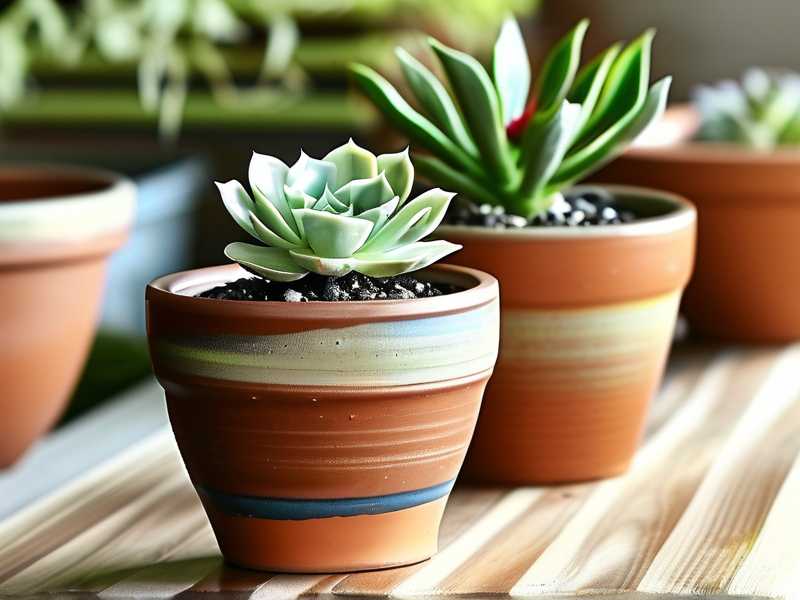
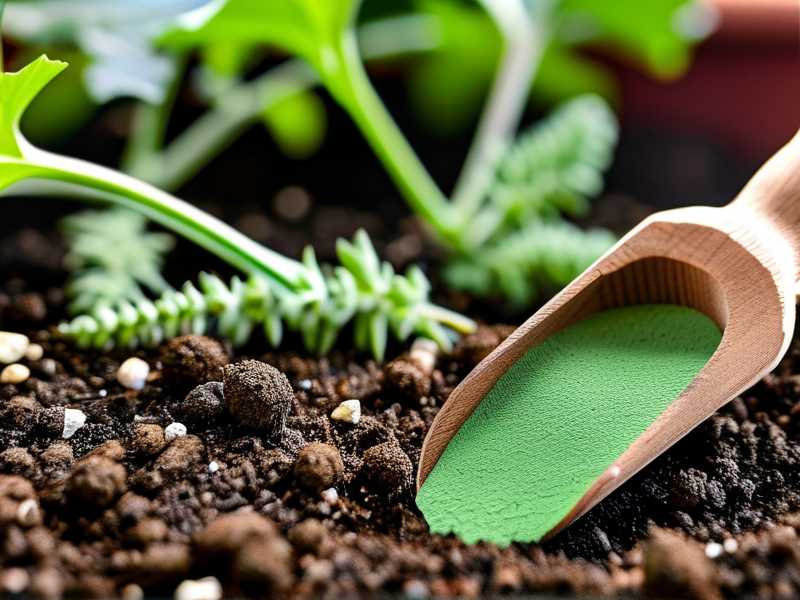
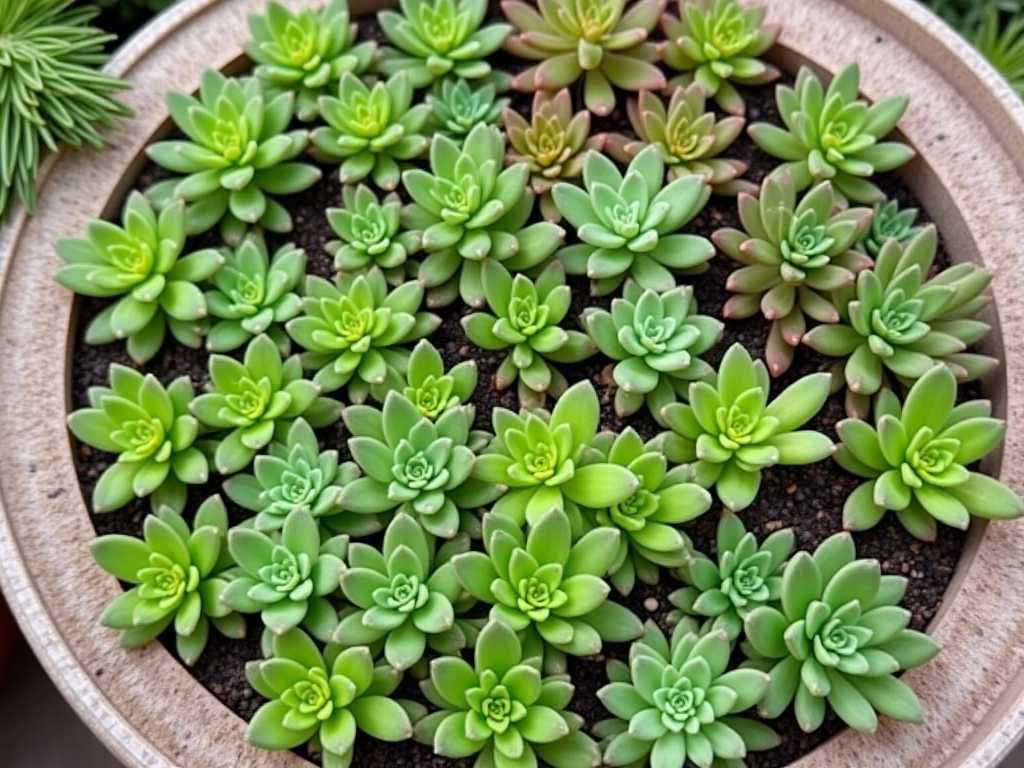
Soil and Potting Considerations for Frame Gardening Use a gritty, fast-draining succulent and cactus mix as your base. To enhance drainage further, consider adding extra perlite or pumice. Terracotta pots are ideal as they breathe, helping soil dry out faster. Ensure every container has a large drainage hole. Arrange pots with the most cold-sensitive succulents (like some Aeoniums or tender Echeverias) toward the center-back, where they get the most warmth. Hardier varieties like Sempervivum or Sedum can be placed near the edges.
Seasonal Succulent Care Schedule for Your Cold Frame
Your management will change with the sun’s path and the thermometer.
Autumn Transition (Preparing for Winter) In early fall, begin moving your succulents into the frame. This is the time for a thorough check: remove any dead leaves, treat for pests, and hold off on fertilizing. Acclimate plants by opening the lid widely at first, then gradually closing it over a week or two as nighttime temperatures drop. This process hardens them off gently.
Deep Winter Vigilance (The Dormant Period) Your primary winter roles are monitor and protect. On frigid nights, especially those below 20°F (-7°C), add an extra layer of insulation over the frame. An old blanket, a burlap sack filled with leaves, or a dedicated frost cloth can make a significant difference. Clear any heavy snow from the lid to allow light penetration. Watering is minimal—only if leaves show significant signs of wrinkling.
Spring Awakening and Summer Adjustments As days lengthen and temperatures consistently rise, increase ventilation. This is the season to prevent a sudden heat buildup. By late spring, many succulents can be moved out of the frame to their summer locations. The cold frame can then be used to propagate new cuttings or shelter young, delicate plants from heavy spring rains. In summer, you may remove the lid entirely or use the frame to shade a few varieties that prefer less intense afternoon sun.
Troubleshooting Common Cold Frame Issues
Even with care, challenges can arise. Quick identification is key.
- Condensation and Fungus: Excessive moisture on leaves can lead to rot or mold. Increase ventilation immediately. Ensure plants are not overcrowded for good air flow.
- Pests: Mealybugs and aphids can still find their way in. Isolate and treat infested plants promptly with insecticidal soap or isopropyl alcohol.
- Etiolation (Stretching): If plants become leggy and pale, they are not receiving enough light. Clean the lid to maximize transparency and consider supplemental lighting or rotating plants.
- Overheating: Wilting or sunburned leaves signal excessive heat. Improve ventilation protocols and consider using shade cloth during unexpectedly hot, sunny spells in transitional seasons.
Can I leave my succulents in the cold frame all summer? It’s not recommended for most. The primary purpose is protection from cold and wet. In summer, a closed cold frame can become an oven, and even open, it may restrict growth and air circulation. It’s best to move plants to their preferred summer spots and use the frame for propagation or shade-loving varieties.
What temperature is too cold for a cold frame? It depends on the succulent species and your frame’s insulation. A well-built cold frame can maintain an interior temperature 5-15°F (3-8°C) above the outside air. While hardy sedums can handle freezing inside the frame, tender succulents should be protected when outside temperatures are forecast to drop below 25°F (-4°C). Adding a thermal mass like water jugs or adding extra insulation can boost protection during extreme cold snaps.
How do I know when to water my succulents in the cold frame during winter? Ignore the calendar. Rely on the signs from the plants themselves. Gently squeeze a lower leaf. If it feels firm and plump, do not water. If several leaves feel thin, flexible, and look slightly wrinkled, it’s time for a very light, targeted watering at the soil line on the next mild morning. When in doubt, it’s always safer to wait.
Embracing the technique of succulent care in cold frame gardens unlocks a new dimension of gardening resilience and joy. It bridges the gap between the natural limitations of your climate and the desire to cultivate a diverse, thriving collection. By understanding the simple principles of microclimate management—focusing on drainage, ventilation, and seasonal awareness—you transform a basic structure into a sanctuary for your plants. This approach allows you to experiment with more delicate species, enjoy vibrant colors for longer, and witness the quiet beauty of your succulents resting safely through the winter, ready to burst into growth with the returning sun. Start small, observe closely, and let your cold frame become the cornerstone of your year-round succulent success.