bluename
 Mastering succulent care for Greenhouses: A Complete Guide to Year-Round Success
Are your greenhouse succulents stretching out, losing their vibrant colors, or showing signs of rot? You’ve invested in a controlled environment, yet achieving that perfect, compact growth and stunning stress coloration seems elusive. The challenge isn’t just keeping them alive—it’s unlocking their full potential. This comprehensive guide cuts through the confusion, transforming your greenhouse from a simple shelter into a powerhouse for pristine succulent care for greenhouses. We’ll move beyond basic survival to master the precise balance of light, water, and climate that turns collections into showcases.
Why a Greenhouse is Your Ultimate Succulent Advantage
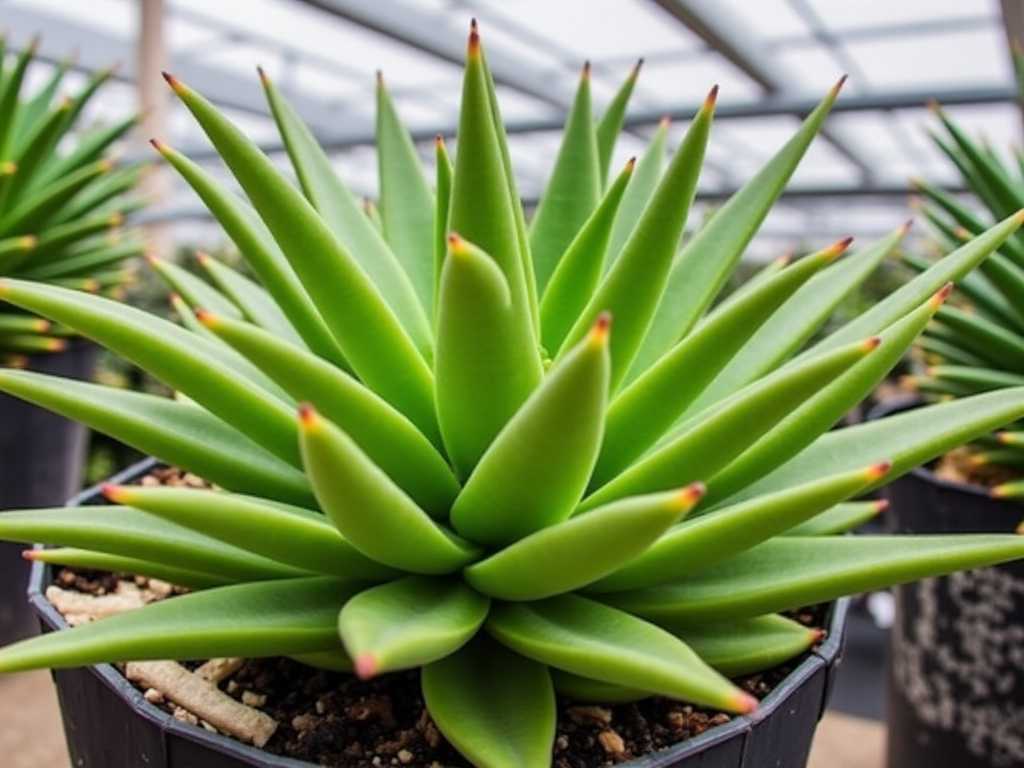
A greenhouse offers unparalleled control, but it also introduces unique variables. Understanding this environment is the first step to expert-level greenhouse succulent cultivation.
- Controlled Climate, Customized Results: Unlike a windowsill, a greenhouse allows you to manipulate seasons. You can protect tender varieties from frost and create ideal, stable conditions for growth during off-months.
- Amplified Light Management: While providing abundant light, greenhouse glazing can filter UV rays crucial for stress colors. We’ll address how to supplement light effectively.
- The Airflow Factor: Stagnant, humid air is a succulent’s enemy. Proper greenhouse ventilation is non-negotiable for preventing disease and promoting strong transpiration.
The Four Pillars of Flawless Greenhouse Succulent Care
Success hinges on mastering the synergy between four critical elements. Neglecting one can undermine the others.
1. Precision Lighting for Color and Form
Light is the architect of succulent shape and hue. Insufficient light causes etiolation—weak, stretched growth. The goal is vibrant, compact plants.
- Understanding Daily Light Integral (DLI): Succulents typically thrive with a DLI of 6-12 mol/m²/day. Use a light meter app or consult greenhouse charts to assess your levels. South-facing orientations usually provide the best natural baseline.
- Supplementing with Grow Lights: During short winter days or in shaded areas, LED grow lights are essential. Opt for full-spectrum LEDs. Provide 12-14 hours of supplemental light, ensuring a dark period for plant respiration.
- Acclimatization is Key: Always harden off new plants or those moved from lower light. Gradually increase their exposure over 7-10 days to prevent sunburn.
2. The Art and Science of Watering
Overwatering is the top killer, especially in a greenhouse where evaporation rates can vary.
- The “Soak and Dry” Method, Perfected: Water only when the soil is completely dry throughout the pot. When you water, do so deeply until it runs freely from the drainage holes. This encourages robust root growth.
- Seasonal Intelligence: Reduce watering frequency dramatically in winter when plants are dormant. Increase slightly during peak summer growth, but always let the soil condition—not the calendar—be your guide.
- Tool Recommendation: Use a long-spouted watering can to direct water to the soil base, avoiding moisture on rosettes which can lead to rot.
3. Soil and Drainage: Building the Foundation
The right soil mix is your insurance policy against overwatering.
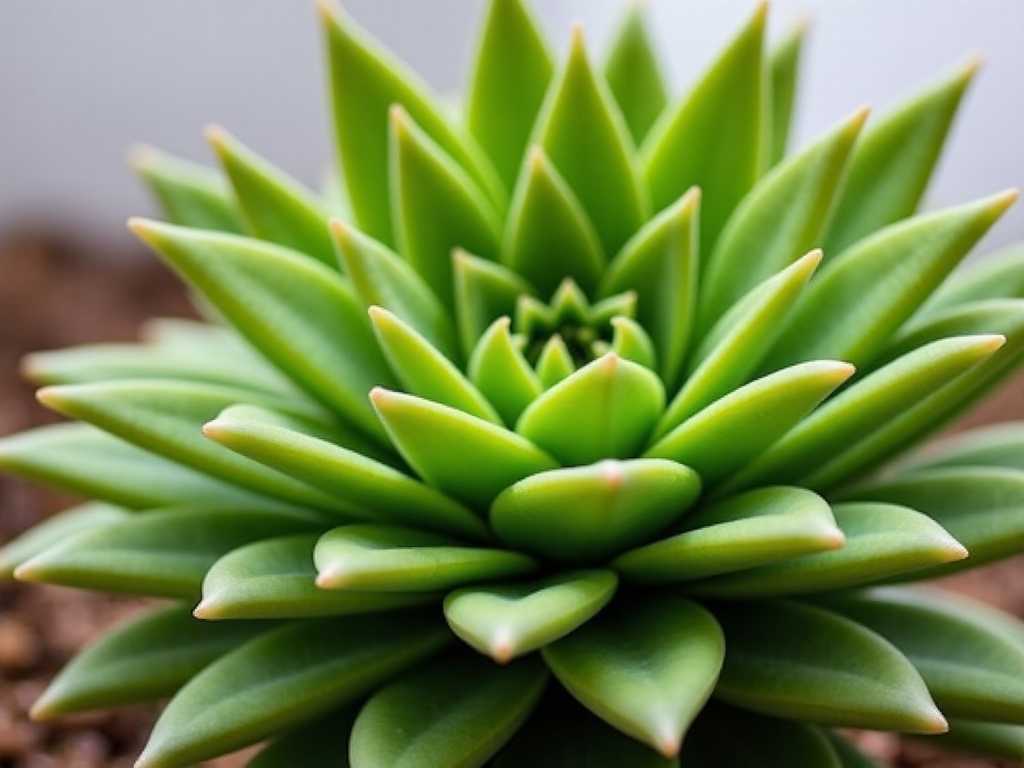
- The Ideal Greenhouse Mix: Start with a commercial cactus & succulent mix, but amend it further for greenhouse humidity. A proven recipe is 50% potting soil, 30% coarse perlite or pumice, and 20% coarse sand or fine gravel. This ensures rapid drainage and aeration.
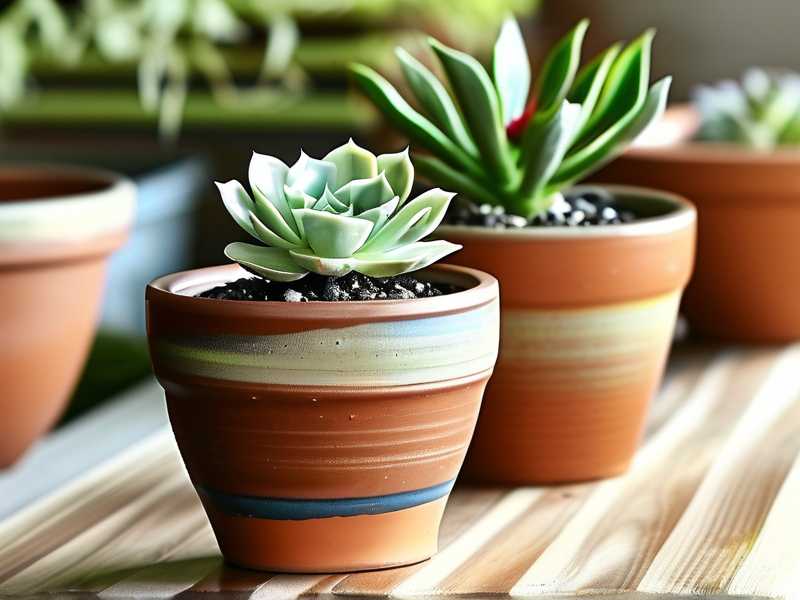
- Pot Selection Matters: Always use pots with drainage holes. Terracotta pots are excellent for greenhouses as they are porous, wicking away excess moisture from the soil.
4. Climate Control: Temperature, Humidity, and Airflow
This is where greenhouse succulent care truly becomes a science.
- Optimal Temperature Ranges: Most succulents prefer daytime temperatures between 70-85°F (21-29°C) and cooler nights around 50-60°F (10-15°C). This day-night differential is healthy.
- Managing Humidity: Aim for 40-50% relative humidity. Use exhaust fans and roof vents to expel damp air. A simple hygrometer is a vital tool. As noted by Dr. Linda Chalker-Scott, excessive ambient moisture “creates a prime environment for fungal pathogens to infect plant tissues.”
- Prioritize Constant Air Movement: Even with controlled humidity, use oscillating fans to keep air moving over and around your plants. This strengthens stems and drastically reduces pest and disease risk.
Advanced Propagation and Seasonal Management
Your greenhouse is a propagation paradise. Leverage it to expand your collection.
- Propagation Stations: Dedicate a slightly shadier, humidified bench for leaf and cutting propagation. Mist cuttings lightly until roots form, then treat as mature plants.
- The Winter Rest Period: Recognize that many succulents need a cool, dry rest. Reduce temperatures to 45-55°F (7-13°C) if possible, and water only sparingly to prevent root desiccation. This period is crucial for future flowering.
- Summer Vigilance: In peak heat, monitor for sunburn. Use shade cloth (30-50%) during the hottest hours to diffuse intense light and prevent overheating.
Integrated Pest and Disease Management
A closed environment can allow pests to spread quickly. Adopt a proactive, integrated approach.
- Common Greenhouse Pests: Regularly inspect for mealybugs (look for white cottony masses), aphids, and spider mites (look for fine webbing). Isolate infected plants immediately.
- First-Line Defense: For minor infestations, use a strong jet of water or dab pests with a cotton swab dipped in 70% isopropyl alcohol.
- Preventing Fungal Issues: The best cure for root rot and mildew is prevention through proper watering and airflow. If disease appears, remove affected parts immediately with sterile tools and apply a suitable fungicide.
Frequently Asked Questions
How often should I fertilize my greenhouse succulents? Fertilize sparingly, only during the active growing season (spring and summer). Use a balanced, water-soluble fertilizer diluted to 1/4 or 1/2 strength, applied once a month. Over-fertilization leads to weak, leggy growth.
Can I grow different succulent genera together in the same greenhouse? Yes, but group them by need. Keep high-light cacti and echeverias together on the sunniest benches. Place lower-light haworthias or gasterias in slightly shadier areas. This “zoning” simplifies care.
My succulents are surviving but not showing bright colors. What’s wrong? Vibrant stress colors (reds, purples, oranges) are triggered by strong light, cool temperatures, and mild stress from controlled watering. Ensure your plants receive several hours of direct or supplemented light daily and experience a day-night temperature swing. Reduce watering slightly to encourage this beautiful stress response.
Mastering succulent care in a greenhouse is a rewarding journey of continuous learning and subtle adjustment. By viewing your greenhouse not just as a structure, but as a dynamic tool to be finely tuned, you elevate your horticulture from mere maintenance to an art form. Embrace the control it offers, respect the seasonal rhythms of your plants, and let precise observation guide your actions. The result will be a breathtaking, resilient collection that thrives in every season, showcasing the true splendor of perfectly cultivated succulents.