bluename
 How to Grow succulents in Coco Coir: A Complete Guide for Thriving Plants
You love succulents for their sculptural beauty and low-maintenance reputation. You’ve mastered the basics of bright light and infrequent watering, yet you’re still battling root rot, stunted growth, or plants that just never seem happy. The culprit might be hiding in plain sight: your potting soil. Traditional mixes can retain too much moisture for these drought-loving plants, leading to a frustrating cycle of overwatering issues. What if there was a better, more sustainable medium that could give your succulents the perfect balance of air and moisture they crave? Enter coco coir.
This guide will walk you through everything you need to know about how to grow succulents in coco coir. We’ll explore why this renewable resource is a game-changer, how to prepare it correctly, and provide a step-by-step process to ensure your succulents not only survive but truly thrive.
Why Coco Coir is an Excellent Medium for Succulents
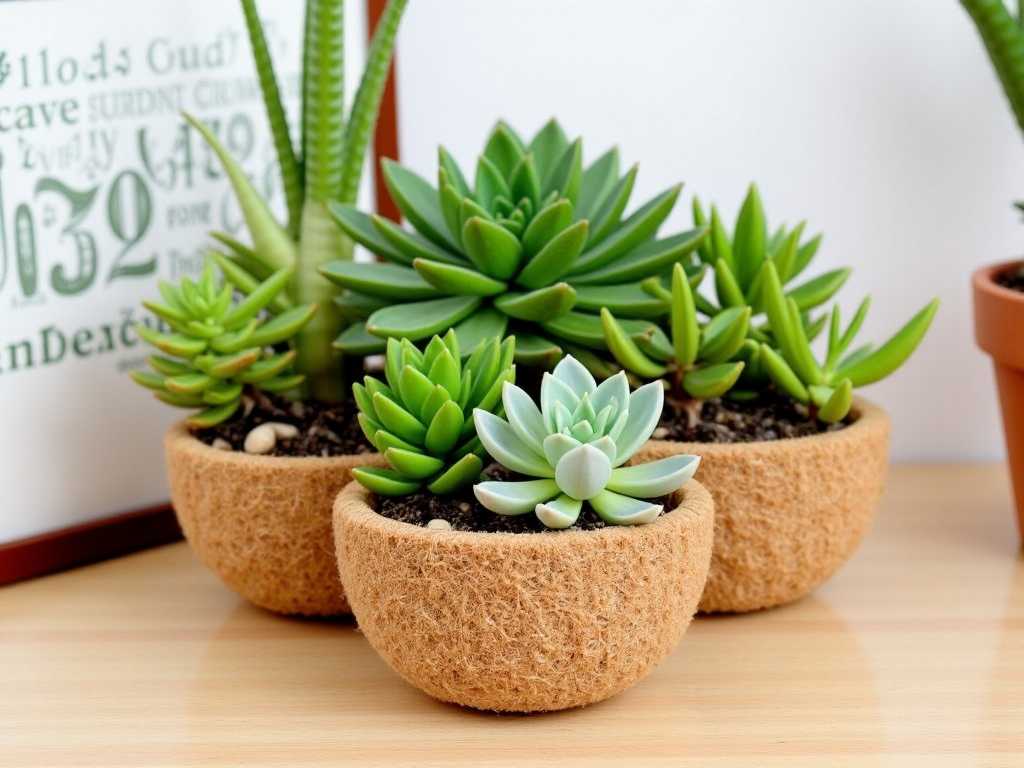
Coco coir, derived from the fibrous husk of coconuts, is more than just a trendy alternative to peat moss. Its physical structure offers inherent benefits that align perfectly with the needs of succulent roots.
First, it provides superior aeration. Succulent roots are highly susceptible to rot in oxygen-deprived, soggy conditions. Coco coir’s coarse, porous nature creates countless tiny air pockets within the potting mix. This ensures roots have constant access to oxygen, promoting healthy respiration and robust root system development. A study published in the Journal of Plant Nutrition noted that substrates with high air-filled porosity, like coco coir, significantly reduce root disease incidence in container-grown plants.
Second, it boasts impressive water management. Unlike peat moss, which can become hydrophobic when dry, coco coir rehydrates easily. It absorbs water efficiently, holding it within its fibers, yet its structure prevents waterlogging. This means the medium stays moist but not wet—exactly the “soak and dry” cycle succulents prefer. You can water thoroughly, knowing excess moisture will drain freely, and the roots will have access to consistent humidity as the coir gradually dries.
Finally, it’s a sustainable and consistent choice. Coco coir is a byproduct of the coconut industry, making it a renewable resource. It also has a naturally neutral pH range (typically 5.5-6.8), which is ideal for most succulents, unlike peat moss which is highly acidic and often requires amendment.
Preparing Your Coco Coir for Succulent Success
You can’t just take a brick of coco coir, soak it, and plant. Proper preparation is the most critical step to avoid problems down the line.
Choosing the Right Type: Opt for coarse or chunky coco coir over fine, dust-like varieties. The larger particles ensure better drainage and aeration. You’ll often find it sold as dehydrated bricks, loose bags of pre-washed coir, or as a component in premium succulent mixes.
The Essential Washing and Buffering Process: Raw coco coir contains high levels of salts (potassium, sodium) from its processing and ocean exposure. These salts can burn sensitive succulent roots. Here’s how to prepare it:
- Rehydrate: Place your coco coir brick in a large container and add warm water. It will expand dramatically.
- Rinse Thoroughly: This is non-negotiable. Place the expanded, wet coir in a mesh bag or colander and rinse it under running water until the water runs clear. This may take several minutes.
- Buffer (Recommended): Soak the rinsed coir in a solution of water with a calcium supplement (like calcium nitrate or calmag) for 6-8 hours. This process charges the coir’s cation exchange sites with beneficial calcium, preventing it from locking up nutrients later. Rinse once more lightly after buffering.
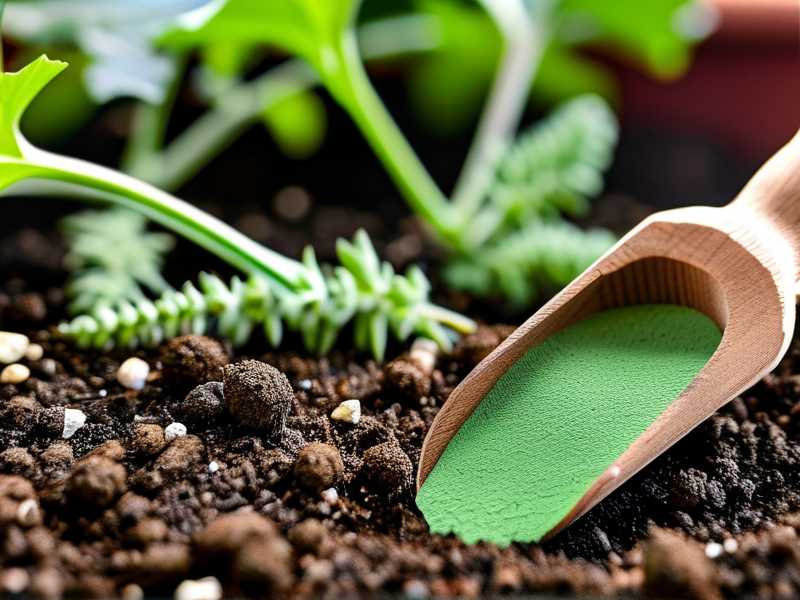
Creating the Perfect Succulent Mix: Pure coco coir can be too moisture-retentive for some succulents. For most, a custom blend is best. A classic and effective recipe is:
- 40% Prepared Coco Coir (provides moisture retention and structure)
- 60% Inorganic Grit (such as perlite, pumice, or coarse horticultural sand) This mix ensures rapid drainage, maximum aeration, and mimics the gritty, fast-drying soils succulents naturally inhabit.
Step-by-Step: Planting and Caring for Succulents in Coco Coir
Now that your medium is ready, let’s get planting. Following these steps will set your plants up for long-term health.
Step 1: Selecting and Preparing the Plant Choose a healthy succulent. If repotting, gently remove it from its old soil, brushing away as much of the old medium as possible. Inspect the roots and trim away any that are black, mushy, or dead. Let the plant sit in a shady, airy spot for a day to allow any root cuts to callous over—this prevents rot when planted in the new medium.
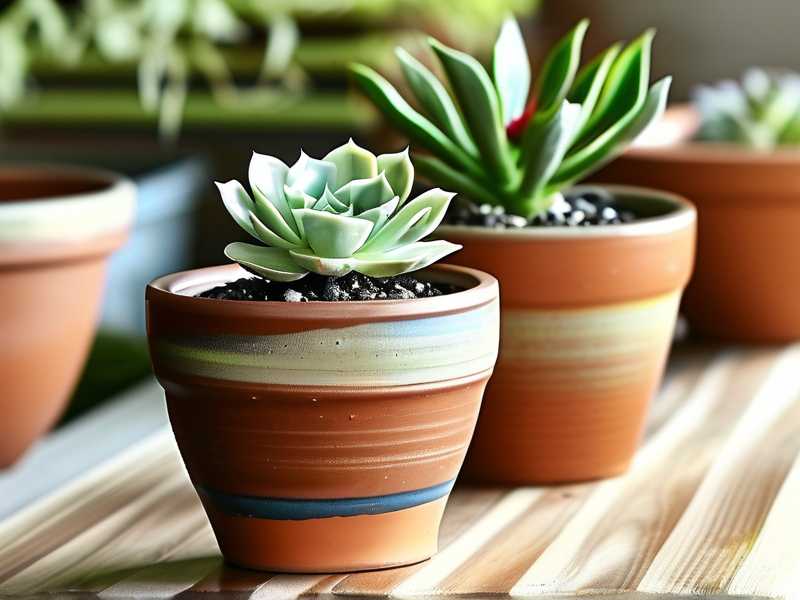
Step 2: Potting Up Correctly Always use a pot with a drainage hole. Place a piece of mesh or a coffee filter over the hole to prevent the mix from washing out. Fill the bottom third with your prepared coco coir mix. Position the succulent so its base is just below the pot’s rim, then fill in around the roots with more mix. Gently tap the pot to settle the medium, but avoid compacting it. Do not water immediately.
Step 3: The Initial Watering and Acclimation Wait 4-7 days after potting before the first watering. This gives any disturbed roots time to heal. Then, give your succulent a thorough, deep soak until water flows freely from the drainage hole. This ensures the entire root ball and coco coir medium are evenly moistened. Place the plant in bright, indirect light for a week before moving it to a sunnier spot if needed.
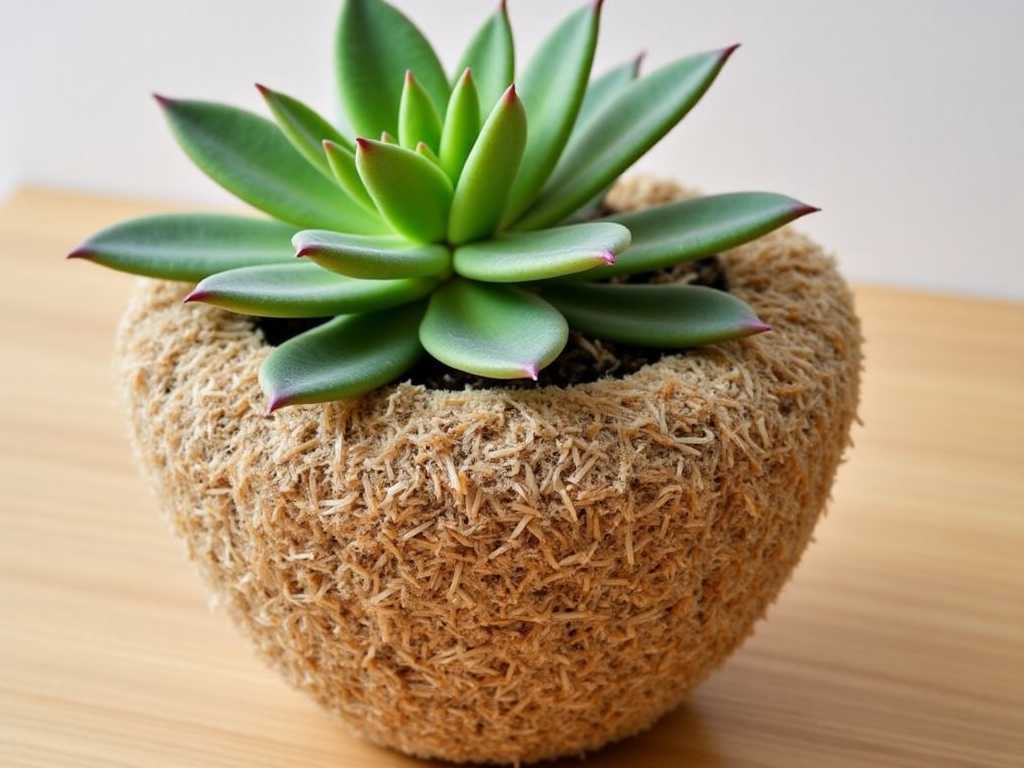
Step 4: Ongoing Watering and Fertilizing Routine How often should you water succulents in coco coir? The golden rule remains: water only when the medium is completely dry. Test by sticking your finger an inch into the mix or by judging the pot’s weight. When dry, water deeply. The frequency will be greater than in traditional soil, as coco coir dries out faster, but each watering event is less risky due to the excellent aeration.
Because coco coir is inert (it contains no inherent nutrients), fertilizing succulents in a soilless mix is essential. Use a balanced, water-soluble fertilizer diluted to 1/4 or 1/2 strength. A formula with a low nitrogen content and containing calcium and magnesium is ideal. Fertilize only during the active growing season (spring and summer), about once a month.
Troubleshooting Common Issues in Coco Coir
Even with the best setup, it’s good to know what to watch for.
- Signs of Overwatering: The most common mistake is not adjusting the watering schedule. If leaves become mushy, translucent, and fall off easily, you are likely watering before the coir has dried out. Stop watering immediately, check for root rot, and ensure the plant is in a very gritty mix with excellent airflow.
- Nutrient Deficiency Signs: Pale or yellowing leaves, especially lower ones, can indicate a need for fertilizer. Remember, coco coir provides no food. Stick to a regular, diluted feeding schedule during growth periods.
- Managing Fungus Gnats: While less common than in peat-based soils, fungus gnats can appear if the medium surface stays too damp. Let the top inch dry out completely between waterings. You can also use a thin top dressing of gravel or sand to create a dry barrier.
What are the main advantages of using coco coir over regular potting soil for succulents? Coco coir provides far superior aeration and drainage compared to most standard potting soils, which are often too moisture-retentive. It rewets easily, promotes healthy root growth, and is a sustainable, pH-neutral alternative to peat moss. This creates an environment where the risk of root rot is significantly minimized.
Do I need to add fertilizer when using coco coir? Yes, absolutely. Coco coir is an inert growing medium, meaning it contains no nutrients to support plant growth. A regular, light feeding schedule with a balanced fertilizer during your succulents’ active growing season is essential for providing the nutrients they need to thrive.
How do I know when to water my succulent potted in coco coir? The best method is the “dry-down” approach. Allow the coco coir mix to dry out completely all the way through the pot before watering again. You can check by feeling the weight of the pot (it will be very light when dry) or using a moisture meter. Then, water thoroughly until it runs from the drainage hole. This cycle mimics the natural drought-and-downpour conditions succulents love.
Transitioning your succulents to coco coir might require a slight shift in your care routine, particularly with watering and feeding. However, the payoff is substantial: a resilient, well-aerated root system that supports vibrant, stress-free growth. By understanding its properties—preparing it correctly, blending it with ample grit, and adopting a mindful watering and fertilizing habit—you unlock the full potential of this remarkable medium. Embrace the change, and watch your succulent collection reach new levels of health and beauty.