bluename
 succulent care Myths Debunked: Stop Killing Your Plants with "Good" Intentions
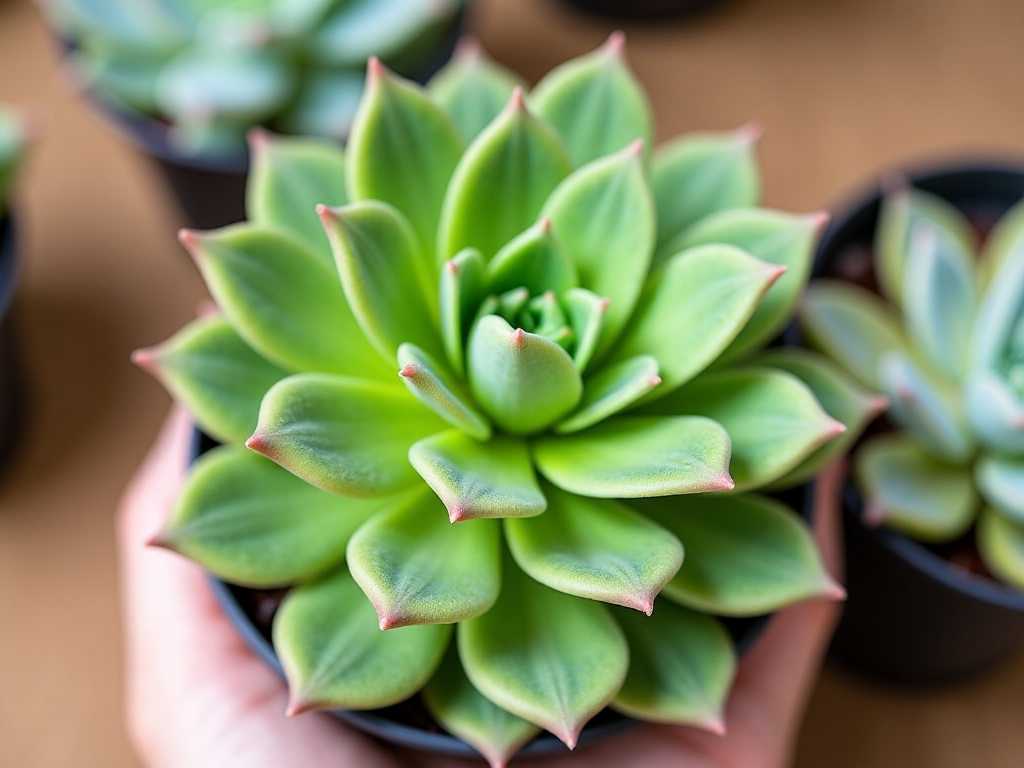
You brought home that perfect little succulent, full of hope. Its plump leaves promised resilience, and you were told it was the perfect "set it and forget it" plant. Yet, here you are, staring at a mushy stem, shriveled leaves, or a plant that’s stretched out like it’s reaching for a lifeline. What went wrong? Chances are, you fell victim to some of the most pervasive succulent care myths. Well-meaning but misguided advice is the silent killer of countless succulents. It’s time to separate fact from fiction and learn the real secrets to keeping your succulents not just alive, but thriving.
Let's dismantle these myths one by one, backed by horticultural science and the hard-earned experience of expert growers.
The Truth About Watering: It's Not About a Schedule
The single biggest culprit in succulent demise is improper watering, almost always rooted in the oversimplified mantra: "Succulents need very little water."
Myth 1: "Water Your Succulents Once a Month." This rigid rule ignores every critical variable: climate, season, pot size, soil composition, and the plant’s own growth cycle. Watering on a calendar schedule is a recipe for disaster.
- The Reality: The "Soak and Dry" Method. The golden rule is to water deeply only when the soil is completely dry. Here’s how it works:
- Check the Soil: Don’t just skim the surface. Stick your finger or a wooden skewer an inch or two into the pot. If it’s dry all the way through, it’s time.
- Soak Thoroughly: Water the soil directly (avoiding the leaves) until excess water freely drains out the bottom hole. This ensures the entire root ball gets moisture.
- Dry Completely: Let the pot drain fully and then do not water again until the soil is bone dry. This cycle mimics the natural desert downpours followed by drought that succulents are adapted to.
Myth 2: "Misting is a Great Way to Water Succulents." Misting is perhaps one of the most harmful practices for most common succulents like Echeveria, Sedum, or Haworthia.
- The Reality: Misting Promotes Rot and Weak Roots. Light misting only dampens the top layer of soil, encouraging roots to grow shallowly. Worse, water sitting on the leaves, especially in the rosette’s center, can lead to fungal infections and leaf rot. It also doesn’t provide the deep hydration the plant needs. As noted by the University of California’s Master Gardener Program, overhead watering for succulents increases disease risk. Bottom watering—placing the pot in a tray of water to soak up moisture—is a far safer and more effective technique for thorough hydration.
Sunlight and Placement: More Than Just a Sunny Windowsill
Light is food for plants, but the "full sun" label on a tag can be misleading.
Myth 3: "All Succulents Need Blazing, Direct Sun All Day." While many succulents are sun-lovers, "full sun" in their native habitat often includes some relief. Suddenly placing a store-bought succulent on a south-facing, scorching windowsill can cause severe sunburn.
- The Reality: Acclimate and Observe. Introduce your succulent to direct sunlight gradually over 1-2 weeks. Signs of too much sun include brown, crispy patches or bleached, white leaves. Conversely, the most common succulent problem of etiolation—where the plant stretches tall with wide gaps between leaves—is a desperate reach for more light. If you see this, your plant needs a significantly brighter spot. A south or east-facing window is usually ideal indoors. For low-light rooms, even a simple grow light for succulents can prevent stretching and maintain compact, colorful growth.
The Foundation of Health: Soil and Pot Selection
Ignoring what’s below the surface is a critical mistake.
Myth 4: "Any Potting Soil is Fine." Standard potting mix retains too much moisture for too long, suffocating succulent roots and causing rot.
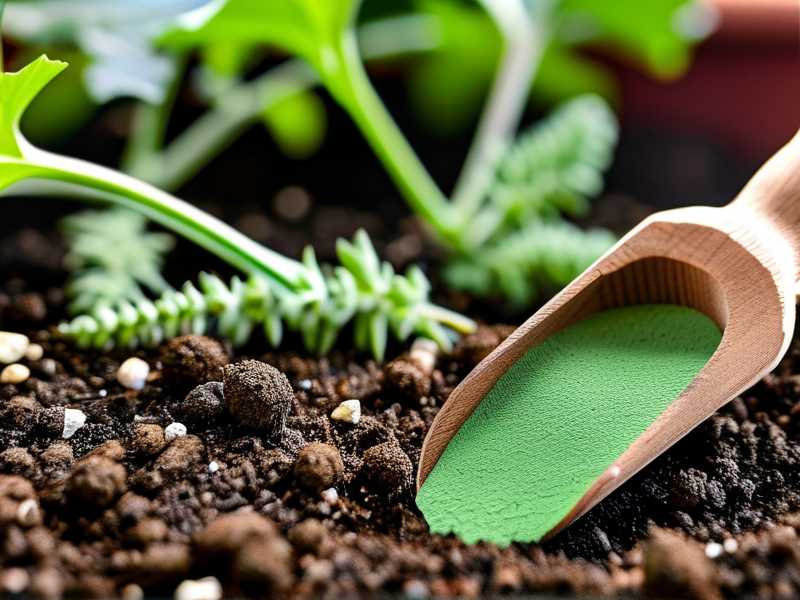
- The Reality: Drainage is Non-Negotiable. You need a gritty, fast-draining mix. A good starting point is a cactus and succulent potting soil, but many experts recommend amending it further with 50% perlite or pumice for maximum drainage. This creates air pockets, allowing roots to breathe and water to flow through rapidly. The goal is for the soil to be moist after watering but to dry out quickly.
Myth 5: "Any Cute Pot Will Do." That adorable ceramic mug without a hole might be the death sentence for your plant.
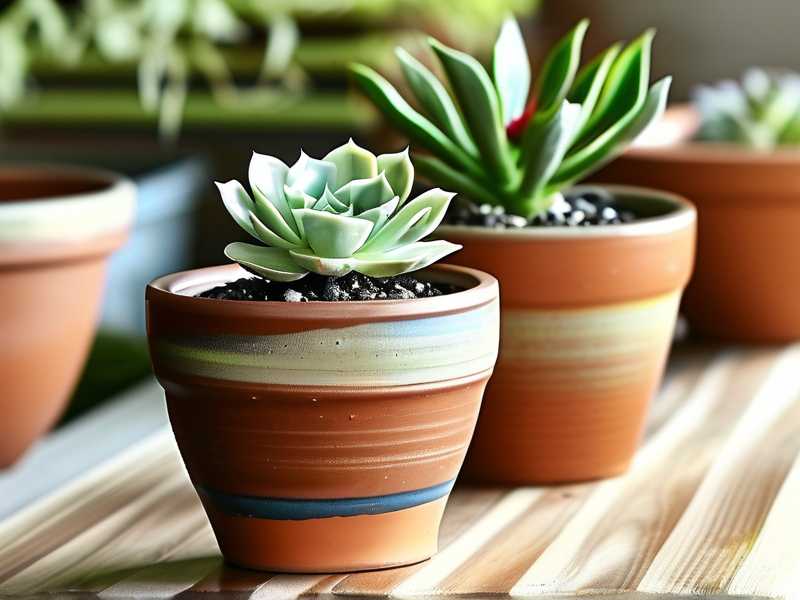
- The Reality: Always Use a Pot with a Drainage Hole. This is non-negotiable for beginners. It allows excess water to escape, preventing the roots from sitting in a swamp. If you must use a cachepot (a decorative outer pot), plant your succulent in a plain nursery pot with holes and place it inside, removing it to water and drain completely before putting it back.
Advanced Myths: Fertilizer, Propagation, and Winter Care
Myth 6: "Succulents Don't Need Fertilizer." While they aren't heavy feeders, they do use up nutrients in their limited potting soil.
- The Reality: Feed Lightly During Growth Seasons. Use a balanced, water-soluble fertilizer diluted to half-strength, or a specialized fertilizer formulated for cacti and succulents. Apply only during the spring and summer active growing period, once a month at most. Never fertilize a dormant or stressed plant.
Myth 7: "You Can Propagate Any Succulent Leaf in Water." Water propagation photos are popular, but it’s not the best method for all, and it introduces rot risk.
- The Reality: Soil Propagation is Often Safer and More Effective. For leaves like those from Echeverias, simply placing them on dry soil and waiting for roots and a new pup to form is more reliable. Water propagation can work for some stem cuttings but requires vigilance to prevent the stem from rotting. The key for all propagation is allowing the cut end to form a callus for several days before introducing any moisture.
Myth 8: "Succulents are Fine Left Out in a Frost." Hardiness varies wildly. While some Sempervivum can handle snow, most popular soft succulents cannot.
- The Reality: Know Your Plant's Cold Tolerance. A light frost can cause irreversible damage, turning tissues to mush. If you keep succulents outdoors, research their minimum temperature and bring tender varieties inside well before the first frost. For overwintering succulents indoors, provide them with the brightest light possible and water very sparingly, as they often go semi-dormant.
How often should I really water my succulent? There is no universal schedule. Always use the "soak and dry" method: water deeply only when the soil is 100% dry all the way to the bottom of the pot. This could be every 7-10 days in hot, dry summer weather, or every 3-4 weeks in cool, humid winter conditions.
Why are the bottom leaves of my succulent turning yellow and falling off? A few lower leaves drying up and shedding is a normal part of growth. However, if many leaves are turning yellow, translucent, and mushy, you are overwatering. If they are wrinkly and dry, you are underwatering. Assess the soil moisture to diagnose which it is.
Can I save a succulent that has started to rot from overwatering? Yes, if you act quickly. Unpot the plant, remove all soft, black, or mushy roots and leaves with a sterile tool. Let the healthy stem and remaining leaves air dry for a few days to callus, then replant in fresh, dry, gritty soil. Do not water for at least a week to allow it to recover.
By moving beyond these common myths, you shift from simply keeping a plant alive to understanding its needs. Succulent care is about observing and responding to your plant’s signals—plump leaves, firm stems, and compact growth are your rewards. Embrace the soak-and-dry rhythm, provide bright light, and plant in gritty soil. Your succulents will repay you with resilient, beautiful growth for years to come, proving that the right knowledge is the most powerful tool in any plant lover’s kit.