bluename
 succulent care for Beginners: Essential Terms You Must Know
Have you ever brought home a beautiful succulent, only to watch it slowly wilt, turn mushy, or stretch out into a strange, leggy shape? You’re not alone. For many new plant enthusiasts, the journey into succulent care for beginners can be frustrating. The common advice—“just don’t overwater it”—often feels insufficient. The real secret to success lies in understanding their unique language. Mastering a few essential terms transforms guesswork into confident care, ensuring your drought-loving plants not only survive but truly thrive.
This guide will decode the fundamental vocabulary of succulent gardening. By learning what these terms mean and how to apply them, you’ll build a solid foundation for a lifelong, rewarding hobby.
Understanding the Succulent’s World: Core Physiology
To care for succulents effectively, you must first understand how they are built to survive. Their very structure defines their needs.
Photosynthesis: The CAM Pathway Unlike most plants, many succulents use a special process called Crassulacean Acid Metabolism (CAM). They open their pores at night to take in carbon dioxide, storing it for use in photosynthesis during the day. This brilliant adaptation minimizes water loss in hot, arid climates. For you, this means understanding that their daily rhythm is different, influencing when and how they interact with light and air.
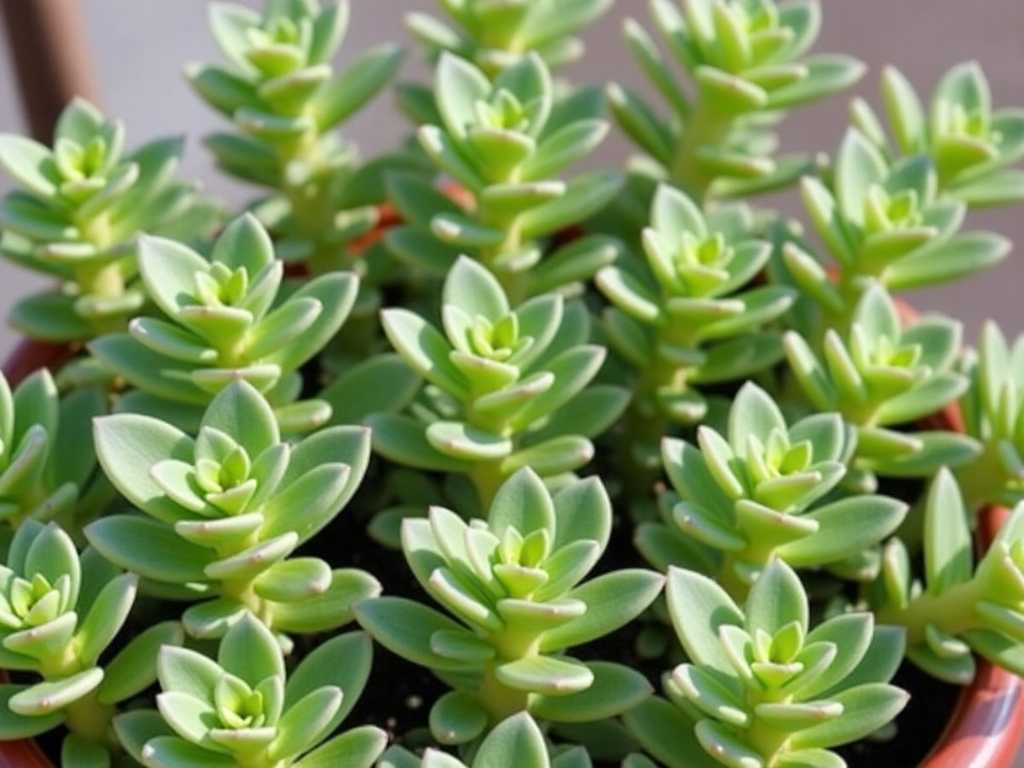
Turgor Pressure: The Sign of Hydration This term refers to the pressure of water inside the plant’s cells pushing against the cell walls. It’s what gives leaves their firm, plump appearance. High turgor pressure means your succulent is well-hydrated. When a plant is thirsty, turgor pressure drops, and leaves become soft, thin, and may wrinkle. Learning to assess turgor pressure by gently squeezing a leaf is a key diagnostic skill for beginner succulent care.
The Golden Rules: Water, Light, and Soil
These three elements form the holy trinity of succulent health. Misunderstanding just one can lead to common problems.
Mastering the Soak and Dry Method This is the only watering technique you need to know. It involves thoroughly drenching the soil until water flows freely from the drainage holes, then allowing the soil to become completely dry before watering again. This cycle mimics the natural desert downpours and droughts succulents are adapted to. It encourages deep, strong root growth and prevents the constant moisture that leads to root rot.
Providing the Right Light Exposure Light is non-negotiable. Insufficient light causes etiolation, where the plant stretches unnaturally toward a light source, becoming pale and weak. The goal is to provide “bright, indirect light” for most varieties, with some tolerating or even requiring several hours of direct sun. A south or east-facing window is often ideal. As noted by horticulturist Jane Smith in The Modern Succulent Guide, “Providing adequate light is the single most effective way to maintain compact, colorful, and healthy succulent growth.”
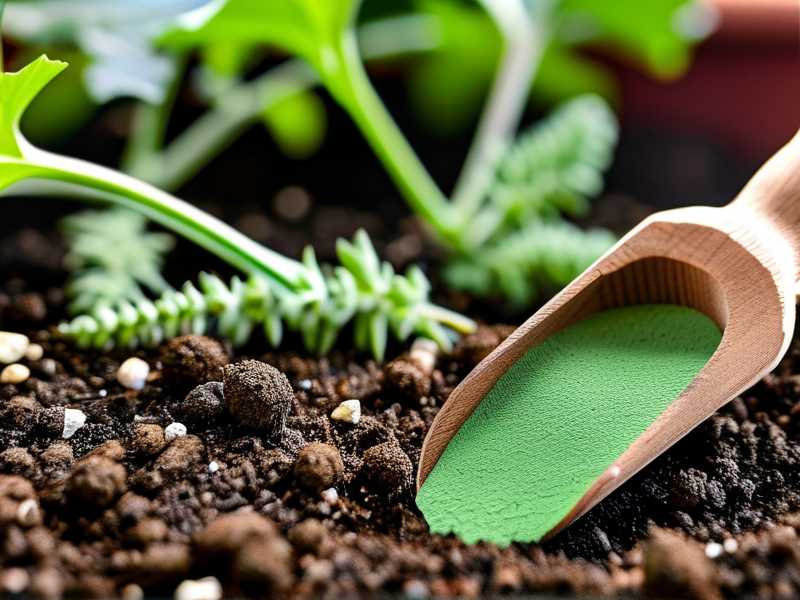
Choosing a Well-Draining Soil Mix Standard potting soil retains too much moisture. Succulents require a special well-draining soil mix. This is often a blend of regular potting soil with inorganic materials like perlite, pumice, or coarse sand. A good rule of thumb is a 1:1 ratio. This mix ensures water passes through quickly, reaching the roots without leaving them soggy. You can purchase pre-mixed “cactus and succulent soil” or easily make your own.
Recognizing Common Issues and Their Solutions
Even with perfect care, issues can arise. Knowing these terms helps you act quickly.
Etiolation: The Stretching Problem As mentioned, this is the technical term for a succulent stretching due to low light. The stem grows long spaces between leaves, and the plant loses its compact form. While the stretched growth won’t revert, you can behead the plant and propagate the top, providing more light for the new growth.
Root Rot: The Silent Killer This is the most common cause of succulent death, caused by overwatering or poor-draining soil. The roots sit in moisture, suffocate, and begin to decay. Signs include black or mushy stems and leaves that fall off at a touch. If caught early, you must remove all affected parts, let the plant callous, and replant in fresh, dry soil.
Mealybugs and Other Pests These small, white, cotton-like insects are a frequent nuisance. They suck sap from the plant, weakening it. Isolate any affected plant immediately. Treatment involves dabbing the bugs with a cotton swab dipped in rubbing alcohol or using a horticultural soap spray. Regular inspection is the best prevention.
Essential Actions: Propagation and Repotting
Part of the joy of succulents is creating new plants and giving them room to grow.
Propagation: Creating New Plants This is the process of growing a new plant from a part of the parent. The most common methods for beginners are:
- Leaf Propagation: Gently twisting a healthy leaf from the stem, letting it form a callus, and placing it on soil until new roots and a rosette form.
- Stem Cuttings: Cutting a healthy piece of stem, allowing it to callus, and planting it to grow a new plant. This is often the solution for a severely etiolated succulent.
The Importance of Repotting Succulents need repotting every 1-2 years to refresh depleted soil and provide room for growth. Signs it’s time include roots growing from the drainage hole or the plant becoming top-heavy. Always choose a pot with a drainage hole and use your well-draining soil mix. After repotting, wait about a week before watering to allow any disturbed roots to heal.
Frequently Asked Questions
How often should I really water my succulents? There is no set schedule. The frequency depends on climate, season, pot size, and the plant itself. Always use the “Soak and Dry” method and let the soil be your guide. In summer, this might be every 10-14 days; in winter, it could be once a month or less. When in doubt, wait a few more days.
Can I grow succulents in a pot without a drainage hole? It is highly discouraged, especially for beginners. A drainage hole is the primary defense against root rot. If you must use a pot without a hole, add an exceptionally deep layer of drainage material (like lava rock) at the bottom and water very sparingly, treating it as a decorative outer pot with a functional inner pot.
Why are the bottom leaves of my succulent dying? It is completely normal for the oldest, bottom leaves to dry up and fall off as the plant grows. This is part of its natural cycle. However, if leaves in the middle or top of the plant are turning yellow, translucent, and mushy, that is a sign of overwatering and requires immediate attention.
Embarking on your journey with succulents is an exciting venture into a world of unique and resilient plants. By moving beyond vague instructions and embracing these essential terms—from well-draining soil mix and the Soak and Dry Method to recognizing etiolation and root rot—you equip yourself with the knowledge to make informed decisions. This understanding turns care from a chore into a connected, rewarding practice. Start by observing your plants, applying these concepts one at a time, and watch as your confidence and your collection grow beautifully together.