bluename
 The Ultimate Guide to succulent care for a Stunning, Water-Wise Xeriscape
You’ve embraced the beauty and logic of xeriscaping—designing a landscape that conserves water and thrives in drier conditions. You’ve carefully selected stunning succulents, drawn by their sculptural forms and promise of easy care. But now, some of those resilient plants are looking less than perfect. Perhaps you’re seeing stretched-out, leggy growth, mushy leaves, or a lack of the vibrant color you expected. This common frustration often stems from one misunderstanding: while succulents are drought-tolerant, they are not maintenance-free. Proper succulent care for xeriscaping is the key to transitioning from a collection of surviving plants to a thriving, sustainable garden masterpiece.
This guide moves beyond basic planting to deliver the nuanced knowledge you need. We’ll focus on the specific practices that ensure your succulents become the resilient, beautiful backbone of your water-wise landscape.
Understanding the Succulent Advantage in Xeriscaping
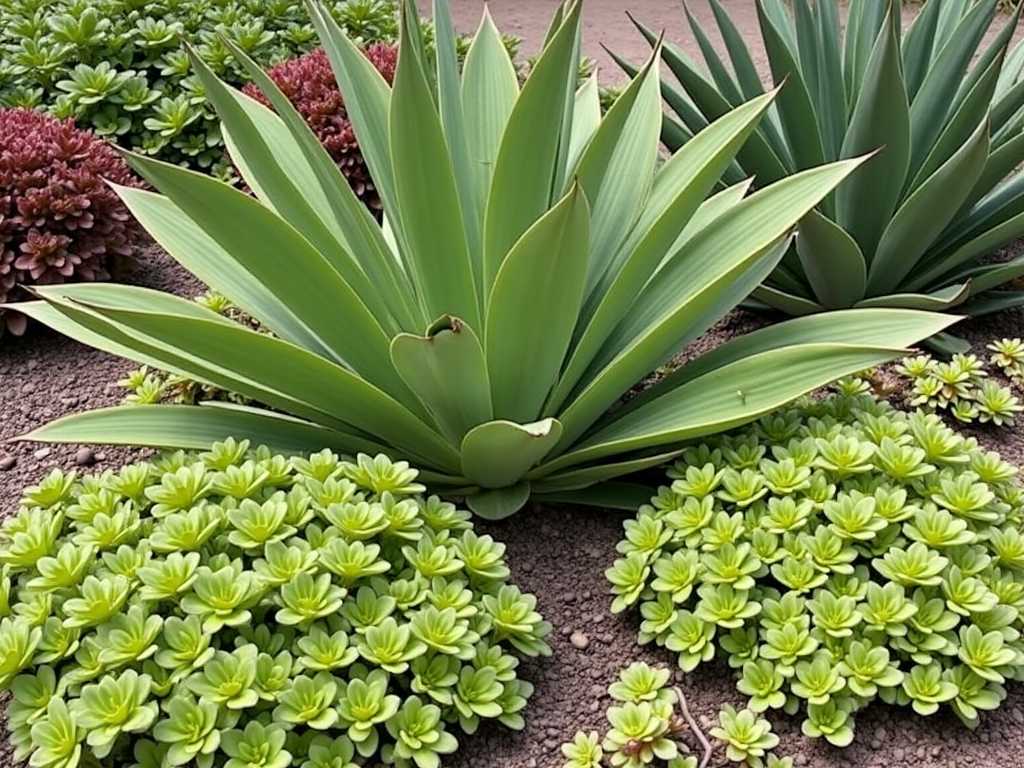
Before delving into care, it’s crucial to understand why succulents are xeriscaping champions. Their specialized adaptations are the foundation of their care requirements.
Succulents store water in their leaves, stems, or roots, allowing them to endure prolonged dry periods. This storage capacity, however, makes them uniquely susceptible to overwatering, the single most common cause of failure. Furthermore, many originate from arid, high-light environments, which shapes their need for abundant sunshine and excellent drainage. A study published in the Journal of Arid Environments emphasizes that mimicking a plant’s native hydrological cycle—infrequent, deep watering followed by complete dryness—is critical for optimal health and stress-induced coloration in succulents.
The Pillars of Perfect Succulent Care in Your Landscape
Successful care hinges on mastering four interconnected elements: soil, water, light, and strategic maintenance.
Creating the Perfect Foundation: Soil and Drainage
This is non-negotiable. Garden soil or standard potting mix retains too much moisture, leading to root rot.
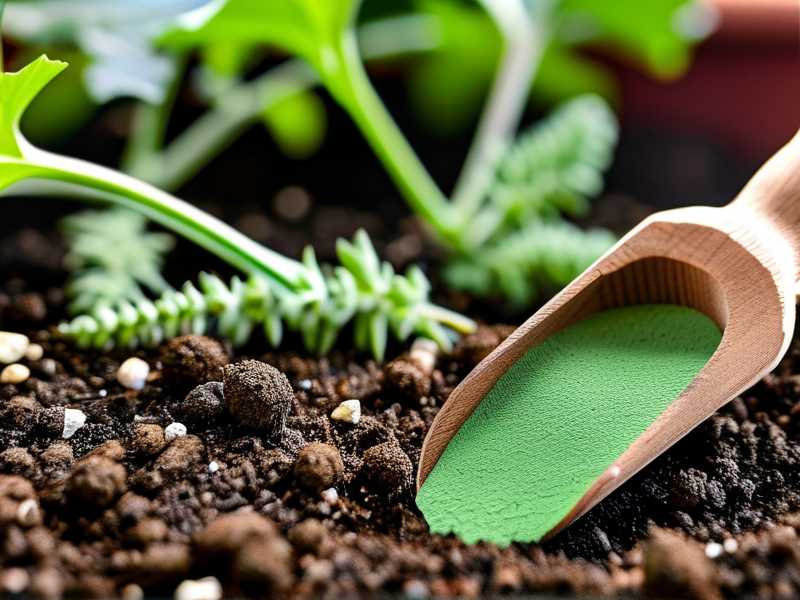
- The Ideal Mix: Your goal is a gritty, fast-draining substrate. A perfect starting formula is a 1:1 mix of a quality potting soil and inorganic material like coarse sand, perlite, or pumice. For in-ground beds, amend native soil heavily with these materials, creating raised mounds or berms if necessary to improve drainage.
- Why It Works: This structure allows water to flow through rapidly, reaching the roots while leaving air pockets that prevent suffocation and rot. Horticulturist Dr. Linda Chalker-Scott, in her work on soil science, consistently advocates for this "well-drained, nutrient-poor" medium for drought-adapted plants to prevent pathogen issues.
The Art of Watering: Less is More, But Do It Deeply
Watering is where intuition often fails us. Forget a fixed schedule.
- The "Soak and Dry" Method: This is the golden rule. Water your succulents deeply and thoroughly, completely saturating the root zone. Then, allow the soil to dry out completely before watering again. How long this takes depends on climate, season, and soil, but it could be 7-14 days or more.
- Seasonal Intelligence: Succulents are most active in spring and fall. They will need more frequent watering during these growth periods. In the intense heat of summer, some may go semi-dormant and require less. In winter, water very sparingly, if at all, to prevent freeze damage in cold climates.
- Signs to Read: A thirsty succulent may have slightly wrinkled, limp leaves. A succulent suffering from overwatering will have translucent, mushy, or blackening leaves—often starting at the stem.
Maximizing Sunlight for Health and Color
Light fuels growth and brings out the stunning reds, purples, and oranges in many varieties.
- Full Sun vs. Partial Sun: Most common xeriscaping succulents (like Echeveria, Sedum, and Sempervivum) need at least 6 hours of direct sun daily. Insufficient light causes etiolation—where plants stretch out weakly, seeking the sun.
- Acclimation is Key: When introducing new plants or moving them, acclimate them gradually to stronger light over a week to prevent sunburn, which appears as bleached, scorched patches.
- Strategic Placement for Low-Water Landscaping: Observe your garden’s microclimates. Place high-light succulents in south or west-facing exposures. Use partial-sun varieties like some Haworthias or Gasterias in areas with afternoon shade.
Ongoing Maintenance for Long-Term Success
Minimal care doesn’t mean no care. A little attention goes a long way.
- Strategic Fertilizing: Fertilizing succulents in a drought-tolerant garden should be done sparingly. Use a balanced, water-soluble fertilizer diluted to half-strength, applied only once at the beginning of the growing season (spring). Over-fertilizing leads to weak, fast growth that is prone to pests and less drought-resistant.
- Winter Protection Strategies: In areas with frost, protecting outdoor succulents from frost is vital. "Soft" succulents (like many Echeveria) are often not frost-hardy. Use frost cloth, move containers to a sheltered location, or consider them as annuals. "Hardy" succulents (like many Sedum and Sempervivum) can withstand freezing temperatures, especially when their soil is dry.
- Pest and Disease Vigilance: Healthy, well-watered (meaning not over-watered) succulents are remarkably pest-resistant. Watch for mealybugs (cotton-like fluff) or scale. A strong spray of water or application of insecticidal soap usually manages them. The best disease prevention is always proper watering.
Frequently Asked Questions
How often should I really water my outdoor succulents? There is no universal schedule. The frequency depends entirely on temperature, humidity, rainfall, and your soil type. Always use the "soak and dry" method as your guide—check the soil moisture by feeling it a few inches down. It should be bone dry before you water again.
Can I use succulents in a xeriscape if I live in a rainy climate? Absolutely. The key is compensating with even more aggressive drainage. Plant in raised beds or on slopes, use a very gritty soil mix (increasing the inorganic component to 70% or more), and prioritize succulent varieties known for better moisture tolerance, such as many Sedum (Stonecrop) or Sempervivum (Hens and Chicks).
My succulents are surviving but not showing bright colors. Why? Color intensity is often a stress response triggered by two factors: bright, direct sunlight and a slight moisture deficit. Ensure your plants are getting enough sun, and try extending the dry period between waterings by a day or two during the cooler, sunny seasons (spring and fall). Some fertilizers can also dilute color, so keep feeding minimal.
By viewing your succulent xeriscape as a dynamic ecosystem rather than a static arrangement, you unlock its full potential. It begins with the right soil foundation, is sustained by the disciplined rhythm of deep, infrequent watering, and is perfected through attentive observation and seasonal adjustments. When you work with their natural adaptations—providing the harsh conditions they are engineered to thrive in—you are rewarded with a landscape of extraordinary resilience and beauty. Your garden will not only save water but will become a captivating, low-maintenance sanctuary that flourishes year after year.