bluename
 succulent care for Beginners: Budget-Friendly Tips
You’ve seen them everywhere—adorable, plump succulents on office desks, sunny windowsills, and in stylish home magazines. You bring a few home, excited to start your own mini garden, only to watch them slowly turn mushy, stretch out awkwardly, or simply wither away. The dream of easy, low-maintenance greenery seems to crumble, and replacing plants gets expensive. The truth is, keeping succulents thriving isn’t about having a green thumb or a big budget; it’s about understanding a few simple, affordable principles.
This guide is designed to cut through the confusion. We’ll walk through everything you need to know about succulent care for beginners without breaking the bank. You’ll learn how to work with what you have, make smart, inexpensive choices, and set your plants up for long-term success.
Understanding Your Succulent’s Basic Needs
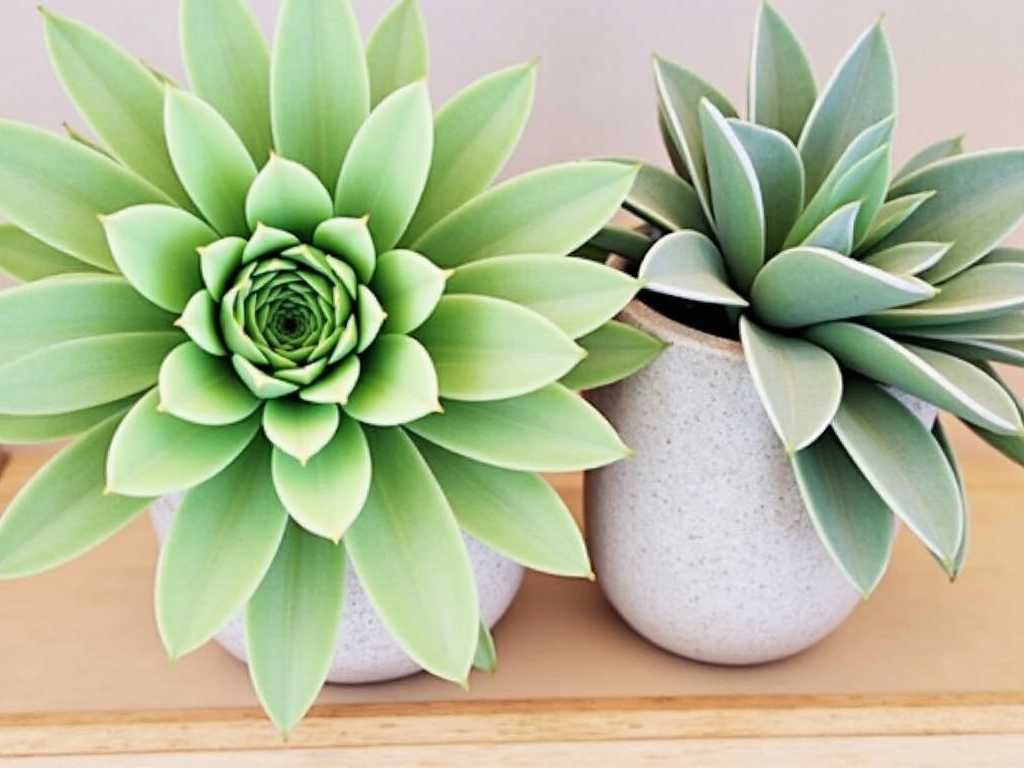
Think of succulents as the camels of the plant world. They store water in their leaves, stems, and roots, allowing them to survive in arid environments. Their core needs are simple: lots of light, careful watering, and well-draining soil. Getting these three elements right is 95% of the battle in beginner succulent care.
Light: Your Most Important Free Resource
Light is non-negotiable and, thankfully, free. Insufficient light is the top reason beginners struggle.
- The Goal: Most succulents need at least 6 hours of bright, indirect sunlight daily. South or east-facing windows are ideal.
- The Stretch (Etiolation): If your succulent starts growing tall, with long spaces between leaves and a leaning stem, it’s desperately reaching for more light. It’s not growing healthier; it’s becoming weak.
- Budget Tip: Rotate your plants a quarter turn every week to ensure even growth. Don’t have a sunny spot? A simple LED grow light is a worthwhile, one-time investment. Look for affordable strip lights or a basic bulb that you can use in a regular desk lamp for a few hours a day.
Watering: The Art of “Soak and Dry”
Overwatering is the fastest way to kill a succulent. Ditch the weekly watering schedule.

- The Rule: Water only when the soil is completely dry. Stick your finger an inch into the soil. If it’s dry, it’s time. When you water, do it thoroughly—soak the soil until water runs freely out of the drainage holes. Then, let it dry out completely again.
- Seasonal Adjustments: Succulents drink more in the warm, growing seasons (spring/summer) and much less in dormant periods (fall/winter). You might water every 2-3 weeks in summer and only once a month or less in winter.
- Budget Tip: Use a simple wooden chopstick as a moisture meter. Insert it into the soil; if it comes out clean, it’s watering time. Always use a pot with a drainage hole. It’s the single most important feature for preventing root rot.
Soil and Pots: Setting the Foundation
The right soil and pot are crucial for preventing water from sitting around the roots.
- Soil: Regular potting soil holds too much moisture. You need a fast-draining mix.
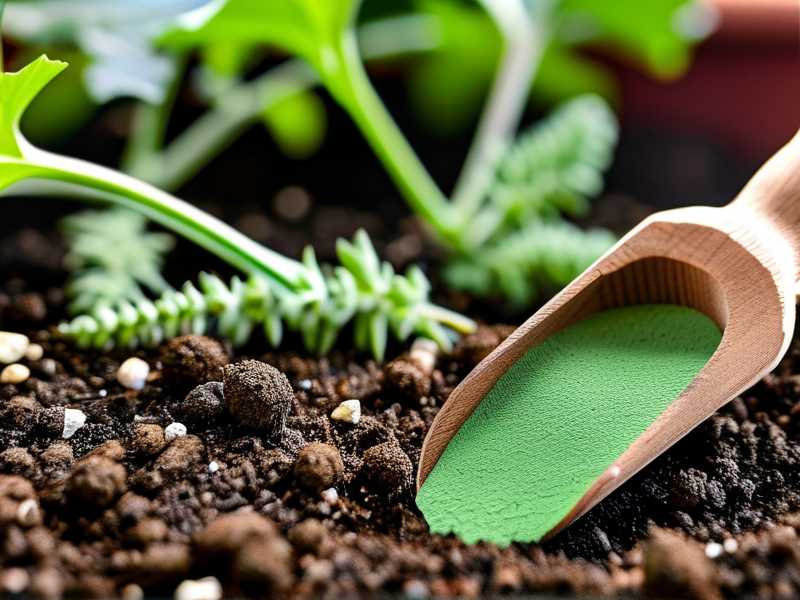
- Budget DIY Mix: Create your own affordable succulent soil mix by combining 2 parts regular potting soil with 1 part coarse sand or perlite and 1 part pumice or small gravel. This is dramatically cheaper than pre-made specialty mixes and works perfectly.
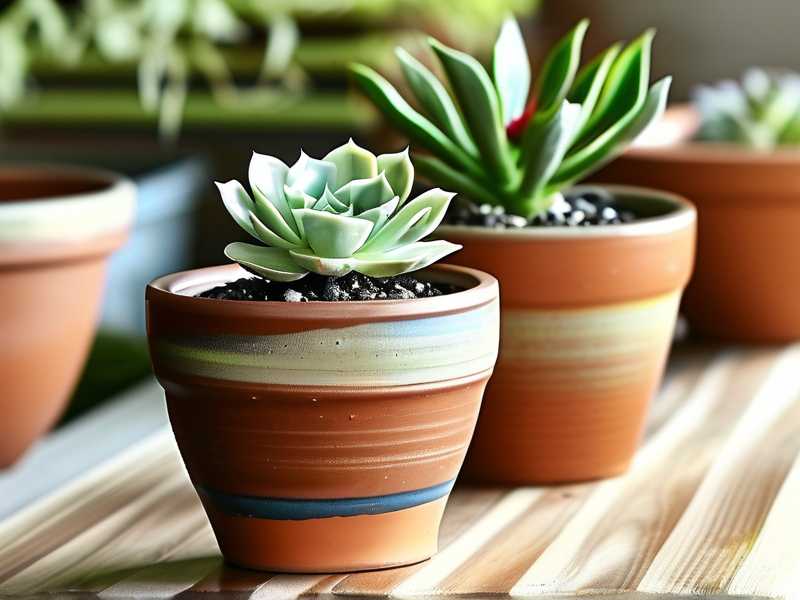
- Pots: Terracotta pots are a beginner’s best friend. They are porous, allowing soil to dry from the sides, and are usually very inexpensive. Again, ensure there is a drainage hole.
Budget-Friendly Tips and Tricks
You don’t need fancy tools or expensive fertilizers to have a stunning succulent collection.
1. Start with Common, Hardy Varieties Begin with forgiving types like Aloe Vera, Echeveria, Haworthia, or Snake Plant (Sansevieria). They are widely available, cost less, and tolerate beginner mistakes better than rare hybrids.
2. Propagate for Free Plants This is the ultimate money-saving succulent hack. Many succulents can grow entirely new plants from a single leaf or a cutting.
- Leaf Propagation: Gently twist a healthy leaf from the stem. Let it dry for a few days until the end callouses over. Then, place it on top of dry soil. Mist lightly every few days. In weeks, you’ll see tiny roots and a new baby plant.
- Stem Cuttings: If a plant gets leggy, cut off the top rosette, let it callous, and plant it. The original stem may also produce new offshoots.
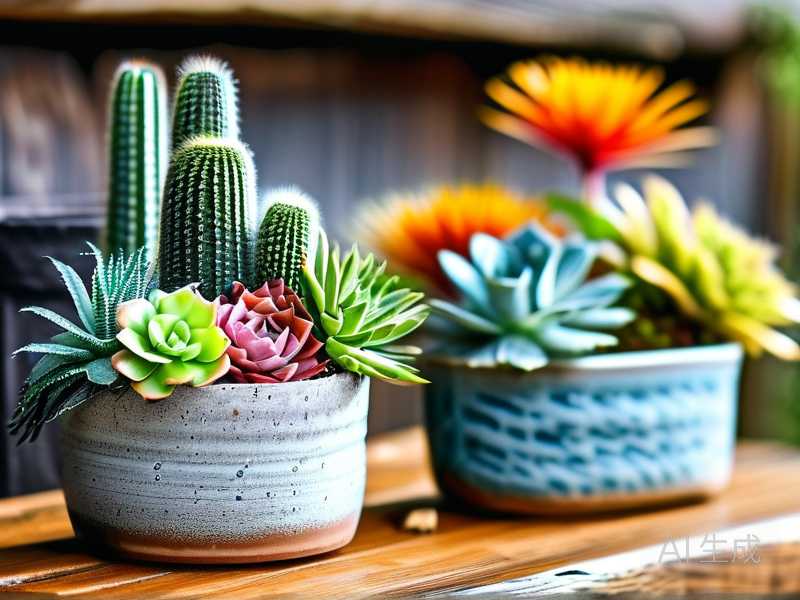
3. Upcycle and Thrift Your Containers You don’t need to buy pots. Look for mugs, teacups, or bowls from thrift stores. The key is to drill a drainage hole. You can use a special drill bit (often called a diamond tip or ceramic/glass bit) to safely add a hole. Yogurt containers, tin cans, and plastic food containers can also be used—just poke holes in the bottom.
4. Fertilize Minimally and Naturally Succulents are light feeders. During the active growing season (spring/summer), you can feed them once or twice with a diluted, balanced fertilizer. A simple rule is to use half the strength recommended on the bottle. Some growers even use diluted aquarium water for a gentle nutrient boost.
5. Pest Control with Household Items If you see pests like mealybugs (tiny white, cotton-like spots), don’t panic. Dab them with a cotton swab dipped in rubbing alcohol (isopropyl alcohol). For a gentle spray, mix a few drops of mild dish soap with water in a spray bottle.
Troubleshooting Common Problems
- Mushy, Translucent Leaves: Classic overwatering. Stop watering immediately. Check for root rot (black, mushy roots). If present, cut away the rot, let the plant dry, and repot in fresh, dry soil.
- Dry, Shriveled Leaves: Underwatering. Give the plant a thorough soak.
- Brown, Crispy Patches: Sunburn. Move to a spot with bright but indirect light.
- Leggy, Stretched Growth: Not enough light. Move it closer to a light source or introduce a grow light. You can also behead the plant and propagate the top.
Frequently Asked Questions
How often should I really water my succulents? There is no set schedule. The frequency depends on your climate, the season, the pot size, and the succulent type. Always use the “finger test” or “chopstick test” to check for bone-dry soil before watering. It’s always safer to underwater than overwater.
Can I keep succulents in a room with no natural light? It’s very challenging. While some low-light tolerant varieties like Snake Plants or ZZ Plants exist, most true succulents will not thrive and will eventually etiolate and decline without adequate light. An affordable LED grow light is essential for windowless spaces.
Why are the bottom leaves of my succulent dying? It’s normal for the oldest, bottom-most leaves to occasionally dry up and fall off as the plant grows. This is the plant’s way of recycling nutrients. However, if multiple leaves at different levels are turning yellow, mushy, or falling off rapidly, it’s a sign of overwatering or other stress.
Embracing succulent care for beginners is a journey of observation and slight adjustments. By focusing on light, mastering the soak-and-dry watering method, and using simple, budget-conscious materials, you can build a resilient and beautiful collection. Start with a few easy plants, experiment with propagation, and remember that every gardener learns from a few lost leaves along the way. The reward is a collection of living art that brings calm and greenery to your space without straining your wallet.