bluename
 The Ultimate Guide to Finding the Best Plants to Pair with succulents
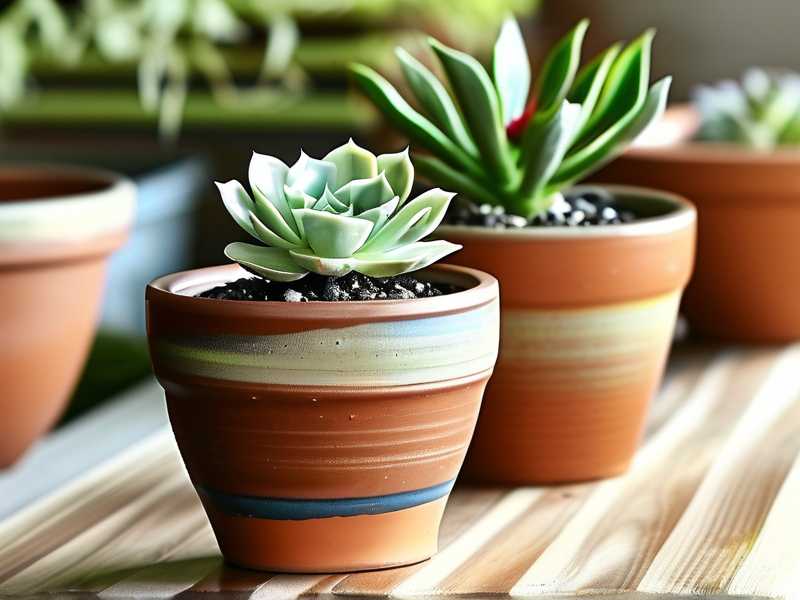
For years, my succulent arrangements felt a bit… lonely. Don’t get me wrong, I adore the sculptural forms of echeverias and the plump leaves of jade plants. But as a plant enthusiast constantly experimenting on my sunny windowsills, I craved more texture, height, and visual drama. I wanted a miniature landscape, not just a collection of individual pots. The challenge, of course, is that succulents have very specific needs—well-draining soil, infrequent watering, and plenty of light. Pairing them with the wrong plant is a recipe for root rot and disappointment. After a few failed attempts that left me with mushy, overwatered casualties, I embarked on a focused mission: to discover the absolute best companion plants for succulents that could thrive under the same care regimen.
This guide is the result of my hands-on experimentation. I’ll walk you through the plants that not only survived but flourished alongside my succulents over a dedicated two-week observation period. I’ll share my exact steps, the pitfalls I encountered, and how I fixed them, so you can create stunning, harmonious, and healthy arrangements with confidence.
Why Companion Planting with Succulents is a Game-Changer
Think of your succulent pot as a tiny ecosystem. By introducing carefully chosen companions, you create layers of interest. You can add trailing elements to spill over the edges, upright forms for contrast, and fine textures to make those succulent leaves pop. According to the Royal Horticultural Society (RHS), the key to successful mixed container gardening is grouping plants with "similar environmental and cultural requirements." This principle is non-negotiable for succulents. The American Horticultural Society (AHS) also emphasizes the importance of understanding a plant's drought tolerance when designing water-wise gardens. This isn't just about aesthetics; it's about plant health. The right partners will reduce your maintenance, as you can water and feed the entire arrangement as one happy family.
My Top Criteria for Choosing the Perfect Partners
Before we dive into the specific plants, let me outline the non-negotiable rules I set for my experiment. Any candidate had to meet these standards to even make it to the planting stage.
- Drought Tolerance is King: The companion must be able to withstand—and even prefer—the "soak and dry" method perfect for succulents.
- Thrives in Full Sun to Bright Light: Most of my succulents demand at least 6 hours of direct sun. Their friends need to handle that intensity without scorching.
- Prefers Excellent Drainage: They must be content in the same gritty, fast-draining cactus/succulent mix I use.
- Non-Invasive Roots: They should play nicely in a shared pot without aggressively choking out the slower-growing succulents.
The Champions: 3 Best Plant Pairings I Tested and Loved
After researching and eliminating many contenders, I settled on three categories of plants to test alongside a selection of my hardier succulents like Sedum 'Burro's Tail', Echeveria 'Perle von Nurnberg', and a small Haworthia.
1. The Trailing Wonder: String of Pearls (Senecio rowleyanus)
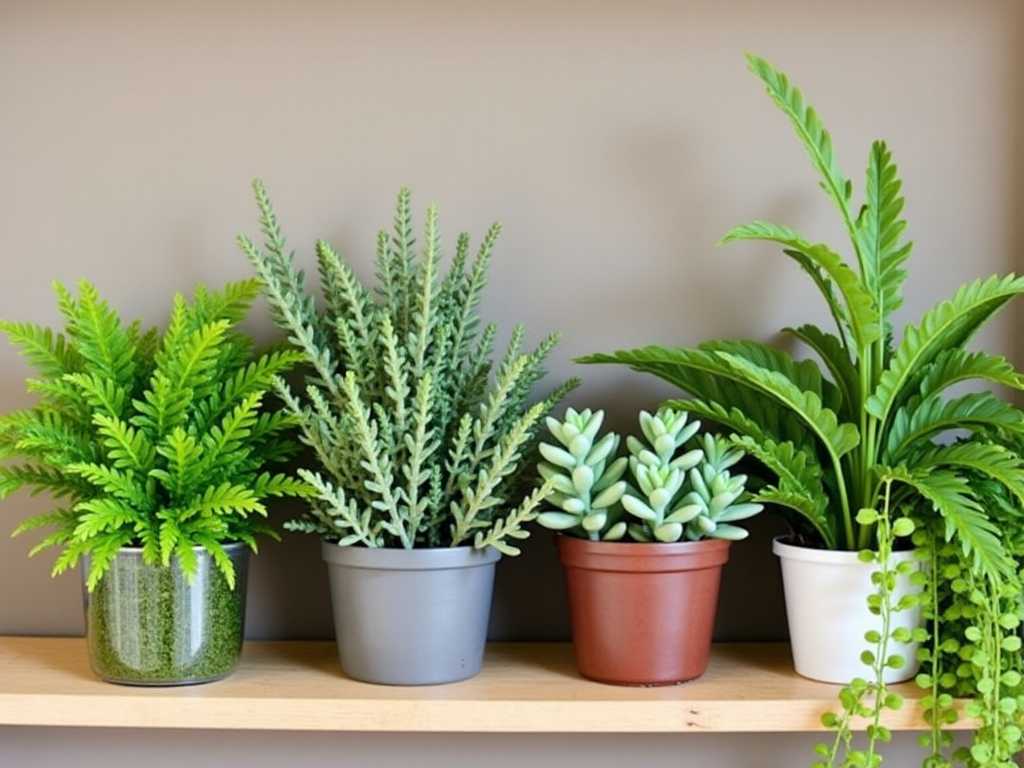
This was my first and most successful experiment. The goal was to add a cascading element to a tall, cylindrical pot.
- My Step-by-Step Process: I started with a clean pot with a large drainage hole. I filled the bottom third with my standard succulent mix (a 50/50 blend of potting soil and perlite). I positioned my central Echeveria, then carefully arranged several 3-4 inch cuttings of String of Pearls around the rim, gently pressing the nodes into the soil. I finished with a top dressing of small pebbles to keep the soil in place and the pearls off the damp surface.
- The 2-Week Observation & Effect: The immediate visual effect was stunning. The contrast between the Echeveria's rosette and the trailing pearls was exactly what I wanted. Over the first week, I kept the soil slightly more moist than usual to encourage root growth from the cuttings. By day 10, I gave the pot a gentle tug test; the cuttings felt anchored. I then resumed my normal succulent watering schedule—a thorough soak only when the soil was completely dry. The String of Pearls showed zero signs of stress, plumping up nicely after each watering. The arrangement looked cohesive and healthy.
- The Pitfall and My Solution: The Pitfall: About five days in, I noticed one strand tucked deep under the Echeveria's leaves starting to yellow. I had made a classic mistake: I buried the pearls themselves in the soil, and a lack of airflow combined with residual moisture was causing rot. The Solution: I immediately removed the affected strand, snipping off the healthy parts to re-propagate. I used a small stick to lift the remaining trailing strands, ensuring only the string stems touched the soil and the pearl beads dangled freely. This solved the issue completely. The lesson was clear: good airflow is as crucial as good drainage.
2. The Textural Contrast: Blue Chalk Sticks (Senecio serpens)
I wanted an upright, shrubby element with a fantastic color contrast. The powdery blue hue of Blue Chalk Sticks against green and purple succulents was irresistible.
- My Step-by-Step Process: For this, I used a wide, shallow bowl. I planted a small cluster of Blue Chalk Sticks as a "backdrop" on one side, with smaller Sedum and Echeveria varieties in front. I was careful to give each plant a little room, knowing the Senecio would eventually fill in.
- The 2-Week Observation & Effect: This pairing was a slow-burn success. Initially, the Blue Chalk Sticks looked a bit droopy after transplanting (transplant shock is common). I placed the arrangement in bright, indirect light for 3 days before moving it to its permanent sunny spot. Within a week, it perked up dramatically. The blue color intensified under the sun, creating a beautiful, cool-toned base for the warmer succulent colors. Their water needs were perfectly in sync.
- The Pitfall and My Solution: The Pitfall: The "farina"—that delicate, powdery coating on the leaves—started to get smudged on a few leaves from my handling during planting. This coating is a natural sunscreen and moisture barrier for the plant. The Solution: I stopped touching the leaves immediately! For future watering, I used a long-spout watering can to apply water directly to the soil base, avoiding splashing the foliage. The smudged leaves won't recover, but new growth came in perfectly coated. This taught me to handle these plants with even more care than my succulents.
3. The Airy Accent: Ponytail Grass (Stipa tenuissima)
I sought a plant to add movement and softness. Ornamental grasses are often suggested, but many need more water. Ponytail Grass, however, is a drought-tolerant superstar.
- My Step-by-Step Process: I planted a single, small Ponytail Grass plant in the center of a large, low pot. I surrounded it with a variety of low-growing, colorful Sedums (Stonecrops). The idea was for the grass to be a wispy fountain emerging from a carpet of succulents.
- The 2-Week Observation & Effect: This created the most dynamic and natural-looking arrangement. Even the slightest breeze made the grass shimmer and dance. The fine, green blades contrasted beautifully with the chunky Sedum leaves. Watering needs aligned well, as the grass is deeply drought-tolerant once established.
- The Pitfall and My Solution: The Pitfall: During the initial planting, the root ball of the grass was much denser and held more moisture than the succulent mix. I worried about creating a wet pocket in the center of my pot. The Solution: Before planting, I gently teased apart the outer roots of the grass and shook off some of the original, peat-heavy soil. I then mixed that removed soil with my gritty succulent mix to create a "transition zone" for the grass's roots. This prevented a stark moisture differential and allowed the roots to adapt to the faster-draining environment. It worked perfectly, and the grass established without issue.
How to Assemble Your Own Thriving Succulent Arrangement
Based on my trials, here is a foolproof process:
- Choose Your Container: Always, always start with a pot that has excellent drainage holes.
- Select Your Plants: Pick from the drought-tolerant champions above. Consider a "thriller" (tall/central), "filler" (mid-size), and "spiller" (trailing) formula.
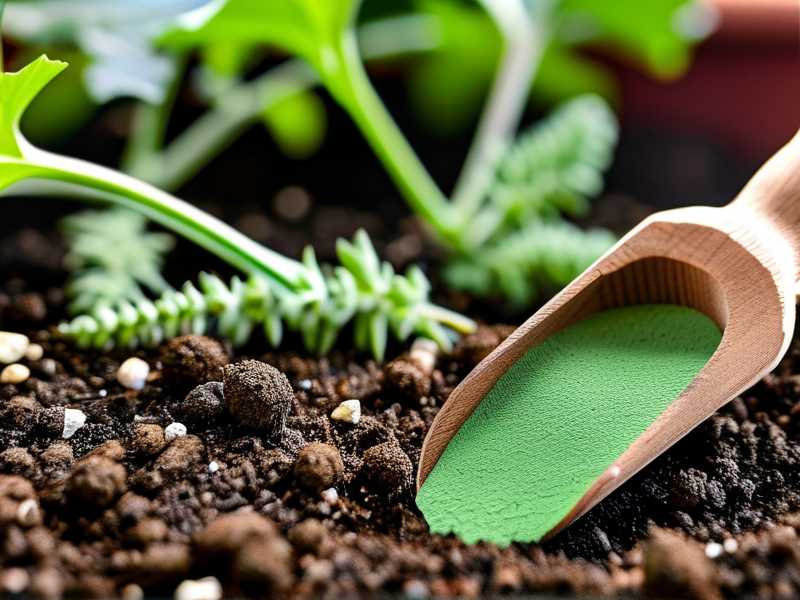
- Use the Right Soil: Fill your pot with a pre-mixed cactus/succulent soil, or make your own with equal parts potting soil, coarse sand, and perlite/pumice.
- Plant with Care: Gently loosen roots. Plant your largest feature first, then add others, leaving a little space for growth. Keep leaves and farina-coated plants above the soil line.
- Water Wisely: Do not water immediately! Wait 4-7 days to let any root damage callous over. Then, give the entire pot a thorough soak until water runs out the bottom. The single most important rule: only water again when the soil is completely dry.
Frequently Asked Questions
Can I pair succulents with a regular houseplant like a pothos? I strongly advise against it. This was one of my earliest and saddest mistakes. Pothos needs consistently moist soil and less direct light. In a shared pot with succulents, you'll either drown the succulents trying to keep the pothos happy, or desiccate the pothos while protecting the succulents. It's a fundamental mismatch in core needs.
How often should I water a mixed succulent arrangement? Throw away the calendar. The frequency depends on your climate, pot size, and sun exposure. The only reliable method is the "finger test." Stick your finger an inch into the soil. If it's completely dry, it's time for a deep, thorough watering. If there's any moisture, wait. In my sunny location, this meant watering about every 10-14 days for the arrangements I created.
Do I need to fertilize these pairings? Yes, but sparingly. All these plants are light feeders. During the active growing season (spring and summer), I use a diluted, balanced liquid fertilizer formulated for cacti and succulents at half strength, and only once a month. I do not fertilize at all in the fall and winter when growth slows down. Over-fertilizing can cause weak, leggy growth and damage sensitive roots.
Creating beautiful companion plantings with succulents is incredibly rewarding. It elevates your plant game from simple collector to thoughtful designer. By focusing on plants that share the same love for sun and neglect—like String of Pearls, Blue Chalk Sticks, and Ponytail Grass—you set yourself up for success. Remember my hard-earned lessons: ensure supreme drainage, protect delicate farina, and water based on soil dryness, not a schedule. Start with one small combination, observe it closely, and enjoy the process of building your own miniature, drought-tolerant oasis.