bluename
 How to Grow succulents from Division: A Beginner’s Guide to Multiplying Your Collection
Have you ever looked at a lush, overgrown succulent and wondered how to tame it? Or perhaps you’ve wanted to expand your plant family without another trip to the nursery? Many succulent enthusiasts face the challenge of managing crowded plants or simply wish to create more plants from their existing favorites. The solution is simpler than you might think. Growing succulents from division is one of the most rewarding and efficient propagation methods. It allows you to rejuvenate an overgrown plant, prevent disease, and multiply your collection for free. This guide will walk you through every step, turning what seems like a daunting task into an easy, successful project.
Understanding Succulent Division: What It Is and Why It Works
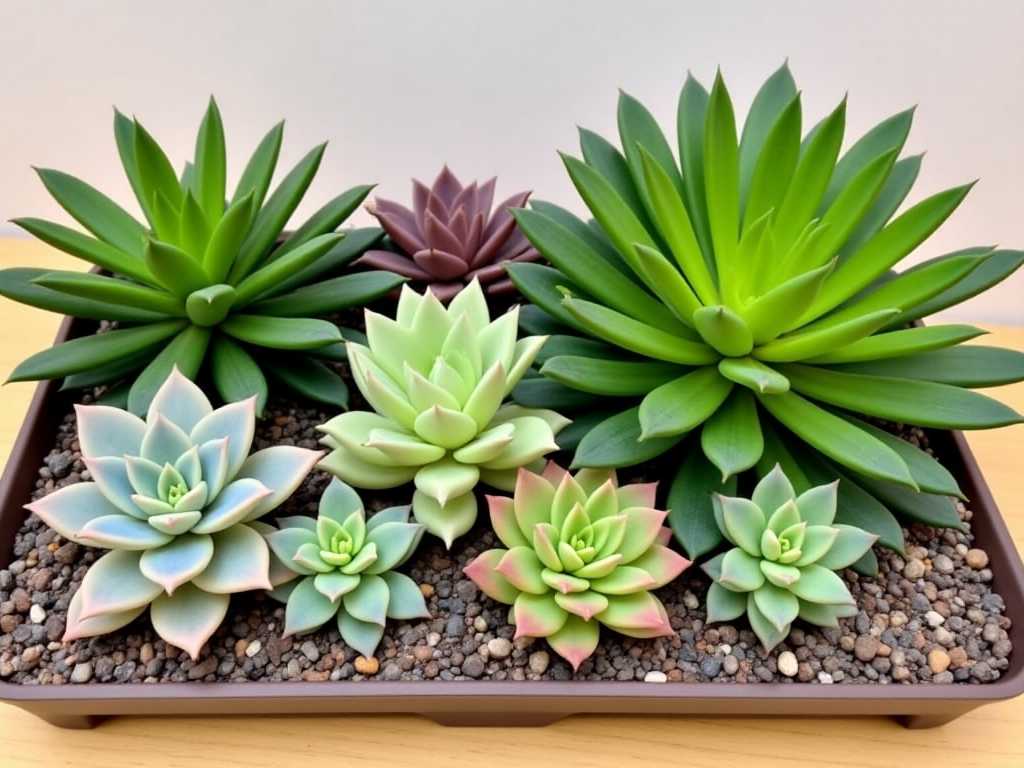
Division is the process of separating a mature succulent plant into two or more independent sections, each with its own root system. Unlike growing from leaves or seeds, division provides you with a fully-formed, smaller version of the parent plant almost instantly.
This method works perfectly for succulents that grow in clusters or form offsets—also known as “pups” or “babies.” These are genetically identical to the mother plant, guaranteeing the same color, shape, and growth habits. Horticulturist Dr. Emily Carter notes, “Division is often the fastest track to a mature-looking plant. It leverages the plant’s natural growth pattern, resulting in less shock and a higher success rate compared to other propagation techniques.”
Best Succulent Varieties for Propagation by Division
Not all succulents are ideal candidates for this method. Focus on clump-forming or spreading varieties. Here are some excellent choices for beginners:
- Aloe Vera: Readily produces offsets around its base.
- Haworthia (like Zebra Plant): Forms dense clusters that are easy to separate.
- Sempervivum (Hens and Chicks): The classic “chicks” are natural offsets perfect for division.
- Echeveria: While often propagated from leaves, some varieties form clumps.
- Gasteria: Grows in clusters and separates cleanly.
- Agave: Produces pups at its base, though some can be large and require careful handling.
Step-by-Step Guide: How to Divide Your Succulents Successfully
Follow this clear, step-by-step process to ensure your divided succulents thrive.
Gather Your Tools and Materials
You’ll need a few simple items: a clean, sharp knife or pair of pruning shears, a trowel or spoon, fresh succulent or cactus potting mix, several pots with drainage holes, and protective gloves for spiky varieties. Clean your cutting tools with rubbing alcohol to prevent spreading pathogens.
Prepare the Mother Plant
Water the succulent you plan to divide a few days before the procedure. Slightly moist soil makes it easier to remove the plant and reduces root stress. Gently remove the entire plant from its pot, carefully brushing away excess soil from the root ball to see its structure clearly.
How to Separate Succulent Offsets
This is the core of the process. Examine the base of the plant and the connections between the main plant and its offsets.
- For Loose Clumps: If the pups are already loosely attached, you can often gently wiggle them apart with your fingers.
- For Tight Connections: Use your sterilized knife to make a clean cut, ensuring each new section retains a good portion of its own roots. Avoid tearing the stems. For a large, dense cluster, you may carefully slice through the root ball into multiple sections.
Post-Division Care: Drying and Potting
This crucial step prevents rot. Place all divisions in a dry, shaded, and airy spot for 1-3 days. This allows the cut surfaces to form a protective callus. Once calloused, plant each division in its own small pot filled with dry, well-draining soil. Do not water immediately.
The Right Way to Water Newly Divided Succulents
Patience is key here. Wait about one week after potting before giving the plants a light watering. This encourages root growth without saturating vulnerable tissues. Then, resume a typical succulent watering routine—soaking the soil thoroughly only when it is completely dry.
Troubleshooting Common Problems After Division
Even with care, issues can arise. Here’s how to handle them.
- Wilting or Shriveled Leaves: Some wilting is normal due to transplant shock. If severe after a week, it might be underwatering. Give a thorough soak.
- Rotting Stems or Leaves: This is a sign of overwatering or planting before the cuts callused. Immediately remove the plant from wet soil, cut away any rot, re-callus, and repot in dry mix.
- Failure to Root: Ensure the plant gets bright, indirect light and that you’re following the “dry then soak” watering method. Avoid disturbing the plant to check for roots.
Creating the Ideal Environment for Growth
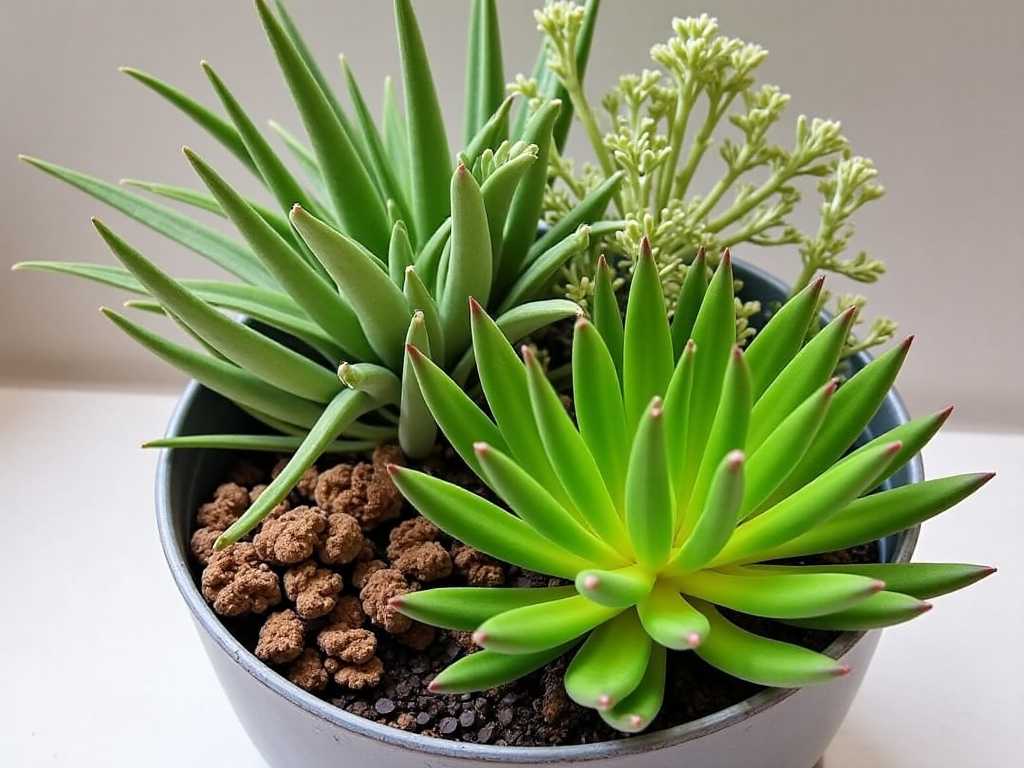
Your new divisions need optimal conditions to establish themselves. Provide plenty of bright, indirect sunlight. Direct, harsh sun can scorch stressed plants. Maintain a warm environment and ensure excellent air circulation. Hold off on fertilizing for at least the first two months to let the roots settle.
How Long Does It Take for Divided Succulents to Establish?
Typically, you’ll see signs of new growth—like fresh, plump leaves—within 4 to 6 weeks. This indicates the root system is actively growing and the plant is established. The timeline can vary based on the species, season, and growing conditions.
Can you divide a succulent that doesn’t have pups? While division is easiest with clumping varieties, you can sometimes divide a single, overgrown plant by carefully splitting its root ball into sections, ensuring each has a growing point (like a rosette center) and healthy roots. This is more advanced and carries a higher risk.
What’s the best time of year to divide succulents? The ideal time is during their active growing season, typically in spring or early summer. This gives them the entire growing season to recover and establish strong roots before slower winter growth.
My divided succulent looks unchanged after weeks. Is it dead? Not necessarily. Succulents prioritize root growth below the soil before showing visible top growth. As long as the plant isn’t mushy (rot) or completely dried out and crispy, it’s likely still establishing itself. Be patient and avoid overwatering.