bluename
 How to Grow succulents in Perlite: A Complete Guide for Healthier Plants
Have you ever lovingly planted a succulent, only to watch it slowly wilt, its leaves turning yellow and mushy from too much water? Overwatering is the single most common killer of these drought-loving plants. The usual culprit isn't your watering can—it's the soil. Standard potting mixes often retain moisture for too long, creating a soggy environment where succulent roots suffocate and rot. If you're tired of guessing when to water and want a simpler, more effective way to cultivate thriving succulents, the solution might lie in a surprising material: perlite.
This guide will walk you through everything you need to know about growing succulents in perlite. We'll explore why this lightweight volcanic rock is a game-changer, provide a step-by-step setup process, and share essential care tips tailored to this unique medium. By the end, you'll have the knowledge to create an ideal, well-draining home for your succulents, leading to stronger roots and more vibrant growth.

Why Perlite is a Succulent Superstar
Perlite is not soil. It's a naturally occurring volcanic glass that has been superheated until it pops, like popcorn, into lightweight, porous white granules. This process gives it exceptional properties that align perfectly with what succulents need to thrive.
First and foremost, perlite provides excellent drainage for succulents. Its structure is full of tiny pores and crevices. When mixed into a medium or used in its pure form, it creates vast air pockets throughout the root zone. Water flows through it instantly, preventing any chance of waterlogging. This mimics the arid, rocky native habitats of most succulents, encouraging roots to grow strong as they seek out moisture.
Furthermore, perlite promotes robust root aeration. Roots need oxygen as much as they need water. In dense, wet soil, oxygen is pushed out. The airy nature of perlite ensures roots have constant access to oxygen, which is crucial for healthy metabolic processes and prevents anaerobic conditions that lead to rot.
It's also sterile and inert. Unlike garden soil, perlite comes free of pests, diseases, and weed seeds. It doesn't decompose or compact over time, meaning your potting medium maintains its drainage and aeration qualities for years. This stability makes it a reliable long-term choice.
Getting Started: Your Materials and Setup
Transitioning to a perlite-based medium is straightforward. You'll need just a few key items:
- Succulents: Choose healthy plants. Those already showing signs of overwatering are excellent candidates for recovery in perlite.
- Perlite: Available at any garden center. You can use fine or coarse grade, though coarse perlite offers even better drainage.
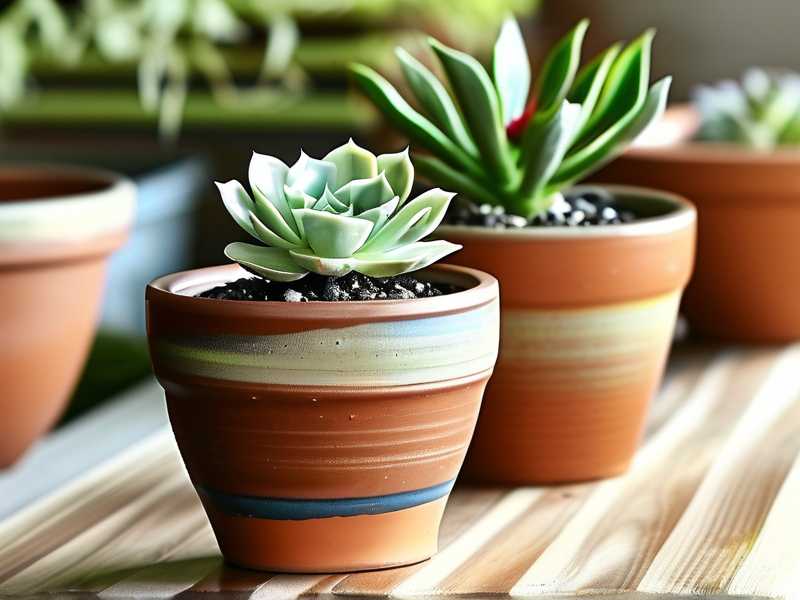
- Containers: Pots with drainage holes are non-negotiable. Terracotta pots are ideal as they are porous and help wick away extra moisture.
- Optional - Cactus/Succulent Soil: For a mix, use a high-quality, fast-draining cactus soil as a base.
- Tools: A small trowel, gloves (perlite dust can be irritating), and a watering can with a narrow spout.
Now, let's prepare your potting medium. You have two primary options:
Option 1: The Pure Perlite Method This is an advanced but highly effective technique, especially for rooting cuttings, rehabilitating overwatered plants, or for growers who prefer precise control over fertilization. You will plant your succulent directly into 100% perlite. This method requires a more attentive watering and fertilizing schedule, as perlite holds no nutrients.
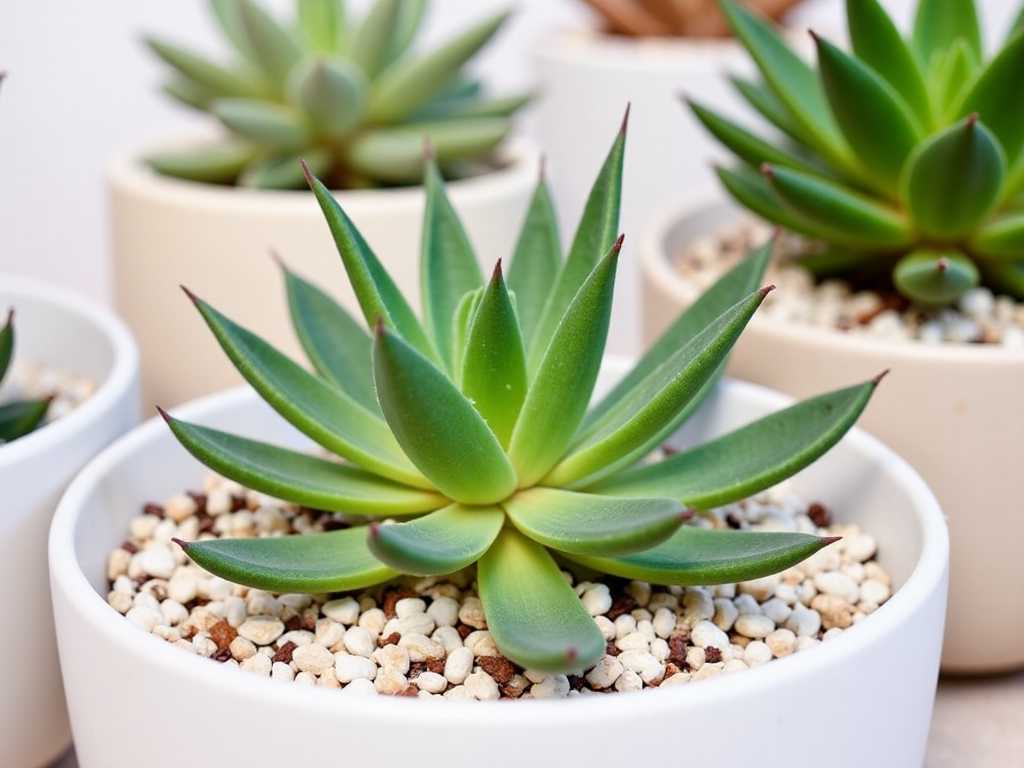
Option 2: The Perfect Perlite Mix For most growers, a mix offers the best balance. A classic and highly recommended perlite and succulent soil mix is a 1:1 ratio. Combine equal parts perlite and cactus/succulent potting soil. This blend retains enough structure and minimal nutrients while guaranteeing the fast drainage and aeration that perlite is known for. For succulents particularly prone to rot, you can increase the perlite ratio to 70% or even 80%.
Step-by-Step Planting Process
- Prepare Your Pot: Place a piece of mesh or a coffee filter over the drainage hole to prevent the perlite or mix from washing out.
- Prep the Plant: Gently remove your succulent from its old pot. Carefully brush away all the old soil from the roots. Inspect the roots and trim away any that are black, mushy, or dry and dead.
- Fill and Plant: Add a layer of your chosen perlite medium to the pot's bottom. Position the succulent so its base is just below the pot's rim. Hold it in place and gently fill in around the roots with more medium.
- Settle In: Avoid compacting the medium. Instead, tap the pot gently on a table to settle it. You may add a top dressing of gravel or coarse sand for aesthetics and stability.
Caring for Succulents in a Perlite Medium
Caring for plants in perlite differs slightly from traditional soil. Mastering the proper watering schedule for perlite-grown succulents is key.
Watering: The "soak and dry" method is essential. Water thoroughly until it runs freely from the drainage holes. Then, wait. Let the medium become completely dry all the way through before watering again. In pure perlite, this may mean watering more frequently than in a soil mix, as it dries out faster. Always check dryness by weight or with a finger—don't water on a fixed schedule.
Light and Temperature: Succulents still need plenty of bright, indirect light (4-6 hours minimum). Perlite itself doesn't affect temperature needs, but be aware that pots dry faster in hot, sunny conditions.
Fertilizing: Since perlite is inert, it provides zero nutrients. You must supplement with fertilizer. During the active growing season (spring and summer), use a balanced, water-soluble fertilizer diluted to half-strength every 4-6 weeks. Do not fertilize in the dormant winter period.
Common Challenges and Solutions
- Dust: Dry perlite can produce dust. Rinse it lightly in a sieve before use if this is a concern.
- Floating: Light perlite granules may float to the top during heavy watering. This is normal and doesn't harm the plant. Top dressing can help prevent this.
- Nutrient Management: The main challenge is remembering to fertilize. Mark your calendar to avoid nutrient deficiency, which shows as pale or stunted growth.
Expert Insight
Renowned horticulturist and author Dr. Jane Greenfield notes, "Growing succulents in high-perlite or inorganic mixes forces us to understand the plant's needs rather than relying on soil's buffer. It's a more active, engaged form of cultivation that often yields superior root health and reduces losses from rot dramatically." This aligns with the experience of many commercial growers who use soilless media for maximum control.
Can I grow succulents in 100% perlite? Yes, you can. It works exceptionally well for propagation, for plants extremely susceptible to rot, or in humid climates. It requires a more disciplined approach to watering and fertilizing, as the roots have no moisture or nutrient buffer.
How often should I water succulents in perlite mix? There is no fixed weekly schedule. The frequency depends on your climate, pot size, and plant type. Always perform the dryness test: water only when the medium is completely dry throughout. This could be every 5 days in a hot, dry summer or every 14-20 days in cool, humid weather.
Do I need to change the perlite mix over time? Perlite itself does not break down, so it doesn't need replacing. However, organic matter in a mix will slowly decompose. It's good practice to repot your succulents with fresh medium every 2-3 years to refresh nutrients and ensure the structure remains optimal.
Growing succulents in perlite is a simple shift with profound results. By prioritizing drainage and aeration above all else, you work with the natural needs of these resilient plants rather than against them. Whether you choose a gritty mix or the pure perlite method, you're creating an environment where roots can breathe and thrive. Start with a single plant or a cutting, observe how it responds, and enjoy the confidence that comes from knowing your succulents are sitting in a foundation that sets them up for long-term success.