bluename
 How to Grow succulents in Vermiculite: A Complete Guide for Thriving Plants
Are your succulents struggling with root rot, despite your best efforts? Do you find yourself constantly second-guessing your watering schedule, unsure if the soil is too wet or too dry? You’re not alone. Many plant enthusiasts face the challenge of providing the perfect drainage and aeration succulents desperately need. The secret to solving this common dilemma might lie in a surprising material: vermiculite. This guide will walk you through everything you need to know about using vermiculite to create an ideal environment for your succulents to not just survive, but truly thrive.
What is Vermiculite and Why is it Great for Succulents?
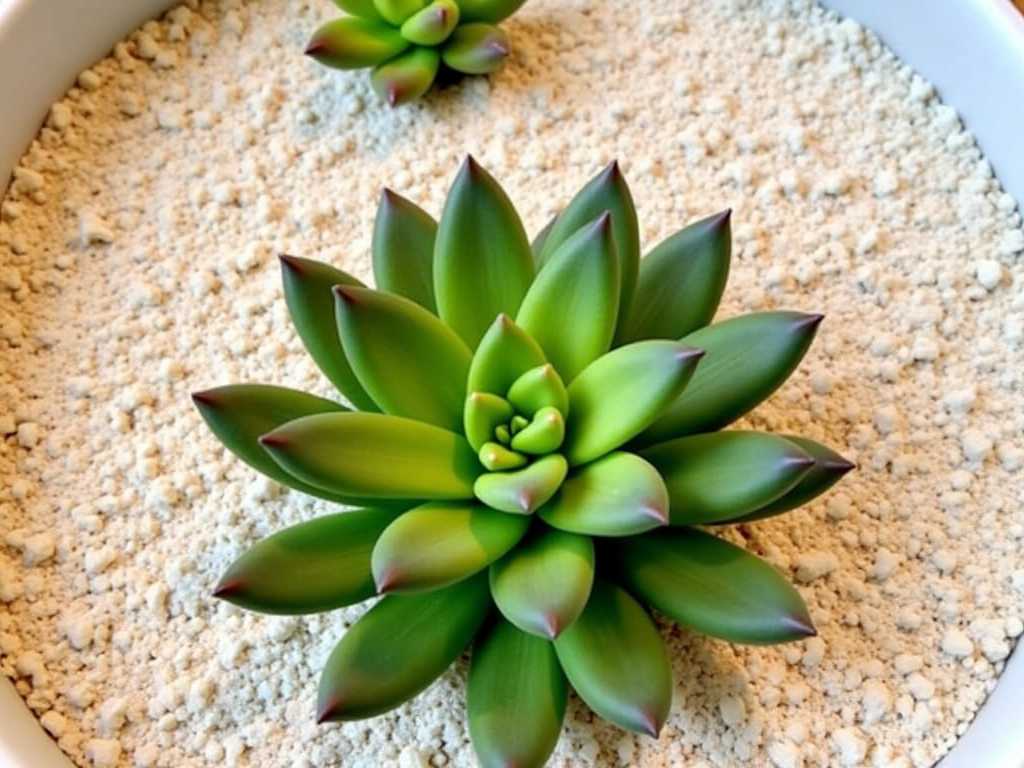
Vermiculite is a naturally occurring mineral that undergoes a heating process, causing it to expand into lightweight, absorbent pellets. In horticulture, it’s prized for its unique properties. Unlike dense, water-retentive garden soil, vermiculite creates air pockets within the growing medium. For succulents, which have evolved to store water in their leaves and stems and are highly susceptible to root rot in soggy conditions, this is a game-changer. It provides the excellent drainage they crave while still holding onto moisture and nutrients long enough for the roots to access them.
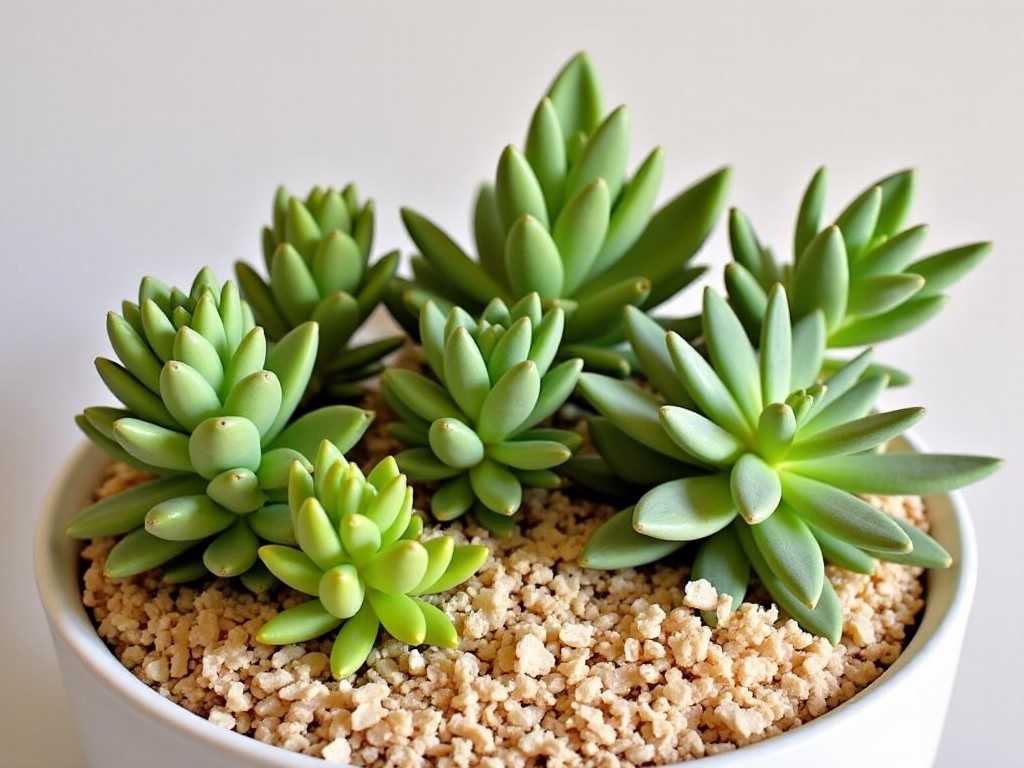
The Benefits of Using a Vermiculite Mix for Your Succulents
Integrating vermiculite into your succulent soil mix offers several distinct advantages that directly address their core needs.
Superior Drainage and Aeration: This is the foremost benefit. Vermiculite’s structure prevents soil compaction, ensuring water flows through quickly and oxygen reaches the roots. Healthy roots are the foundation of a healthy plant.
Moisture Regulation: While it drains well, vermiculite also acts like a tiny reservoir. It absorbs water and releases it slowly, providing a more consistent moisture level. This helps prevent the “feast-or-famine” cycle that can stress succulents when soil goes from bone-dry to waterlogged.
Lightweight Medium: A pot filled with a vermiculite-based mix is significantly lighter than one filled with pure potting soil or sand. This makes moving your plants easier and is ideal for hanging planters or shelves with weight limits.
Neutral pH and Sterility: Vermiculite is pH-neutral, meaning it won’t alter the acidity or alkalinity of your mix. It’s also sterile straight from the bag, reducing the risk of introducing fungi or pests to your plants.
Creating the Perfect Succulent Potting Mix with Vermiculite
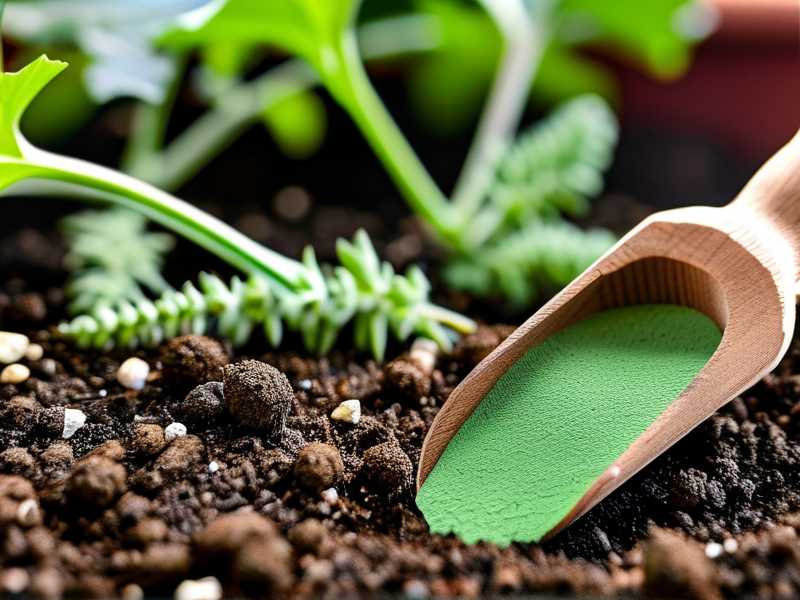
A common mistake is planting succulents in 100% vermiculite. While it drains well, pure vermiculite retains too much moisture on its own and lacks the structure to support mature plants. The key is to blend it with other ingredients. A classic, highly effective recipe is:
- 50% Potting Soil: Use a standard, well-draining potting mix as your base. Avoid mixes labeled for moisture-loving plants.
- 30% Coarse Sand or Grit: This adds weight and further improves drainage. Horticultural sand, poultry grit, or perlite are excellent choices.
- 20% Vermiculite: This is your moisture-regulating and aerating component.
Thoroughly mix these components in a large container before potting. As noted by horticulturist Dr. Linda Chalker-Scott in her work on soil amendments, “The goal is to create a heterogeneous mix that balances water-holding pores with air-filled pores.” This blend achieves exactly that for succulents.
Step-by-Step: Planting and Caring for Succulents in Vermiculite Mix
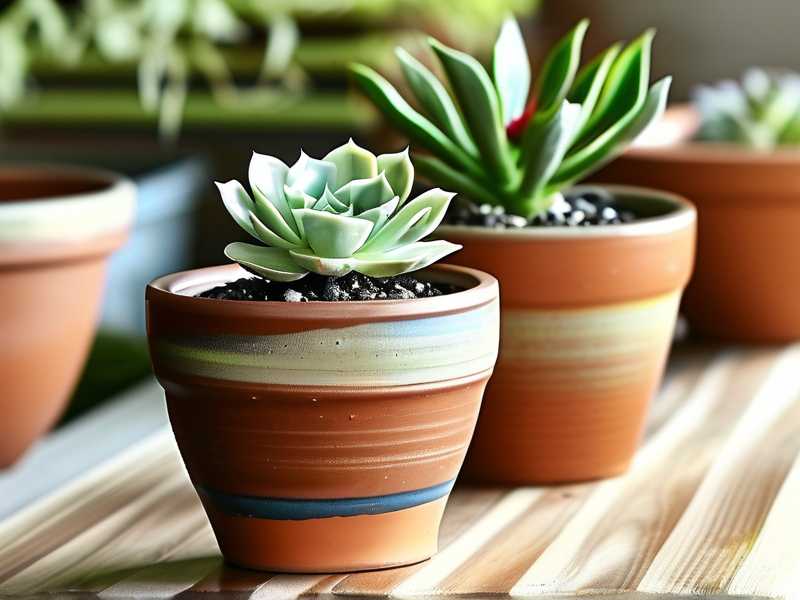
1. Choosing the Right Container: Always use a pot with drainage holes. Terracotta pots are an excellent choice as they are porous and help wick away excess moisture.
2. The Planting Process: Place a piece of mesh or a shard over the drainage hole to prevent soil loss. Fill the pot about one-third with your prepared vermiculite succulent mix. Gently remove your succulent from its old pot, teasing apart any tightly bound roots. Place it in the new pot and fill around the sides with more mix, ensuring the plant sits at the same depth as before. Tap the pot to settle the mix.
3. Watering Fundamentals: After planting, wait 4-7 days before the first watering to allow any disturbed roots to heal. Then, employ the “soak and dry” method. Water thoroughly until it runs freely from the drainage holes, ensuring the entire root ball is moistened. Then, do not water again until the mix is completely dry all the way to the bottom. Insert a wooden skewer to check. This cycle mimics the natural arid conditions succulents prefer.
4. Light and Feeding Requirements: Most succulents need at least 6 hours of bright, indirect sunlight daily. A south or east-facing window is ideal. Fertilize sparingly—only during the active growing season (spring and summer)—with a diluted, balanced fertilizer. Half-strength once a month is sufficient.
Propagating Succulents Using Vermiculite
Growing succulents from leaves or cuttings is remarkably easy with vermiculite. Fill a shallow tray with damp (not wet) vermiculite. Place your calloused leaf cuttings or stem cuttings on top. The vermiculite maintains a humid micro-climate around the cutting, encouraging root growth without causing rot. Mist lightly only when the surface feels completely dry. Once roots and a small rosette appear, you can transplant them into your standard vermiculite potting mix.
Troubleshooting Common Issues
Yellowing, Mushy Leaves: This is a classic sign of overwatering. Check that your mix is draining adequately and that you are allowing it to dry out completely between waterings. Ensure the pot has drainage.
Shriveled, Wrinkled Leaves: This indicates underwatering. While the vermiculite mix retains some moisture, it can still dry out too much. When you water, ensure you are soaking the mix thoroughly, not just giving it a light sprinkle.
Leggy, Stretched Growth: This is called etiolation and means your plant is not receiving enough light. Move it to a brighter location gradually to avoid sunburn.
Are there specific types of succulents that do best in a vermiculite mix? While most succulents will benefit, those particularly prone to rot, like Echeveria, Haworthia, and Sedum, show remarkable improvement. Cacti also thrive in a grittier mix with vermiculite. It’s less ideal for jungle cacti like Christmas Cactus, which prefer more organic matter.
Can I reuse old potting mix that contains vermiculite? It’s possible but requires care. Old mix can be depleted of nutrients and may harbor pathogens. It’s best to sterilize it by baking in the oven (at 200°F for 30 minutes) and then refresh it with at least 50% new components, including new vermiculite, as the old pellets can break down and compact over time.
How does vermiculite compare to perlite for succulent soil? Both improve aeration, but they function differently. Perlite is more porous and provides better drainage but doesn’t retain water or nutrients. Vermiculite offers a balance of drainage and moisture retention. Many expert growers use a combination of both for optimal structure—perlite for maximum drainage and vermiculite for steady moisture release.
Mastering how to grow succulents in vermiculite ultimately comes down to understanding what these resilient plants need most: a quick-draining home that avoids soggy roots. By amending your soil with vermiculite, you’re not just using a different material; you’re adopting a method that prioritizes root health and mimics a succulent’s natural, gritty habitat. Start with a simple 50/30/20 mix, be mindful of your watering technique, and provide plenty of light. You’ll likely find your succulents become more vibrant, robust, and forgiving, turning your collection into a true showcase of effortless beauty.