 admin
adminHow to FixSucculentLeaves Turning Red: A Grower's 2-Week Rescue Diary
I remember the panic I felt when I first noticed my beloved Echeveria 'Perle von Nurnberg' developing a fiery red blush on its outer leaves. My initial thought was, "Is it dying?" If you're here, you've likely asked the same question. Seeing yourSucculentleaves turning red can be alarming, but it's not always a death sentence. In fact, it's one of the most common yet misunderstood phenomena inSucculent Care. Over the years, I've learned that this color change is a plant's language, and decoding it is key to its health. Through my own two-week experiment with a stressedSucculent, I documented the exact steps to diagnose and fix the issue, whether it's a harmless sun-kissed glow or a desperate cry for help.
Understanding Why Succulent Leaves Change Color: Stress vs. Distress
Before you can fix the problem, you need to understand its root cause.Succulentsproduce red, purple, or orange pigments (like anthocyanins and carotenoids) as a response to environmental stressors. The Royal Horticultural Society (RHS) notes that these pigments can act as a "sunscreen," protecting chlorophyll from intense light. So, some redness is a sign of a happy, acclimated plant. However, it becomes a problem when combined with other symptoms of distress.
The key is context. I group the causes into two categories:typically harmlessandrequiring action.
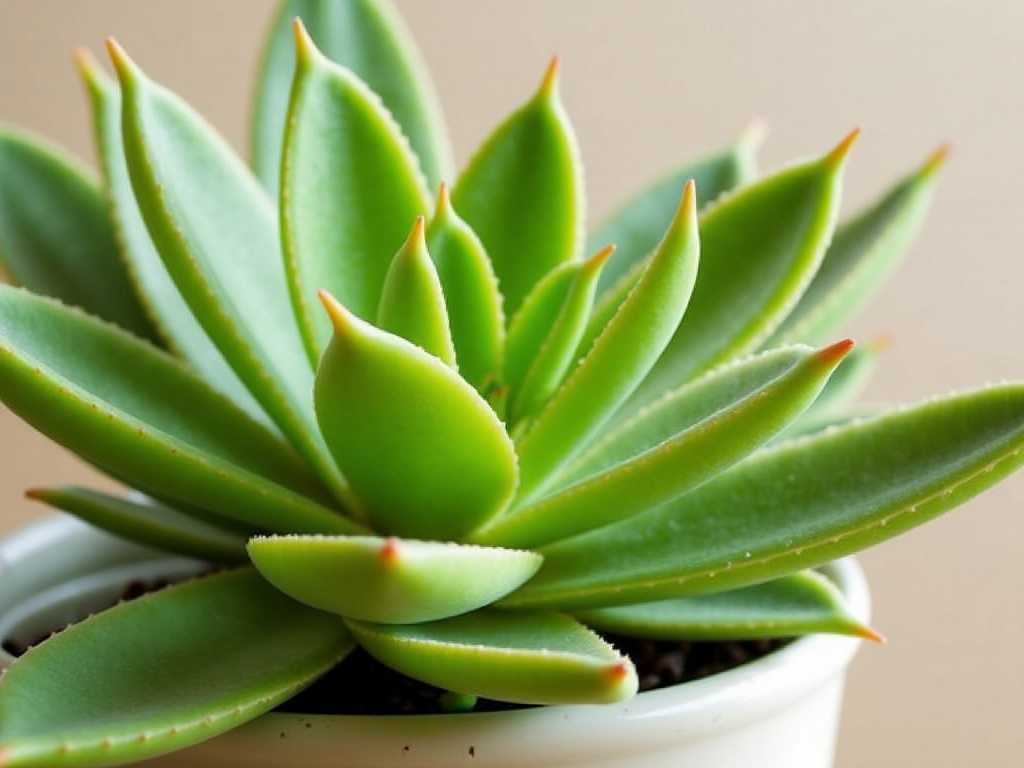
Typically Harmless (Sun Stress / "Blushing"):
- Intense Sunlight:This is the most common cause. The red hue is often even and appears on the sides of the leaves facing the light.
- Cool Temperatures:A drop in temperature, especially in fall, can trigger beautiful color changes.
- Slight Under-Watering:Mild drought stress can intensify colors.
Requiring Action (Signs of Distress):
- Severe Sunburn:Patches turn crispy, white, or brown, often with red surrounding the damaged area.
- Extreme Drought Stress:Leaves become shriveled, thin, and red or purple, starting from the bottom up.
- Nutrient Deficiency:A general, all-over reddish or purple hue, particularly in older leaves, can indicate a lack of phosphorus.
- Root Rot (Often from Overwatering):This is the most critical. Leaves may turn yellow, then translucent, and finally reddish-brown as they rot. They will feel mushy, not firm.
My troubled plant showed a combination: an overall reddish-purple tintandthe lower leaves were becoming slightly soft. This pointed me toward investigating root health and watering habits.
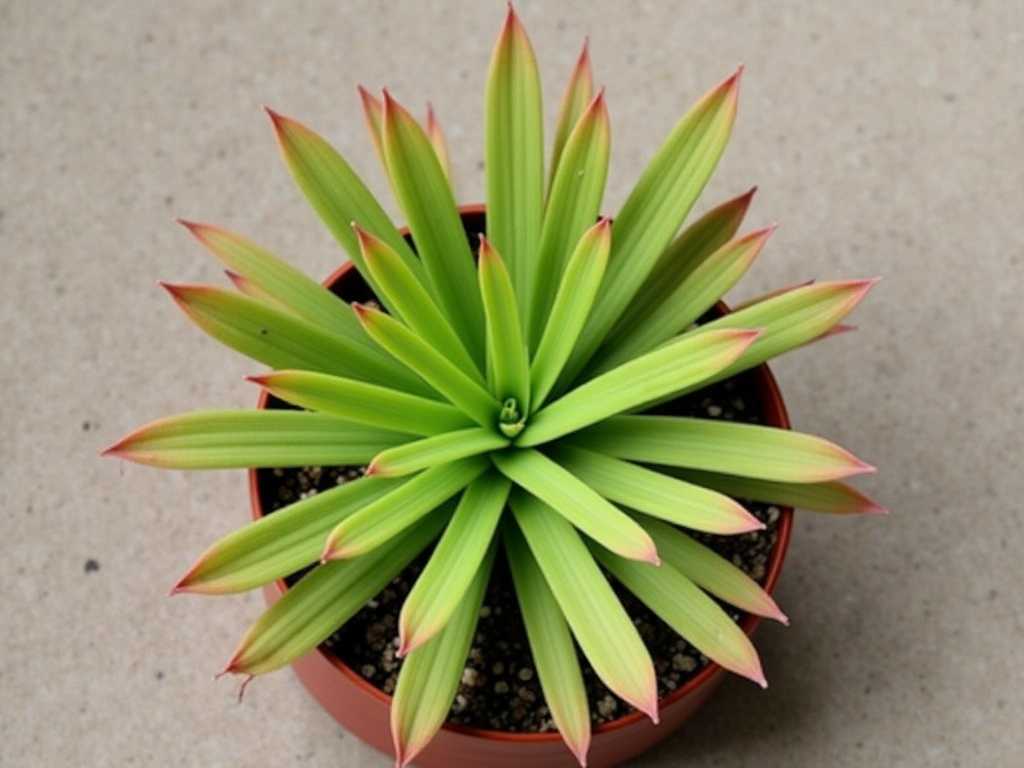
My 2-Week Step-by-Step Rescue Plan for a Reddening Succulent
Here is the exact process I followed for my Echeveria, which you can adapt for your plant.
Week 1: Diagnosis and Immediate Intervention
Day 1-2: The Initial Assessment & RepottingMy first step was a thorough check. I gently wiggled the stem; it had some give—a bad sign. I knew I had to inspect the roots.
- I removed the plant from its pot, carefully brushing away the soggy soil.
- The diagnosis was clear:root rot. Several roots were dark, mushy, and sloughed off to the touch. The healthy roots were few and short.
- Using sterilized scissors, I pruned away every single rotten root, cutting back to firm, white tissue. I didn't hesitate to be aggressive—it's necessary.
- I let the plant, bare-root, sit in a warm, shaded, airy spot for 48 hours to allow the cuts to callous over completely. This step is non-negotiable to prevent new infections.
The Pitfall I Hit:Impatience. In the past, I've repotted immediately after pruning, which led to the rot returning. Letting the wounds callous is crucial.
Day 3: The Fresh Start
- I selected a terracotta pot with an excellent drainage hole, only slightly larger than the remaining root ball.
- I used a fast-draining succulent mix (a 50/50 blend of bagged cactus soil and perlite).
- I potted the succulent, supporting it so the calloused stem end was just above the soil line.I did not water it.A plant with no roots cannot absorb water; wet soil will only cause more rot.
Day 4-7: The Waiting GameI placed the repotted plant in a location with bright,INDIRECTlight—a north-facing windowsill indoors. No direct sun while it was vulnerable. My job was to observe and resist the urge to water. The leaves remained red and slightly limp, which was expected.
Week 2: Recovery and Acclimation
Day 8: The First WateringAfter one full week in dry soil, I looked for the tiniest sign of new root growth. I saw a few minuscule pink nubs near the stem base. This was my cue.
- I performed a "bottom watering." I placed the pot in a shallow dish of water for about 15 minutes, allowing the soil to soak up moisture from the bottom.
- I then let it drain thoroughly on a rack. This method encourages roots to grow downward.
Day 9-14: Monitoring and AdjustingThe change was subtle but steady.
- By Day 12:The innermost, newest leaves began to feel just a bit firmer. The intense red on the older leaves started to fade to a greener purple at the base.
- I maintained discipline:I only watered again when the soil was completely dry all the way through (I checked with a chopstick).
- Light:I gradually introduced it to an hour of gentle morning sun, increasing exposure slowly to avoid sunburn on its stressed leaves.
After Two Weeks:My succulent was not "fixed" yet—full recovery takes months. But the crisis was over. The reddening had halted and partially receded. The plant was no longer in active distress; it was focusing energy on regrowing roots. The leaves were plumping up from the center outward.
Key Factors to Adjust for a Healthy, Color-Balanced Succulent
My experiment reinforced the balance these plants need.
1. Perfecting Your Watering TechniqueThe American Horticultural Society's (AHS) "Plant Heat-Zone Map" concept reminds us that watering needs change with environment. The "soak and dry" method is gospel. Water deeply only when the soil is 100% dry, and always empty the saucer. In cooler months, this might mean watering only once a month.
2. Providing the Right Light (Not Just the Most Light)Sun stress color is beautiful; sunburn is damage. Acclimate your succulent to stronger light over 2-3 weeks. If leaves get crispy white or brown patches, it's burned. Move it to dappled light immediately. Most redSucculentsdoing well will still have firm, plump leaves.
3. The Foundation: Soil and DrainageThis is where most failures happen. A generic potting soil holds too much moisture. You must use a gritty, porous mix. My 50/50 blend never fails. The pot must have a drainage hole—no exceptions.
4. Addressing Nutrient NeedsIf all other factors are perfect and a general purple-red persists, consider a mild nutrient deficiency. Use a balanced, water-soluble fertilizer diluted to half-strength, applied only during the active growing season (spring/summer). Do not fertilize a stressed or recently repotted plant.
Your Top Questions on Red Succulent Leaves, Answered
Is it bad if my succulent tips turn red?Not usually! This is classic sun stress or "blushing." It's often desirable and a sign your plant is getting sufficient light. Only worry if the red areas become dry, crispy, or sunken.
Can an overwatered succulent turn red?Yes, but typically as a late-stage symptom. Overwatering usually causes yellow, translucent, and mushy leaves first. As the tissue dies, it can turn a reddish-brown. The feel (mushy) and pattern (often starting at the stem) differentiate it from sun stress.
My succulent is red and wrinkly. What do I do?This signals severe drought stress. The plant is using up its water reserves. Don't flood it. Give it a thorough bottom soak and it should plump up within 1-3 days. If it doesn't, check the roots for rot, as dried-out roots can also die and prevent water uptake.
Watching succulent leaves turning red taught me more about plant communication than any textbook. It pushed me to become a more observant, patient gardener. Remember, your succulent's color is its story. Listen to it, look for accompanying clues, and act with care. Whether you're encouraging a vibrant blush or rescuing a plant from rot, the journey is a rewarding part of the growing experience. Start with the roots and the soil, master the water-light balance, and you'll not only fix the problem but also grow a more resilient, beautiful plant.
发表评论