bluename
 How to Grow succulents in Charcoal: A Complete Guide to a Cleaner, Healthier Method
Have you ever lovingly potted a succulent, only to watch it slowly succumb to root rot despite your careful watering? Do you struggle with finding a potting mix that drains quickly enough for these drought-loving plants? If you're nodding along, you're not alone. Overwatering and poor soil aeration are the top killers of succulents. But what if there was a growing medium that could virtually eliminate these issues, promoting stronger roots and a more minimalist aesthetic? Enter growing succulents in charcoal. This innovative method is gaining traction for its exceptional drainage, natural purification properties, and unique visual appeal. This guide will walk you through everything you need to know to successfully cultivate your succulents using charcoal.
Understanding Horticultural Charcoal
Before we dive into the "how," it's crucial to understand the "what." Not all charcoal is created equal for plant use.
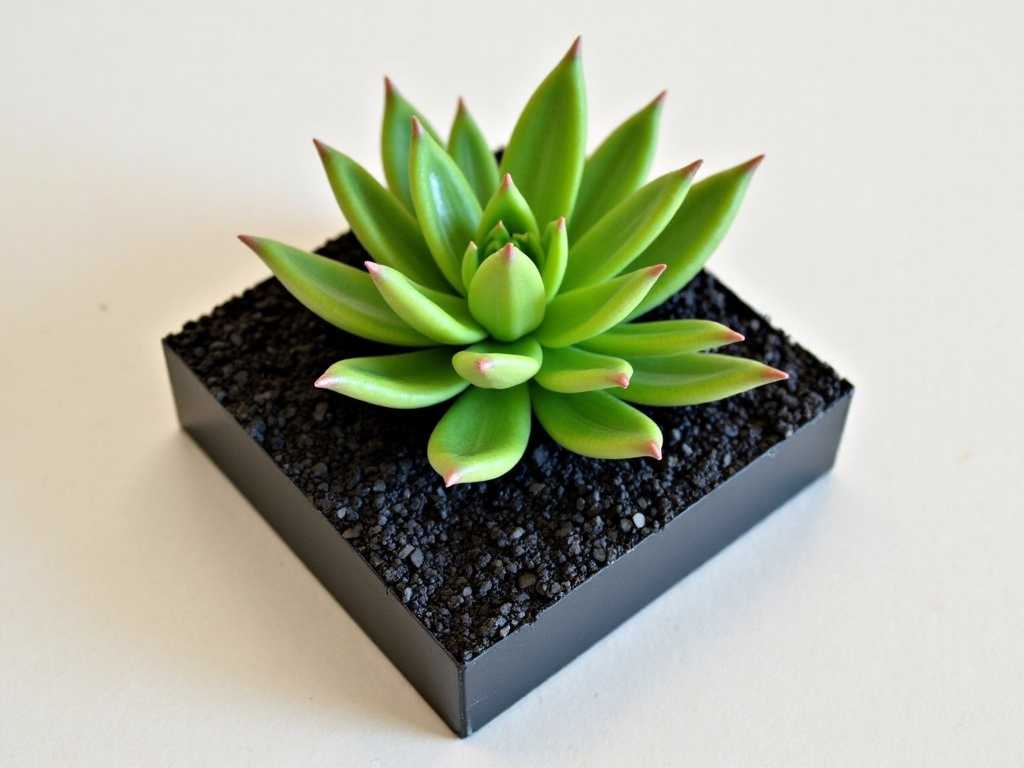
What is Horticultural Charcoal? Horticultural charcoal, also known as biochar, is a porous, carbon-rich material produced by burning organic matter like hardwood in a low-oxygen environment. This process, called pyrolysis, creates a stable structure full of tiny pores. It's important to distinguish this from the charcoal briquettes used for grilling, which often contain lighter fluids and chemical additives toxic to plants. Always source charcoal specifically labeled for horticultural or agricultural use.
Key Benefits for succulent care Why is charcoal so beneficial for succulents? The advantages are rooted in its physical and chemical properties.
- Superior Drainage and Aeration: The porous nature of charcoal creates large air pockets within the potting medium. This ensures that water flows through rapidly, preventing the soil from staying soggy around the succulent's sensitive roots—a perfect mimic of their native arid environments.
- Natural Toxin Absorption: Charcoal acts like a filter. It can bind to and neutralize harmful chemicals, excess salts from fertilizers, and impurities in water. This helps prevent root burn and creates a cleaner root zone.
- pH Balancing: Horticultural charcoal tends to be slightly alkaline, which can help balance the acidity of other potting components like peat moss. Most succulents prefer a neutral to slightly acidic pH, making charcoal a useful stabilizing agent.
- Longevity and Sustainability: It doesn't decompose quickly like organic matter, meaning it provides lasting structure to your potting mix. As noted by soil scientist Dr. Linda Chalker-Scott, biochar can enhance soil properties for years, reducing the need for frequent repotting.
How to Prepare Your Charcoal for Planting
Proper preparation is the first critical step to success.
Selecting the Right Charcoal Purchase bagged horticultural charcoal from garden centers or reputable online suppliers. It usually comes in chunks of various sizes.
Crushing and Sizing For most succulent plantings, you'll want pieces roughly between 1/4 inch and 1/2 inch in diameter. You can place larger chunks in a sturdy bag and gently break them with a hammer. The goal is to create pieces that provide structure without being too dusty. Be sure to sift out the fine powder, as it can compact and reduce aeration.
The Essential Sterilization Step To ensure no pathogens or pests are introduced, sterilize your charcoal. You can bake the crushed pieces on a baking sheet in an oven at 200°F (93°C) for about 30 minutes, or soak them in a solution of one part hydrogen peroxide to four parts water for an hour, then rinse thoroughly. This creates a clean slate for your plants.
Creating the Perfect Charcoal Potting Mix
While you can grow succulents in 100% charcoal, a blend often provides the best balance of anchorage, moisture, and nutrients.
Recommended Mix Ratios A foolproof starting formula is a 1:1:1 ratio of:
- Horticultural Charcoal: Provides aeration and filtration.
- Inorganic Grit (like Perlite or Pumice): Further enhances drainage and prevents compaction.
- Succulent/Cactus Potting Soil: Provides a small amount of organic matter to hold minimal moisture and nutrients.
For succulents extremely prone to rot (like Lithops or some Echeverias), you can increase the charcoal and grit to 70% of the mix. Experiment to see what works best for your specific plants and local humidity.
Mixing and Testing Drainage Thoroughly combine all components in a large container. To test the mix, moisten a handful and squeeze it. It should hold together loosely but crumble apart easily when poked. It should never form a dense, muddy ball.
A Step-by-Step Guide to Planting in Charcoal
Now for the practical part. Follow these steps for a seamless transition.
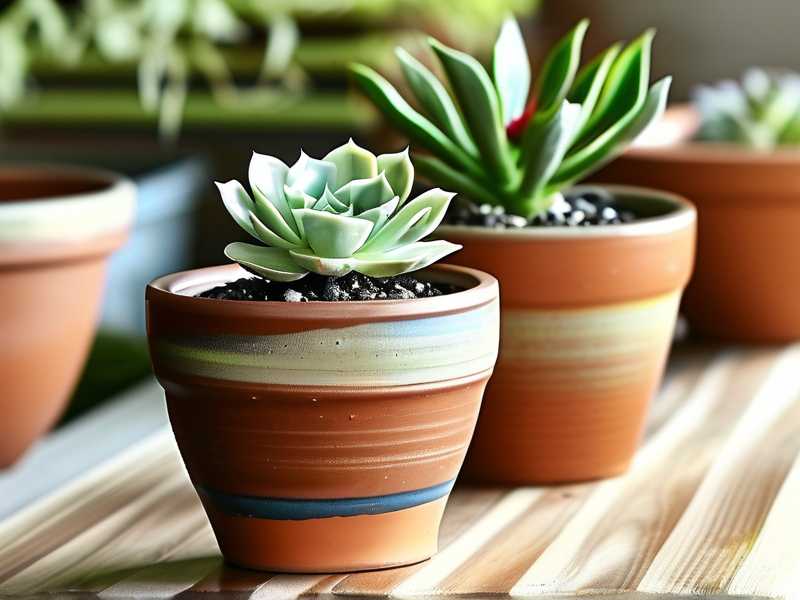
Choosing the Right Container Always use a pot with a drainage hole. Terracotta pots are an excellent pairing with charcoal mixes, as their porous walls allow for even more evaporation. Ensure the pot is only slightly larger than the root ball of your succulent.
The Planting Process
- Place a small piece of mesh or a broken pottery shard over the drainage hole to prevent mix from washing out.
- Add a base layer of your charcoal mix.
- Gently remove your succulent from its old soil, carefully teasing away as much of the old medium as possible from the roots.
- Position the plant in the new pot and fill in around the roots with your charcoal mix, gently tamping it down to provide stability.
- Leave a small space (about 1/2 inch) between the soil line and the pot's rim for watering.
Initial Watering and Acclimation Do not water immediately! This is crucial. Your succulent likely has minor root damage from repotting. Wait 4-7 days before giving it a thorough soak. This allows any wounds to callus over, preventing rot. Place the newly potted plant in bright, indirect light for a week before moving it to its preferred sunny spot.
Ongoing Care and Maintenance
Caring for succulents in charcoal differs slightly from traditional soil.
Watering Techniques and Frequency The "soak and dry" method is more important than ever. Water deeply until it runs freely from the drainage hole, ensuring the charcoal is fully saturated. Then, allow the mix to become completely dry all the way through before watering again. Stick your finger deep into the pot to check. The frequency will depend on your climate, but intervals will likely be longer than with standard mixes.
Fertilizing Needs Charcoal itself is not a fertilizer. Because the mix is low in organic matter, regular feeding during the growing season (spring and summer) is necessary. Use a balanced, water-soluble fertilizer diluted to half-strength every 4-6 weeks. The charcoal will help prevent fertilizer salt buildup.
Recognizing Signs of Health and Distress
- Healthy Signs: Firm leaves, steady growth, and roots that are white or light-colored when you check.
- Warning Signs: A succulent that continues to shrivel after watering may need a slightly more moisture-retentive mix. Yellowing, mushy leaves are a classic sign of overwatering—even in charcoal, it's possible if the watering frequency is too high.
Troubleshooting Common Issues
Even with the best methods, challenges can arise.
Dealing with Pests Charcoal's dry environment discourages fungus gnats. For mealybugs or scale, use a cotton swab dipped in isopropyl alcohol. The clean base makes pests easier to spot and manage.
Managing Mold or Algae While rare, white mold or green algae can appear on the surface if conditions are too humid and shaded. Simply scrape off the affected layer of charcoal, increase air circulation, and provide more light.
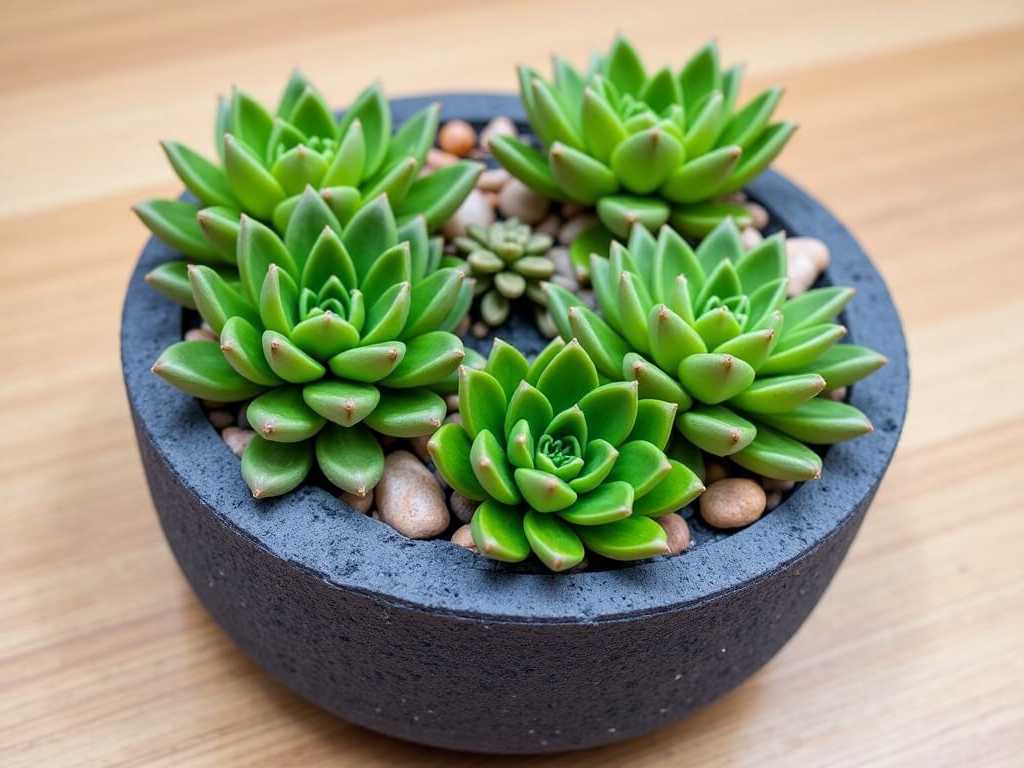
What to Do if Your Succulent Isn't Thriving If growth is stunted, reassess light and fertilizer. If the plant is unstable, the charcoal pieces might be too large; consider adding more gritty soil to help roots anchor. Remember, cultivating succulents in a charcoal-based substrate requires a slight shift in care mindset, prioritizing infrequent but deep watering.
Can I use activated charcoal instead of horticultural charcoal? While chemically similar, activated charcoal is powdered and far too dense for potting mix. It will compact and suffocate roots. Stick to chunkier horticultural charcoal for its structural benefits.
Do I need to change the charcoal mix every year? No. One of the advantages of charcoal is its stability. You can typically use the same mix for 2-3 years. Refresh it by repotting with a new batch when you notice your succulent has outgrown its pot or the mix seems excessively broken down.
Is the charcoal method suitable for all types of succulents? It works excellently for most common succulents, especially those from very arid regions like cacti, Sedums, and many Echeverias. It may not be ideal for "jungle cacti" like Christmas Cactus, which prefer more organic, moisture-retentive mixes.
Embracing charcoal as a growing medium can transform your succulent care routine, offering a solution to the most common watering woes. By providing an impeccably drained and purified environment, you’re not just following a trend—you’re working with the natural needs of these resilient plants. Start with a hardy succulent and the simple mix formula, observe how your plant responds, and enjoy the process of cultivating healthier, more beautiful succulents with this clean and effective technique.