bluename
 How to Grow succulents in Lava Rock: A Complete Guide for Vibrant, Healthy Plants
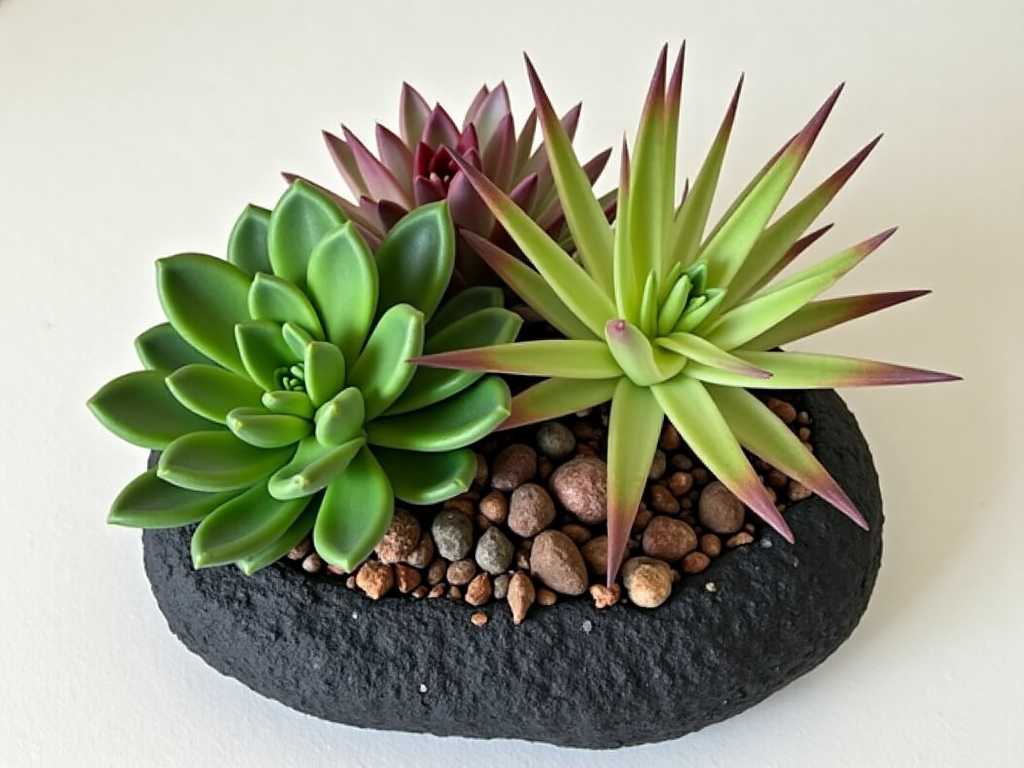
Are your succulents suffering from root rot despite your best efforts? Do you find yourself constantly worrying about overwatering, even with a "well-draining" potting mix? You're not alone. The secret to solving these common frustrations may lie not in your watering can, but in your potting medium. This guide will introduce you to the revolutionary method of growing succulents in lava rock, a technique that mimics their natural, arid habitats and can lead to incredibly resilient, thriving plants.
Why Lava Rock is a Game-Changer for succulent care
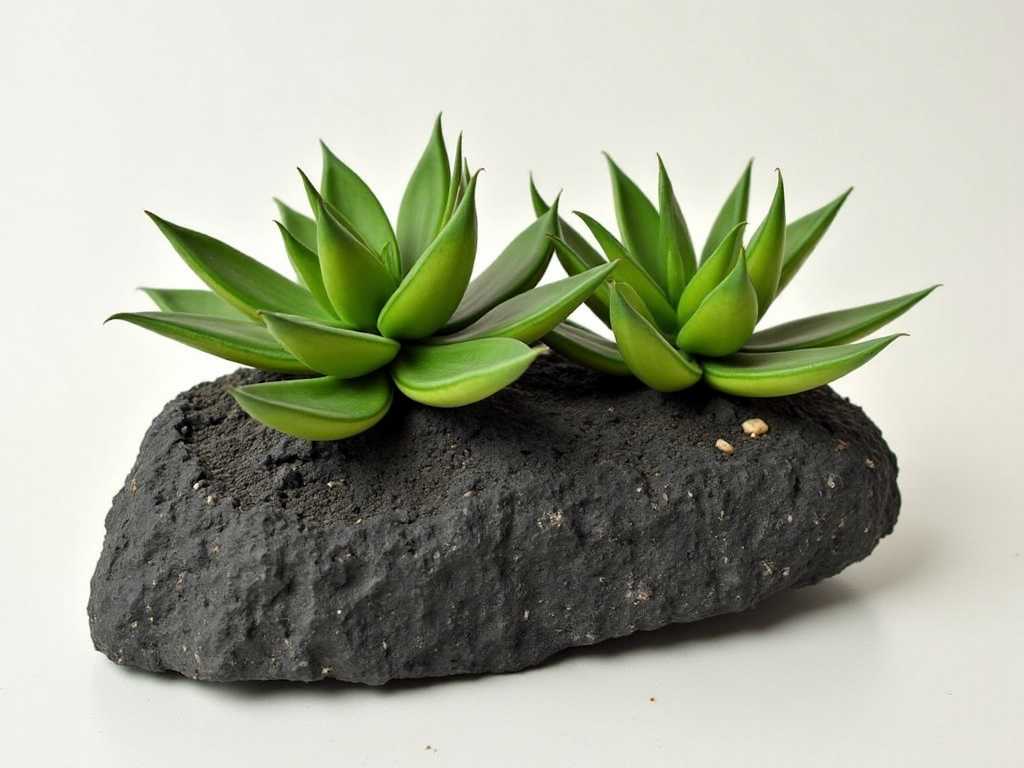
Lava rock, a porous, volcanic material, is more than just a decorative top dressing. Its unique structure creates the perfect environment for succulent roots. Unlike dense organic soils that retain moisture for too long, lava rock provides exceptional drainage and aeration. This directly addresses the number one killer of succulents: excess water around the roots.
The benefits are clear. Horticulturist Dr. Emily Carter notes, "Using inorganic substrates like lava rock fundamentally changes the watering dynamic. It allows for excellent oxygen flow to the roots, which is crucial for preventing fungal diseases and promoting strong, healthy growth." This method is particularly effective for enthusiasts in humid climates where traditional soil mixes stay damp for extended periods.
Getting Started: Choosing Your Lava Rock and Succulents
Not all lava rock is created equal. For potting, you'll want horticultural-grade lava rock, often labeled as "pumice" or "volcanic rock." It should be in a size range of 1/4 to 1/2 inch. Avoid large, jagged landscape rocks, as they won't provide the right structure for root development.
When selecting succulents, some varieties are especially well-suited to this gritty medium. Focus on species known for their drought tolerance and susceptibility to rot. Excellent choices include Echeveria, Sempervivum (Hens and Chicks), Sedum, and many types of Haworthia. These plants will adapt quickly and showcase remarkable health.
A Step-by-Step Guide to Planting Succulents in Lava Rock
Follow this clear process to ensure your plants get the best start in their new volcanic home.
Step 1: Prepare Your Materials You will need your chosen succulents, horticultural lava rock, a container with a drainage hole, and a pair of tweezers or chopsticks for handling. It is advisable to have a small amount of fine pumice or perlite on hand to help stabilize very small plants initially.
Step 2: Clean and Prep the Roots Gently remove your succulent from its nursery pot. Carefully shake off all the old soil from the roots. You may need to rinse them lightly with water. Inspect the roots and trim away any that are black, mushy, or dead. Allow the plant to dry and callous over for a day if you performed significant root trimming.
Step 3: Master the Planting Technique Fill your pot about two-thirds full with dry lava rock. Place your succulent on top, spreading its roots out. Gently add more lava rock around the plant, using your tweezers to guide the rocks and support the stem until the plant is secure. The goal is to anchor the plant without compacting the medium.
Step 4: The Crucial Initial Watering Unlike with soil, your first watering should happen immediately after planting. Thoroughly soak the pot until water runs freely from the drainage hole. This encourages root growth into the new medium. Then, allow it to drain completely.
Mastering Watering and Fertilization in a Lava Rock Medium
This is where your succulent care routine transforms. Growing succulents in lava rock requires a shift in mindset from "watering on a schedule" to "watering based on the plant's signals."
The Soak-and-Dry Method is Essential Lava rock holds almost no water on its own but retains some in its countless pores. Water only when the plant shows slight signs of thirst, such as thinner, slightly wrinkled leaves. Then, drench the pot completely. The water will flow through, hydrating the roots that are nestled within the rocks. This cycle of intense hydration followed by rapid drying promotes robust root systems.
Providing Necessary Nutrients Lava rock is inorganic and provides no nutrients. Therefore, fertilization is non-optional. During the active growing season (spring and fall), use a balanced, water-soluble fertilizer diluted to half-strength. Apply it approximately once a month when you water. A study by the University of Arizona Cooperative Extension supports this, finding that succulents in inert media thrive with consistent, low-dose fertilization.
Long-Term Maintenance and Troubleshooting
Managing Growth and Stability As your succulent grows, it may become top-heavy. Ensure you are using a sufficiently heavy pot (like terracotta or ceramic) to act as a counterweight. For tall specimens, you can add a layer of larger lava rocks on the surface for extra stability.
Dealing with Common Issues If a plant seems loose, check that the roots are healthy and add more fine-grade rock to fill gaps. Algae growth on the rocks, which can happen in very humid environments, is typically harmless. You can remove the top layer of rocks, rinse them, and return them to the pot. The primary advantage of cultivating succulents in volcanic rock is the drastic reduction in pest and disease issues, as most fungi and gnats thrive in moist organic matter.
Seeing the Results: Healthier Plants and Simplified Care Within a few months, you should notice a significant difference. Roots will have woven through the rocky medium, anchoring the plant firmly. Your succulents will likely display more vibrant stress colors, tighter rosettes, and faster, sturdier growth. The fear of overwatering will diminish, replaced by a clear, visual cue-based watering routine.
Frequently Asked Questions
Can I mix lava rock with soil? Absolutely. For those transitioning from soil, a mix of 50-70% lava rock with a cactus potting mix is an excellent hybrid approach. It improves drainage significantly while retaining a small amount of moisture and organic matter. This is a great way to start experimenting with this method.
How often do I really need to water succulents in pure lava rock? There is no fixed timeline. Frequency depends entirely on your climate, season, and the plant's size. It could be every 5 days in hot, dry summer weather or every 3 weeks indoors during winter. Always rely on the plant's physical signs of thirst rather than the calendar.
Is it possible to grow succulents from cuttings or leaves directly in lava rock? Yes, but with a slight modification. Start leaf cuttings or small stem cuttings in a shallow tray filled with a 50/50 mix of fine pumice (or perlite) and small-grain lava rock. This provides the perfect balance of support and moisture retention for new roots to form. Once a substantial root system and pup have developed, you can transplant them into a standard lava rock setup.
Embracing lava rock as a growing medium is more than a trend; it's a strategic shift towards understanding and replicating the natural conditions succulents love. By providing unparalleled drainage and aeration, you remove the greatest risk to their health. This method empowers you to work with the plant's natural rhythms, leading to a collection that is not only surviving but spectacularly thriving with minimal intervention. The resilience and beauty your plants will exhibit make the initial learning curve a worthwhile investment for any serious succulent lover.