bluename
 Succulent Propagation Troubleshooting: Your Guide to Fixing Common Problems
You've carefully placed your succulent leaf or cutting on soil, dreaming of a new plant, only to watch it wither, rot, or do nothing at all. Succulent propagation, while often simple, can be frustrating when things go wrong. This guide is your troubleshooting manual, designed to diagnose and solve the most common succulent propagation failures. We'll move beyond basic tips and delve into the why behind the problems, helping you rescue your propagations and significantly boost your success rate.
Understanding the Core Principles of Propagation
Before we fix problems, it's crucial to understand what a propagation needs. Whether using leaves, stem cuttings, or offsets, the goal is to encourage root growth from a calloused wound. This process requires a delicate balance: enough moisture to signal root growth, but not so much that causes rot; sufficient indirect light for energy, but not so much that desiccates the cutting; and patience above all.
Diagnosing and Solving Leaf Propagation Failures
Leaf propagation is the most common method but also where many encounter hurdles. Let's break down the issues.
Why Your Succulent Leaf is Shriveling and Dying A leaf slowly shriveling from the tip inward, turning dry and crispy, is often a normal process. The mother leaf is sacrificing its stored water and nutrients to fuel the new pup. However, excessive or rapid shriveling before a pup forms indicates a problem.
- Cause: The environment is too dry, or the leaf was damaged. If the air is extremely arid with no humidity, the leaf may dehydrate before it can channel energy into roots.
- Solution: Increase ambient humidity slightly. You can place your propagation tray in a room with a humidifier or loosely cover it with a clear plastic lid (ensure ventilation to prevent mold). Lightly mist the surrounding soil every few days, but never soak the leaf itself.
The Dreaded Rot: Mushy, Translucent Leaves This is the arch-nemesis of propagation. A leaf turning mushy, black, or translucent is a sign of rot.
- Cause: Almost always excess moisture. This can be from watering too soon (before the leaf end has calloused), using a non-porous soil mix that stays wet, or misting the leaf directly.
- Solution: Prevention is key. Always let leaf ends callous over for 2-3 days before placing on soil. Use a fast-draining mix (e.g., 50% potting soil, 50% perlite/pumice). If rot starts, remove the affected leaf immediately to prevent it from spreading to others. There is no cure for a fully rotted leaf.
Roots But No Baby Plant: The Stalled Propagation You see beautiful pink or white roots, but weeks go by with no sign of a pup. This is a common frustration.
- Cause: The leaf may be directing energy solely into root establishment, which is actually a good sign. It can also be due to insufficient light. Roots need energy from the parent leaf, which requires photosynthesis.
- Solution: Ensure the propagations receive plenty of bright, indirect sunlight. A south or east-facing windowsill is ideal. Once roots form, you can very gently nestle them under a thin layer of soil or press them into contact with it. This encourages the plant to shift focus from seeking soil to growing upward.
Stem Cutting Propagation Problems and Fixes
Propagating from a stem cutting is faster but comes with its own set of challenges, particularly related to managing stem rot in cuttings.
Stem Cutting Rotting at the Base You planted a cutting, and instead of rooting, the base turns soft and brown.
- Cause: Planting an un-calloused cutting, overwatering, or poor soil drainage. The fresh wound acts as an open door for bacteria and fungi in damp soil.
- Solution: Always allow the cut end of the stem to dry and form a hard callus for 3-7 days. Plant in bone-dry, well-draining soil and do not water for at least a week, or until you feel slight resistance when giving the cutting a gentle tug (indicating root growth).
The Cutting is Wrinkling and Shrinking The stem and leaves of your cutting are becoming soft and wrinkled.
- Cause: This is typically underwatering after roots have formed. The new roots are seeking moisture but finding none, so the plant consumes its own reserves.
- Solution: Once you confirm root growth (via the gentle tug test), begin a careful watering regimen. Soak the soil thoroughly when it is completely dry, then allow it to drain and dry out again. The wrinkles should plump up within a day or two.
Optimizing Your Propagation Environment for Success
Often, the issue isn't a single mistake but the overall setup. According to a collective study by the University of Georgia Extension on plant propagation, consistent environmental control is more critical than any single factor for consistent success.
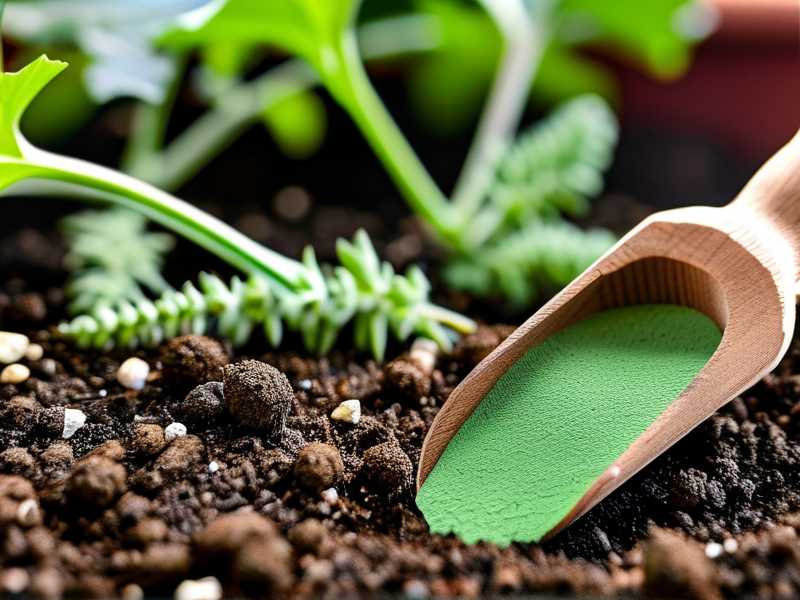
The Right Soil Mix is Non-Negotiable Standard potting soil retains too much moisture. Your propagations need a mix that holds some moisture but drains excess rapidly. A simple, effective blend is a cactus/succulent mix amended with an equal part of inorganic material like perlite, pumice, or coarse sand. This provides the "aerobic" conditions roots need, preventing suffocation and rot.
Light: The Delicate Balance Too little light causes etiolation (stretching) and weak growth. Too much direct, harsh sun can scorch tender leaves and dry out cuttings before they root. Provide bright, indirect light for successful propagation. An east-facing window or a spot a few feet back from a south-facing window is perfect. Grow lights are an excellent controlled alternative.
Watering: The Most Common Pitfall The rule is: When propagating succulents, water for roots, not for the leaf or cutting. Before roots form, the plant cannot absorb water from soil. Watering only risks rot. After roots appear, water deeply but infrequently, only when the soil is dry. A moisture meter can be a helpful tool to eliminate guesswork.
Frequently Asked Questions
How long should succulent propagation take? There's no single timeline. Leaf propagation can show roots in 2-4 weeks, with pups appearing in a few weeks to several months. Stem cuttings typically root within 3-6 weeks. Factors like season, succulent variety, and environment greatly influence speed. Patience is essential.
Can you propagate a succulent from a rotten stem? It depends on the extent. If the top part of the stem is still firm and healthy, use a sterile knife to cut well above the rot, into clean green tissue. Let it callous and re-root as a new cutting. If the rot has spread throughout, it is often not salvageable.
Why do some leaves propagate and others don't? Success depends on the health of the mother leaf, how cleanly it was removed, and the plant's variety. A plump, healthy leaf from the bottom of the plant has more stored energy. A torn or damaged leaf is less likely to succeed. Some genera, like Haworthia or Aloe, are notoriously difficult from leaf and are better propagated from offsets.
Propagation is a practice of observation and slight adjustment. Each failure is a lesson in what your specific environment provides. By understanding the signals—shriveling, rotting, stalling—you can intervene with the correct solution. Focus on the fundamentals of a calloused wound, gritty soil, bright indirect light, and restrained watering. With these principles and troubleshooting strategies in hand, your propagation tray will soon be filled with thriving new plants, each one a testament to your growing skill and understanding.