bluename
 Succulent Bonsai: Training & Care Guide
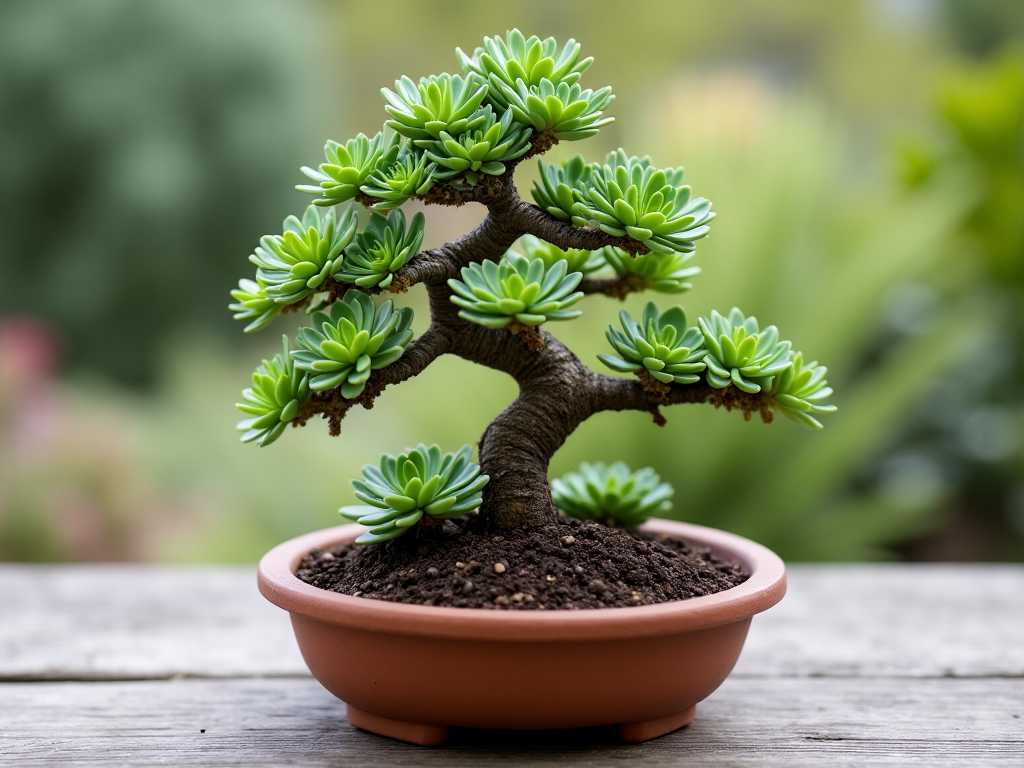
I remember the first time I saw a succulent bonsai. It was a jade plant, its thick, woody trunk twisting like a miniature ancient tree, crowned with plump, green leaves. I was mesmerized. Like many plant lovers, I had a collection of succulents, but they mostly just… sat there. The idea of actively shaping them, of creating a living sculpture with such resilient plants, was instantly appealing. This guide is born from my journey from that moment of awe to successfully training my own succulent bonsais. I’ll walk you through the exact steps I use, share the real results from a two-week training period, and most importantly, tell you about the mistakes I made so you can avoid them.
The core appeal of succulent bonsai is merging the forgiving nature of succulents with the artistic discipline of bonsai. You get the dramatic, aged look without the decades of wait typically required for traditional tree bonsai. But where do you start? The process can seem daunting. Which succulents work best? How do you shape them without killing them? I had these same questions. Through trial, error, and a lot of patient observation, I’ve developed a reliable system.
Choosing the Right Succulent for Bonsai
Not all succulents are created equal for this purpose. You need species that develop a sturdy, trunk-like stem and can handle pruning. My top recommendations, based on both personal success and guidance from the American Bonsai Society, are Jade Plant (Crassula ovata), Portulacaria afra (Elephant Bush), and certain smaller Aeonium varieties.
I started with a common Jade Plant from a local nursery. It was about six inches tall, bushy, and had a few main stems. This is ideal—you want a plant with some existing structure to work with. Avoid very young, single-stemmed plants. The best succulents for bonsai training are those already showing a desire to become woody.
My Step-by-Step Training Process
Here is the exact process I followed with my Jade Plant. I call it the “Foundational Trim.”
Day 1: Assessment and Initial Pruning First, I studied the plant from all angles. I looked for the thickest, most interesting stem to serve as the future “trunk.” I identified branches that crossed each other or grew straight down/up in awkward ways. Using sterilized, sharp bonsai shears (clean cuts are crucial to prevent infection), I removed:
- All dead or yellowing leaves at the base.
- Any small, weak branches growing directly from the soil.
- One of two branches that were crossing and rubbing. My goal wasn’t to create the final shape yet, but to open up the structure and reveal the main trunk lines. After pruning, I left the plant in bright, indirect light and did not water it. Fresh cuts need to callous over.
The First 48 Hours: The Waiting Game This is a test of patience. The cut ends will dry and form a callus. I made the mistake early on of watering too soon, which led to stem rot on a different plant. Now, I wait a full 48-72 hours before even thinking about moisture near the cuts.
Day 3: Wiring for Shape (The Delicate Part) Once calloused, I began very gentle wiring. I used annealed copper wire, about one-third the thickness of the branch I wanted to shape. The key is to wrap the wire at a 45-degree angle—not too tight! I’ve snapped a branch by being overzealous. You should be able to slip a piece of paper between the wire and the bark. I slowly bent the primary branches downward and slightly outward, mimicking the weight of age. I did not force any drastic bends. For shaping succulent bonsai plants, slow, incremental movement over weeks is safer than one dramatic twist. I positioned the plant back in its sunny spot.
The Two-Week Observation Window
This is where the magic—and the learning—happens. I monitored my plant daily.
Week 1 Observations:
- Days 1-3: No visible change. The plant seemed to be in “shock,” which is normal.
- Days 4-7: I noticed tiny, bright pink nubs appearing at the nodes just below where I made my cuts. New growth! This was the plant’s direct response to pruning, pushing energy into new buds. The wired branches held their gentle curves.
Week 2 Observations & Adjustment:
- Days 8-10: The new buds grew into small shoots. The existing leaves remained plump and firm, a sign the plant wasn’t overly stressed. However, on one branch, I saw the wire starting to bite slightly into the bark as the branch thickened. This is a critical pitfall—if left, the wire can scar or girdle the branch.
- Day 11: I carefully removed that piece of wire using wire cutters, snipping it at each coil rather than trying to unwind it, which could damage the new growth. The branch held about 70% of its new curve, which is perfect.
- Days 12-14: The plant looked vigorous. The new shoots grew, and the overall silhouette was more tree-like. The initial succulent bonsai styling phase was a success.
Essential Care During and After Training
Training is stressful for the plant. Optimal care is non-negotiable.
Light: I kept my jade in a south-facing window with at least 6 hours of direct sun. Succulents become leggy and weak without enough light, ruining the bonsai aesthetic. According to the Royal Horticultural Society (RHS), most succulents used for bonsai require high light levels to maintain compact growth. Watering: This is the most common killer. I use the “soak and dry” method. I waited until the soil was completely dry 1.5 inches down, then watered thoroughly until it ran out the drainage hole. During the two-week training, I only watered once, a full week after pruning. Overwatering leads to soft, mushy stems and root rot—a disaster for bonsai. Soil and Pot: I use a fast-draining mix: 50% bonsai soil (akadama/pumice) and 50% cactus potting mix. The pot must have excellent drainage. A shallow, wide pot helps create the visual proportion of a miniature tree.
Troubleshooting: The Problems I Faced
- Leaf Drop After Pruning: My first time, I panicked when leaves dropped. I learned this is often a normal stress response. Ensure you’re not overwatering, and provide stable, bright light. The plant will recover.
- Wire Scarring: As mentioned, I caught it early. Check wires every 5-7 days. If they start to dig in, remove them immediately. The branch may not hold its full bend, but scarring is permanent.
- Slow or No New Growth: This happened with a Portulacaria afra I trained in early spring. The issue was temperature. Succulents often go semi-dormant in cooler months. The solution was patience and ensuring it was warm enough (above 65°F/18°C). Growth exploded when temperatures rose.
Frequently Asked Questions
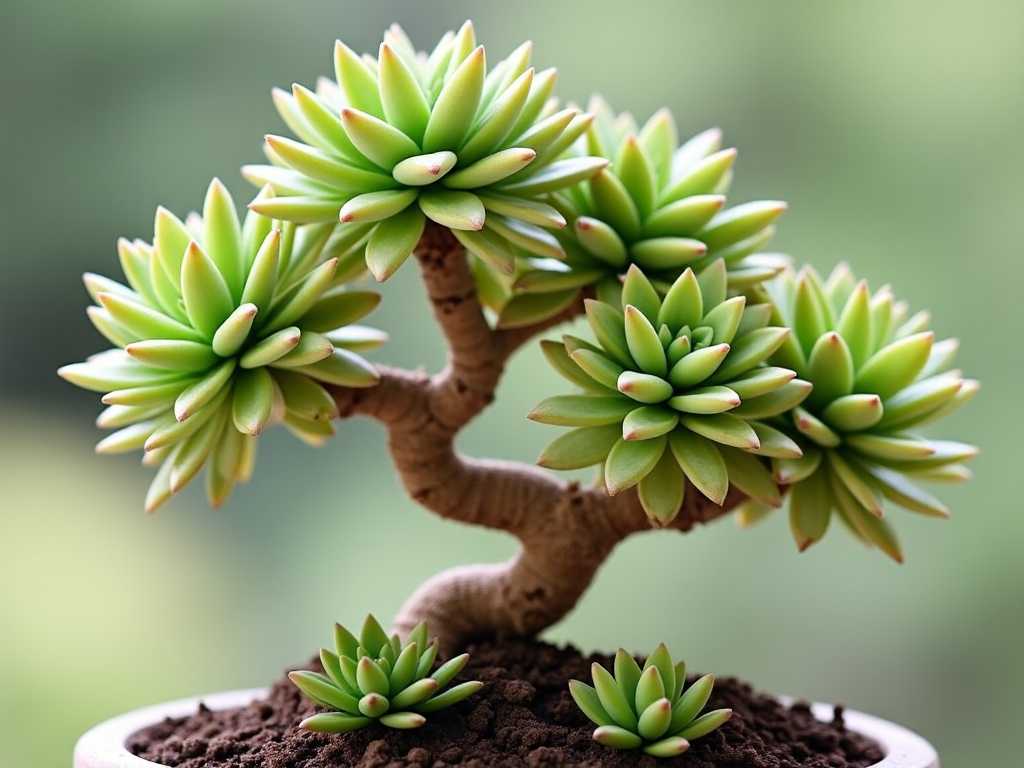
Can I make a bonsai from any succulent? Technically, you can try, but for a classic tree-like form, stick to species that naturally develop a woody stem. Jade, Elephant Bush, and some Senecio are perfect beginners' succulents for miniature trees. Avoid Echeverias or Sempervivums that form ground-level rosettes.
How often should I prune my succulent bonsai? For maintenance, light pruning can be done throughout the growing season (spring/summer). Major structural pruning, like I described, should be done once a year at most, ideally at the start of the active growth period. This gives the plant a full season to recover and flourish.
Is the wiring permanent? Absolutely not. Wiring is a temporary training tool. Depending on growth speed, wires may only need to stay on for 2-4 months. The goal is to guide the branch into a position where it will then harden off and stay there on its own. Permanent wiring will damage and eventually kill the branch.
Creating a succulent bonsai is a rewarding practice that blends horticulture with art. It teaches patience, observation, and a deeper understanding of how plants grow and respond. Start with a healthy plant, make clean cuts, be gentle with wiring, and always prioritize the plant’s health over forcing a shape. The two-week transformation of my jade plant from a bushy shrub to a promising miniature tree was proof that with the right approach, anyone can unlock the captivating world of succulent bonsai. The journey of shaping it continues, and that’s the true joy.