bluename
 How to Hang succulents on Wooden Fences: A Practical Guide for Real Gardens
Hanging succulents on a wooden fence is one of the easiest ways to turn a plain boundary into something alive and textured. I've done it on three different fences over the years, and the short answer is this: use lightweight pocket planters or wire baskets, mount them at eye level or slightly above, fill with a gritty fast-draining mix, and water sparingly—once every 10 to 14 days in summer, less in winter. That's the whole game in one breath. The rest of this guide is the detail that keeps your plants alive past the first month.
I'm writing this as someone who has killed more succulents than I'd like to admit. My first attempt at hanging succulents on a wooden fence ended with four mushy echeverias after a week of rain. The fix wasn't complicated, but it took me a couple of seasons to figure out what actually works in real weather, on a real fence, in a real yard.
Why Succulents and Wooden Fences Work Well Together
Succulents are forgiving plants with thick, water-storing leaves. They come in tight rosettes and trailing forms that look great at eye level. Most need very little care, which makes them ideal for fence mounting where access can be awkward.
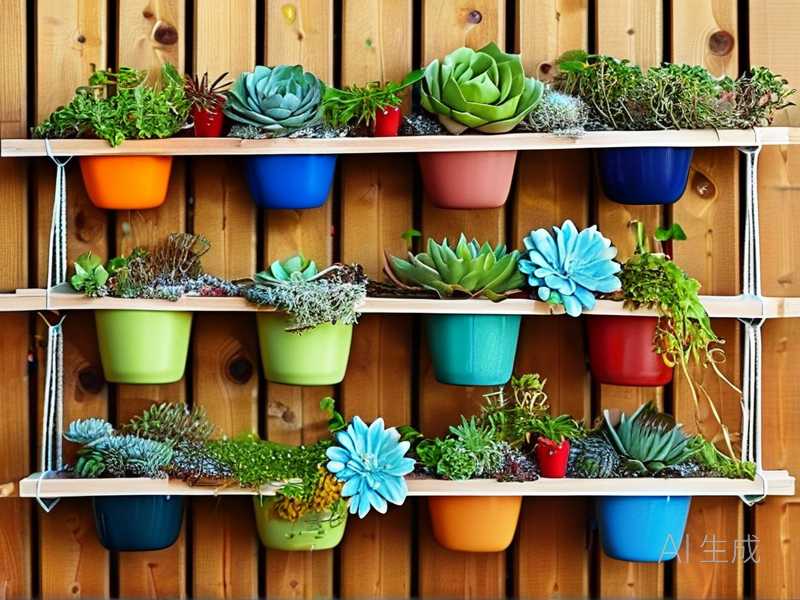
A wooden fence gives you vertical real estate that would otherwise be bare. It also creates a slightly warmer microclimate, especially on south- and west-facing panels. That warmth helps in cool climates but can cook plants in hot ones—more on that below.
The RHS notes that most succulents prefer bright light and free-draining conditions, which is exactly what a fence position can offer if you get the mounting right. The AHS also stresses drainage as the single biggest factor in succulent survival. Both organizations agree on one thing: wet roots kill these plants faster than anything else.
Picking the Right Spot on Your Fence
Not all fence panels are equal. I learned this the hard way when I mounted a row of sedums on a north-facing fence and watched them stretch into pale, leggy stems within two weeks.
South- and east-facing fences get the best light. West-facing works too but can get intense afternoon sun in hot regions. North-facing is usually too dim unless you choose shade-tolerant types like haworthia.
Height matters as well. Mount planters between 1.2 and 1.8 metres (4 to 6 feet) off the ground. Too low and you get splashback from rain and soil. Too high and you can't reach them for watering or trimming.
Also check what's behind the fence. A panel that gets full sun on both sides stays warmer. One shaded by a neighbour's tree will be cooler and slower to dry out.
Choosing the Right Planter for a Wooden Fence
This is where most beginners go wrong. I've tried terracotta pots screwed to fence posts, and I've tried cheap plastic hanging baskets. Neither worked well. Terracotta is heavy and cracks when it freezes. Thin plastic bakes in summer and traps moisture.
What actually works:
- Fabric pocket planters with reinforced grommets. Lightweight, breathable, and they dry out fast.
- Wire baskets lined with coir or moss. Good airflow, classic look, and easy to re-line each season.
- Wall-mounted wooden troughs with drainage holes drilled in the base. Heavier but sturdy and long-lasting.
- Vertical felt pouches for trailing varieties like string of pearls.
Whatever you choose, it must have drainage. I drill extra holes in everything now. No exceptions.
The Soil Mix That Actually Works
Regular potting compost holds too much water. I mixed up a batch early on using standard compost and lost half the plants to rot within three weeks.
My current mix, which I've used for two full seasons now:
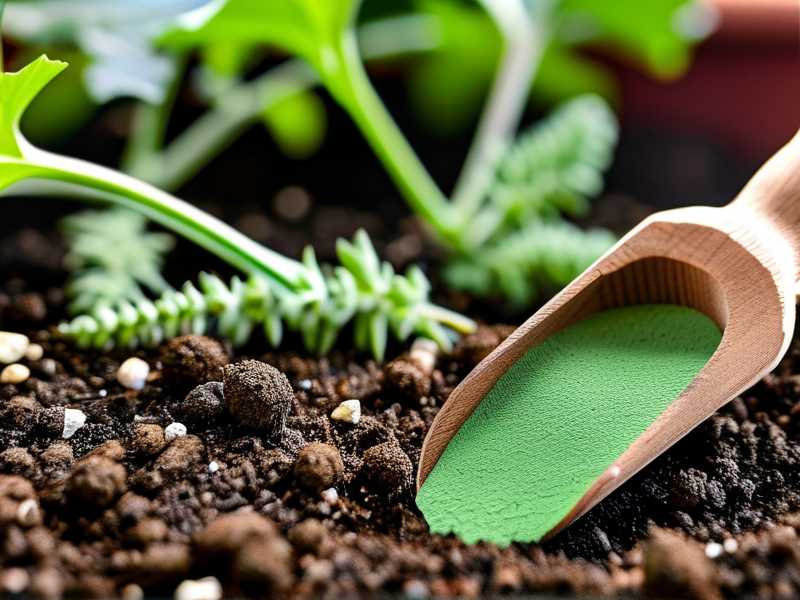
- 3 parts gritty succulent and cactus compost
- 1 part perlite
- 1 part coarse horticultural sand
- A small handful of slow-release granules
This drains fast. Water runs through in seconds rather than sitting around the roots. If you can't find succulent compost, use a general-purpose mix cut heavily with perlite—at least 50 percent perlite by volume.
How to Mount the Planters Securely
Fence panels are usually thin, so you can't just screw heavy brackets into them without reinforcement. I use galvanised hooks or J-bolts that go through the fence slat and are secured on the back with a nut and washer.
For fabric pockets, stainless steel cup hooks work fine. Space them about 40 to 50 centimetres (16 to 20 inches) apart so plants have room to spread.
If your fence is old or fragile, run a horizontal timber batten across two posts first, then mount everything to the batten. This spreads the load and stops the panel from bowing.
One more thing: mount everything before you fill the planters with soil. It's much lighter and easier to handle that way.
Planting Up Your Fence Planters
Fill each planter about two-thirds full with your gritty mix. Gently tease the roots of your succulents and nestle them in, spacing them 8 to 12 centimetres apart. Top up with more mix, press lightly, and don't water for three to five days. This gives broken roots time to callous over.
Good choices for fence hanging include:
- Echeveria rosettes for structure
- Sedum morganianum (donkey tail) for trailing edges
- Sempervivum for cold hardiness
- Graptopetalum for colour contrast
Mix two or three varieties per planter for visual interest, but keep their water needs similar.
Light Requirements: Getting This Right Matters
Succulents want bright light—four to six hours of direct sun is ideal for most. But "direct sun" on a fence can mean reflected heat from the panels, which doubles the intensity.
I watched a tray of young echeverias scorch in late July because the fence behind them radiated heat all afternoon. The leaves went brown and papery at the tips. Since then I've used a shade cloth draped over the top hook during heatwaves, and it solved the problem within days.
Signs of too little light:
- Pale, stretched stems
- Wide gaps between leaves
- Loss of colour
Signs of too much light:
- Brown or white scorch patches
- Wrinkled leaves that don't plump up after watering
- Bleaching on the sun-facing side
On a north-facing fence, choose haworthia, gasteria, or sansevieria. They tolerate lower light and won't stretch as badly.
Watering Hanging Succulents: The Complete Picture
Here's the line that matters most: 90% of indoor plants die from overwatering, and hanging succulents are no exception. I've lost count of how many I've drowned.
The core principle is simple—soak thoroughly, then let the mix dry out completely before watering again. In summer that might mean every 10 to 14 days. In winter, once every three to four weeks, or even less.
Summer watering: Water in the early morning so any splashes on leaves dry before evening. Use a long-spout watering can to reach the planters without soaking the fence.
Winter watering: Cut back sharply. I water maybe once a month from November to February. The plants aren't growing much, so they don't need it. If in doubt, wait another week.
Preventing waterlogged roots: After heavy rain, check your planters. If they feel heavy and the drainage holes are blocked, tilt them to drain. Fabric pockets dry fastest. Wooden troughs hold moisture longest.
I now keep a simple moisture meter stuck in one planter as a reference. When it reads dry at root level, I water. It's saved me from guessing.
Soil and Repotting for Fence Planters
Succulents don't need frequent repotting. Every two years is plenty, or when roots start coming out of the drainage holes.
Repot in spring when growth is starting. Slide the plant out, shake off old soil, check for rot, and replant in fresh gritty mix. I use the same 3:1:1 ratio I mentioned earlier.
Choose planters that are only slightly larger than the root ball. Oversized pots hold excess moisture and stay wet too long—a classic beginner mistake.
Feeding Hanging Succulents
Succulents aren't heavy feeders. I use a diluted liquid cactus fertiliser at half strength once a month from April to August. That's it. No feeding in autumn or winter.
Don't feed:
- Newly repotted plants for the first six weeks
- Plants that are stressed, rotting, or pest-infested
- During dormancy
Overfeeding causes soft, weak growth that's more prone to rot and pests.
Seasonal Care for Fence-Mounted Succulents
Spring Care: Waking Up
Spring is when things kick off. I start by checking every planter for winter damage. Remove any mushy or blackened leaves with clean scissors. Then top up the soil mix and give the first proper watering of the season.
Repot anything that's outgrown its planter. Start feeding at half strength. This is also the time to propagate—snip off healthy offsets and let them callous for a few days before planting.
I started my two-week spring observation this year on the first warm weekend in March. Within 14 days, the sedums had pushed out new growth and the echeverias had tightened up their rosettes. The difference between a spring watering and a winter one is dramatic.
Summer Care: Heat and Rain
Summer is the risky season. Hot fences plus intense sun can scorch plants. Heavy rain can waterlog them. Both happen.
I move small planters under the eaves during heatwaves, or drape shade cloth over them. I check after every storm and empty any saucers or trays. Ventilation matters—don't crowd planters together, leave gaps for air to move.
Watch for mealybugs and aphids hiding in leaf joints. A blast of water from a spray bottle knocks them off, and repeated blasts over a week usually clear an infestation.
Autumn Care: Slowing Down
Autumn is preparation time. I stop feeding by early September and gradually reduce watering as growth slows. Remove dead leaves and debris from planters so they don't trap moisture over winter.
If you're in a cold climate, this is when to decide whether to leave planters on the fence or move them. I leave hardy sempervivums out but bring tender echeverias into a cool, bright shed.
Winter Care: Protection and Rest
Winter is the test. Wooden fences don't insulate, so planters freeze from all sides.
Hardy succulents like sempervivum survive fine in most temperate zones. Tender ones need bringing in. I move my fabric pockets to a covered porch and reduce watering to once a month at most.
If you can't move them, wrap planters in horticultural fleece and make sure drainage holes stay clear. Don't water when the forecast shows freezing nights.
I lost a whole row of aeoniums two winters ago because I watered them in late November and then we got a hard freeze. The soil expanded, the roots shattered, and that was that. Now I stop watering outdoor planters by mid-October and don't resume until March.
Common Problems and How to Fix Them
Mushy brown stems and leaves: Root rot from overwatering. Remove affected parts, repot in fresh dry mix, and don't water for two weeks.
Yellowing leaves: Could be overwatering, cold stress, or nutrient deficiency. Check the soil first. If it's wet, stop watering. If it's dry and the plant is pale, feed at half strength.
Wrinkled, shrivelled leaves: Underwatering. Give a thorough soak and the leaves should plump up within a few days.
White cottony patches: Mealybugs. Dab with rubbing alcohol on a cotton bud and repeat weekly until clear.
Brown scorch marks: Sunburn. Move to a shadier spot or add shade cloth.
Leggy, stretched growth: Not enough light. Move to a brighter panel or swap to a shade-tolerant variety.
Three Mistakes Beginners Always Make
I've made all three, so I'm speaking from experience here.
Mistake 1: Overwatering. It's the number one killer. Succulents store water in their leaves. They don't need constant moisture. Water less than you think. 90% of indoor plants die from overwatering—outdoor hanging ones aren't far behind.
Mistake 2: Wrong light position. Putting sun-lovers on a north fence or shade-lovers on a scorching south panel. Match the plant to the panel.
Mistake 3: Wrong planter. Heavy pots, no drainage, or oversized containers that hold water. Lightweight, well-draining, appropriately sized planters are what you need.
Frequently Asked Questions
Can I hang succulents on a fence in winter? Yes, if they're cold-hardy varieties. Sempervivum and some sedums survive freezing temperatures. Tender types like echeveria need moving indoors or wrapping in fleece. Stop watering by mid-autumn either way.
How often should I water hanging succulents on a fence? Every 10 to 14 days in summer, less in spring and autumn, and once a month or less in winter. Always let the soil dry completely between waterings.
What's the best way to attach planters to a wooden fence without damaging it? Use cup hooks or J-bolts through the slats, or run a horizontal batten across two posts and mount to that. It spreads the weight and avoids straining individual fence boards.
My Two-Week Observation: What Actually Happened
I set up a fresh trial this spring to test three planter types side by side on my south-facing fence: a fabric pocket, a wire basket with coir liner, and a small wooden trough. Same soil mix, same sedum and echeveria cuttings.
Day 1: All three planted up. No watering for five days as usual.
Day 5: First watering. Fabric pocket dried fastest—already light and dry at root level. Wire basket slightly damp. Wooden trough still noticeably heavy.
Day 10: Second watering for the fabric pocket. The wire basket got watered on day 11. The wooden trough didn't need water until day 13—it held moisture much longer, which worried me.
Day 14: All plants looked healthy, but the trough plants were slightly paler—possibly from staying wet longer. The fabric pocket plants showed the tightest new growth. I'll be using fabric pockets as my default from now on.
The takeaway is simple: match your watering to your planter type, not to a fixed schedule. That's the part most guides skip, and it's the part that matters most once your succulents are hanging on that fence.