bluename
 How to Choose succulents for Cottage Decor: A Practical Guide for Real Homes
I killed my first five succulents in under two months. Every single one rotted from the bottom up. The reason? I treated them like regular houseplants and watered them on a schedule. If you're here because you want to know how to choose succulents for cottage decor without repeating my mistakes, here's the short answer: pick varieties that match your light, plant them in gritty fast-draining soil, and water only when the soil is bone dry. That's it. Everything else is details, and I'll walk you through all of them.
The cottage aesthetic and succulents are a natural pairing. Think weathered terracotta, vintage teacups, wooden crates, and soft trailing rosettes spilling over the edges. But not every succulent works in every cottage corner. Some need full sun. Some tolerate shade. Some stay tiny. Others turn into sprawling monsters. Choosing well means matching the plant to your actual space, not the fantasy version of your space.

Why Succulents Fit Cottage Style So Well
Cottage decor is relaxed, layered, and a little imperfect. Succulents match that energy perfectly. They come in rosette shapes, trailing forms, and quirky textures that look collected rather than purchased. You can tuck them into old teapots, line them along a windowsill, or cluster them on a tiered tray.
They're also forgiving once established. The RHS notes that most succulent problems come from too much water, not too little. That tracks with everything I've experienced. Honestly, neglect suits them better than fussing.
The catch is that "succulent" covers thousands of species with wildly different needs. A Sempervivum thrives outdoors in freezing temps. A Haworthia prefers bright indirect light indoors. Putting them side by side and watering them the same way is a recipe for losing one of them.
Start With Your Light Situation, Not the Plant
This is the step most people skip, and it's the one that matters most.
Before you buy anything, figure out what kind of light your intended spot gets. North-facing window? Low light. South-facing? Strong direct sun for hours. East or west? Somewhere in between, usually.
I learned this the hard way. I bought a gorgeous Echeveria at a farmer's market and placed it on a dark bookshelf because it looked pretty there. Within ten days it stretched out into a pale, leggy mess. That's called etiolation, and it means the plant is literally reaching for light. Once it stretches, it doesn't shrink back. You have to behead it and start over.
Light requirements by category:
High-light succulents need 6+ hours of direct sun. These include Echeveria, Sedum, Sempervivum, and most cacti. South-facing windows or outdoor full sun.
Medium-light succulents want bright indirect light or a few hours of morning sun. Aloe, Haworthia, Gasteria, and Kalanchoe fall here.
Low-light tolerant succulents can handle a north window or a room with ambient light. Snake plants (Sansevieria), ZZ plants, and some Haworthia qualify. But "tolerant" doesn't mean "thriving." They'll survive, not dazzle.
If your cottage has small windows with lace curtains, like a lot of older homes do, lean toward medium and low-light varieties. Don't fight your architecture.
The 3 Mistakes That Kill Most Succulents
Let me be blunt about this. 90% of indoor plants die from overwatering. Succulents are especially vulnerable because their leaves store water. When you water too often, the roots sit in moisture, fungus moves in, and the whole plant turns to mush from the bottom up.
Mistake #1: Watering on a schedule
I used to water every Sunday. It felt responsible. It was actually a death sentence. Succulents don't care what day it is. They care whether their soil is dry. In summer that might mean watering every 10-14 days. In winter, once a month or less.
The fix: stick your finger an inch into the soil. If it's dry, water. If it's even slightly damp, wait. Better yet, lift the pot. A dry pot feels surprisingly light.
Mistake #2: Putting them in the wrong light
This goes both directions. Too little light causes stretching and fading. Too much direct sun, especially suddenly, causes scorch marks. Brown, crispy patches on the leaves.
I once moved a jade plant from indoors to a full-sun patio in one afternoon. By day three, half its leaves had sunburn blisters. The fix is to acclimate gradually over 7-10 days, starting with an hour of morning sun and building up.
Mistake #3: Using the wrong pot
This one surprised me. I had a beautiful succulent in a glazed ceramic pot with no drainage hole. It looked amazing for about three weeks. Then it collapsed. The water had nowhere to go, so it pooled at the bottom and rotted the roots.
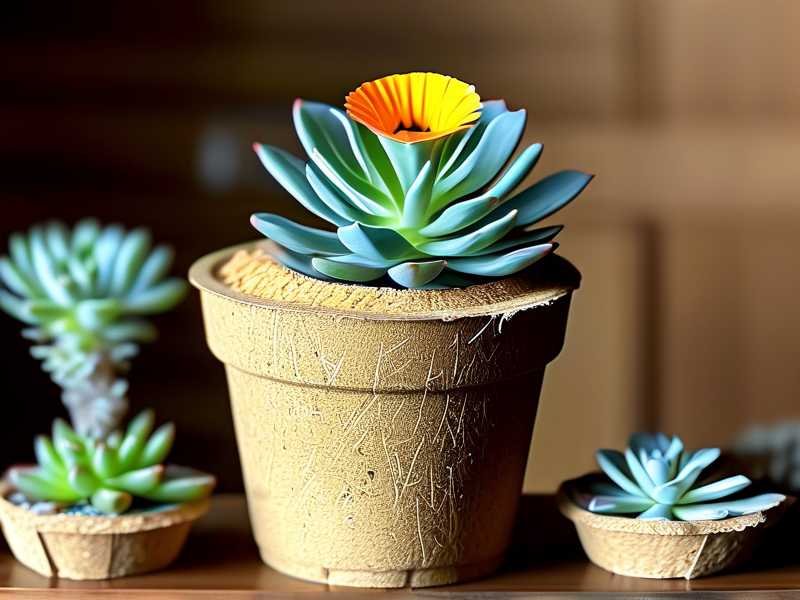
The fix: always use pots with drainage holes. Terracotta is ideal because it's porous and wicks away extra moisture. If you absolutely must use a decorative pot without holes, keep the plant in a nursery pot inside it and empty the catch water after every watering.
I've killed enough plants to know that these three things cause more deaths than pests, disease, and neglect combined.
The Complete Watering Guide I Wish I'd Had
Here's my actual routine, refined over years of trial and error.
The soak-and-dry method works best. Water thoroughly until it runs out the drainage hole. Then wait. Don't water again until the soil is completely dry.
In my two-week observation window last summer, I watered my outdoor Sedum on day one, then again on day 14. The plant was fine. The one I watered on day seven? It developed a soft brown spot at the base that spread within four days. That confirmed what the AHS says about succulents being far more drought-tolerant than moisture-tolerant.
Signs you're overwatering: soft, translucent leaves. Yellowing from the bottom. Soil that stays damp for more than a few days. A mushy stem.
Signs you're underwatering: wrinkled, shriveled leaves. Dry, crispy tips. The plant looks deflated rather than rotten.
Seasonal watering adjustments:
Spring and summer: water when dry, maybe every 7-14 days depending on heat and pot size.
Fall: taper off. Every 14-21 days.
Winter: minimal. Once every 3-4 weeks, or even less if the plant is dormant. In cold rooms, some succulents need almost no water at all.
One more thing. Never water in the middle of the day during summer. Evening watering gives roots time to absorb before the heat evaporates everything. Morning works too. Just avoid midday.
Soil and Repotting: Get This Right Once
Regular potting soil holds too much moisture for succulents. It's designed for thirsty plants. Succulents need something gritty and fast-draining.
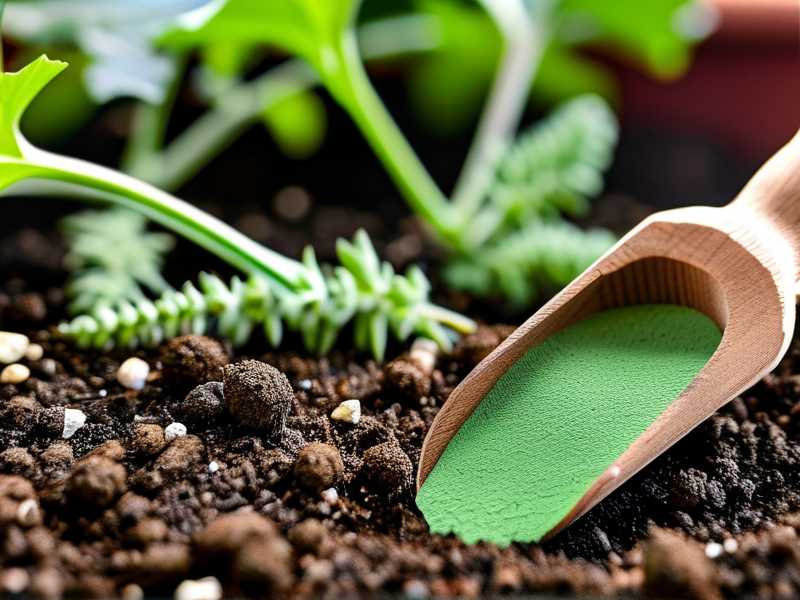
My go-to mix: two parts cactus/succulent potting soil, one part perlite, one part coarse sand or small pumice. That gives you drainage, air pockets, and just enough moisture retention.
If you don't want to mix your own, most garden centers sell pre-made succulent mixes. Just check the bag. If it looks dark and dense, add perlite yourself.
Pot selection matters too.
Terracotta: breathable, wicks moisture, excellent for beginners.
Unglazed ceramic: similar benefits, heavier, good for top-heavy plants.
Glazed ceramic: retains moisture longer, so water less often.
Plastic: lightweight, retains the most moisture, use with caution.
Glass containers without drainage: honestly, skip these unless you're doing a very careful terrarium with a drainage layer. Even then, it's risky.
When to repot: every 1-2 years, or when roots start circling the drainage hole. Spring is the best time. I repot in early spring before the growth spurt.
How I repot: gently remove the plant, shake off old soil, check for root rot (mushy brown roots), trim any damaged roots with clean scissors, let it dry for a day, then plant in fresh dry mix. Don't water for 3-5 days after repotting. This gives broken roots time to callus over.
Fertilizing: Less Is Genuinely More
Succulents are not heavy feeders. In the wild, they grow in nutrient-poor rocky soil. Dumping fertilizer on them causes weak, stretched growth and can burn the roots.
What to use: a balanced liquid fertilizer diluted to half or quarter strength. Or a specifically formulated succulent fertilizer.
When to feed: once in early spring, once in midsummer. That's it for most varieties.
When not to feed: winter (dormant period), right after repotting, or if the plant is stressed, sick, or sunburned.
I use a diluted fish emulsion once in April and once in July. My plants have done fine with that for years. Some gardeners feed more often. Some never feed at all. Both approaches work. The key is keeping it light. Thin and gentle beats strong and frequent every time.
Seasonal Care: What Changes Throughout the Year
Spring: Wake-Up Time
Spring is when most succulents start actively growing. This is your busiest season.
Start watering more regularly as the soil dries faster.
Begin fertilizing lightly.
Repot if needed.
Trim any dead or stretched growth. If a rosette has gone leggy, cut the top off, let it callus, and replant it.
Propagate. Spring is ideal for leaf cuttings and offsets.
In my experience, new growth appears within two weeks of the first spring watering. That's when I know the plant is awake and ready.
Summer: Survival Mode
Heat stress is real. Even sun-loving succulents can scorch in a blazing afternoon.
Provide afternoon shade if temps regularly hit 90°F+.
Water in the evening.
Increase airflow. A small fan or an open window helps prevent fungal issues.
Watch for pests. Spider mites and mealybugs love warm, dry conditions.
Don't fertilize in extreme heat. The plant is stressed and won't use the nutrients.
One summer I left a tray of Echeveria on a west-facing balcony during a heatwave. Three days of 100°F+ and they looked like fried eggs. Now I move everything to an east-facing spot from July through August.
Fall: Slow Down
Growth slows. Days shorten. Your job is to help the plant transition.
Reduce watering frequency.
Stop fertilizing by mid-fall.
Clean up dead leaves around the base to prevent pests and rot.
Bring outdoor plants inside before the first frost. Acclimate them by moving them to a shaded spot for a week first.
Check for pests before bringing them in. A single mealybug can become an infestation indoors.
Winter: Keep Them Alive, Not Thriving
Winter is about survival, not growth. Most succulents go semi-dormant.
Water sparingly. Once a month at most. Some need even less.
Stop fertilizing entirely.
Keep them in the brightest spot you have.
Avoid cold drafts and freezing windowsills.
Don't repot in winter.
If your home is very dry from heating, you might see leaf tip browning. That's usually low humidity plus low light. Don't compensate by watering more. It won't help and might cause rot.
I keep my indoor succulents near a south window all winter. The ones that need more warmth go on a shelf near a radiator, but not directly on it. Radiant heat dries them out fast.
Common Pests and Problems (And What I Actually Do)
Mealybugs: white, cottony clusters in leaf joints. I dab them with a cotton swab dipped in rubbing alcohol. Repeat every few days for two weeks.
Spider mites: fine webbing and stippled leaves. I rinse the plant with water and apply neem oil. Increase humidity around the plant.
Root rot: mushy dark roots and a soft stem. Remove the plant, cut away all rotted roots, let it dry, and replant in fresh dry soil. Don't water for a week.
Yellow leaves: usually overwatering. Let the soil dry completely before watering again.
Crispy brown leaves: too much sun or too little water. Move to indirect light and water more consistently.
Stretched growth: not enough light. Move closer to a window or add a grow light.
I've found that most problems trace back to one of the big three mistakes. Fix the basics and half your issues disappear.
FAQ
Can I use regular potting soil for succulents?
No. Regular potting soil holds too much water and causes root rot. Use a cactus or succulent mix, or make your own with perlite and coarse sand.
How often should I water succulents indoors?
Water only when the soil is completely dry. Indoors that's usually every 10-14 days in summer and every 3-4 weeks in winter. When in doubt, wait.
What are the best succulents for a cottage-style home?
Echeveria, Sedum, Sempervivum, Haworthia, and trailing varieties like String of Pearls all work beautifully. Choose based on your light conditions and pot style. Match the plant to the space, not the other way around.
Choosing succulents for cottage decor isn't complicated once you understand what they actually need. Light first. Gritty soil second. Water rarely. Pot with drainage. Feed lightly. Adjust with the seasons. Do those things and your plants will reward you with the kind of quiet, layered beauty that makes a cottage feel like home. And if you lose one along the way, don't worry. I've lost plenty. You learn more from the dead ones than the thriving ones, honestly.