bluename
 How to Tell if Succulent Roots Are Rotting (And What I Do About It)
If your succulent looks sad, droopy, or just not right, there's a decent chance the problem is underground. I've killed more succulents than I'd like to admit, and almost every single one died from the same thing: root rot. It usually starts because of too much water and soil that stays wet too long. Here's the good news — you can learn how to tell if succulent roots are rotting before it's too late. I'll walk you through exactly what I check, what I've done wrong, and how I fix it. And one stat you need to remember: 90% of indoor plants die from overwatering.
The plant itself won't scream "my roots are rotting." But it gives clues. You just have to know what to look for. I check three main things: the leaves, the stem, and the soil. Then I pull the plant out and look at the roots. That's the only real way to know for sure.
What Root Rot Actually Looks Like
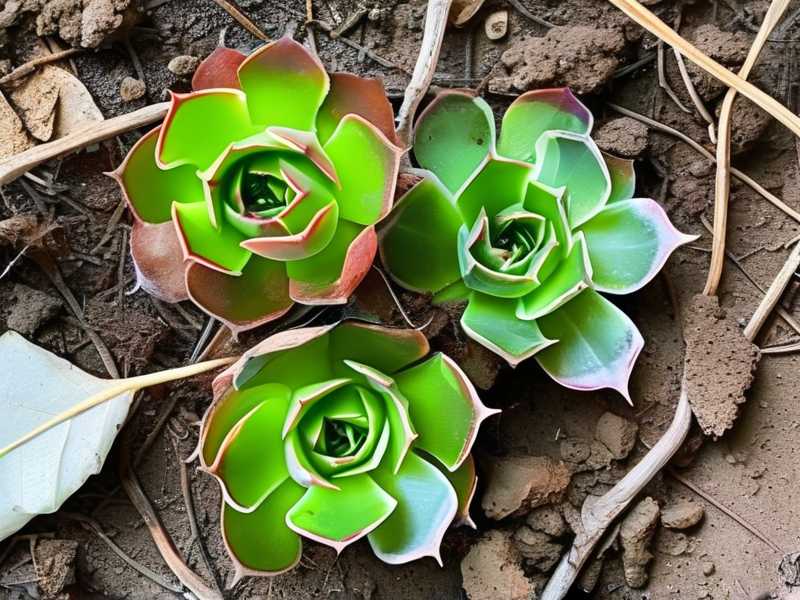
Healthy succulent roots are firm and light-colored. They might be white, pale tan, or even slightly pinkish depending on the plant. They smell like fresh dirt. When you touch them, they don't fall apart.
Rotting roots are the opposite. They're brown or black. They feel mushy, like wet tissue paper. They smell bad — sour, musty, or like something died. And when you pull on them gently, they just slide off the plant. That's the moment you know.
I learned this the hard way with a jade plant. The leaves looked fine for weeks. Then one day the whole thing flopped over. When I pulled it out, the roots were black mush. The soil was still soaking wet two weeks after I watered. That's when I realized my pot had no drainage hole. Rookie mistake.
The Early Warning Signs Above the Soil
You don't always have to dig up the plant. Sometimes the leaves tell you first.
Yellowing leaves that feel soft. Not crispy yellow — soft, squishy yellow. That's a big red flag. If you touch a leaf and it feels like a wet sponge, root rot is likely.
Leaves falling off at the slightest touch. A healthy succulent holds its leaves tight. If you bump the plant and three leaves drop, something's wrong underground.
A wrinkled, shriveled look despite wet soil. This one tricks people. The plant looks thirsty, so you water it more. But the roots are dead and can't absorb water. So the plant actually dries out while sitting in mud. I've fallen for this trap more than once.
Black or brown spots on the stem near the soil line. That's rot moving up. Once it hits the stem, you're in rescue mode.
Funny smell from the pot. Stick your nose close to the soil. If it smells like a swamp, stop watering immediately.
My 2-Week Observation Test (What I Actually Do)
When I suspect root rot, I don't guess. I run a simple test over two weeks.
Day 1: I stop watering completely. I move the pot to a bright spot with good airflow. I lift the pot and feel how heavy it is. Wet soil is heavy. Dry soil is light. I write down the weight in my head.
Day 3: I check the leaves again. Are they getting worse? Are they getting better? If the plant looks the same or slightly better, I wait.
Day 7: I lift the pot again. If it still feels heavy, the soil isn't drying. That's a problem. I might poke a few holes in the soil with a chopstick to let air in. I've done this many times. It helps.
Day 10: If the plant still looks bad — droopy, yellow, soft — I pull it out. No more waiting. I gently shake off the soil and look at the roots.
Day 14: If I repotted it, I check for new growth. Tiny white roots mean it's recovering. If the plant is still declining, I know I caught it too late.
This two-week window has saved several of my plants. It also taught me that sometimes the best move is to do nothing and let the soil dry.
How to Save a Succulent with Root Rot
Okay, so you pulled it out. The roots are brown and mushy. Don't panic. I've saved plants from this exact point.
Step 1: Cut away the rot. Use clean scissors or pruners. Cut every brown, mushy root. Cut until you see healthy white or tan roots. If the rot goes up the stem, cut the stem too. Keep cutting until the inside of the stem is clean, not brown.
Step 2: Let it dry. This feels wrong, but it works. Leave the plant out of soil for 2–3 days. Put it in a shady spot with airflow. The cut ends need to callus over. If you plant it right away, the rot comes back.
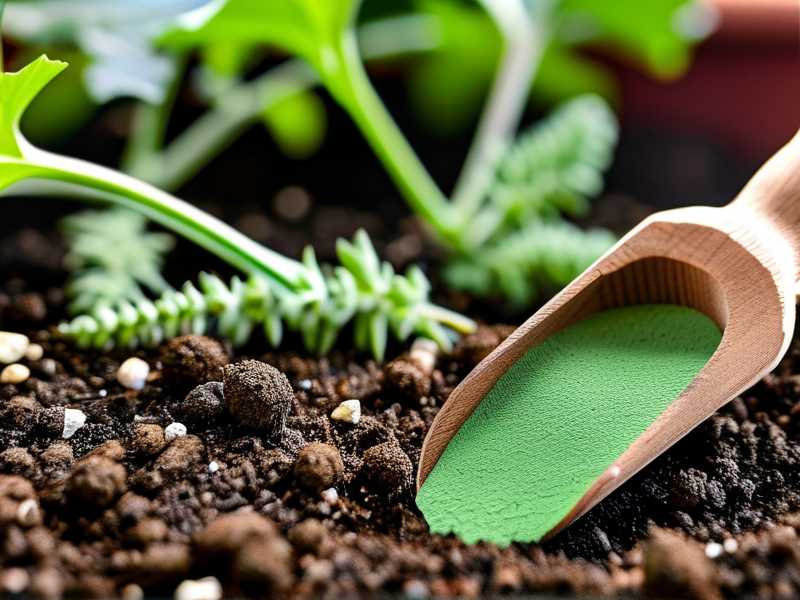
Step 3: Use fresh soil. Never reuse the old soil. It's full of rot-causing fungi. I mix my own: 50% potting soil, 25% perlite, 25% coarse sand. You can also buy a commercial cactus mix and add extra perlite. The Royal Horticultural Society (RHS) recommends free-draining soil for succulents, and I agree completely. You can check their guide here: https://www.rhs.org.uk
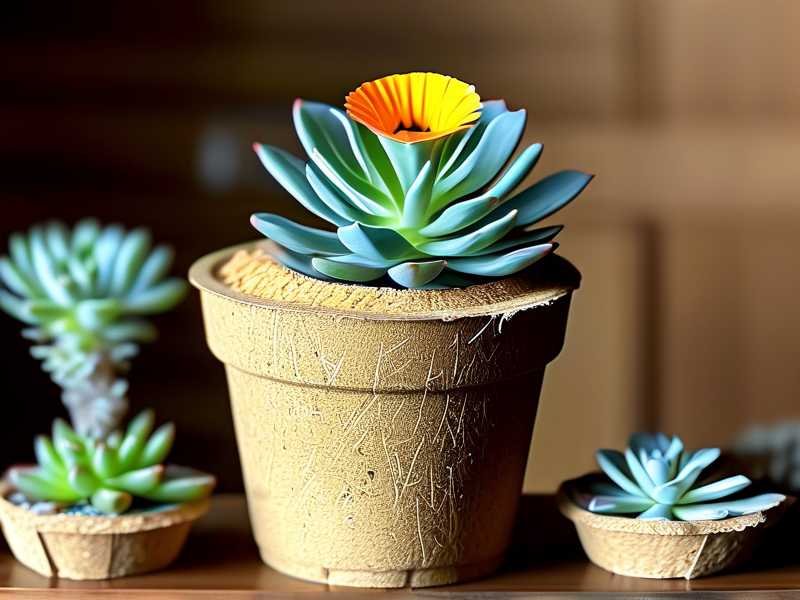
Step 4: Pick the right pot. Terracotta is best. It breathes. Plastic is okay if it has big drainage holes. The pot should be just slightly bigger than the root ball. A huge pot holds too much water. I learned that after killing a haworthia in a giant decorative planter.
Step 5: Don't water for a week. After repotting, wait at least 7 days. Then water lightly. The plant needs time to heal. I water around the edge of the pot, not right on the stem.
The 3 Biggest Mistakes New Growers Make
I've made all three. More than once.
Mistake 1: Overwatering. This is the big one. People water on a schedule. "Every Sunday" or "once a week." That's wrong. Succulents need water when the soil is dry, not when the calendar says so. I water my succulents every 10–14 days in summer and every 3–4 weeks in winter. Sometimes less. The American Horticultural Society (AHS) points out that most succulents prefer to dry out completely between waterings. Here's their site: https://ahsgardening.org
Mistake 2: Wrong light. Succulents need bright light. Not direct harsh afternoon sun, but strong indirect light. A south-facing window is usually good. If your plant is stretching out tall and thin, it needs more light. If it has brown scorch marks, it needs less. I've burned a few plants by putting them outside too fast in spring.
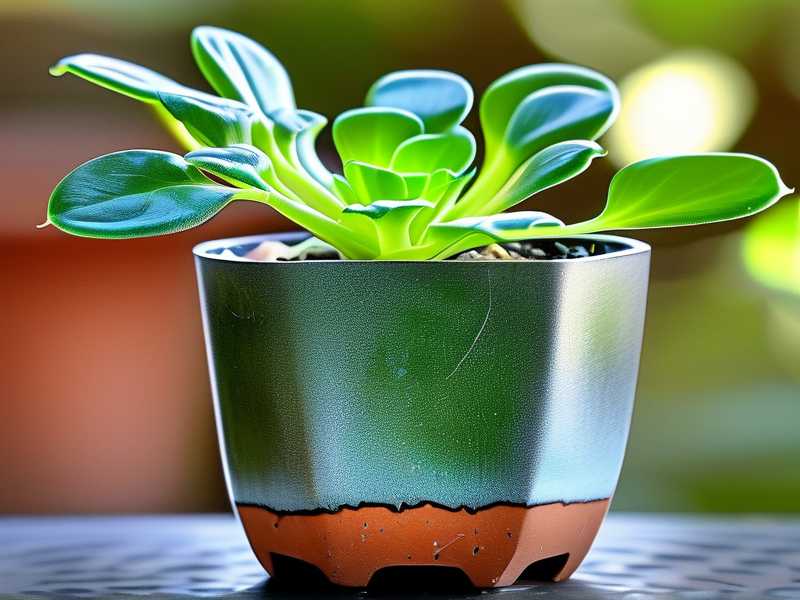
Mistake 3: Wrong pot. No drainage hole? That's a death sentence. I don't care how pretty the pot is. If it has no hole, use it as a cover pot and keep the plant in a plastic nursery pot inside. I've drilled holes in ceramic pots before. It's messy but worth it.
Soil, Pots, and Repotting
Succulent roots need air. That's the whole point. If the soil stays wet, roots suffocate and rot.
My go-to mix: 2 parts cactus potting soil, 1 part perlite, 1 part coarse sand. You can add a handful of small gravel at the bottom of the pot, but it's not required if the soil drains well.
Repot every 1–2 years. Spring is best. I repot when the roots circle the bottom of the pot or when the soil breaks down and stays wet too long. When I repot, I gently break up the root ball and remove old soil. Then I let the plant sit dry for a day before watering.
Fertilizer: Less Is More
Succulents are not heavy feeders. I fertilize once in spring and once in early summer. That's it. I use a balanced liquid fertilizer diluted to half strength. Never fertilize a dry plant — water first, then fertilize. Never fertilize in winter. And never fertilize a plant with root rot. That's like giving a sick person a marathon to run.
Seasonal Care (This Is Where Most People Slip Up)
Spring: This is growth time. I water more often — maybe every 10 days. I fertilize once. I repot if needed. I check for pests. I also prune any dead leaves. I've found that spring is the best time to fix root rot because the plant recovers fast.
Summer: Heat and sun. I move pots to a spot with morning sun and afternoon shade. I water deeply but less often. I check for mealybugs and spider mites. I make sure there's airflow. If it's above 90°F, I water a little more but still let the soil dry. I've lost plants to summer rot because I panicked and watered during a heatwave. Don't do that.
Fall: Slow down. I water every 2–3 weeks. I stop fertilizing by mid-fall. I bring outdoor plants inside before the first frost. I clean the leaves. I check for pests one last time.
Winter: This is the danger zone. I water maybe once a month. Sometimes less. I keep plants in a cool room, around 55–60°F if possible. I don't fertilize at all. I don't repot. I just let them rest. I've killed winter succulents by watering them like it was summer. Learn from my mistake.
Pests and Problems
Root rot is the big one, but not the only one. Mealybugs look like tiny white cotton balls. I dab them with a Q-tip dipped in alcohol. Spider mites make fine webs. I rinse the plant and use insecticidal soap. Fungus gnats mean the soil is too wet. I let it dry and use sticky traps.
Yellow leaves? Usually overwatering. Soft brown spots? Sunburn or rot. Crispy brown tips? Too much sun or low humidity. I keep a notebook of what I change and what happens. That's how I learn.
FAQ
How often should I water my succulent? Water when the soil is completely dry. Stick your finger in the soil. If it's dry 2 inches down, water. In summer, that might be every 10–14 days. In winter, every 3–4 weeks.
Can a succulent recover from root rot? Yes, if you catch it early. Cut away all rotten roots, let the plant dry, repot in fresh soil, and wait a week before watering. I've saved about half of the plants I've treated. The other half were too far gone.
What does healthy succulent root look like? Firm, white or light tan, and it smells like clean soil. If you pull on it, it doesn't break. Rotting roots are brown, black, mushy, and smelly.
Root rot is not a death sentence if you act fast. Check your plants weekly. Lift the pot. Smell the soil. Look at the leaves. Your succulent can't talk, but it's giving you signals. Learn to read them, and you'll stop killing plants. I know I did. Mostly.