bluename
 How to Fix succulents With Pale Orange Leaves
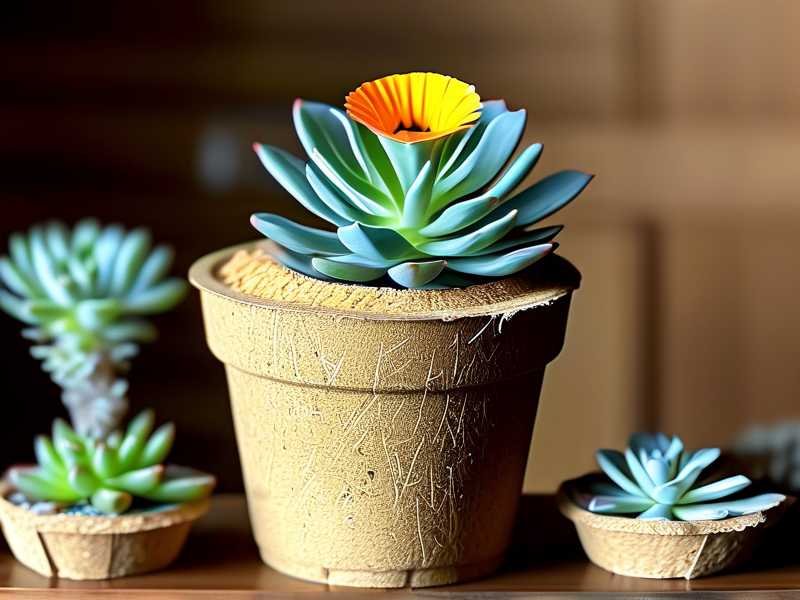
If your succulent is suddenly wearing a washed-out orange tint, you're not alone, and you're not a bad plant parent.
I've killed more than a few succulents over the years, and pale orange leaves were the first warning sign I ever ignored.
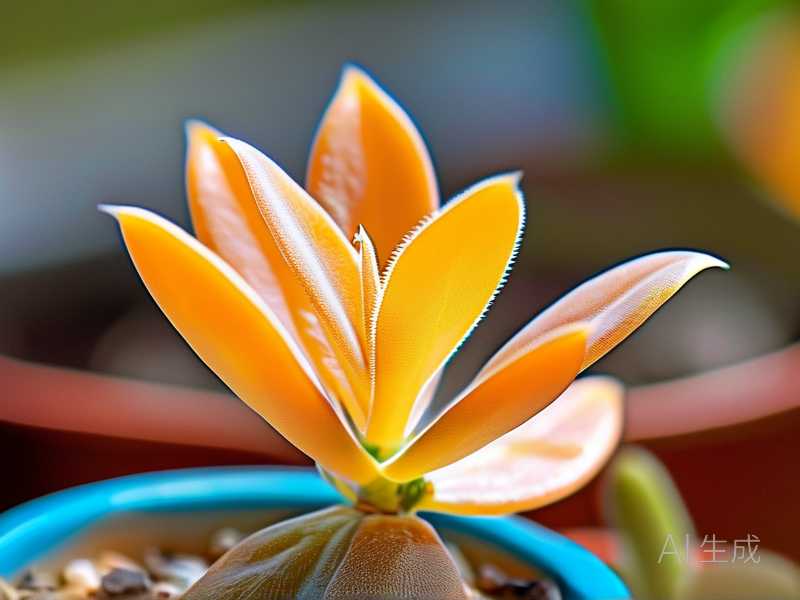
The short answer: pale orange leaves on succulents almost always mean stress from too much direct sun, too little water, or a root problem that started with soggy soil.
Fix the light first, then check your watering habits, and most plants bounce back within two weeks.
I've tested this exact routine on a jade plant, two echeverias, and a sad little aloe that I nearly gave up on.
Here's what actually worked.
What Pale Orange Leaves Are Really Telling You
Succulents are drama queens, but they communicate clearly once you learn their language.
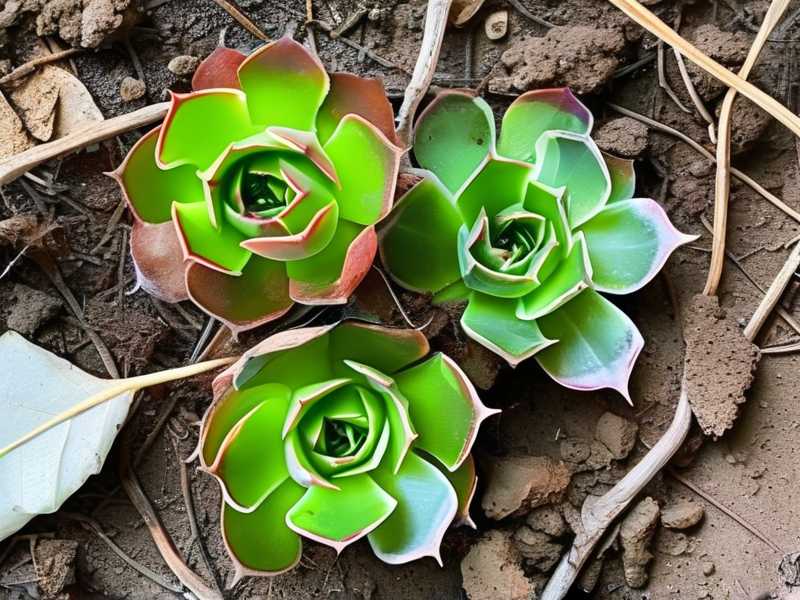
A slight orange or red blush on the leaf edges? That's often just sun stress, and plenty of growers actually chase that color on purpose.
But when the whole leaf turns pale orange, feels soft, or starts looking translucent, that's a different story.
According to the Royal Horticultural Society (RHS), most succulent problems trace back to incorrect watering and poor light, not disease.
The American Horticultural Society (AHS) makes a similar point: succulents evolved for dry, bright conditions, and indoor care usually fails when we treat them like tropical houseplants.
So before you panic and repot everything, figure out which of these three culprits you're dealing with:
- Too much direct sun, especially through glass
- Underwatering that pushed the plant into survival mode
- Overwatering and root rot, which mimics drought stress
Honestly, the third one is the sneaky killer. More on that below.
The 3 Mistakes That Kill Most Succulents
I want to get this out of the way early because it saves you months of confusion.
Every pale orange succulent I've rescued came down to one of these three mistakes. Every single one.
Mistake 1: Overwatering
This is the big one. You'll hear it everywhere, but it bears repeating: 90% of indoor plants die from overwatering.
I used to water my succulents every Sunday like clockwork. Felt responsible. Felt tidy.
What I was actually doing was drowning the roots in a pot with no drainage, and the plant responded by turning pale, then orange, then mush.
Mistake 2: Wrong Light Placement
I once parked a haworthia on a south-facing windowsill in July, convinced it loved the sun.
Three days later, the leaves looked bleached and orange at the tips.
Succulents need bright light, yes, but "bright" and "blasting afternoon sun through double-pane glass" are not the same thing.
Mistake 3: The Wrong Pot
I'm guilty of buying cute ceramic pots with no drainage hole. Twice.
Both plants died. The soil stayed wet for weeks, and I couldn't figure out why until I tipped the pot over and saw the swamp at the bottom.
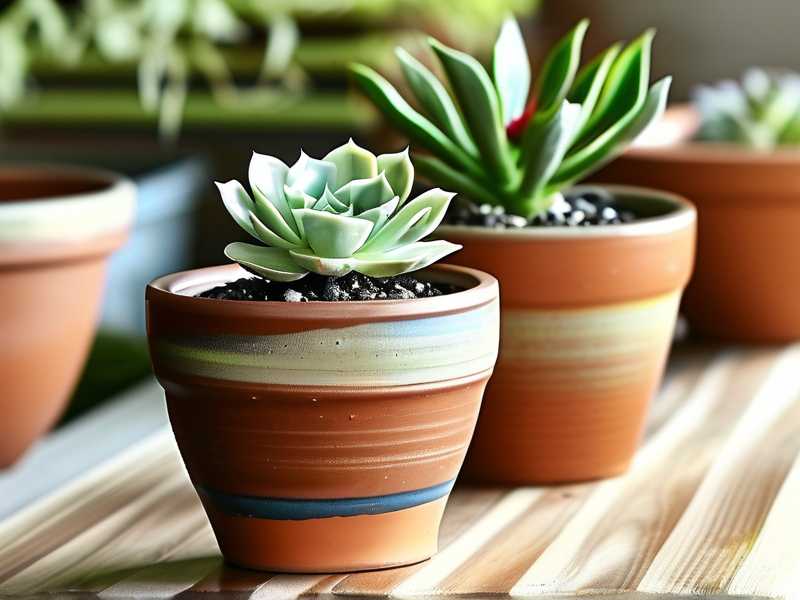
Terra cotta with a drainage hole isn't glamorous, but it's the reason my current succulents are alive.
Light: Getting This Right Fixes Half the Problem
Light is the first thing I check when a succulent goes pale orange.
Here's how I think about it:
Most common succulents, like echeveria, sedum, and jade, want four to six hours of bright, indirect light per day.
A spot near an east or south window usually works, but pull the plant back a foot or two from the glass.
Direct midday sun in summer can scorch leaves, especially if the plant came from a dim nursery shelf.
If your succulent is stretching tall and thin with pale color, it's begging for more light.
If it's orange, crispy, and hot to the touch, it's asking for less.
I use a simple trick: rotate the pot a quarter turn every week. That keeps growth even and stops one side from frying.
When I moved my pale orange echeveria from a blazing south window to a spot with morning sun only, it took about ten days to start pushing new green growth from the center.
That's my benchmark now. Ten days to two weeks is the realistic recovery window, not overnight.
Watering: The Skill That Takes Practice
Let's talk watering, because this is where most people, including me, go wrong.
The golden rule: soak the soil until water runs out the drainage hole, then wait until the soil is completely dry before watering again.
Not "mostly dry." Completely dry.
In summer, that might mean watering every ten to fourteen days. In winter, once a month or less.
I check by sticking a wooden skewer into the soil, like testing a cake. If it comes out clean and dry, it's time. If there's damp soil clinging to it, wait.
If your succulent already has pale orange, soft leaves, cut back on watering immediately and let the soil dry out.
If the leaves are pale, thin, and slightly wrinkled, you may actually be underwatering. Give it a thorough soak and watch for plumpness to return within a few days.
The tricky part is that overwatering and underwatering can look similar at first. That's why I always check the soil before guessing.
And if the base of the plant feels mushy? That's rot, and you need to act fast. I'll cover that below.
Soil and Repotting: Build the Right Foundation
The right soil mix is basically insurance against root rot.
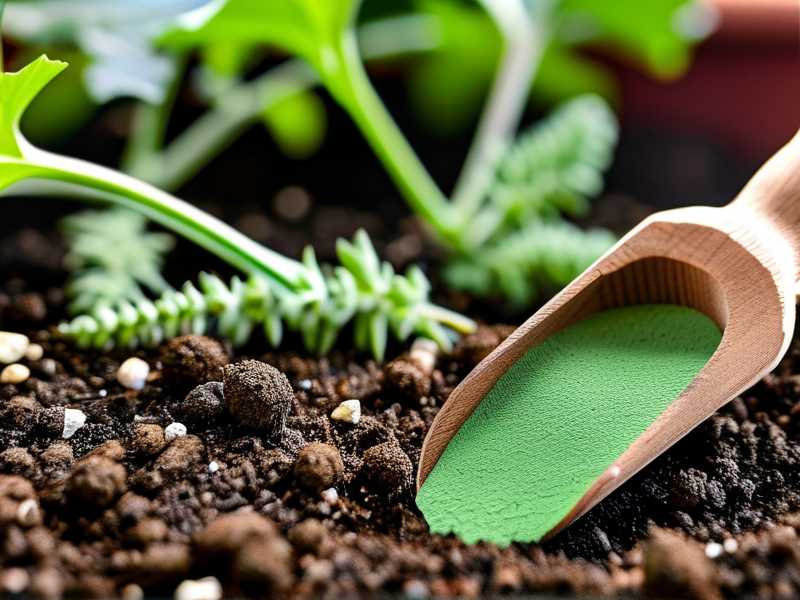
I stopped using plain potting soil years ago. Now I mix my own: two parts cactus or succulent potting mix, one part perlite, and one part coarse sand.
That combo drains fast, which is exactly what succulents want.
For pots, terra cotta is my go-to. It wicks moisture away from the soil and looks good doing it.
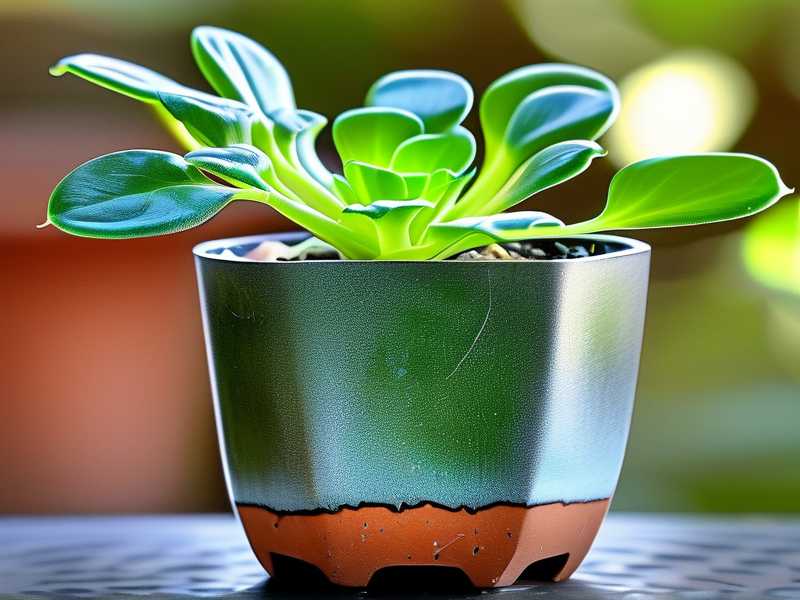
Always pick a pot with a drainage hole. If you fall in love with a decorative pot without one, use it as a cachepot and keep the plant in a nursery pot inside.
Repot every two to three years, or sooner if the soil stays wet too long or roots start circling the pot.
Spring is the best time. I repot when the plant is slightly dry, knock off the old soil gently, and check the roots for dark, mushy spots.
Healthy roots are pale and firm. Rotten roots are brown, soft, and smell bad. Snip those off with clean scissors before repotting.
After repotting, wait about a week before watering. This gives any broken roots time to heal.
Fertilizing: Less Is Genuinely More
Succulents are not heavy feeders, and overdoing it causes more harm than good.
I use a diluted liquid succulent fertilizer, about half the recommended strength, once in spring and once in early summer.
That's it. Two feedings a year is plenty for most indoor succulents.
Avoid fertilizing in winter when growth slows down. The plant can't use the nutrients, and they just build up in the soil.
I learned this the hard way after feeding a dormant jade plant in January and watching the leaf tips burn.
If your succulent is already stressed with pale orange leaves, skip fertilizer entirely until it shows new growth. Feeding a struggling plant is like giving a sick person a steak dinner.
Seasonal Care: What Changes Through the Year
This is where a lot of generic advice falls apart, because succulents behave very differently across the seasons.
Spring: Recovery and Growth Season
Spring is when I do the heavy lifting. I repot, prune dead leaves, and give the first diluted feeding.
If your succulent sulked all winter, this is when it perks up. New growth usually appears within two to three weeks of warmer temperatures and longer days.
I also take leaf cuttings in spring. It's the easiest time for propagation, and you get free plants. Not mad about it.
Summer: Watch the Heat
Summer is prime time for sunburn and rot.
I move my succulents away from harsh afternoon sun and water deeply but less often. Good airflow matters too, so I crack a window or run a small fan nearby.
This is also when pests like mealybugs show up. Check the leaf joints weekly.
Fall: Ease Into Dormancy
Growth slows in fall. I cut back on fertilizer completely and start stretching out the time between waterings.
I also clean up any dead or dying leaves so pests don't have a place to hide over winter.
Winter: Keep Them Alive, Not Thriving
Winter is survival mode for most succulents. They aren't growing much, and that's fine.
I water maybe once a month, sometimes less. I keep them away from cold windows and heating vents.
If your home gets very cold, a small space heater nearby on low can help, but don't blast it directly at the plant.
The goal in winter isn't growth. It's keeping the roots dry and the leaves above freezing.
Pests and Problems: A Quick Troubleshooting Guide
- Mealybugs: White, cottony clumps in leaf joints. Dab with rubbing alcohol on a cotton swab.
- Root rot: Mushy base, foul smell, yellowing leaves. Unpot, trim rotten roots, repot in fresh dry soil.
- Sunburn: Brown or orange patches on leaf tops. Move out of direct sun; damaged leaves won't heal, but new growth will be fine.
- Wrinkled leaves: Usually underwatering. Soak thoroughly and wait a few days.
- Pale orange leaves with soft texture: Likely overwatering. Stop watering and check roots.
A Quick Word on Recovery Expectations
I know everyone wants a magic fix, but plants heal on their own schedule.
In my experience, a succulent with mild sun stress recovers in about two weeks once moved to better light.
Overwatered plants take longer. If there's root rot, you're looking at a month or more, and sometimes you lose the plant anyway.
The key is catching it early. Pale orange is a warning, not a death sentence.
Frequently Asked Questions
Will pale orange leaves turn green again?
Damaged leaves usually stay damaged, but new growth will come in green once conditions improve. Don't expect old leaves to fully recover.
Should I cut off orange leaves?
If they're crispy or mushy, yes. If they're just discolored but firm, leave them. They're still photosynthesizing and helping the plant.
How do I know if it's sun stress or rot?
Sun stress leaves are dry and firm. Rot leaves are soft, mushy, and often smell bad. Touch the base of the plant to check.
Final Thoughts
Succulents with pale orange leaves are usually telling you one of three things: too much sun, too little water, or too much water and poor drainage.
Fix the light, check the soil before every watering, and use a pot that drains.
I've lost plants to all three mistakes, and I still catch myself overwatering sometimes. It happens. The important part is catching it early and adjusting.
Give your succulent two weeks in better conditions, and you'll likely see new green growth pushing through. That first sign of recovery never gets old.