bluename
 How to Plant succulents in Marble Planters: A Realistic Guide for Beginners
I killed three succulents before I figured out how to plant succulents in marble planters the right way. It stung, honestly. Those pretty veined pots look amazing on a windowsill, but they come with a hidden catch that nobody warns you about. Here's the short answer: use a gritty, fast-draining mix, make sure there's a drainage hole or create a false drainage layer, water sparingly, and give the plant bright but indirect light for at least two weeks before you judge whether it's happy. That's it. Everything else is detail.
Why Marble Planters Are Trickier Than They Look
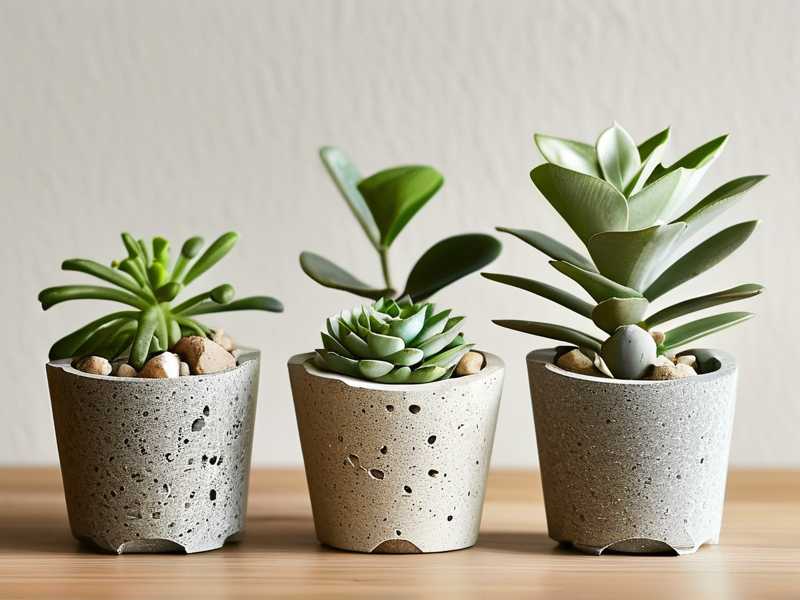
Marble is gorgeous. It's heavy, it stays cool, and it makes even a sad little jade plant look expensive. But marble doesn't breathe the way terracotta does.
Terracotta wicks moisture away from the soil. Marble doesn't. So if you treat a marble planter like a terracotta pot, you'll drown your succulent before you even realize what's happening.
I learned that the hard way with a beautiful white marble bowl I bought online. I planted a haworthia in it, watered it like I normally would, and watched it turn to mush in about ten days.
The Three Mistakes That Kill Almost Every Succulent
Let's get these out of the way, because they matter more than any fancy technique.
Mistake 1: Overwatering
You've probably heard this a million times, but it's worth repeating: 90% of indoor plants die from overwatering. Succulents are desert plants. They store water in their leaves and stems. When you water them too often, their roots sit in wet soil and rot.
In marble planters, this problem gets worse because there's no evaporation through the walls. The soil stays wet way longer than you'd expect.
Mistake 2: Wrong Light
Succulents need bright light. But "bright" doesn't mean "full afternoon sun blasting through a south-facing window in July." That's how you get scorched, crispy leaves.
I've scorched more succulents than I've rotted, honestly. A little echeveria I had turned from soft green to burnt red in about four days after I moved it too close to a sunny window.
Mistake 3: Using the Wrong Planter
This one is subtle. A marble planter with no drainage hole is basically a slow death trap for succulents. Water pools at the bottom, roots suffocate, and by the time you notice, it's too late.
If your marble planter has no hole, you have two options: drill one (if the marble allows it) or use a smaller nursery pot inside the marble container as a liner. I've done both. The liner method is easier and safer.
What You'll Need Before You Start
Gather these first. It saves you from running around mid-planting.
- Your marble planter (with drainage or a liner pot that fits inside)
- Succulent or cactus potting mix
- Perlite or coarse sand (to improve drainage)
- Small stones or gravel (for the bottom layer if there's no drainage hole)
- A succulent of your choice
- A small trowel or spoon
- Watering can with a narrow spout
A note on soil: regular potting soil holds too much moisture. I've tried it. It doesn't work. You need something gritty. I usually mix two parts succulent mix with one part perlite. Simple, cheap, effective.
Step-by-Step: How I Plant Succulents in Marble Planters
Here's the process I've refined after killing more plants than I'd like to admit.
Step 1: Prepare the Planter
If your marble planter has a drainage hole, great. Cover it with a small piece of mesh or a coffee filter so soil doesn't wash out.
If there's no hole, add a layer of small stones or gravel at the bottom. About half an inch to an inch. This creates a "false drainage" zone. It's not perfect, but it helps.
Then place your liner pot inside if you're using that method. Make sure it sits level and doesn't wobble.
Step 2: Add Soil
Fill the planter about two-thirds full with your gritty mix. Don't pack it down. You want it loose so roots can spread and water can drain.
Step 3: Remove the Succulent from Its Nursery Pot
Turn the pot sideways and gently squeeze. If the plant doesn't slide out, tap the bottom. Don't yank it by the stem. I've snapped a few stems doing that, and it's heartbreaking.
Once it's out, shake off some of the old soil. You don't need to remove all of it, just loosen things up.
Step 4: Position and Plant
Make a small well in the soil. Place the succulent so the base of the stem sits level with the soil surface. Not buried. Not floating. Just level.
Fill in around the roots with more soil. Press gently to remove air pockets, but don't compact it.
Step 5: Wait Before Watering
This is important. Don't water right away. Wait three to five days.
Why? Because transplanting damages tiny roots. If you water immediately, those damaged roots can rot. Giving them a few days to callus over helps.
I used to water right after planting because it felt like the right thing to do. It wasn't. I lost a beautiful string of pearls that way.
Step 6: Place in the Right Spot
Bright, indirect light. A spot near a window but not directly in the path of harsh afternoon sun. East-facing windows are usually perfect.
If you're in a very sunny climate, sheer curtains help diffuse the light.
What Happens in the First Two Weeks
This is the part most guides skip. So here's what I actually observed over a two-week period with my last marble planter project.
Days 1–3: The succulent looks exactly the same. Maybe a little stressed. Leaves might feel slightly soft. That's normal. It's adjusting.
Days 4–7: I watered lightly on day five. Just enough to moisten the soil, not soak it. The leaves started to plump back up by day seven.
Days 8–10: New growth appeared at the center of the rosette. Tiny, but visible. That's when I knew it was settling in.
Days 11–14: The plant looked noticeably happier. Leaves were firm, color was even, and there was no sign of rot or stress.
One thing I noticed: the marble planter kept the soil cooler than terracotta did. That's fine for most succulents, but it does mean you need to water even less often.
How Often Should You Water?
It depends on your home, your climate, and the season. But here's a general rule I follow: water when the soil is completely dry.
Stick your finger in about an inch. If it's dry, water. If it's not, wait.
In summer, that might mean every 10 to 14 days. In winter, maybe every three to four weeks. Sometimes less.
The RHS recommends reducing watering for most succulents during their dormant period, which is typically winter. That lines up with my experience.
And the AHS notes that succulents are far more tolerant of underwatering than overwatering. So when in doubt, wait.
Choosing the Right Succulent for a Marble Planter
Not all succulents thrive in the same conditions. Here are a few that have worked well for me in marble containers.
Haworthia: Compact, tolerant of lower light, and slow-growing. Great for small marble pots.
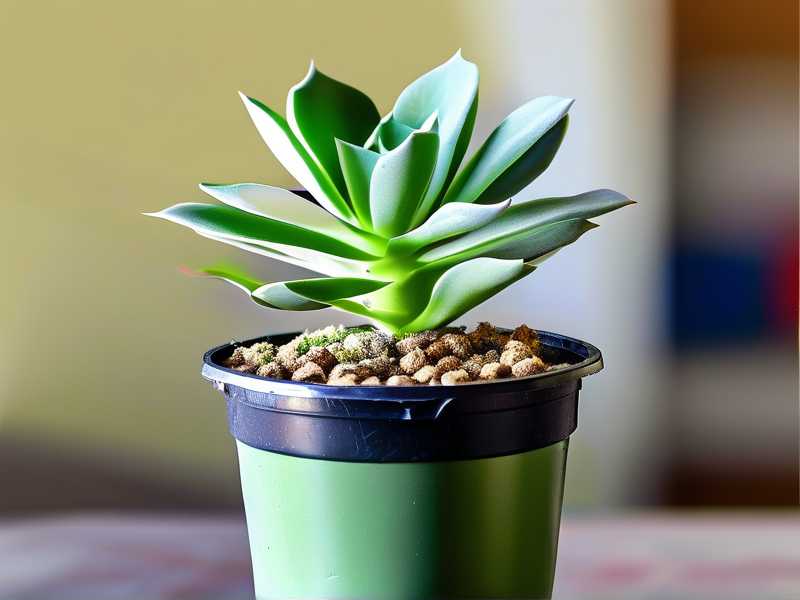
Echeveria: Needs more light but looks stunning in a wide marble bowl. Just watch for scorching.
Jade Plant: Sturdy, forgiving, and looks great in a heavy marble planter. It won't tip over.
String of Pearls: Beautiful in a tall marble planter where the strands can cascade. But it's finicky. I've killed two.
Aloe Vera: Practical and tough. Does well in a medium-sized marble pot with plenty of light.
Long-Tailed Tips That Actually Matter
These are the little things that make a big difference, things I wish someone had told me earlier.
Tip 1: Don't Use a Pot That's Too Big
A planter that's way larger than the root ball holds too much soil. Too much soil means too much moisture. Match the pot to the plant.
Tip 2: Rotate Your Planter
Succulents lean toward light. If you don't rotate the pot every week or two, you'll end up with a lopsided plant. I rotate mine every Sunday. It's a habit now.
Tip 3: Watch for Pests
Mealybugs love succulents. Check under leaves and in crevices. If you see white, cotton-like spots, treat immediately with rubbing alcohol on a cotton swab.
Tip 4: Repot Every One to Two Years
Succulents outgrow their pots. When roots start circling the bottom or coming out of the drainage hole, it's time to size up.
Tip 5: Clean Marble Carefully
Marble stains. Succulent soil, fertilizer, and hard water can all leave marks. Wipe spills immediately with a damp cloth. Don't use acidic cleaners on marble.
Frequently Asked Questions
Can I plant succulents in a marble planter without a drainage hole?
Yes, but you need to be extra careful. Use a liner pot, add a gravel layer, and water even more sparingly than usual. Without drainage, the risk of root rot goes way up.
How do I know if my succulent is getting too much water?
Look for yellowing, mushy leaves, or a soft, squishy stem. If the plant feels unstable in the soil, the roots may already be rotting. Stop watering immediately and let the soil dry out completely.
Do succulents need fertilizer in marble planters?
Not much. A diluted succulent fertilizer once in spring and once in summer is plenty. Over-fertilizing causes weak, leggy growth. I use half the recommended dose and my plants do fine.
Final Thoughts
Planting succulents in marble planters isn't complicated. It just requires a little more attention than sticking a plant in a terracotta pot and hoping for the best.
Use gritty soil. Don't overwater. Give them bright, indirect light. And be patient during those first two weeks.
I've made every mistake in this article. I've rotted roots, scorched leaves, and cracked a marble pot trying to drill a drainage hole. But I've also learned what works, and now my marble planters are some of the healthiest spots in my home.
You'll get there too. Just take it slow, and don't be afraid to learn from a few failures along the way.