bluename
 How to Tell if succulents Need Gritty Soil (And What Happens If You Guess Wrong)
If your succulent is sitting in regular potting mix and looking sad, the answer is probably yes—it needs gritty soil. I'm saying that right at the top because I wasted two years and killed four plants before I figured this out. The short version: succulents need gritty soil because their roots suffocate and rot in dense, water-retaining mixes. If your plant's leaves are yellow, mushy, or falling off at the slightest touch, your soil is almost certainly the problem.
I've been growing succulents on a windowsill in a humid climate for about six years now. And let me tell you, the learning curve was brutal. I'm not a botanist. I'm just someone who got tired of watching $12 plants turn to soup every few months. So this is everything I wish someone had told me earlier—written in plain language, with the mistakes included.
What "Gritty Soil" Actually Means (Because It's Not Just Cactus Mix)
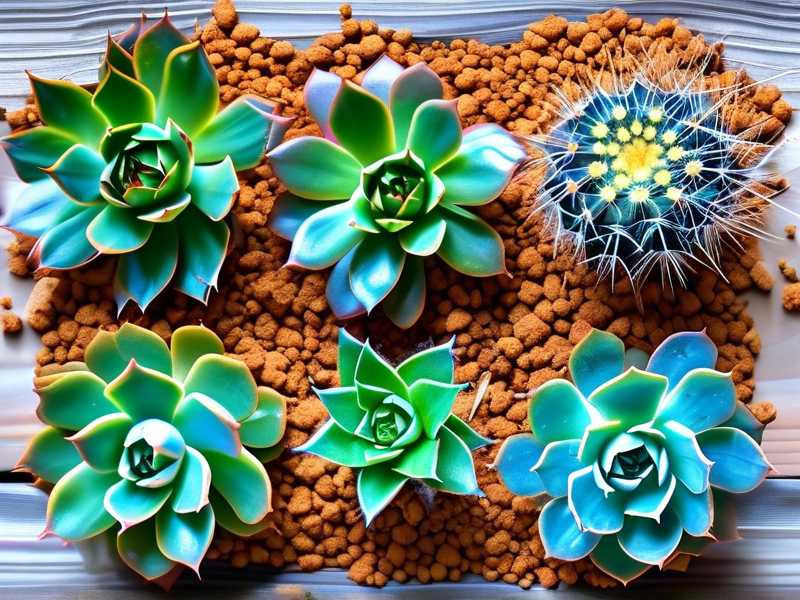
Here's the thing nobody tells beginners. That bag labeled "cactus and succulent mix" at the hardware store? It's often just regular peat-based potting soil with a little extra perlite thrown in. That's not gritty enough for most succulents, especially indoors.
Gritty soil, in simple terms, is a mix where at least 50% of the volume is inorganic material. Think pumice, perlite, coarse sand, chicken grit, or small lava rock. The other half can be organic matter like coco coir or compost. But the mineral content is what keeps the soil from turning into a wet brick.
The Royal Horticultural Society recommends adding at least 30–50% grit by volume for succulents and cacti grown in containers. That's a solid baseline. But after experimenting with about a dozen different ratios myself, I've found that indoors, you want to push it closer to 60–70% grit. Indoor environments have less airflow and slower evaporation than outdoor gardens, so the soil stays wet longer.
3 Signs Your Succulent Is Begging for Gritty Soil
I check for these three things every time I bring a new succulent home. It takes about 30 seconds and saves months of guessing.
Sign 1: Water Sits on the Surface Too Long
Pour a little water on the soil. If it pools on top and takes more than 5–10 seconds to start draining in, your mix is too dense. Gritty soil should let water flow through almost immediately. I tested this with my first jade plant, and the water literally sat there like a tiny pond for almost a minute. That plant was dead within three weeks.
Sign 2: The Soil Feels Like a Damp Sponge Days After Watering
Stick your finger about an inch into the soil two or three days after watering. Gritty soil will feel barely moist or even dry. Regular potting mix? It'll still feel like a wrung-out sponge. That lingering moisture is what causes root rot. I can't tell you how many times I pulled a succulent out of its pot and found brown, mushy roots wrapped in wet dirt that smelled like a swamp.
Sign 3: Leaves Are Yellow, Translucent, or Falling Off
This one's visual and hard to miss. Healthy succulent leaves are firm and hold their shape. Overwatered ones—the ones sitting in non-gritty soil—turn yellow, then translucent, then basically melt. If you barely touch a leaf and it drops off, that's not a watering schedule issue. That's a soil issue.
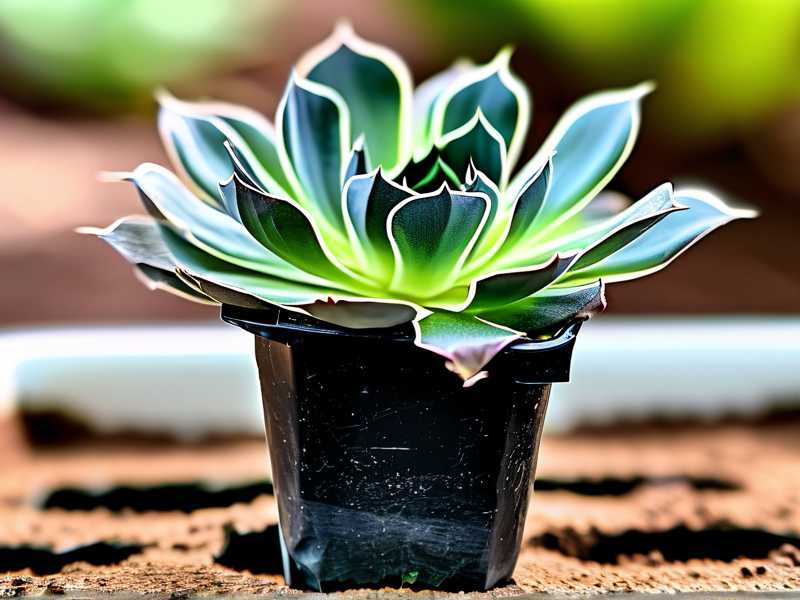
I learned this the hard way with an echeveria I bought at a farmers market. It looked perfect for about ten days. Then the bottom leaves started going soft. I thought I was underwatering, so I watered more. Terrible idea. By day fourteen, the whole thing collapsed. That's when I finally dug into the soil and realized it was basically mud.
The 2-Week Test I Run on Every New Succulent
This is the method I use now. I call it the two-week squeeze test, and it's saved me from repeating the same mistakes.
Week 1: Repot into gritty mix (60% pumice or perlite, 40% coco coir). Don't water for the first 3–4 days to let any root damage heal. Then water thoroughly until it runs out the drainage hole.
Week 2: Check the soil moisture every single day with a wooden skewer. Push it in about 2 inches, pull it out, and see if it comes out damp. With gritty soil, the skewer should be dry by day 4–5 after watering. If it's still damp on day 7, your mix isn't gritty enough—add more perlite.
I did this with a haworthia that had been struggling for months. After repotting into a 65% pumice mix, the skewer was dry on day 3. By the end of two weeks, the plant had pushed out two new leaves. That's the difference gritty soil makes.
The 3 Mistakes I See Every New Grower Make
Everybody makes these. I made all three. And honestly? The first one is responsible for more plant deaths than anything else.
Mistake 1: Overwatering
Here's a stat that stopped me in my tracks: 90% of indoor plants die from overwatering. Not underwatering, not pests, not bad light—overwatering. And overwatering isn't about how much water you pour. It's about how long the roots stay wet. Gritty soil fixes this because water drains through it instead of sitting around the roots.
I used to water my succulents every Sunday like clockwork. Doesn't matter what the soil felt like—Sunday was water day. That's a guaranteed way to kill them. Now I water when the soil is completely dry, which with gritty mix happens every 7–14 days depending on the season.
Mistake 2: Wrong Light
A succulent in gritty soil but sitting in a dark corner is still going to struggle. These plants need 4–6 hours of bright, indirect light daily. South- or east-facing windows are ideal in most homes. If yours is stretching out—growing tall and thin with wide gaps between leaves—it's not getting enough light. That's called etiolation, and it's your plant telling you something's wrong.
I killed a beautiful sedum by putting it on a north-facing shelf. It stretched so badly over six weeks that it looked nothing like the plant I bought. Fixed the soil, fixed the light, and the next one thrived.
Mistake 3: Wrong Pot
This one surprised me. Even with perfect gritty soil, a pot without a drainage hole is a death sentence. Water has nowhere to go. It just sits at the bottom, and roots rot from below. I've also seen people use pots that are way too big. A 2-inch succulent in a 6-inch pot means there's a huge volume of soil staying wet while the roots barely reach it.
The fix is simple. Always use a pot with at least one drainage hole. And pick a pot that's only slightly wider than the plant's root ball—usually 1–2 inches bigger. Terracotta is great because it's porous and wicks moisture away from the soil.
What I Actually Use in My Gritty Mix
After a lot of trial and error, here's my go-to recipe. It's nothing fancy, and everything is available at garden centers or online.
- 40% pumice (or perlite if pumice is hard to find)
- 30% coco coir (or fine bark)
- 20% coarse horticultural sand
- 10% worm castings or compost
I mix it in a big bucket, and it lasts me a whole season. You can adjust the ratios, but the key is that at least half of what goes into the pot is mineral. When I squeeze a handful, it should fall apart immediately—not clump together like dough.
For my outdoor succulents in Australia, I bump the grit up to 70%. For my indoor plants in Canada, 60% works well because of the dry indoor air. Point is, you'll need to tweak it based on your climate.
What the Experts Say
I'm not the only one who's figured this out. The Royal Horticultural Society specifically advises against using standard potting compost for succulents, noting that it holds too much moisture and leads to root rot. Their recommendation lines up with what I've learned through trial and error: you need a free-draining mix with added grit.
The American Horticultural Society also emphasizes that succulents are adapted to environments where water drains rapidly, and that replicating those conditions in containers is essential for their survival. That's not just a gardening opinion—it's how these plants evolved.
Frequently Asked Questions
Can I just use regular potting soil and water less often?
You can try, but it rarely works. Regular potting soil compacts over time and holds water unevenly. You might get lucky for a few months, but eventually, the roots will suffer. Adding grit is a much more reliable fix.
How do I know if my succulent has root rot already?
Pull it out of the pot and look at the roots. Healthy roots are firm and light-colored. Rotten roots are brown, black, mushy, and they fall apart when you touch them. If you catch it early, you can trim the damaged roots, let the plant dry for a couple of days, and repot in fresh gritty mix.
Do all succulents need the same gritty mix?
Not exactly. Desert types like echeveria and sedum want a very gritty mix—around 70% mineral. Jungle succulents like Christmas cactus are a bit more forgiving and do well with 50%. But all of them need more drainage than standard houseplant soil provides.
There's no magic formula here. Gritty soil works because it mimics what succulents evolved to grow in—rocky, fast-draining ground where water disappears quickly and roots get plenty of air. If your soil stays wet, your succulent will eventually rot. If your soil drains fast, you've solved about 80% of the problem. And if you're like me and killed a few plants before figuring this out, don't beat yourself up. Every succulent I've lost taught me something. The gritty ones I have now are the healthiest plants on my shelf.