bluename
 How to Plant succulents in Porcelain Dishes (And Keep Them Alive Past Week Three)
If you're here, you've probably already killed a succulent. Maybe two. Maybe that little jade plant from the grocery store that looked so cute in a teacup. I get it. I've lost count of how many I've sent to the compost bin, and I'm supposed to know what I'm doing.
So let me give you the straight answer first: planting succulents in porcelain dishes works beautifully, but only if you treat the dish like what it is — a container with zero drainage. That means a gritty, fast-draining mix, a drainage layer at the bottom, and a watering routine that's closer to neglect than care. Do that, and a porcelain dish becomes one of the prettiest, easiest succulent homes you can own. Skip any of those three things, and you're growing soup.
Here's the part nobody tells you at the checkout counter: 90% of indoor plants die from overwatering. Not cold. Not bad luck. Water. And porcelain makes overwatering ten times easier because there's nowhere for the excess to go. Keep that number in your head while you read the rest of this.
Why Porcelain Dishes Are Tricky (But Totally Doable)
Porcelain is non-porous. Unlike terracotta, which breathes and wicks moisture away from the soil, porcelain holds everything in. That's actually why it looks so good — glazed, glossy, a bit vintage. But it also means the soil stays wet longer, especially at the bottom, right where the roots sit.
I planted my first porcelain-dish arrangement three years ago. A shallow white dish, five tiny echeverias, regular potting soil. I was so proud. Two weeks later, the leaves went translucent and mushy. Root rot, already. I'd basically built a swamp with a decorative lid.
The fix isn't complicated. It just requires paying attention to four things: light, water, soil, and the container setup itself. Get those right and porcelain stops being a trap and starts being an upgrade.
Light: Get This Wrong and Nothing Else Matters
Succulents want bright light. Not "sort of bright." Not "near a window somewhere." Bright, direct for most varieties, and at least six hours of it.
A south-facing window is the gold standard. West-facing is a close second. East-facing works for softer succulents like haworthia. North-facing, honestly, is where succulents go to stretch and fade.
Here's how you know light is too low: the plant starts reaching. Stems get long and pale, leaves space out, and the whole thing leans toward the glass like it's begging. That's called etiolation, and once it happens you can't undo it. You can only cut and re-root.
Too much light looks different. Brown, crispy patches on the sun-facing side. That's sunburn, and it usually happens when you move a plant straight from a dim corner to full afternoon sun. Acclimate slowly — an hour more of direct light each day for a week.
I tried a $12 clip-on grow light for my north-facing kitchen window last winter. Two weeks in, the echeveria color came back. The rosettes tightened up. Cheap fix, real results. If your only window faces north, just buy the light.
Watering Succulents in Porcelain Dishes: The Part That Kills Them
Forget everything you know about watering houseplants. Succulents are different.
The rule: soak thoroughly, then let the soil go completely dry before watering again. In a porcelain dish, "completely dry" takes longer than you think. Mine go three to four weeks between waterings in winter. Ten to fourteen days in summer.
The RHS puts it simply — most succulents evolved in places with long dry spells and short rainy seasons. Their roots are built for drought, not moisture. Mimic that and you're golden.
A few specifics that took me embarrassingly long to learn:
Water the soil, not the leaves. Water sitting in a rosette's center causes rot from the top down. I lost a gorgeous Echeveria 'Perle von Nürnberg' that way. Water pooled in the crown after I misted it "for humidity." It turned to mush in five days.
Use a squeeze bottle or a small spout. Porcelain dishes are usually shallow, and pouring from a big watering can floods the surface before water reaches the roots. A cheap squeeze bottle gives you control.
The toothpick test. Stick a wooden toothpick into the soil near the edge. Pull it out. If it's damp or has soil clinging to it, wait. If it's clean and dry, water. This is the single most useful habit I picked up.
Never let water sit in the dish. If you're using a porcelain dish with no drainage hole at all, tilt it gently after watering and let any excess run off. Or use a turkey baster to suck out the standing water. Sounds fussy. Takes ten seconds. Saves the plant.
Soil and Repotting: Skip the Miracle-Gro
Regular potting soil is a death sentence for succulents in porcelain. It holds water like a sponge and compacts around the roots.
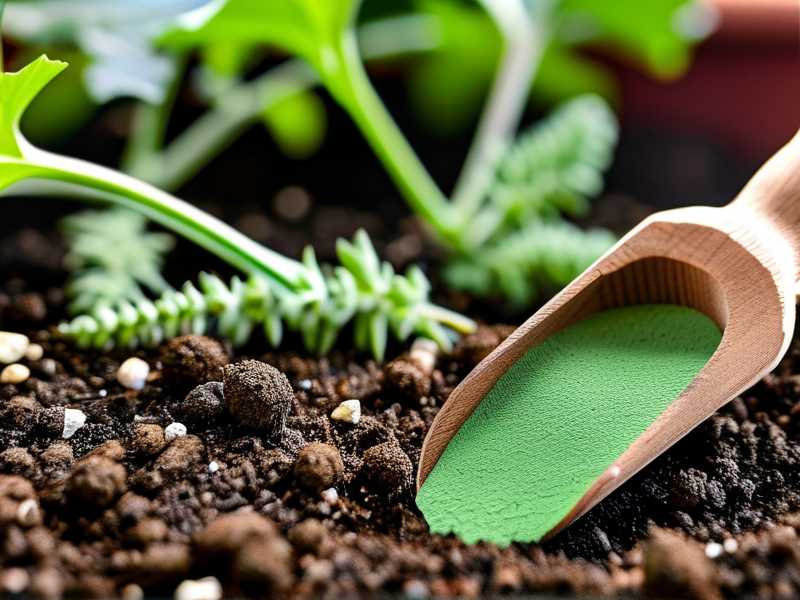
What you want is a gritty mix. My go-to ratio:
- 2 parts cactus or succulent potting mix
- 1 part perlite
- 1 part coarse sand or pumice
That's it. If you buy a bagged succulent mix, you'll still want to add extra perlite — most commercial mixes are too peat-heavy. I mix mine in a bucket on the patio, and one batch lasts through several repottings.
The AHS recommends amending any standard mix with at least 30% inorganic material for container succulents. Pumice is my favorite because it doesn't float to the surface like perlite sometimes does.
For the porcelain dish itself, add a drainage layer at the bottom before the soil. Half an inch of small pebbles, lava rock, or even broken pottery shards. This isn't a substitute for a drainage hole — it just keeps the bottom of the soil from sitting directly in any pooled water.
Repot every 18 to 24 months. Succulents are slow growers, but the soil breaks down and loses its grit over time. Spring is the best time. Gently shake the old soil off the roots, check for rot (mushy brown roots — cut them off with clean scissors), and replant in fresh mix.
One more thing. If you're using a porcelain dish with no hole, choose shallow-rooted varieties. Echeveria, sedum, sempervivum, haworthia. Stay away from anything with a big taproot. I tried a small agave in a deep porcelain bowl once. It lasted eight months before the roots rotted from the bottom up.
Fertilizing Succulents in Porcelain Dishes
Less is more. A lot less.
I feed my succulents twice a year — once in early spring, once in early fall. That's it. A diluted liquid succulent fertilizer, half the recommended strength, poured onto damp soil (never dry, it burns roots).
Don't fertilize in winter. The plants are dormant, and the nutrients just sit in the soil and cause salt buildup. Don't fertilize a newly repotted plant for at least a month. And don't fertilize a struggling plant — fix the underlying problem first.
I skipped fertilizer entirely for my first two years of succulent growing. The plants survived. They just didn't thrive. Once I started feeding lightly in spring, the growth was noticeably tighter and the colors richer. Think of it as a vitamin, not a meal.
The Four-Season Care Plan
This is where porcelain-dish succulents live or die. The seasons change what the plant needs, and the container changes how fast those needs shift.
Spring: Wake-Up Time
Your succulents are coming out of dormancy. This is when you do the heavy lifting.
Start watering more frequently — every 10 to 14 days instead of every three weeks. Resume fertilizing. Repot anything that's outgrown its dish or has been in the same soil for two years. Trim any dead or etiolated growth with clean snips.
I do all my repotting in April. The plants recover fast, and they have the whole growing season to settle in before winter. If you're in a cooler climate like the UK or Canada, wait until nighttime temps stay above 50°F (10°C).
Summer: The Danger Zone
Heat and sun are great for growth but brutal on porcelain. The dish itself heats up in direct afternoon sun, and that heat transfers to the soil and roots. I've cooked a sedum that way — literally steamed the roots in a black porcelain bowl on a south-facing balcony.
Morning sun is fine. Afternoon sun in July and August? Move the dish to filtered light or a spot that gets shade after 1 pm. Water more often, but check the soil first. High heat dries the top layer fast while the bottom stays wet. The toothpick test saves you here.
Ventilation matters more than you'd think. If your porcelain dish sits in a stuffy corner, the humid air around the soil never moves. A small fan on low, or just cracking a window, makes a real difference. This is also when mealybugs and spider mites show up. Check the undersides of leaves weekly.
Fall: Slow Down
Growth slows. Water less — back to every two to three weeks. Stop fertilizing by mid-October. This is the time to clean up: remove dead leaves from the base of the plant (they harbor pests), check for any rot that started in summer.
If you keep your succulents outdoors in summer, bring them in before the first frost. In Canada and the northern US, that's usually late September. In Australia, it's the reverse — your succulents are heading into their growing season while the Northern Hemisphere winds down.
Winter: The Survival Test
This is where most porcelain-dish succulents die. Not from cold, usually, but from overwatering in low light.
Water once a month. Maybe less. The plant isn't growing, so it isn't drinking. I water my indoor succulents maybe three times total between November and February.
Keep them near the brightest window you have. If that's not enough, use a grow light. Move them away from cold drafts and radiators. Both extremes stress the plant.
If your home gets below 50°F (10°C) at night, move the dishes to a warmer room. Most succulents tolerate cool temps, but porcelain holds cold, and wet roots plus cold equals rot.
The 3 Mistakes That Kill Beginner Succulents
Let me save you some heartbreak. These are the three I see over and over, and I've made all of them.
Mistake 1: Overwatering. Already covered, but it bears repeating. 90% of indoor plants die from overwatering, and succulents in porcelain are the most vulnerable. When in doubt, wait another week.
Mistake 2: Wrong light. Too little light makes them leggy and weak. Too much direct afternoon sun in summer scorches them. The sweet spot is bright morning sun and a little afternoon shade.
Mistake 3: Wrong container setup. No drainage layer. No drainage hole. Too deep. Too big. A succulent in an oversized porcelain dish sits in wet soil for weeks because the roots can't reach the edges to drink. Always size the dish to the root ball, plus an inch or two.
I killed my fifth succulent — a beautiful haworthia — by planting it in a deep porcelain vase because it looked elegant. It rotted in six weeks. The soil never dried out. I should have used a shallow dish.
A Two-Week Observation: What Actually Happens
I planted a small arrangement in a shallow porcelain dish two weeks ago to write this. Four echeverias, gritty mix, pebble drainage layer, no drainage hole. Here's what I saw.
Day 1: Planted, watered lightly. Soil settled. Day 3: Soil surface still slightly damp. No water. Day 7: Toothpick test — top inch dry, bottom still cool. Waited. Day 10: Toothpick clean. Watered. Tilted the dish, no standing water. Day 14: Leaves firm, no browning, no mush at the base. Color holding.
That's the rhythm. Slow, patient, a little boring. That's exactly how succulents like it.
Common Problems and How to Fix Them
Yellow, mushy leaves. Root rot. Pull the plant, cut away brown roots, let it dry for a day, replant in fresh gritty mix. Water less.
Brown, crispy leaf tips. Too much sun, or you watered with cold water. Move to filtered light and use room-temperature water.
Stretched, pale growth. Not enough light. Move closer to a window or add a grow light. You can't fix the stretched part — cut it and propagate.
White cottony spots. Mealybugs. Dab with rubbing alcohol on a cotton swab. Repeat weekly until gone.
Tiny webs on the leaves. Spider mites. Rinse the plant, increase humidity slightly (but not on the leaves), and treat with neem oil.
Leaves dropping off at a touch. Usually overwatering or a sudden cold shock. Check the soil and the temperature.
FAQ
Can I plant succulents in a porcelain dish with no drainage hole? Yes, but you need a pebble drainage layer, a gritty mix, and a watering routine that lets the soil dry completely. Tilt the dish after watering to remove any standing water.
How often should I water succulents in porcelain dishes? Every 10 to 14 days in summer, every three to four weeks in winter. Always check the soil with a toothpick first. If it's damp, wait.
Why are my succulent's leaves falling off? Usually overwatering, sometimes cold shock. Let the soil dry out completely and check that the dish isn't sitting in a cold draft.
Planting succulents in porcelain dishes isn't hard. It just isn't the same as planting them in terracotta. Give them grit, give them light, and mostly give them space. They'll do the rest.