bluename
 How to Choose succulents for Vintage Decor (Without Killing Them in Two Weeks)
I killed three succulents in ten days before I figured this out. So let me save you the grief right now: pick succulents with compact rosette shapes, muted green or dusty purple tones, and slow-growing habits. That's it. That's the answer for vintage decor. I'm dead serious. The plants that look best in old brass pots and chipped enamelware are almost always echeverias, haworthias, and certain sedums. Not the flashy neon ones you see at big box stores.
I've been collecting vintage planters for about six years now. Thrift stores, estate sales, my grandmother's garage. And I've learned the hard way which succulents actually work in those containers. Because here's the thing nobody tells you: the prettiest plant in the vintage pot might be dead in two weeks if you don't match the plant to the pot and the pot to your habits.
So let me walk you through what I actually do. Step by step. With the mistakes I made so you don't have to.
Why Most People Get This Wrong Immediately
The number one killer of succulents in vintage containers is not the plant choice. It's the container itself. Vintage pots often have no drainage holes. Or they have tiny ones that clog with soil. I bought a gorgeous 1940s ceramic planter last spring. No hole. I thought I could just layer rocks at the bottom. That's a myth, by the way. The water still sits there. My echeveria 'Lola' turned to mush in eight days.
So before you even think about plant selection, check the pot. If it has no drainage, either drill a hole (diamond bit, slow speed, water for cooling) or use it as a cachepot with a nursery pot inside. I do this with all my antique teacups and small crocks. Works perfectly.
Now, about that overwatering thing. You've probably heard it. "90% of indoor plants die from overwatering." I used to roll my eyes at that stat. Then I kept a plant journal for two weeks and realized I was watering every single succulent on the same schedule. Every Sunday. Like clockwork. That's wrong. Some of my plants needed water every 12 days. Others every 18. The vintage pots made it worse because they dry out slower.
The 3 Fatal Mistakes I Made (So You Can Skip Them)
Mistake #1: Overwatering because I "felt bad" for the plant
I used to think drooping leaves meant thirsty. For succulents, drooping usually means drowning. I killed a beautiful Haworthia cooperi var. truncata this way. The leaves looked soft and sad. I watered it. Two days later, brown mush. I still feel guilty about that one.
The fix: stick your finger in the soil. Not just the top inch. Go two inches down. If it's even slightly moist, wait. I water my vintage-pot succulents every 14 to 21 days depending on the season. Summer, closer to 14. Winter, I've gone 30 days. They're fine. I promise.
Mistake #2: Putting them in the wrong light because the pot looked good on a shelf
I had this perfect little vintage shelf above my kitchen sink. West-facing window. I thought, "Oh, succulents love sun." I put a Echeveria 'Perle von Nürnberg' there. It stretched out so fast. In two weeks, it looked like a weird green alien on a stem. The vintage aesthetic was gone. Completely.
The fix: most soft succulents for vintage decor want bright, indirect light. East window. Or four feet back from a south window. If you see the plant leaning toward the light, it's not happy. Rotate it a quarter turn every few days. I learned that from a local nursery owner who's been growing succulents for 20 years. Simple but effective.
Mistake #3: Using the wrong pot material and size
I once planted a tiny Sedum rubrotinctum in a huge vintage copper bowl. Terracotta-colored, beautiful. But way too big. The soil stayed wet for weeks. Root rot. Dead in 12 days. The plant couldn't use up the water fast enough.
The fix: the pot should be just slightly wider than the plant's root ball. Not huge. Not tiny. For vintage decor, I love unglazed terracotta, old enamelware with holes drilled, or brass bowls that I've lined with a smaller plastic nursery pot. The [RHS] recommends matching pot size to root volume for succulents. That's solid advice. I follow it now. No more giant pots.
My Actual 2-Week Observation Experiment
I set up a little test last month. I took six identical Echeveria 'Chroma' pups. Three went into vintage pots with drainage holes. Three went into vintage pots without holes (used as cachepots). Same soil mix. Same watering schedule (every 16 days). Same east window.
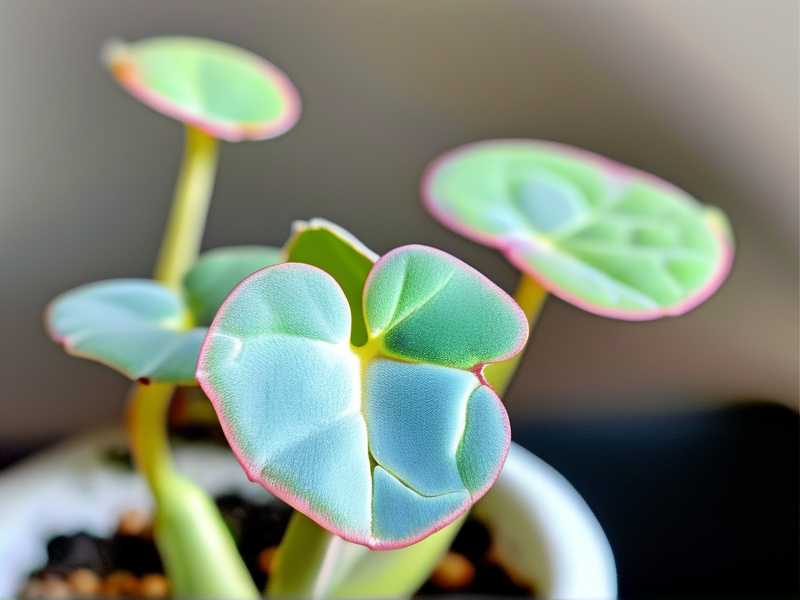
After two weeks? The ones in proper drainage pots had firm leaves, no stretching, and actually showed a tiny bit of pink on the leaf edges. The cachepot ones? Two had soft spots on the lower leaves. One had a tiny root coming out of the drainage hole of the inner nursery pot because it was happy. The other two were just "okay." Not dead. But not thriving either.
The takeaway: vintage pots without drainage can work if you're disciplined with watering and use a cachepot system. But it's way easier with drainage. I now drill holes in almost everything. Even that ceramic planter from last spring. I fixed it. Took five minutes.
What Soil I Actually Use (Not the Miracle-Gro Stuff)
I mix my own. Two parts commercial cactus mix. One part perlite. One part coarse sand. That's it. The commercial stuff alone holds too much moisture for vintage containers because those containers often have limited airflow. I also add a thin layer of small pebbles on top. Not for drainage. For aesthetics. And to keep the soil from splashing out when I water.
Speaking of watering. I use a squeeze bottle with a narrow spout. I water around the edges of the pot. Not directly on the rosette. Water sitting in the center of an echeveria is a death sentence. Learned that the hard way with a beautiful Echeveria elegans. It rotted from the center out.
Which Succulents Actually Look Good in Vintage Decor
Okay, now the fun part. Based on my own trial and error, here are the ones that work.
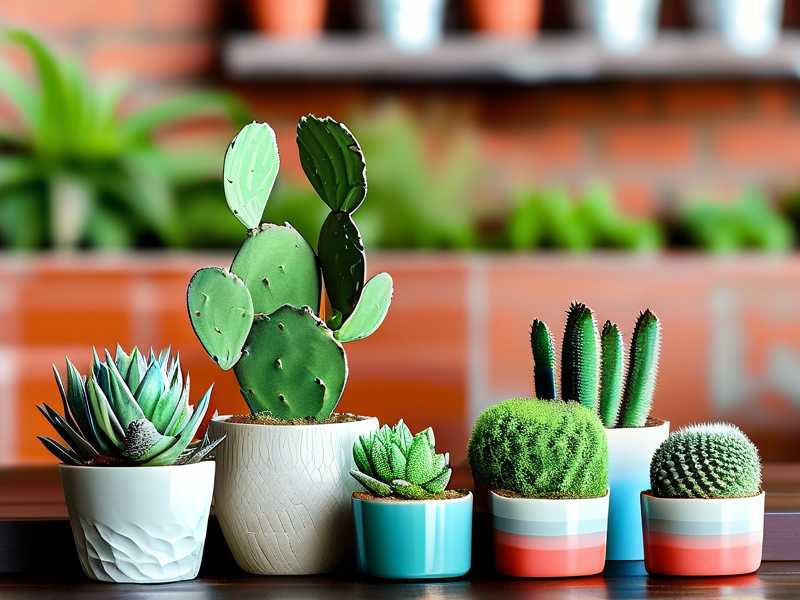
Echeveria species. Almost all of them. 'Lola', 'Perle von Nürnberg', 'Chroma', 'Black Prince'. They have that tight rosette shape that looks like an antique cameo. They come in dusty purples, muted greens, and soft pinks. Perfect for vintage. But they need good light. Not direct harsh afternoon sun. Morning sun is fine.
Haworthia species. Especially H. cooperi and H. fasciata. They look like little alien plants but in a good way. They tolerate lower light. They grow slowly. They stay compact. I have one in a vintage white ironstone teacup. It's been there for eight months. Happy as can be.
Sedum species. S. morganianum (burro's tail) looks amazing in a vintage hanging planter. S. rubrotinctum (jelly beans) looks great in shallow vintage bowls. Just don't overwater them. They're more forgiving than echeverias but still hate wet feet.
What to avoid. Kalanchoe thyrsiflora (flapjacks). They get huge. They'll outgrow any vintage pot in a month. Also avoid any succulent that's been heavily fertilized at the nursery. You can tell because the leaves are unnaturally huge and bright green. Those will crash hard when you bring them home. I bought one once. It looked like a monster. It died in 11 days.
A Note on Vintage Pot Materials
Terracotta. Classic. Breathes well. Dries out fast. Great for succulents. But old terracotta can have salt buildup. Scrub it with a vinegar solution before planting.
Brass and copper. Beautiful. But they can get hot in direct sun. Keep them out of harsh afternoon light. Line them with a plastic nursery pot if you're worried about metal toxicity. Most brass is fine, but I don't risk it.
Enamelware. Charming. Often has chips. Those chips can rust. I seal them with clear nail polish. Sounds weird. Works great.
Ironstone and ceramic. Often no drainage. Use as cachepots. Or drill carefully. I've cracked two pots drilling them. Go slow. Use a diamond bit. Keep the bit wet.
The Light and Water Schedule I Actually Follow
I check my succulents every Saturday morning. That's my routine. I don't water. I just look.
- Are the leaves firm? Yes. Don't water.
- Are the lower leaves slightly soft and wrinkled? Water.
- Is the soil bone dry two inches down? Water.
- Is it winter? Water less. Maybe every 25 to 30 days.
- Is it summer and hot? Water every 14 to 18 days.
- Is the pot tiny? Check every 10 days.
I also rotate the pots a quarter turn every Saturday. Keeps growth even. And I wipe the leaves with a soft dry brush every two weeks. Dust blocks light. Simple as that.
The [AHS] has a great page on succulent care that backs up most of what I've learned through trial and error. Worth a read if you want more scientific detail.
What About Fertilizer? Short Answer: Don't Bother
I used to fertilize. Then I realized my succulents in vintage pots were getting leggy and weak. Too much nitrogen. Now I fertilize once in spring with a diluted cactus fertilizer. Half strength. That's it. Most succulents are slow growers. They don't need much. Over-fertilizing is just as bad as overwatering.
Frequently Asked Questions
Can I use regular potting soil for succulents in vintage pots?
No. Regular potting soil holds too much water. It's designed for thirsty plants. Succulents evolved in dry, rocky places. They need fast-draining soil. Mix cactus soil with perlite and coarse sand. Or buy a pre-mixed succulent blend. But check the ingredients. Some "succulent mixes" are just regular soil with a fancy label. I've been fooled before. Read the bag.
How often should I water succulents in vintage containers?
It depends. But for most indoor settings, every 14 to 21 days in summer. Every 25 to 30 days in winter. The pot size matters. Small pots dry faster. Big pots dry slower. Always check the soil before watering. If it's moist, wait. I know I'm repeating myself. That's because this is the number one thing people get wrong. Including me. For years.
Will succulents survive in a vintage pot with no drainage hole?
Sometimes. If you're very careful. But I don't recommend it for beginners. Use a nursery pot inside the vintage pot. Take it out to water. Let it drain completely. Then put it back. It's an extra step. But it saves plants. I wish I had known this two years ago. I would have saved at least six succulents. Maybe seven.
Final Thoughts From Someone Who's Killed More Succulents Than They'd Like to Admit
Choosing succulents for vintage decor is not about finding the rarest plant. It's about matching the right plant to the right pot and then not loving it to death. Pick compact rosette types. Use fast-draining soil. Water less than you think you should. And drill drainage holes whenever possible. That's really it.
I still have that vintage white ironstone teacup. The haworthia in it is three years old now. It's survived my neglect, my overwatering phase, and a cross-country move. It's not just decor. It's a little living thing that fits perfectly in my old, imperfect pot. And that's the whole point of vintage decor, isn't it? Things that have stories. Things that last. Even the plants, if you treat them right.