bluename
 How to Hang succulents in Balcony Planters: A Real Guide From Someone Who Killed Plenty First
I remember standing on my tiny apartment balcony, staring at a sad, mushy echeveria that had basically melted in its pot. That was the moment I realized hanging succulents in balcony planters is not about buying a pretty container. It is about airflow, light direction, and honestly, learning to stop overwatering. If you want the short answer before we dive deep: use a porous, well-draining pot with a drainage hole, water only when the soil is bone dry, and match your succulents to the actual sun your balcony gets. That combination alone saved my next twelve plants. Quick heads-up: 90% of indoor plants die from overwatering. And balcony succulents are not immune just because they live outside.
I have been growing succulents on balconies for years now. Some were tiny, some were huge trailing strings of pearls. I have tried macrame hangers, wooden vertical planters, cheap plastic hooks, and even those self-watering wall pockets that sounded genius but turned into mini swamps. Today I want to share what actually works. No fluff. Just real steps, real mistakes, and the two-week observations that changed how I hang everything.
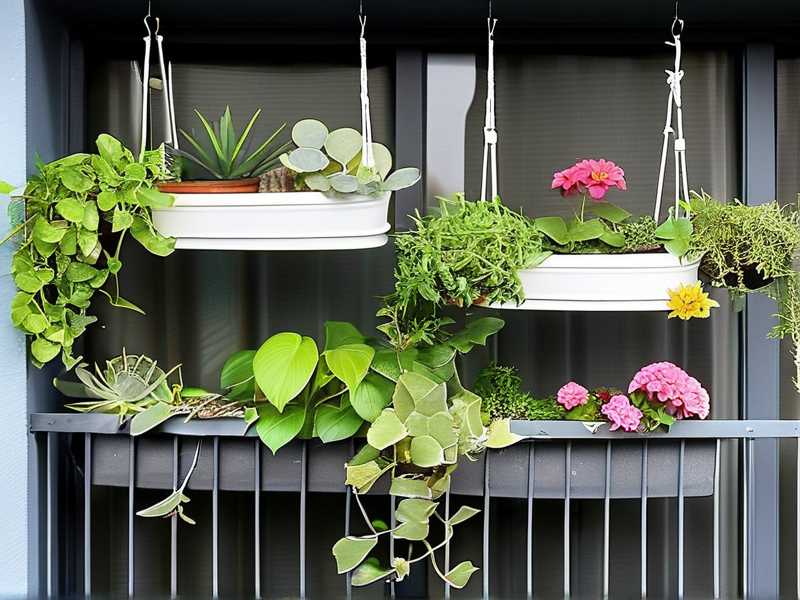
Why Hanging Succulents in Balcony Planters Is Trickier Than It Looks
You might think, hey, it's a balcony, plants get sun and rain. Easy, right? Wrong. Balconies are weird microclimates. They can bake like a desert at noon and then turn into a wind tunnel by evening. Rain might never reach your hanging pots if they sit under an overhang. Or the opposite, they get soaked every storm and never dry out.
According to the RHS, succulents need sharp drainage and good air movement to avoid root rot. That advice is even more critical when plants are hanging in the air, where wind dries them fast but also makes them sway. I learned this the hard way with a beautiful string of bananas. It looked fine for five days, then collapsed. The soil was still wet from a single watering because the pot had no real drainage and the roots suffocated. Hanging planters often have small reservoirs or attached saucers that trap water. If you do not empty them, you are basically drowning your succulents slowly.
Another thing: balcony light changes with the season. A spot that gets six hours of direct sun in July might get one hour in November. Your hanging succulents will stretch, lean, and lose color if you do not adjust. I keep a simple sun tracker app now, but you can just watch your shadows.
The 3 Deadly Mistakes Newbies Make (I Made All of Them)
Let me save you some heartbreak. These are the three killers.
1. Overwatering Like You Are Growing Tomatoes
I used to water my hanging succulents every three days because the top of the soil looked dry. Big mistake. Succulents store water in their leaves. They do not need constant moisture. That mushy echeveria I mentioned earlier? It died because I watered it twice in one week during a cloudy stretch. The roots rotted, the stem turned to jelly, and it was gone.
Real fix: Stick your finger an inch into the soil. If it is not bone dry, do not water. In my two-week observation, I found that my balcony succulents in terracotta needed water every 10 to 14 days in summer and every 3 to 4 weeks in winter. Your schedule will vary, but the finger test never lies.
2. Putting Full-Sun Succulents in Deep Shade
I once hung a lovely jade plant under a north-facing overhang because I thought shade was safer. Two weeks later, it was pale, leggy, and dropping leaves. Succulents are not all the same. Some love blazing sun, others scorch. Echeveria and sedum want direct sun. Haworthia and gasteria prefer bright indirect light.
Real fix: Check your balcony orientation. South or west facing? That is strong sun. East is gentler morning sun. North is low light. Hang your sun-lovers where they get at least 4 to 6 hours of direct light. For softer succulents, hang them behind a sheer curtain or on the shaded side of a taller planter. I use a simple light meter app, but you can just watch for leaf burn or stretching.
3. Using the Wrong Planter (This One Hurts the Most)
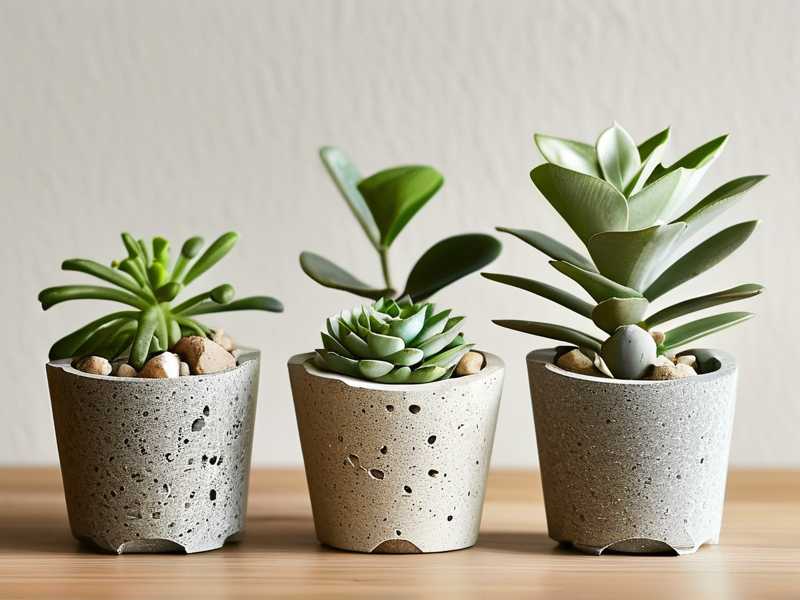
I bought a gorgeous ceramic hanging pot with a built-in saucer. It had one tiny hole that clogged with soil. My string of pearls died in nine days. The water sat at the bottom like a swamp. Now I only use unglazed terracotta, concrete, or fabric hanging planters. These breathe. They wick away extra moisture. They also dry out faster, which is exactly what succulents want.
Real fix: Choose a hanging planter with a drainage hole that is at least half an inch wide. If it has a saucer, check it after every rain and empty it. I also add a layer of small pebbles at the bottom, but honestly, drainage holes matter more than pebbles. The AHS recommends using a gritty mix, like cactus soil plus perlite, to keep roots from sitting in wet mud.
Step-by-Step: How I Hang Succulents in Balcony Planters
Here is my exact process. I have refined it over many failed attempts.
Step 1: Choose the right succulents. For hanging planters, I love trailing types: string of pearls, string of bananas, donkey tail, or trailing sedum. They look amazing cascading down. For upright rosettes, I use small echeveria or graptopetalum. Avoid large agave or aloe in hanging pots. They get top-heavy and fall.
Step 2: Pick a planter that breathes. Unglazed terracotta hanging pots are my top pick. If you want lightweight, use a fabric grow bag with handles, then hang it from a sturdy hook. I have also used wire baskets lined with moss. That looks rustic, but moss dries fast, so you water more often. For a cleaner look, concrete hanging planters work great but are heavy. Make sure your balcony railing or ceiling hook can hold the weight. Water adds a lot of pounds.
Step 3: Use gritty soil. I mix two parts cactus potting soil with one part perlite and one part coarse sand. This drains in seconds. When I first started, I used regular potting soil. My plants rotted. Now I never skip the grit.
Step 4: Plant and wait a week before watering. This is a trick I learned after killing three succulents in a row. When you repot, the roots get tiny micro-tears. If you water immediately, those tears invite rot. I plant dry, hang the pot in its final spot, and wait seven full days. Then I water thoroughly until it runs out the bottom. After that, I go back to the finger test.
Step 5: Hang at the right height. I hang my trailing succulents so the top of the pot is just above my eye level. That way I can see the soil and check moisture without taking the pot down. For upright types, I hang them a bit lower so they get better light from the side. Also, leave at least six inches between hanging pots. Succulents need airflow. Crowding them traps humidity and invites pests.
My 2-Week Observation: What Actually Happened
I set up a small experiment on my south-facing balcony. I hung two identical string of pearls in identical terracotta pots. One got watered on day one, then nothing for two weeks. The other got watered every four days. By day seven, the overwatered one had yellow, translucent leaves. By day ten, it was dropping pearls. The dry one? It looked exactly the same, maybe even plumper. By day fourteen, the dry one had tiny new growth at the tips. That experiment proved to me that neglect is better than too much care.
I also noticed that wind matters. My hanging pots on the windward side dried out two days faster than the ones tucked near the wall. So if your balcony is breezy, you might water every 7 to 10 days. If it is sheltered, every 14 to 21 days. There is no magic number. Just check the soil.
Troubleshooting Common Hanging Succulent Problems
Leaves falling off at the slightest touch. That is usually overwatering. Stop watering. Let the soil dry completely. If the stem is mushy, cut above the rot and replant the healthy top.
Brown, crispy edges. That is sunburn. Move the planter to a spot with afternoon shade. Or hang a sheer cloth in front during heat waves.
Stretching and leaning toward the window. Not enough light. Rotate the pot every few days or move it to a sunnier hook.
Pests like mealybugs in the hanging pot. They love tight spaces and moist soil. I wipe them with a cotton swab dipped in rubbing alcohol. Then I increase airflow and reduce watering.
Hanging Hardware That Will Not Fail You
I have tried cheap suction cups. They fall. I have tried adhesive hooks. They melt in summer. Now I only use metal ceiling hooks screwed into a stud or a heavy-duty railing clamp. For renters, a sturdy over-the-door hook works if your balcony door frame is solid. Just test it with a weight before hanging your plants. A full hanging planter can weigh 10 to 15 pounds.
A Few Long-Tail Tips I Wish I Knew Earlier
If you are searching for how to hang succulents in balcony planters without killing them, start with trailing varieties and terracotta. That combo forgives mistakes.
For best hanging planters for succulents on a sunny balcony, go unglazed. Glazed ceramic looks pretty but holds moisture.
And for how often to water hanging succulents in summer, my rule is simple: when in doubt, wait three more days.
FAQ
Can I hang succulents in plastic pots? Yes, but only if you drill extra drainage holes and use a gritty mix. Plastic does not breathe, so you must be extra careful with watering. I prefer terracotta or fabric, but plastic can work if you are vigilant.
What if my balcony gets no direct sun? You can still hang succulents, but choose low-light types like haworthia or gasteria. They will not thrive in deep shade, but they survive. Avoid flowering succulents, as they need sun to bloom. Also, rotate them often so they do not lean.
How do I keep hanging succulents from freezing in winter? Most succulents hate frost. If you live in a cold climate, bring your hanging planters inside before the first freeze. Or hang them in a sheltered, heated garage with a grow light. I learned this after losing a whole string of pearls to an early frost. Now I set a calendar reminder for late autumn.
Hanging succulents in balcony planters is honestly one of the most rewarding small-space gardening projects. You just have to respect their rhythm. Let them dry out. Give them real sun if they want it. Use a pot that lets air in. And please, do not love them with water. That is the whole secret. I still kill a plant now and then, but now I know why. You will too, and that is okay.