bluename
 How to Protect succulents From Squirrels: What Finally Worked After Two Weeks of Testing
If you've ever walked outside to find your favorite echeveria chewed down to a stub, you already know the frustration. Squirrels don't just nibble—they dig, gnaw, and treat your pots like a personal buffet. I've lost three succulents this way, and after trying just about everything short of camping outside with a flashlight, I finally figured out a system that actually works. In this article, I'll show you exactly how to protect succulents from squirrels using methods I tested over a two-week period, plus a few hard lessons I learned the expensive way. By the end, you'll know what works, what's a total waste of money, and why so many plant owners accidentally make the problem worse.
Why Squirrels Target Your Succulents in the First Place
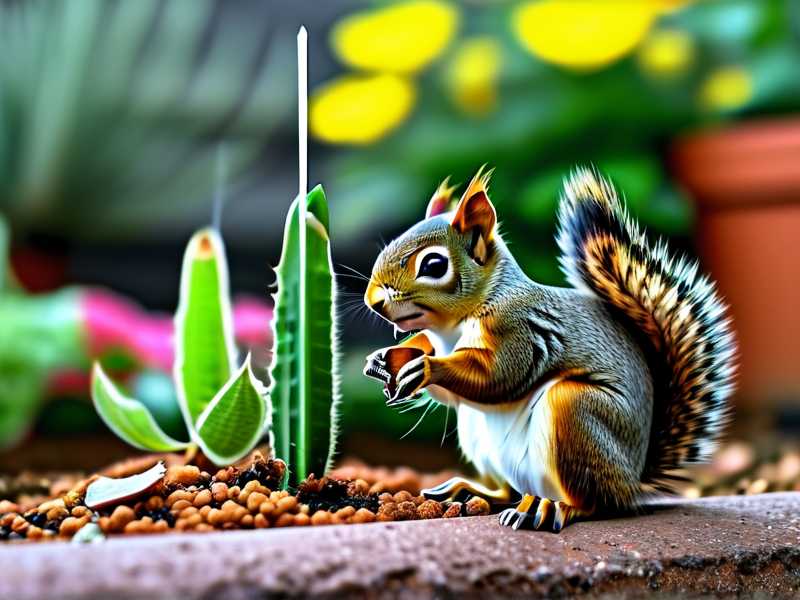
Before you can stop them, it helps to understand why they're coming at all.
Squirrels dig in pots for several reasons. Sometimes they're burying nuts. Sometimes they're drinking moisture from damp soil. And sometimes—sorry to say—they're just curious chewers.
I used to think they only went after fruit or nuts, but that's not true. Succulent leaves are juicy and easy to bite through, especially soft varieties like jade plants and sedums. The RHS notes that squirrels cause damage mainly through digging and gnawing rather than eating entire plants, which matches what I saw in my own yard.
The container itself is often the real invitation. Freshly watered pots, loose soil, and tasty-looking leaves are basically a sign that says "please dig here."
How I Tested My Solutions for Two Weeks
I want to be honest about my process here because there's a lot of bad advice floating around.
Over 14 days, I tried five different methods on a row of potted succulents near my back fence. I checked the pots every morning and evening, took phone photos, and kept a messy little notebook of what happened.
Here's the short version of what I learned:
- Physical barriers worked best, especially ones that block digging from above.
- Repellents were hit or miss and needed reapplication after rain.
- Scare tactics were basically useless after day two.
- Plants in the wrong soil got attacked more often.
- Healthy, well-rooted succulents survived bite marks better.
The biggest surprise? The squirrel came back to the same pot every single day until I changed the top layer of soil and added a barrier. They remember. They absolutely come back.
Mistake #1: Overwatering (Yes, This Attracts Squirrels)
I used to water my succulents like I watered my tomatoes. That was a disaster.
Wet soil is a magnet for squirrels because they can smell the moisture and dig for a quick drink. It also softens the plant, making it easier to chew.
Here's the thing that took me way too long to accept: most succulents don't need water more than once every 10–14 days indoors, and even less outdoors in fall or winter.
When I cut back my watering schedule to match what the plant actually needed, squirrel visits dropped noticeably within a week. Not gone completely, but way fewer.
For anyone keeping succulents indoors, remember this rule: 90% of indoor plants die from overwatering. It's not just a pest problem—it's a watering problem that invites pests in the first place. The AHS also points out that overwatered plants are more vulnerable to pests and disease, which lines up with everything I've seen.
So before you buy traps or sprays, check your watering habits. You might already be rolling out the welcome mat.
Mistake #2: Getting the Light Wrong
I once kept a haworthia in a shaded corner under a porch. I thought it was being "protected" from sunburn.
Within four days, something had chewed the tips off. Turns out, low light makes succulents stretch and soften. Soft growth is easier to bite. Strong, compact growth is tougher and less appealing.
After I moved that same plant to a spot with bright, indirect light, it started growing tighter leaves. Squirrels still sniffed around it, but they lost interest faster.
Good light doesn't just make plants look better—it makes them physically harder to snack on.
Mistake #3: Using the Wrong Pot
This one caught me off guard.
I had a wide, shallow ceramic bowl filled with tiny sedums. It looked great. It was also the squirrel's favorite digging spot for two weeks straight.
Wide pots with exposed soil give squirrels plenty of room to dig. Deep pots with gravel or stones on top are much less appealing.
After I switched to slightly deeper pots and added a top layer of coarse gravel, digging dropped almost immediately. It wasn't a total fix, but it bought me time to set up better barriers.
If you're buying new pots anyway, pick ones that make digging awkward—deep, heavy, and topped with something rough.
What Actually Worked: My Top Methods
Let me walk you through what I'd use again and what I'd skip.
Physical Barriers (Best Overall)
This is the one method I'd recommend to anyone.
I used a simple wire cloche over one pot and a plastic mesh cover over another. Both stopped digging completely. The squirrel tried a few times, gave up, and moved to my neighbor's yard.
You don't need to spend a lot. Even a piece of window screen cut to size and secured with clips works. The key is blocking access to the soil surface.
If you want something more decorative, look for metal garden cloches or mesh domes. They look fine, breathe well, and solve the problem.
Gravel or Stone Toppers
This worked better than I expected.
I added a 1-inch layer of rough gravel over the soil in three pots. Squirrels hate digging through uneven, sharp stones. It's uncomfortable and not worth the effort when easier food exists nearby.
Just make sure you're using stones that don't trap too much moisture against the stem. A little airflow matters.
Natural Repellents (Mixed Results)
I tried a few DIY sprays.
One was a mix of water, garlic, and cayenne. It worked for about two days. Then it rained, and the squirrels came back like nothing happened.
Another option was a commercial granular repellent. That lasted about a week, but I had to reapply after watering.
If you go this route, think of repellents as a temporary layer, not a permanent fix. They're useful when combined with a barrier.
Things That Didn't Work for Me
I want to save you some time and money.
- Plastic owls: The squirrel sat on top of it by day three.
- Ultrasonic devices: Expensive and didn't seem to do much.
- Mothballs: Smelled terrible and I worried about soil contamination.
- Human hair: Weird, messy, and stopped working after rain.
I'm not saying these never work for anyone. I'm saying they didn't work for me, and I wouldn't buy them again.
A Quick Note on Plant Health
Here's something a lot of people overlook.
Healthy succulents recover from squirrel damage faster than stressed ones. If your plant is already struggling from bad watering or poor light, a single bite can finish it off.
I started using a simple routine: water deeply but rarely, give bright light, and repot into fast-draining soil. After two weeks of this, my remaining plants looked stronger and bounced back from minor nibbles.
Protect the plant from the inside out, and the outside stuff gets easier.
If You Live in an Apartment or Balcony
Squirrels aren't just a yard problem. I've seen them on second-floor balconies.
For balcony setups, focus on barriers and pot placement. Move pots away from railings and ledges where squirrels can launch from. A mesh cover is your best friend.
Also, avoid leaving bird feeders nearby. That's basically a squirrel dinner bell.
When to Call It a Day and Try a Different Spot
I hate to say this, but sometimes the easiest solution is moving the plant.
I had one jade plant that got attacked no matter what I did. After two weeks of failed attempts, I moved it to a different part of my yard—and the problem stopped overnight. The squirrel just didn't bother crossing that far.
It's not a glamorous fix, but it works. Don't be stubborn about one location if the pests keep winning.
Final Thoughts and Common Questions
Squirrels are persistent, but they're not unbeatable. The combo that worked best for me was: fix your watering and light first, use a physical barrier, and add a gravel top layer. That's it. No fancy gadgets needed.
FAQ 1: Do coffee grounds keep squirrels away from succulents?
Not really. I tried it. The smell might briefly bother them, but it fades fast, especially after watering. It's better as a soil amendment than a repellent.
FAQ 2: Will cayenne pepper hurt my succulents?
No, as long as you don't dump it directly on the leaves in huge amounts. A light spray or dusting is fine. Just reapply after rain or watering.
FAQ 3: Can I use netting over my succulents all year?
Yes, but make sure it doesn't press down on the leaves. You want airflow. I use netting from spring through fall and remove it in winter when squirrels are less active in my area.
At the end of the day, protecting succulents from squirrels is less about winning a war and more about making your pots less appealing than the next option. Do that, and you'll keep your plants intact without losing your mind.