bluename
 How to Fertilize succulents With Alfalfa Meal: A No-Nonsense Guide for Real Homes
If you've been killing succulents with kindness, you're not alone. I've done it too. The fastest answer: yes, you can fertilize succulents with alfalfa meal, but only during active growth, and only in tiny amounts. Alfalfa meal is a gentle organic fertilizer, roughly 2-0-1 or 3-1-2 depending on the brand, and it also contains triacontanol, a natural growth stimulant. For home gardeners in the US, Canada, the UK, and Australia, this is one of the safest ways to feed succulents without burning them. And remember this hard truth I learned the hard way: 90% of indoor plants die from overwatering, not from lack of fertilizer. Keep that in your head before you do anything else.
I've been growing succulents on windowsills, balconies, and under cheap grow lights for over a decade. I've lost maybe twenty plants to rot, sunburn, and plain stubbornness. Alfalfa meal changed how I feed my collection. Here is exactly what I do, including a two-week observation after my first proper alfalfa feeding.
What Alfalfa Meal Actually Does for Succulents
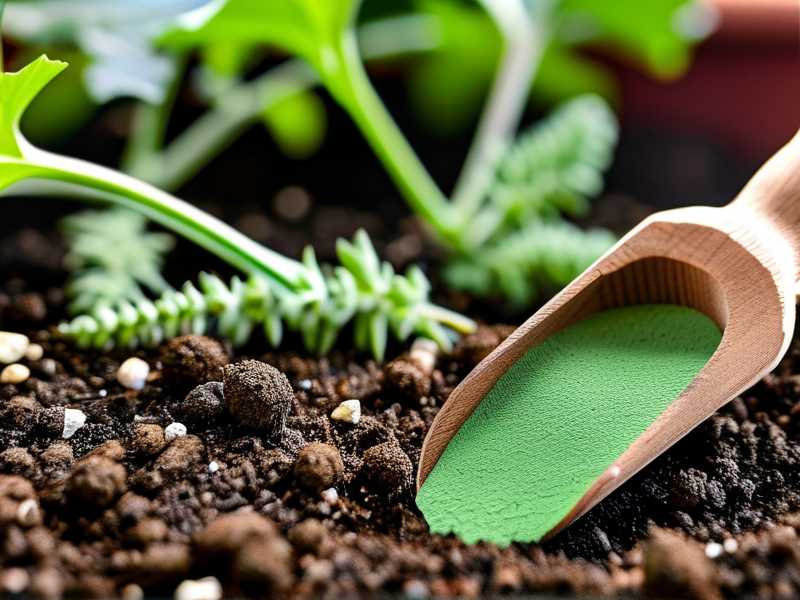
Alfalfa meal is ground-up alfalfa hay. It's not a chemical salt. It breaks down slowly, and that's the whole point. Unlike liquid fertilizers that hit roots hard, alfalfa meal releases nutrients over weeks. It feeds the soil, not just the plant. I've noticed earthworms and beneficial microbes gather around it in outdoor pots.
The NPK ratio is low. Usually around 2-0-1 or 3-1-2. That means it won't force fast, weak growth. Succulents don't want fast growth. They want steady, compact growth. That's exactly what alfalfa meal gives.
It also contains trace minerals: calcium, magnesium, sulfur. Plus that triacontanol. That's a natural plant hormone that boosts chlorophyll and root development. Rutgers University research on triacontanol showed yield increases in several crops. For succulents, the effect is subtler. But I've seen it. New leaves come in slightly wider and greener after a light alfalfa meal application.
The Light Rules You Cannot Ignore
Before feeding anything, fix your light. Succulents are light hogs. Most need 4 to 6 hours of direct sun. Echeveria, Sedum, and Sempervivum want full morning sun. Haworthia and Gasteria prefer bright indirect light.
If your succulent is stretching, pale, and leaning toward the window, it's not hungry. It's light-starved. No fertilizer fixes that.
Too much light burns leaves. You'll see brown or white patches on the sunny side. That's sunburn, not fertilizer burn. Move the plant back a few inches or add a sheer curtain.
The Royal Horticultural Society (RHS) recommends matching light levels to the plant's natural habitat before adjusting water or nutrients. That's solid advice. I killed a beautiful Haworthia by putting it in full afternoon sun. Lesson learned.
For indoor growers in Canada and the UK, a south-facing window is gold. In Australia, protect from harsh afternoon sun. In the US, east or south windows work for most. If you use grow lights, keep them 6 to 12 inches above the plant for 12 to 14 hours daily.
Watering: The Real Killer
I need to say this plainly. Overwatering kills more succulents than anything else. Not fertilizer. Not soil. Water.
The rule is simple: soak the soil completely, then let it dry out fully. That means bone dry. Not slightly damp. Not "a little moist." Dry.
In summer, that might mean watering every 10 to 14 days. In winter, every 4 to 6 weeks. Indoors with low light, even less.
Use the taco test. Gently squeeze a lower leaf. If it folds like a soft taco shell, the plant is thirsty. If it's firm, wait.
Never water on a schedule. Check the soil. Stick a wooden chopstick into the pot. If it comes out clean and dry, water. If it comes out cool or with soil stuck to it, wait.
Drainage holes are non-negotiable. I don't care how pretty the pot is. No hole, no succulent. I tried a cute ceramic pot without drainage once. The plant was dead in nine days. Root rot smells like swamp and looks like brown mush. By the time you see it, it's often too late.
Soil and Repotting: Get This Right Early
Succulents hate rich, water-retaining soil. They want gritty, fast-draining mix. My go-to recipe: 50% cactus potting soil, 25% perlite, 25% coarse sand or pumice. That's it. Mix it in a bucket. Wear a mask because perlite dust is nasty.
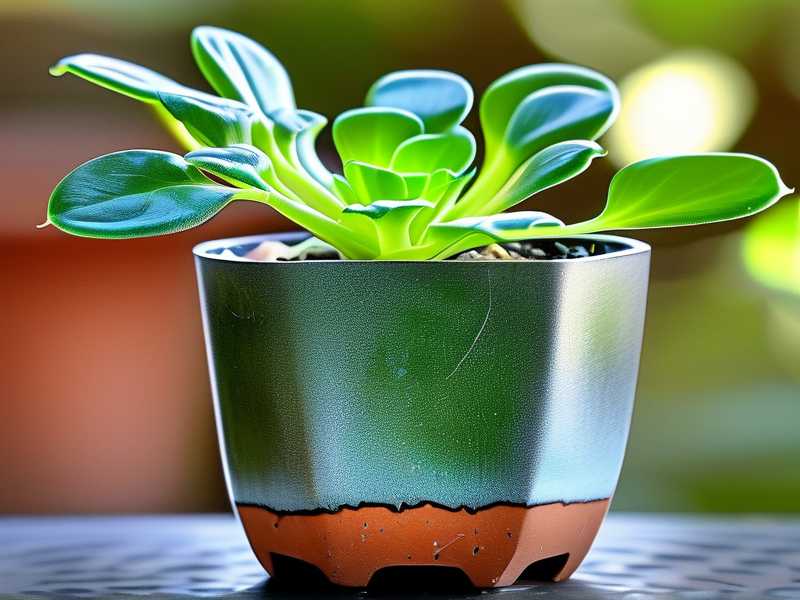
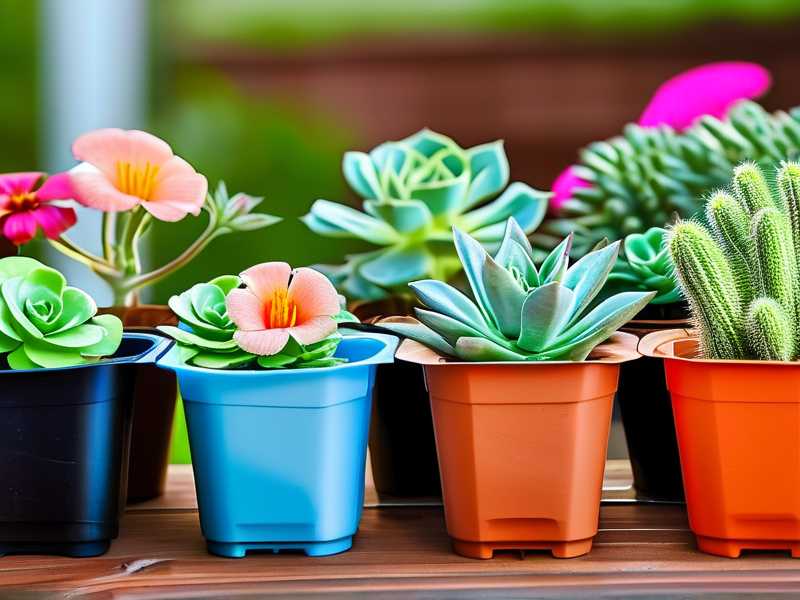
For pots, terracotta is best. It breathes. Plastic works if you're careful with water. Glazed ceramic is fine if it has a drainage hole. Avoid glass containers with no drainage. Those are death traps.
Repot every 12 to 24 months. Spring is best. I repot when roots come out the drainage hole or when the soil breaks down and becomes compacted. Gently shake off old soil. Trim any mushy or circling roots with clean scissors. Let the plant sit bare-root for a day before repotting. That prevents root rot from fresh cuts.
After repotting, wait one week before watering. This lets broken roots heal. I didn't wait once. I watered immediately. The plant rotted in five days.
How to Fertilize Succulents With Alfalfa Meal: My Exact Steps
This is the core of what you came for. Here is my two-week observed routine.
Step 1: Timing Is Everything
Only fertilize during active growth. For most succulents, that's early spring through late summer. In hot climates like Australia and the southern US, avoid feeding during extreme heat. In cold climates like Canada and the northern UK, stop by early autumn.
Never fertilize in winter. Never fertilize a sick plant. Never fertilize a newly repotted plant for at least four weeks.
Step 2: Measure Tiny Amounts
Alfalfa meal is not a "more is better" product. For a 4-inch pot, I use one teaspoon. For a 6-inch pot, one tablespoon. That's it. Sprinkle it evenly on the soil surface. Do not pile it against the stem. That invites rot.
Step 3: Scratch It In
Use a chopstick or small fork to gently scratch the meal into the top half-inch of soil. You don't want it sitting on the surface where it can mold. Indoors, mold is a real risk with organic fertilizers.
Step 4: Water Lightly
Water just enough to settle the meal into the soil. Not a full soak. A light watering. The meal needs moisture to break down, but you don't want to drown the roots.
Step 5: Repeat Every 6 to 8 Weeks
That's the frequency. Six to eight weeks during growing season. More than that and you risk salt buildup. Less than that and you might as well not bother.
Step 6: Watch for Two Weeks
Here's what I observed after my first proper alfalfa meal feeding on a pot of Echeveria 'Perle von Nürnberg' in early April.
Day 1 to 3: Nothing visible. The meal just sat there, slightly damp.
Day 4 to 7: The soil surface showed faint white fuzz. That's beneficial fungus breaking down the meal. Not mold. Don't panic. If it's thick and gray, you overwatered. Scratch it off and let the soil dry.
Day 8 to 10: New center leaves started to look slightly more plump. Not dramatically. Just a little fuller.
Day 11 to 14: The leaf color deepened. Less pale green, more blue-purple. The rosette looked tighter. No leaf burn. No soft spots. No pests.
That's the alfalfa meal effect. Slow, gentle, real.
Three Mistakes That Kill Succulents
I've made all three. You probably have too.
Mistake 1: Overwatering
This is the big one. Succulents store water in leaves, stems, and roots. They don't need frequent watering. I used to water every Sunday. That killed six plants in one summer. Now I water when the soil is bone dry and the leaves slightly wrinkle. That's it.
Mistake 2: Wrong Light
I put a Haworthia in full sun because I thought "succulent equals sun." It turned brown and crispy in two days. Haworthias want bright shade. Echeverias want sun. Know your plant. Move it if it stretches or burns.
Mistake 3: Wrong Pot
No drainage hole equals dead plant. I don't care what Pinterest says. I tried a mason jar terrarium once. It looked great for three weeks. Then everything rotted. Now every pot I own has a hole. Terracotta is my favorite.
Seasonal Care: What I Do Each Season
Spring: Wake Up and Feed
Spring is repotting and fertilizing season. I prune dead leaves. I check roots. I start alfalfa meal at half strength. For a 4-inch pot, half a teaspoon. I water more frequently as growth starts. I watch for pests waking up too. Aphids and mealybugs love spring.
Summer: Protect and Hold Back
Summer is not the time for heavy feeding. In hot climates, succulents go semi-dormant. I stop alfalfa meal when temperatures stay above 85°F (30°C). I move pots out of afternoon sun. I water deeply but rarely. I check for spider mites, which thrive in dry heat. A strong blast of water knocks them off.
Autumn: Slow Down
Autumn is my favorite season for succulents. Colors intensify. I feed one last time in early autumn. Then I stop. I reduce watering. I clean up dead leaves to prevent rot and pests. I prepare to bring tender plants indoors before the first frost. In Canada and the northern US, that's often late September or early October.
Winter: Hands Off
Winter is rest time. No fertilizer. Very little water. Maybe once a month for indoor plants in low light. I keep them cool, around 55 to 65°F (13 to 18°C). I don't worry about growth. I just keep them alive. I check for etiolation and move plants closer to windows if needed. I don't repot in winter. I don't propagate. I wait.
Pests and Problems: Quick Fixes
Mealybugs look like tiny cotton balls. Dab them with rubbing alcohol on a cotton swab.
Aphids cluster on new growth. Spray with insecticidal soap or just blast them off with water.
Spider mites are tiny and make fine webbing. Increase humidity and spray with neem oil.
Fungus gnats fly around wet soil. Let the soil dry out completely. Use yellow sticky traps. Top-dress with sand or grit.
Root rot smells bad and looks mushy. Unpot the plant. Cut away all brown, soft roots. Let it dry for a day. Repot in fresh, dry soil. Don't water for a week.
Yellow leaves usually mean overwatering. Soft, translucent leaves mean rot. Crispy brown leaves mean sunburn or underwatering. Learn to read the leaves. They tell you everything.
Frequently Asked Questions
Can I use alfalfa meal on all succulents?
Yes, but adjust for size and growth stage. Tiny pots need tiny amounts. Dormant plants need none. Seedlings and newly propagated plants should not be fertilized until they have a established root system, usually after two to three months.
How often should I fertilize succulents with alfalfa meal?
Every six to eight weeks during active growth. That's spring and summer for most. Stop in autumn and winter. If you're unsure, skip a feeding. Underfeeding is safer than overfeeding with succulents.
What if I accidentally use too much alfalfa meal?
Scrape off the excess. Flush the soil with plain water until it runs out the drainage hole. Let the soil dry completely. Watch for leaf burn or rot over the next week. Most succulents recover if you act fast. I've done this. The plant survived. But it set me back a month in growth.
Final Thoughts From My Windowsill to Yours
Fertilizing succulents with alfalfa meal is not complicated. But it's also not necessary if your plants are healthy and your soil is fresh. I feed because I want stronger color, tighter rosettes, and better flowering on my Echeverias and Haworthias. I've seen the difference over two weeks and beyond.
Start with light. Fix your water. Get the right pot. Then, if you want to feed, use alfalfa meal at tiny doses. Scratch it in. Water lightly. Wait six to eight weeks. Watch your plants. They'll tell you if it's working. And if you're new to this, please, please remember: 90% of indoor plants die from overwatering. Not from hunger. Not from bad luck. From too much love in the form of water. I learned that the hard way so you don't have to.