bluename
 How to Trim succulents for Aesthetic Shape
I used to think trimming succulents was as simple as snipping whatever looked messy. Then I killed three echeverias in one summer trying to "fix" them. Here's what I wish someone had told me upfront: if you want to learn how to trim succulents for aesthetic shape, the real goal isn't just cutting away overgrowth. It's directing where new growth goes. You're essentially having a quiet conversation with the plant about which direction it should stretch. The Royal Horticultural Society (RHS) puts it plainly — pruning should improve the plant's structure, not just reduce its size. I ignored that for two years. Don't be like me.
Why Shape Matters More Than You Think
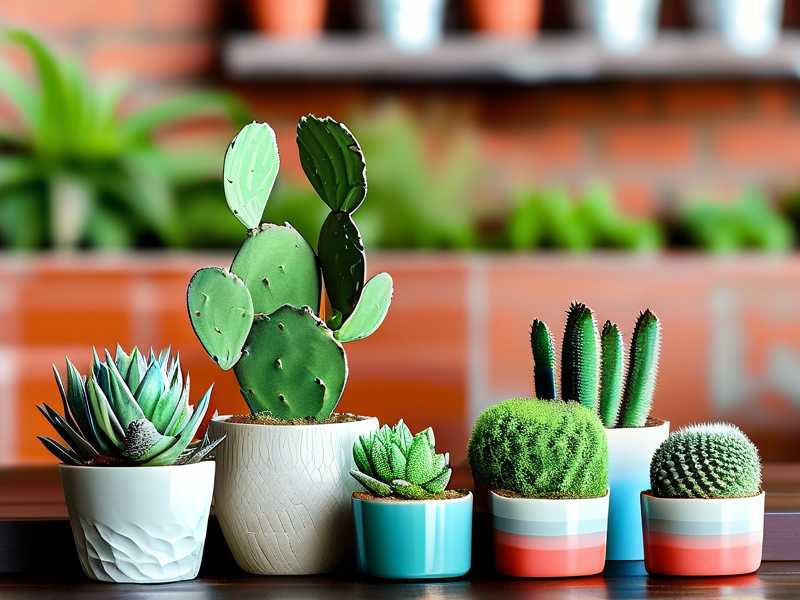
A succulent that's left to its own devices will eventually tell you a story about its conditions. Stretched-out rosettes? That's low light. A leggy stem with sparse leaves? Probably too much warmth and not enough sun. I've learned to read those signals before I even pick up my shears.
But here's the thing. Trimming isn't about punishment. It's about redirection. You remove what's pulling energy away from the shape you want.
I keep a simple rule: trim when the plant is actively growing, usually early spring or late summer. Not in the dead of winter. Not during a heatwave. The plant needs energy to heal and push new growth. If it's dormant, you're just making wounds it can't repair quickly.
My Two-Week Observation That Changed Everything
Two springs ago, I decided to actually document what happened after trimming. Not just take a "before and after" photo and call it a day. I marked a calendar.
Week one: almost nothing visible. Maybe a tiny callus forming on the cut ends. I panicked a little. Thought I'd made a huge mistake.
Week two: tiny pink nubs appeared near the cut nodes on a jade plant I'd trimmed. That's when it clicked. The plant wasn't just healing. It was redirecting energy to those specific points. That's the whole game. You're not just cutting. You're deciding where the next chapter of growth happens.
I've repeated this two-week observation with different succulents since then. Same pattern almost every time. Nothing, then everything.
The Three Mistakes That Kill Most Succulents (And How I Made All of Them)
Let me save you some heartbreak. I've made every mistake possible.
Mistake One: Overwatering After Trimming
You'd think this is obvious. It wasn't for me. I figured a freshly trimmed plant needed a good drink to recover. Wrong.
Here's the hard truth: 90% of indoor plants die from overwatering. The American Horticultural Society (AHS) backs this up — poor drainage and excess moisture are the leading killers of container plants. After trimming, your succulent has open wounds. Wet soil keeps those wounds damp. Damp wounds rot.
I lost a beautiful haworthia that way. Trimmed it, watered it generously, watched it turn to mush in four days. Now I wait at least three days after trimming before I even think about watering. Sometimes five.
Mistake Two: Wrong Light After Cutting
New growth needs light. But direct, harsh sun on fresh cuts? That's a recipe for scorched edges and stress.
I made this mistake with a sedum. Moved it to my brightest windowsill right after trimming because I thought "more light equals faster recovery." The cut edges turned brown and crispy. The plant survived, but it looked worse than before I trimmed it.
Now I use filtered light for the first week. Sheer curtain, east-facing window, that kind of thing. After seven days, I gradually move it back to its normal spot.
Mistake Three: Using the Wrong Pot (Or No Pot Strategy at All)
You can trim perfectly and still end up with a lopsided mess if the pot is working against you.
I once trimmed a rosette-style succulent to be perfectly symmetrical. Then I left it in a deep, narrow pot. The plant grew toward the light, which meant it grew toward one side. All that careful trimming? Wasted.
Now I use shallow, wide pots for most of my succulents. It encourages even growth. And I rotate the pot a quarter turn every few days. That small habit makes a huge difference.
What You Actually Need Before You Start
Don't overthink the tools. I've used everything from fancy bonsai shears to plain kitchen scissors. What matters is that they're clean and sharp.
Rubbing alcohol. A cloth. That's it for sterilization.
For the plant itself, wait until the soil is dry. Dry soil means less risk of fungal issues after cutting. I learned that one the hard way too.
The Actual Trimming Process (What I Do Step by Step)
Start by looking at the whole plant. Not just the part that bothers you. Where is it leaning? Where are the gaps? Where is it overcrowded?
For rosette types like echeveria, I remove lower leaves that are shriveling or blocking light to the center. I twist them gently — side to side — until they pop off cleanly. If they resist, they're not ready. Leave them.
For stemmed succulents like jade or elephant bush, I cut just above a leaf node. That's where new branches will emerge. Cut too high, and you leave an ugly stub. Cut too low, and you remove the growth point entirely.
I always cut at a slight angle. Not because it's fancy. Because water runs off instead of sitting on the wound.
Training Shape Over Time (The Slow Game)
You can't force a succulent into a shape in one session. I tried. It doesn't work.
What works is repeated, small adjustments. Every two or three weeks during growing season, I look at each plant and ask one question: what's growing in the wrong direction?
Then I snip that part. Just that part.
Over months, the plant fills out where you want it to. It's patience, not perfection. I've been shaping a crassula ovata for almost two years now. It started as a lopsided mess from a grocery store clearance rack. Now it looks like a tiny tree. But it took dozens of tiny cuts, not one big one.
Propagating What You Cut (Don't Waste It)
Every cutting is a new plant. That's not just a nice bonus — it's part of the mindset.
Let your cuttings callus over for two or three days. Then place them on dry soil. Don't water until roots appear. I've had leaf cuttings root in as little as ten days. Stem cuttings usually take two to three weeks.
I keep a small tray of "experiments" near my workspace. Some make it. Some don't. That's fine.
Frequently Asked Questions
Can I trim succulents any time of year?
Technically yes, but I strongly recommend against it. If your plant is dormant or stressed from heat or cold, trimming adds more stress. Stick to active growing seasons — spring and early fall for most varieties.
What if my succulent is already stretched out and leggy?
You can't reverse that with trimming alone. You can cut it back hard — right above the soil line if needed — and let it regrow. I've done this with a few sad plants. It feels drastic. But they came back fuller and tighter.
Do I need special tools?
No. Clean, sharp scissors work fine for most home growers. Just sterilize them between plants. That's the only non-negotiable step.
A Final Thought from Someone Who's Killed More Succulents Than I'd Like to Admit
Trimming for shape isn't about control. It's about collaboration. You guide. The plant does the rest. And honestly, the mistakes I've made taught me more than any perfect trim ever did. Start small. Watch closely. Give it two weeks before you decide it's not working. Most of the time, the plant knows what it's doing.