bluename
How to Water succulents in Temperate Climates: A Practical Guide for Real Homes
If you've ever watched a healthy succulent turn to mush overnight, you already know the problem. Watering is where most people go wrong. In fact, I'd go as far as saying 90% of indoor plants die from overwatering, and succulents top that list. Learning how to water succulents in temperate climates isn't about following a strict schedule. It's about reading your plant, your room, and the season. That's exactly what I'll walk you through here, based on years of killing plants (yes, more than one) and finally figuring out what works.
Succulents are tough little things. They store water in their leaves and stems, which is why they can survive weeks of neglect but keel over fast when soggy. In temperate zones like the UK, northern US states, Canada, and parts of Australia, the challenge is different from desert gardens. Humidity, cool summers, and long dark winters all change how often you should water. I've tested this stuff in a draughty flat in London and a humid summer in Melbourne. The rules shift. But the core principles hold.
Let's break it down, starting with light, then water, soil, feeding, and a full season-by-season plan. I'll share what I actually do, week by week, including a two-week observation I ran on a jade plant that taught me a lot. No fluff. Just what I've learned.
Why Light Comes Before Water
It sounds backward, but you can't talk about watering without talking about light. A succulent in bright light uses water fast. The same plant in shade sits wet and rots. I learned this the hard way with a flapjack kalanchoe. I kept it on a north-facing windowsill and watered it weekly. It looked fine for a month, then the stem went black. Root rot. The fix wasn't less water alone. It was moving it to a south-facing spot and then watering less often.
Most household succulents want at least four to six hours of direct sun. Echeverias, sedums, and most cacti need strong light. Haworthias and snake plants tolerate less, but they still prefer bright indirect light. If you're in a temperate climate with short winter days, a grow light is genuinely worth it. I use a cheap LED bar for my echeveria collection from November to February. The difference in colour and compact growth is huge.
What Happens With Too Little Light
Stretched, pale growth is the first sign. The plant leans toward the window. Leaves get smaller and spaced out. That's etiolation. It weakens the plant and makes it more vulnerable to rot. Once a succulent stretches, it doesn't shrink back. You can behead it and restart, which I've done with a leggy sedum. It worked, but it took months to look good again.
What Happens With Too Much Light
In a heatwave, direct afternoon sun can scorch leaves. You'll see brown, crispy patches. This happened to my aloe on a south-facing balcony in a 35°C spell. I moved it behind a sheer curtain for a week and the damage stopped spreading. The scorched spots never healed, but new leaves came through fine. In temperate summers, this is mostly a risk during sudden hot snaps or if you move plants outside without hardening them off.
The Complete Watering Guide
Here's the simple rule I follow: water thoroughly, then let the soil dry out completely. Not slightly damp. Completely dry. Stick your finger in the pot. If you feel any moisture at all, wait. For most succulents in temperate homes, that means watering every 10 to 14 days in summer and every 3 to 4 weeks in winter. But that's a rough guide, not gospel.
I spent two weeks watching a jade plant to nail this down. Week one: I watered it well and put it in bright light. By day seven, the soil was bone dry and the leaves were still firm. Week two: I waited another four days before watering again. The leaves plumped up within hours. No yellowing, no dropped leaves. That rhythm, roughly every 11 days in summer, worked. I've repeated it since and it's reliable, as long as the pot dries out fully.
How to Water Without Drowning the Roots
Always water the soil, not the leaves. Water sitting in the rosette can cause rot, especially in cooler weather. I use a small spout watering can and go around the edge of the pot. Pour until water runs out the drainage holes. That's a full soak. Then stop. Don't let the pot sit in a saucer of water. Empty the saucer after 10 minutes.
If you're unsure, use the pot weight test. Lift the pot before and after watering. A dry pot feels light. A wet one is noticeably heavier. I still do this with my bigger pots where the finger test isn't deep enough.
Preventing Root Rot
Rot is the big one. It starts with yellow, translucent leaves and a soft stem. By the time you smell it, it's usually too late. The prevention is simple: drainage holes are non-negotiable, soil must be gritty, and you must let it dry. I tried a decorative pot without holes once. I thought I could control the water. I was wrong. That plant lasted three weeks.
If you catch rot early, unpot the plant and cut away any brown, mushy roots with clean scissors. Let the cut dry for a day, then repot in fresh dry mix. Don't water for a week. I've saved a haworthia this way, though it lost half its roots. It's still alive two years later.
Soil and Repotting
Standard potting compost holds too much water for succulents. I mix my own: two parts grit or perlite to one part compost. That gives fast drainage and lets roots breathe. You can buy cactus mix, but I find it still needs extra grit. The RHS recommends free-draining compost for succulents, and I'd agree. It's the single biggest factor in keeping them alive.
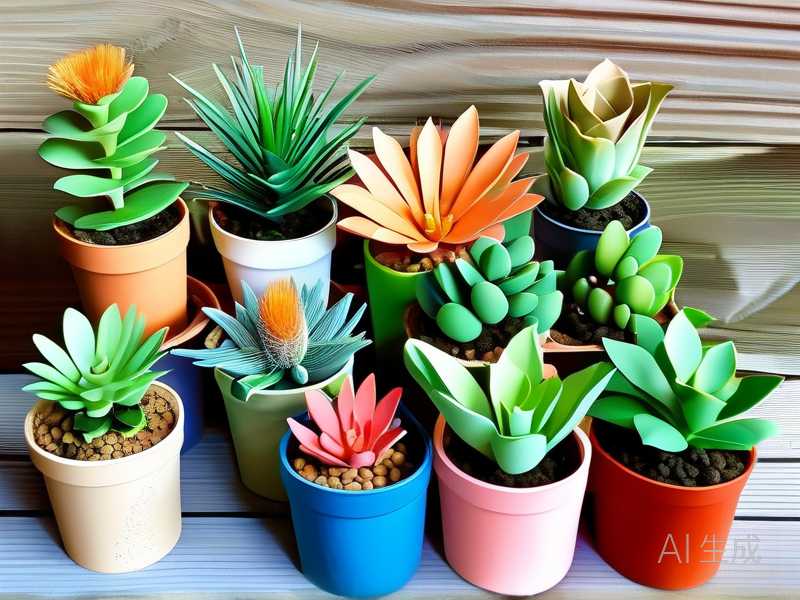
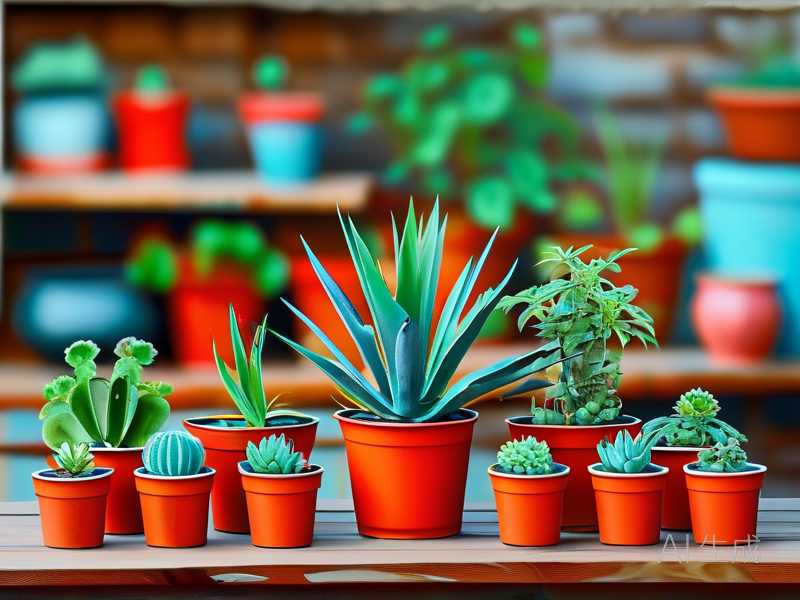
For pots, terracotta is best. It's porous and wicks moisture away. Plastic works too, but you'll need to water less often. Size matters. A pot too large holds too much wet soil around the roots. Go for a pot just slightly bigger than the root ball. I learned this after putting a small echeveria in a big ceramic bowl. It stayed wet for weeks and rotted. Now I size up by just 1 to 2 cm.
Repot every two to three years, or when roots circle the pot. Do it in spring when growth starts. Water lightly after repotting, then wait a week before the next proper watering. I usually repot a few plants in March and it's done.
Feeding: Less Is Genuinely More
Succulents aren't heavy feeders. I use a cactus fertiliser diluted to half strength, once a month from April to September. That's it. No feeding in autumn or winter. Overfeeding causes weak, floppy growth that attracts pests and rots easily. I once fed a sedum full strength every two weeks. It grew fast but the stems were so soft they snapped under their own weight. Lesson learned. If in doubt, skip the feed.
Seasonal Care: What I Actually Do Month by Month
Spring
This is when growth kicks off. I start watering a bit more often, but still only when the soil is dry. I check for stretched growth and prune if needed. Beheading is fine now because the plant has energy to recover. I repot any plants that need it. I also start the monthly feeding. It's a busy but satisfying month.
Summer
The tricky part in temperate climates is heat and humidity. In a hot spell, I move plants off the hottest windowsill or use a sheer curtain. Ventilation matters. I keep a window cracked in the room where I grow succulents. Watering stays on the dry-then-soak rhythm, but I watch for signs of drought stress, like slightly wrinkled leaves. That's a sign to water, not to panic.
Autumn
Growth slows. I cut feeding entirely by mid-September and reduce watering to every three weeks or so. I move plants to the brightest spot I have indoors. I clear out any dead leaves so pests have fewer places to hide. This is also when I check every plant for mealybugs before they settle in for winter.
Winter
This is where temperate homes get tough. Short days, cold windowsills, and central heating dry the air. I water very little, maybe every four weeks, and only if the soil is completely dry. I stop feeding completely. I keep plants away from cold draughts and off cold windowsills at night. I use a grow light for a few hours a day on my most light-hungry plants. Cold, wet soil is a death sentence, so I err on the side of underwatering.
Pests and Problems: What to Look For
Mealybugs are the most common. White, fluffy spots in leaf joints. I dab them with a cotton bud dipped in rubbing alcohol. It works. Fungus gnats mean the soil is staying wet too long. Let it dry out more and use yellow sticky traps. Yellow leaves usually mean overwatering. Soft, mushy stem means rot. Wrinkled leaves mean thirst. I keep a mental checklist and check my plants every few days.
The AHS notes that most succulent problems are cultural, not pest-related. That's exactly my experience. Fix the water and light and most issues disappear.
Three Mistakes I See Beginners Make Every Time
-
Overwatering. The classic. People water on a schedule instead of checking the soil. I still remember my first echeveria turning to jelly because I watered it every Sunday. Just because it's Sunday doesn't mean it's thirsty.
-
Wrong light. Putting a sun-loving succulent in a dark corner because it "looks nice" there. It will stretch, weaken, and rot. Move it or get a light.
-
Wrong pot. No drainage holes, or a pot that's way too big. Both keep soil wet for too long. I've made both mistakes. Now I check every pot has a hole and size up only slightly.
If you fix these three things, you're already ahead of most beginners.
FAQs
How often should I water succulents in a temperate climate? Every 10 to 14 days in summer and every 3 to 4 weeks in winter, but always check the soil first. If it's damp, wait.
Can I use tap water? Yes, most tap water is fine. I've used it for years with no issues. Just let the pot drain fully.
Why is my succulent's stem turning black? That's rot. Unpot it, cut away the soft parts, let it dry, and repot in dry gritty soil. Don't water for a week.
Watering succulents isn't about perfection. It's about paying attention. Feel the soil, watch the leaves, and adjust with the seasons. Do that and your plants will reward you with tight, colourful growth year after year.