bluename
How to Identify Leaf Miners on succulents: A Home Gardener's Real-World Guide
If you've noticed pale, squiggly trails winding across your succulent leaves, you're probably dealing with leaf miners. I've been there. I still remember staring at my Echeveria 'Perle von Nürnberg' two summers ago, convinced those weird little lines were some kind of nutrient deficiency. Spoiler: they weren't. They were leaf miner damage, and by the time I figured it out, three of my potted succulents had lost most of their lower leaves. So let me save you that headache. This guide walks you through exactly how to identify leaf miners on succulents, what to do about them, and how to stop them from coming back.
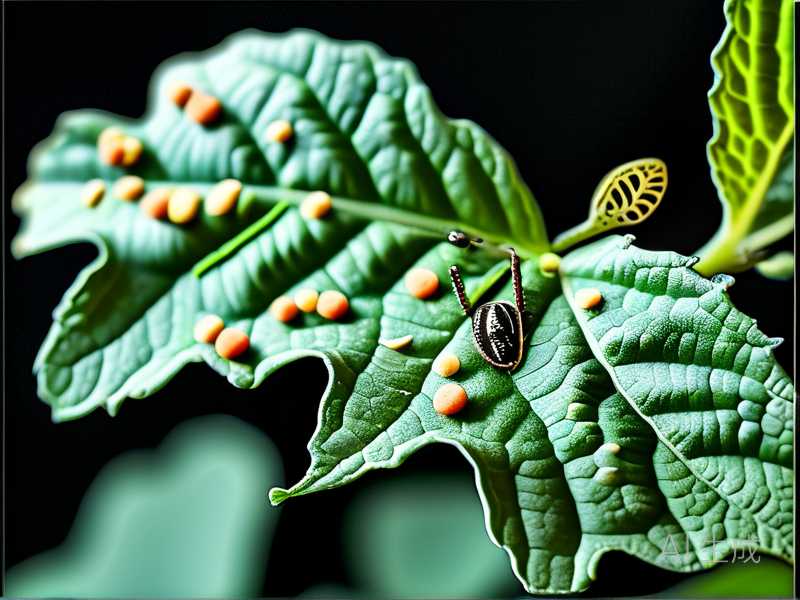
Quick answer up front: Leaf miners leave thin, winding, whitish or tan trails just under the leaf surface. You won't usually see the pest itself because it's a tiny larva tunneling inside the leaf tissue. The damage looks like someone drew a wobbly line on your plant with a fine-tipped pencil.
Sound familiar? Then keep reading. And no judgment if you ignored it for a week or two. I did the same thing.
Why Succulents Attract Leaf Miners in the First Place
Honestly, succulents aren't the most common leaf miner target. That's part of why the damage confused me at first. Most leaf miner species prefer leafy vegetables, citrus, or ornamentals like chrysanthemums.
But certain succulents, especially those with softer, fleshy leaves, do get hit. Think Sedum, Echeveria with broad leaves, and sometimes Kalanchoe. The adults are small flies or moths that lay eggs inside the leaf tissue. When the eggs hatch, the larvae start eating their way through the inside of the leaf.
The RHS notes that leaf miner damage is often more cosmetic than fatal on established plants, but young or stressed succulents can suffer real setbacks. That matches what I saw. My older plants shrugged it off. My seedlings and recent propagations? Not so lucky.
The tricky part is that by the time you notice the trails, the damage is already done. The larva may have finished feeding and dropped to the soil to pupate. So identification matters, but understanding the life cycle matters just as much.
How to Spot Leaf Miner Damage on Succulents (Step by Step)
Here's the exact process I use now. It takes about five minutes per plant, and I do it once a week during growing season.
Step one: Pick up the pot and look at the undersides of the leaves first. Leaf miners often start there. You're looking for thin, pale trails, usually serpentine or blotchy. On succulents, the trails tend to look silvery or tan against the green.
Step two: Hold the leaf up to a window or bright light. Backlit, the tunnels become much more obvious. You might even see the tiny dark speck of the larva itself inside the leaf, though that's rare on thicker succulent leaves.
Step three: Gently squeeze the leaf near the trail. Healthy succulent leaves are firm. Damaged sections feel hollow or papery. If the tissue collapses, the larva has likely already moved on.
Step four: Check for secondary signs. Leaf miner damage often opens the door to rot or fungal issues. Brown, mushy edges around a trail? That's a red flag.
I tried the "squeeze test" on a Sedum clavatum last spring and found four separate trails I'd completely missed. Two of them were on the back side of leaves facing the wall. Lesson learned: rotate your pots when you inspect.
What Leaf Miner Damage Is NOT
This is where I wasted the most time. I kept confusing leaf miner trails with other issues. So let me clear that up.
- Sunburn looks like bleached, dry patches, not winding lines.
- Mealybugs leave white cottony clusters, no tunnels.
- Thrips cause silvery stippling and tiny black specks, but not continuous trails.
- Root rot shows up as soft, translucent leaves from the bottom up.
The distinguishing feature of leaf miners is that trail. It's continuous, winding, and sits between the upper and lower leaf surfaces. You can't scrape it off like you can with some scale insects.
According to the AHS, early detection is the single biggest factor in managing leaf miners successfully in home gardens. I'll second that. My first infestation got out of hand because I misidentified it for nearly two weeks.
My Two-Week Observation: What Actually Happened
I want to walk you through a real timeline, because most guides skip this part. Two weeks is enough to see meaningful change, one way or the other.
Days 1–2: I found active trails on two Echeveria and one Sedum. I removed the worst-affected leaves with sterilized scissors. I left the moderately damaged ones to see if the plant would shed them naturally.
Days 3–5: I inspected every plant in the collection daily. No new trails appeared on the treated plants. But I found one fresh trail on a Sempervivum I'd almost forgotten about on the bottom shelf.
Days 6–9: The removed leaves showed no further tunneling. The plants themselves looked slightly stressed, a little duller in color, but stable. I kept them in bright indirect light and withheld water for a few extra days to avoid rot at the leaf removal sites.
Days 10–14: No new damage. The plants started pushing new growth. By day 14, I felt confident the infestation was contained. I still kept inspecting weekly for another month, just in case.
The biggest takeaway? Remove affected leaves early. I know it hurts to cut leaves off a slow-growing succulent. I've been there. But leaving them on just gives the larvae time to complete their cycle and start another generation.
The Three Mistakes Nearly Every New Grower Makes
I've killed more succulents than I care to admit, and leaf miners were only part of the story. Most of my failures trace back to three core mistakes. Fix these and you'll avoid a huge chunk of succulent problems, including the conditions that make leaf miner damage worse.
Mistake #1: Overwatering
I have to say it plainly: 90% of indoor plants die from overwatering. That's not an exaggeration. It's the single most common killer, and succulents are especially vulnerable.
I lost my first proper succulent, a jade plant, because I watered it every Sunday like clockwork. The leaves went soft, then translucent, then fell off. By the time I checked the roots, they were brown mush.
Overwatering doesn't just cause rot. It weakens the plant's natural defenses, making it more attractive to pests like leaf miners and more susceptible to secondary infections. A stressed succulent is a pest magnet.
So water only when the soil is completely dry. For most indoor succulents, that's every 10–14 days in summer and every 3–4 weeks in winter. When in doubt, wait another week. Your plant will thank you.
Mistake #2: Putting Succulents in the Wrong Light
This one sneaks up on you. I used to think "bright indirect light" meant anywhere near a window. Nope.
Succulents generally want at least 4–6 hours of direct or very bright light daily. South-facing windows are ideal in the Northern Hemisphere. But too much direct afternoon sun in summer can scorch them, especially if they've been indoors.
The wrong light stresses the plant. Stressed plants attract pests. It's a cycle. I've seen leaf miner damage worsen on succulents kept in dim corners because the plants couldn't outgrow the damage fast enough.
Mistake #3: Using the Wrong Pot
I cringe thinking about the number of succulents I planted in cute ceramic pots with no drainage holes. Every single one eventually rotted.
Succulents need pots with drainage holes. Period. Terracotta is excellent because it wicks moisture away from the soil. Glazed ceramic looks nice but holds water longer, so you need to be extra careful with watering.
Also, don't oversize the pot. A pot that's too large holds excess soil that stays wet for too long. I learned this the hard way with a beautiful Kalanchoe that I "upgraded" to a pot three sizes too big. It rotted within a month.
Light, Water, Soil, and Feeding: The Core Care That Keeps Pests Away
Here's the thing about leaf miners. You can't completely prevent them. Adult insects fly around and lay eggs wherever they please. But healthy, well-cared-for succulents tolerate damage better and recover faster. That's been my experience time and again.
Light Requirements
Give your succulents as much bright light as you can without scorching them. Indoors, that usually means a south or west window. If your plant starts stretching or leaning toward the light, it needs more.
Outdoors, morning sun plus afternoon shade works well in hot climates. In cooler climates, full sun is usually fine.
Too little light equals pale, stretched growth and weak tissue. Too much direct summer sun equals bleached or brown patches. Watch your plant and adjust.
Watering Guide
Water thoroughly until it runs out the drainage hole, then wait until the soil is bone dry before watering again. That's it. That's the whole rule.
In summer, that might mean every 7–10 days. In winter, every 3–4 weeks. Always check the soil first. A moisture meter helps, but I just stick a wooden chopstick into the soil and see if it comes out dry.
Never let the pot sit in a saucer of water. Empty the saucer after watering. I lost a gorgeous Haworthia this way because I forgot to empty the saucer for a week.
Soil and Repotting
Use a gritty, fast-draining mix. I make mine with roughly equal parts potting soil, perlite, and coarse sand. Some growers add pumice instead of perlite, and that works great too.
Repot every 2–3 years, or when the plant outgrows its pot. Spring is best. Water lightly after repotting and keep the plant out of direct sun for a few days.
When repotting, inspect the roots. Healthy roots are white or pale tan and firm. Brown, mushy roots mean rot, and you'll need to trim them and repot in fresh, dry soil.
Feeding
Succulents aren't heavy feeders. A diluted balanced fertilizer once a month during the growing season is plenty. I use a quarter-strength liquid fertilizer and only feed from spring through early fall.
Don't fertilize in winter. Don't fertilize a stressed plant. And don't fertilize right after repotting. I made that mistake once and burned the roots of a young Aloe.
Seasonal Care: What Changes Through the Year
Succulents don't need drastically different care each season, but small adjustments make a big difference. And they reduce the kind of stress that invites pests.
Spring
This is when growth kicks in. Start watering a bit more frequently as the soil dries faster. Resume monthly feeding. Repot if needed. Inspect for pests, including leaf miners, because spring is when many insects become active again.
I do a thorough leaf check on every plant in early spring. It's become a ritual. I find something to fix almost every year.
Summer
Watch for sunburn on outdoor plants. Move pots that get scorched afternoon sun to a spot with morning light only. Water more often, but still let the soil dry completely between waterings.
Ventilation matters indoors. Stagnant, humid air invites problems. I run a small fan near my indoor shelf during summer.
Fall
Growth slows down. Reduce watering frequency. Stop fertilizing by mid-fall. Bring outdoor plants inside before nighttime temperatures drop below 50°F (10°C).
This is also a good time to do one last pest inspection before the slower winter months.
Winter
Water very sparingly. Most succulents go semi-dormant and need very little moisture. Keep them in the brightest spot you have. Don't fertilize.
If your home is dry and warm, watch for pests like spider mites, which thrive in dry indoor air. A quick weekly check is worth the five minutes.
Common Pests and Problems (Beyond Leaf Miners)
Leaf miners are annoying, but they're rarely the worst thing that can happen to your succulents. Here's what else to watch for.
Mealybugs look like tiny cotton balls tucked in leaf joints. Wipe them off with a cotton swab dipped in rubbing alcohol.
Spider mites cause fine webbing and stippled, dull leaves. Increase humidity slightly and treat with insecticidal soap.
Scale appears as small brown or tan bumps on stems and leaves. Scrape them off or use horticultural oil.
Root rot shows up as soft, dark, mushy roots and yellowing leaves. Remove affected roots, repot in fresh dry soil, and don't water for a week.
Yellow leaves can mean overwatering, underwatering, or normal aging. Check the soil first. If it's wet and the leaves are soft, it's probably rot. If the soil is bone dry, water it.
Mushy leaves almost always mean overwatering. Remove the affected leaves, check the roots, and adjust your watering schedule.
FAQ
Can leaf miners kill my succulent? Rarely. Severe infestations on young or already-stressed plants can cause serious damage, but most healthy succulents survive. Remove affected leaves promptly and monitor closely.
Do I need to use pesticides for leaf miners on succulents? Not usually. Removing damaged leaves and keeping the plant healthy is enough for mild infestations. Systemic insecticides can work for severe cases, but I'd try manual removal first.
How do I stop leaf miners from coming back? There's no guaranteed prevention, but healthy plants resist damage better. Keep up with proper watering, light, and soil care. Inspect new plants before adding them to your collection. And check your plants weekly during growing season.
Leaf miners are frustrating, but they're not a death sentence for your succulents. I've dealt with them three times now, and each time, early detection and quick leaf removal solved the problem within two weeks. You don't need a lab or fancy equipment. You just need to look closely, act fast, and keep your plants healthy enough to bounce back. Trust me, if I can figure this out after killing more succulents than I'd like to admit, you absolutely can too.