bluename
How to Fix succulents With Wilted Stems: A Real-World Rescue Guide
Wilted, droopy stems on a succulent usually mean one of three things: too much water, too little light, or a pot that holds moisture far too long. The fastest fix is to stop watering immediately, check the soil and roots, and move the plant to bright, indirect light while it recovers. I've rescued more wrinkled, flopping succulents than I can count, and honestly, most of them bounced back within two weeks once I corrected those basics.
I still remember the first succulent I ever killed. It was a little echeveria, and I loved it to death—literally. I watered it every couple of days because the soil looked dry on top. Within a week the stem went soft and mushy, and the whole thing collapsed. That was the moment I learned the hard way that 90% of indoor plants die from overwatering. True story, and it's the same story I hear from almost every new grower I talk to.
Succulents are those thick-leaved, drought-loving plants people keep on windowsills and desks. They look sculptural, come in gorgeous colors, and are generally forgiving—until they're not. The catch is that "easy" doesn't mean "leave it alone and forget it." It means you have to understand what it actually needs.
I've been growing succulents for years now, and I've learned most of what matters by messing up first. So let me walk you through exactly what worked for me, including the two-week observation I did after each fix, so you can skip some of my mistakes.
Why Succulent Stems Wilt in the First Place
Before you do anything, you need to figure out why the stem is wilting. This matters because the fix for a thirsty plant is the opposite of the fix for a drowning one.
Here's the thing—wilted stems can look identical whether the plant is too dry or too wet. That's what trips people up. You see a droopy stem, assume it's thirsty, and water it more. If it was already overwatered, you've just made things worse.
So here's my quick diagnostic. Gently wiggle the stem near the soil line. If it feels firm but the leaves are shriveled and limp, the plant is probably underwatered. If the stem feels soft, squishy, or the leaves look translucent and yellow, that's rot from too much water. Big difference.
The Royal Horticultural Society (RHS) is clear that succulents evolved in dry conditions and store water in their leaves and stems, which makes them far more vulnerable to excess moisture than to drought. That single fact should shape everything you do.
The Three Beginner Mistakes That Kill Succulents
I've made all three of these. Every single one. Let me lay them out because avoiding them solves most wilted-stem problems before they start.
Mistake #1: Overwatering
This is the big one. People water on a schedule—every Sunday, say—instead of checking the soil. Succulents don't need water on a calendar; they need it when the soil is genuinely dry.
Here's what I do now. I stick my finger a full inch into the soil. If it's dry down there, I water. If there's any moisture at all, I wait. In winter I might water once every three or four weeks. In summer, maybe every ten days. It depends entirely on the plant and the room.
The American Horticultural Society (AHS) points out that well-draining soil and pots with drainage holes are non-negotiable for succulents—water needs somewhere to go. If it can't drain, roots sit in a swamp and rot.
Mistake #2: Wrong Light
I once put a jade plant in a dim corner because I thought "succulents like shade." Wrong. It stretched out into a spindly, pale mess with a weak stem that couldn't support its own weight. That's called etiolation, and it's a light problem, not a watering problem.
Succulents want bright light. Most need at least four to six hours of good light a day. Indoors, that usually means your sunniest window. South-facing is best in the northern hemisphere.
But—and this is important—too much direct afternoon sun can scorch them, especially in summer. I learned to introduce brighter light gradually over a week or two. Sudden moves cause sunburn spots that never heal.
Mistake #3: The Wrong Pot
I used to plant succulents in cute glazed ceramic pots with no drainage hole. They were adorable and they were death traps. Water collected at the bottom with nowhere to go, and the roots drowned.
Now I only use pots with drainage holes. Terracotta is my favorite because it's porous and wicks away extra moisture. Plastic works too, as long as it drains well.
My Two-Week Rescue Plan That Actually Worked
When I find a succulent with a wilted stem, here's exactly what I do. I've run this routine many times, and I always watch for two weeks before judging the result.
Day 1: I pull the plant out of its pot and inspect the roots. Healthy roots are firm and pale. Rotten ones are brown, mushy, and smell bad. I trim away anything rotten with clean scissors.
Day 1–2: I let the plant sit bare-root in a dry, airy spot for a day or two so the cuts can callus over. This step matters—planting a wet wound straight into soil invites rot.
Day 3: I repot into fresh, gritty soil in a pot with drainage. I don't water for a few days after repotting.
Week 1: I keep it in bright, indirect light and resist the urge to water. This is the hard part. You will want to water it. Don't.
Week 2: If the stem firms up and new growth appears, we're in business. If the stem stays soft and mushy, the rot won the battle and I start over with a healthy cutting.
In my last rescue, a sad little sedum with a bent, wrinkly stem, the plant looked noticeably firmer by day ten and had new tiny leaves by the end of week two. That's the timeline I've come to expect when the damage isn't too far gone.
Light: Getting It Right
Light is the quiet hero of stem health. Weak light makes weak stems, period.
Give your succulents the brightest spot you've got indoors. A south or west window is ideal. If you're in a darker home, a small grow light for six to eight hours a day makes a real difference—I finally bought one and my plants stopped stretching.
Watch for signs you've gone too far. Brown, crispy patches mean sunburn. Pale, stretched-out growth means too little light. The sweet spot is compact, colorful growth with firm stems.
Watering so Stems Stay Strong
Here's the simplest rule I can give you. Water deeply, then let the soil dry out completely before watering again. Soaking the soil and then letting it dry mimics how rain works in the wild.
I water until it runs out the drainage hole, then I empty the saucer so the pot isn't sitting in water. That last bit is crucial and easy to forget.
Cut way back in winter when growth slows. Honestly, I barely water my succulents from November to February.
Soil and Repotting
Succulents need gritty, fast-draining soil. I mix regular potting soil with plenty of perlite or coarse sand—roughly half and half. It feels almost crumbly, and that's exactly what you want.
Repot every year or two, or whenever the plant outgrows its pot. Spring is the best time. Choose a pot just slightly bigger than the root ball. Too much extra soil holds moisture the roots can't use.
Feeding, Lightly
Succulents aren't heavy feeders. I give mine a diluted succulent fertilizer once in spring and maybe once in early summer. That's it.
Never fertilize a stressed or wilting plant—you'll just push it harder when it needs rest. And skip feeding entirely in winter.
Season-by-Season Care
Spring is for recovery and growth. This is when I repot, take cuttings, and start watering a bit more as the plant wakes up. Trim off any dead leaves so pests have nowhere to hide.
Summer brings heat and sun. I shield plants from harsh afternoon rays, keep the air moving, and watch for pests like mealybugs. Water in the morning so leaves dry before evening.
Autumn is all about easing off. I reduce watering and stop fertilizing so the plant hardens off for winter. Tidy up spent leaves now.
Winter means less of everything. Cooler rooms, much less water, no fertilizer. Keep succulents away from cold drafts and frost. Most of mine just sit quietly by a bright window until spring.
Pests and Problem-Solving
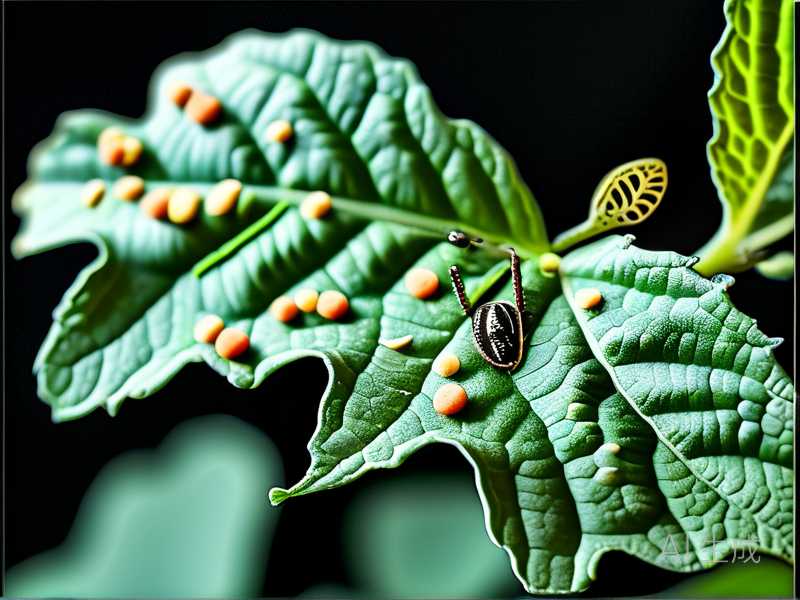
Mealybugs are the pest I see most—little white cottony clumps in leaf joints. I dab them with a cotton swab dipped in rubbing alcohol. Repeat weekly until they're gone.
Yellow, mushy leaves mean rot—act fast with the rescue plan above. Shriveled, crispy leaves usually mean underwatering or too much sun. Soft brown stem spots are rot setting in, and you'll need to cut above the damage and reroot the healthy top.
Frequently Asked Questions
Can a succulent with a wilted stem be saved? Often, yes. If the stem is still firm and only the leaves are limp, it's usually a water or light fix. If the stem is mushy, cut above the rot and reroot the healthy top.
Should I water a wilted succulent? Only if the soil is bone dry and the leaves are shriveled. If the stem is soft or the soil is wet, watering will speed up rot. Check the soil first—always.
How long until a wilted succulent recovers? With the right fix, you'll usually see firming up and new growth within two weeks. Badly rotted plants may need to be restarted from a cutting, which takes longer.
The bottom line is that wilted stems are a message, not a death sentence. Figure out whether it's water, light, or the pot, fix that one thing, and give it a couple of weeks. I've brought plenty of "hopeless" succulents back to life this way—and with a little patience, you will too.